Our living family tree

Lord My Chef Simbang Gabi Recipe for the Soul by Fr. Nicanor F. Lalog II
Wednesday, Simbang Gabi-II, 17 December 2025
Genesis 49:2, 8-10 <*[[[[>< + ><]]]]*> Matthew 1:1-17
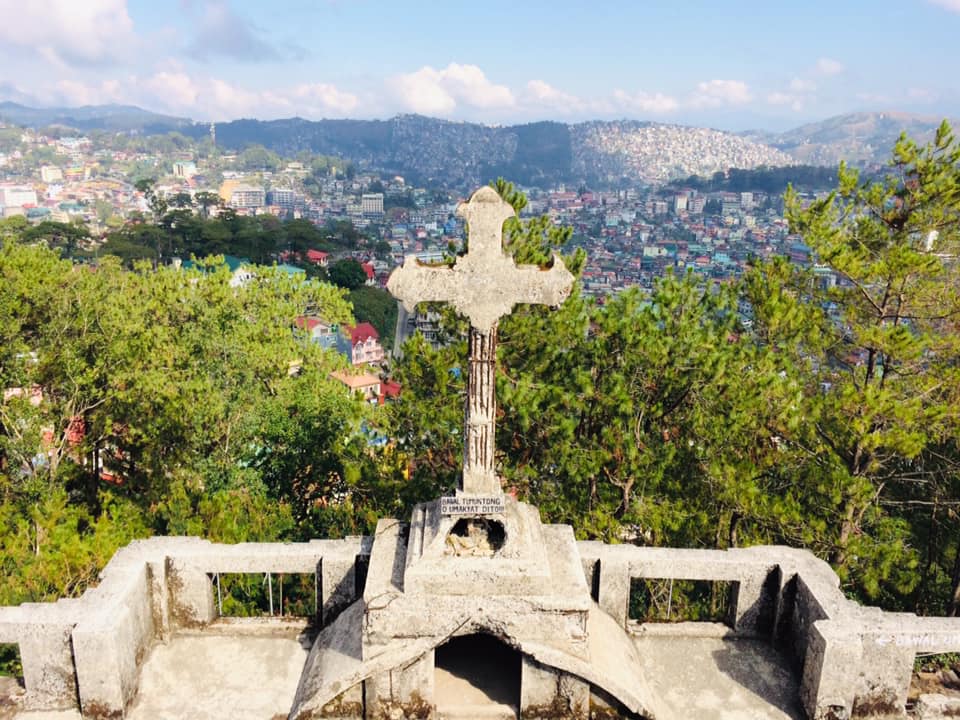
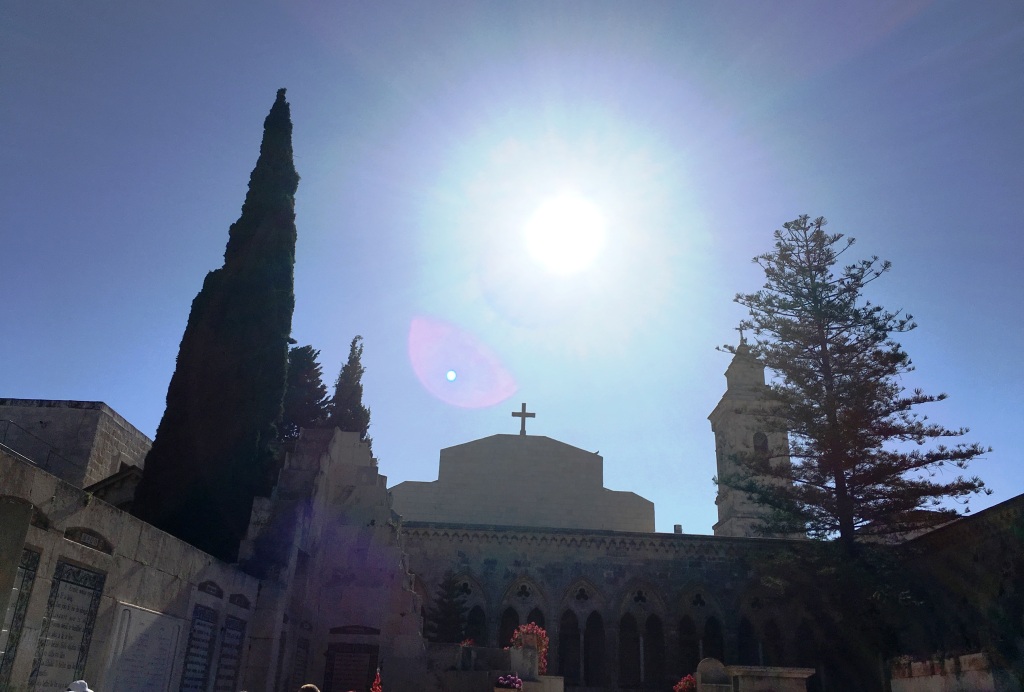
Photo by author, December 2023.

Next to the Belen and the Parol, the Christmas Tree stands out as the third leading sign of Christmas especially in our country. Though it was first introduced by the German Lutherans in the 16th century, we Catholics have adopted it too with the Vatican having a giant Christmas Tree every year lighted at St. Peter’s Square in Rome.

The Christmas Tree invites us to remember Jesus who was born in Bethlehem is the true Tree of Life, as it “depicted the tree of paradise and the Christmas light or candle which symbolized Christ, the Light of the world” (Book of Blessings, page 443). Remember also that since ancient time especially among the Anglo-Saxons, trees symbolize our relationships as family and kin that is why we have “family trees” that trace our roots.

And that is what a genealogy is all about.

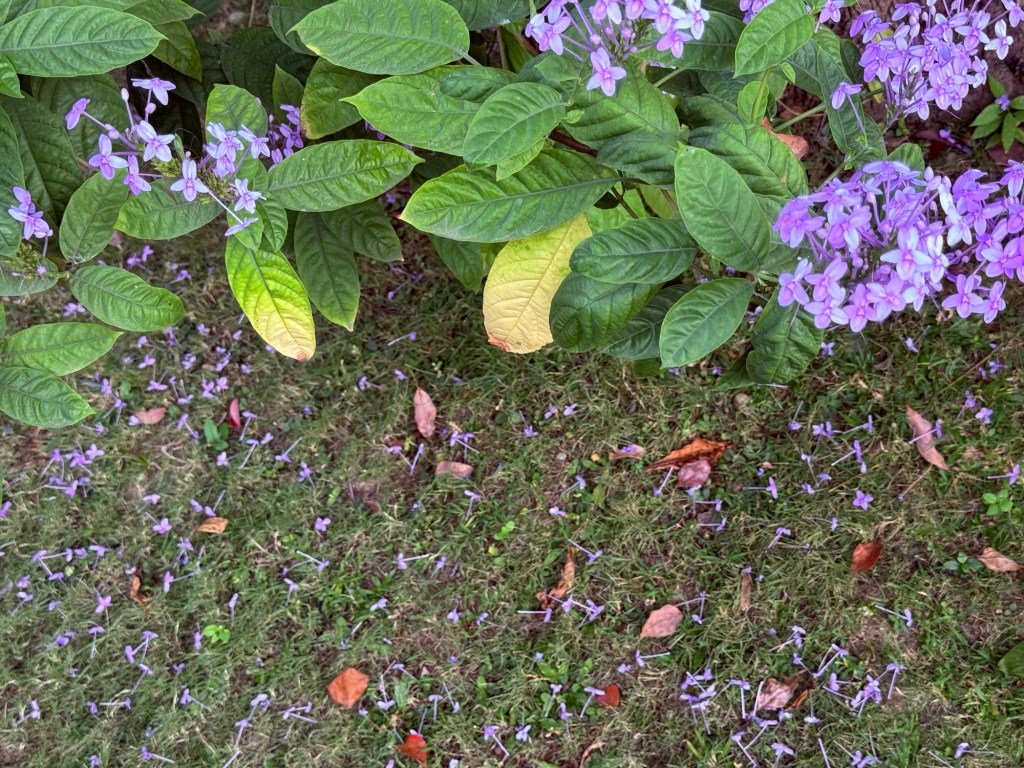
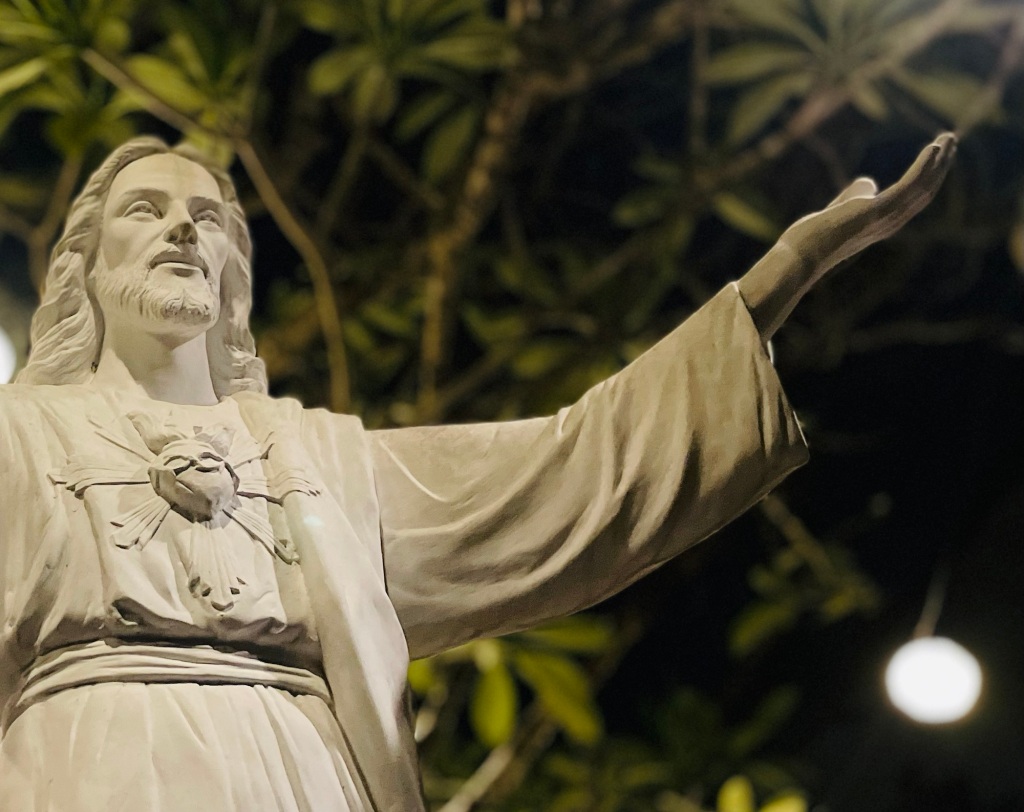
Photo by author, December 2022.

Matthew along with John opened his gospel account with the origin of Jesus; both felt the need to present right away to their specific audience where the Christ came from. John traced it to eternity as the Word (Logos) while Matthew whose followers were mostly Jewish converts to Christianity presented Jesus as the fulfillment of God’s promise in the Old Testament through their two main personalities, Abraham and David.

The book of the genealogy of Jesus Christ, the son of David, the son of Abraham. Abraham became the father of Isaac, Isaac the father of Jacob, Jacob the father of Judah and his brothers. Judah became the father of Perez and Zerah, whose mother was Tamar (Matthew 1:1-3).

Every year we hear this gospel proclaimed on December 17 which is also the start of the second and final phase of Advent when all our readings and prayers direct our attention to the first Christmas that happened more than 2000 years ago.

For Matthew, it all started with God’s promises to Abraham, the father of all nations and to David, the greatest King of Israel whose royal lineage made the Christ a King, in fact the King of Kings. What is most interesting in Matthew’s genealogy is the fact that with each of those names that sound so funny for many of us today was a true person just like us – so human and so imperfect, even sinful except the Blessed Virgin Mary. Matthew did not sanitize nor photoshop the personalities in the Lord’s genealogy because that is the Good News: it is good to be human that is why the Son of God became one of us in everything as a human being except sin.

This year, I wish to reflect on just one person, Judah.

Jacob called his sons and said to them: “Assemble and listen, sons of Jacob, listen to Israel, your father. You, Judah, shall your brothers praise – your hand on the neck of your enemies; the sons of your father shall bow down to you. Judah, like a lion’s whelp, you have grown up on prey, my son… The scepter shall never depart from Judah, or the maqce from between his legs, while tribute is brought to him, and he receives the people’s homage” (Genesis 49:2, 8-9, 10).

This is the second Christmas me and my siblings are celebrating without both our parents. Our mother died May 2024. Though it was so heavy and difficult for us, everything moved so fast that year. So unlike this 2025.

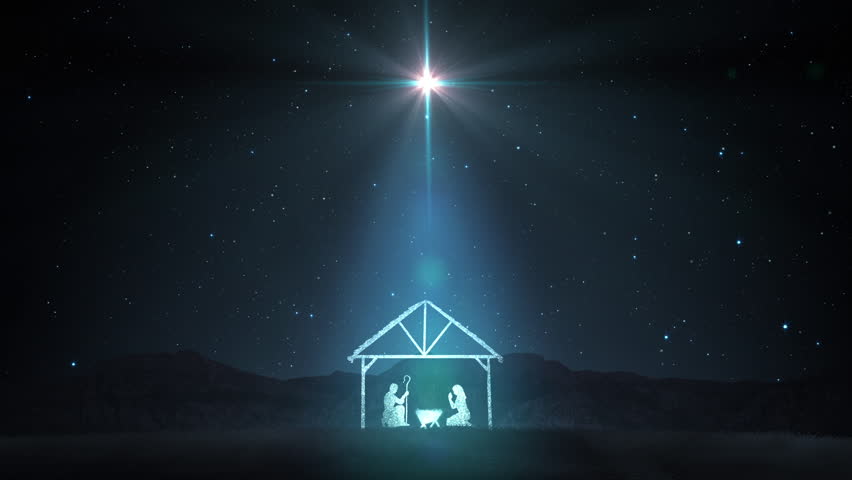
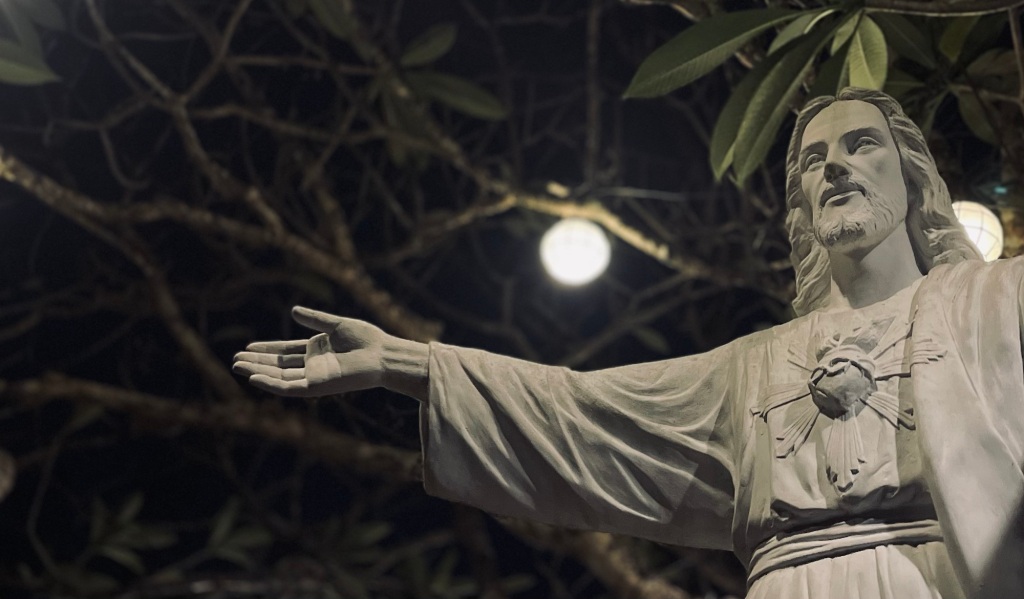
Photo by author, December 2020.

We never get used to deaths in the family; the pain becomes most painful as we move through the years especially during Christmas as if our Belen would never be complete without a St. Joseph and a Mama Mary. Of course, Christmas and life itself is all about Jesus Christ but it is a different reality and story celebrating this most joyful season without parents. Especially for a priest like me. (No drama intended.)

That is why I felt so drawn in my prayers to Judah in Matthew’s genealogy as one of the great, great, great grandfather of Jesus Christ.

In the first reading, we have Jacob nearing death while they were all in Egypt courtesy of his eleventh son Joseph who rose to power after being sold there by his brothers. Though my mother never gave such speeches when she was nearing death, all her life she used to tell us similar things when we were growing up, of how after she and dad would be gone that I must look after my two sisters and only brother, that we would not quarrel and be loving one another always. I think such habilin as we say in Filipino is common among us Pinoys along with the usual passing on or entrusting of family and properties to the eldet, either the kuya or ate.

But that’s not the case in our first reading because Judah was not the eldest of Jacob’s children with her first wife Leah. Judah was their fourth son with three elder brothers – Reuben, Simeon and Levi with a sister named Dinah. Judah also had six half-brothers from their father’s concubines or later wives: Dan, Napthali, Gad, Asher, Joseph, and Benjamin.

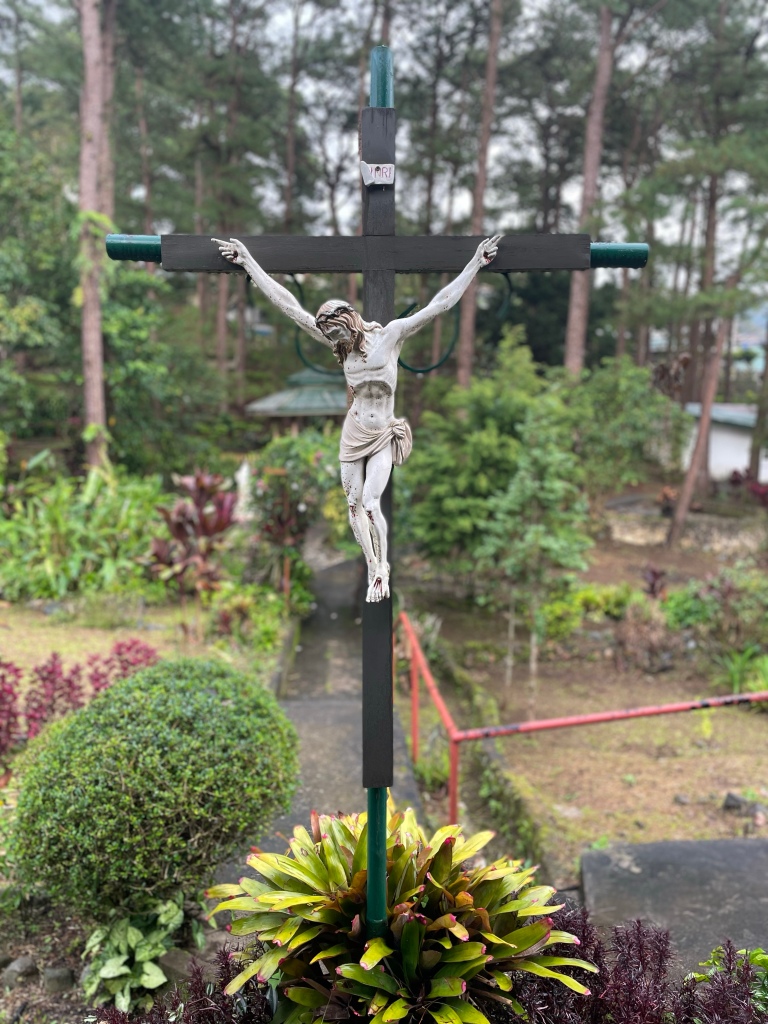
Rembrandt’s 1660 painting of “Judah and Tamar” via en.wikimedia.org

Why was Judah the one anointed by Jacob to lead his family and not the elder sons as it is the norm among Jewish and even Filipino families?

This is where the story gets most interesting: Judah’s Kuya Reuben fell from grace because he had sex with their father’s concubine Bilha whose sons were Dan and Napthali while his Diko Simeon and Sangko Levi were disqualified from leading the family after their bloody revenge for the rape of their sister Dinah.

However, that does not mean Judah was clean and honorable at all!

Matthew told us in his genealogy of Jesus that Judah’s sons Perez and Zerah (twins) were born through Tamar who was actually the wife of Judah’s eldest son Er who died without having any son. As per Jewish tradition, Judah’s second son Onan married Tamar but refused to have a son with her that he “spilled his seed” to the ground – that is, he masturbated! It angered God that he took Onan (that is why masturbation is sinful and also known as “onanism” from Onan).

After losing his two sons because of Tamar, Judah refused to give his third and youngest son Shelah to marry her. So, Tamar devised the plan of pretending a prostitute, luring Judah into bed and have her pregnant with the twins Perez and Zerah. Read Genesis 38 for the full story!

Of Jacob’s sons, Joseph was the most eligible to lead and continue Jacob’s family lineage and not Judah had no credentials at all to speak of as a great man leading his brothers, eventually becoming the father of the Jewish nation from whose name came the word “Judaism”.

“Patriarch Judah”, a Russian Orthodox painting in 1654 from en.wikipedia.org.

Remember too that Judah was totally silent and timid unlike Reuben when his elder brothers planned of killing Joseph because of jealousy; it was him, however, who thought of selling Joseph into slavery to Egypt to make some money.

Judah’s only saving grace came after more than twenty years when Joseph was already a powerful man in Egypt demanded to have Jacob’s youngest son Benjamin as his slave in exchange for them to purchase foodstuff during the famine (Gen. 42). Judah pleaded for Benjamin’s life that Joseph finally revealed himself as their lost brother after he could no longer contain his tears and joy in being reunited with his brothers anew.

Despite all these shady past of Judah, God chose him to continue the family lineage of his father Jacob from whom the Messiah, Jesus came.

Like Judah, we are not the perfect son or daughter, brother or sister in the family.

Like Judah, we are not most qualified for being the favored one or anointed one in the family or in the organization. There is always somebody better than us.

But God’s works in mysterious ways, in ways so different from our own ways. As the saying goes, God does not call the qualified but qualifies his calls. Likewise, God writes straight in crooked lines.

The Simbang Gabi invites us not only to look forward to the birth of the Messiah; in these nine days of prayers and reflections, we also look back to our past to face and embrace, admit and own those shades of darkness in our lives.

Matthew’s genealogy reminds us today that this family tree of faith in Jesus extends down the generations and includes us today. Feel and experience, most of all, celebrate that joy of belonging to God’s living family tree where every branch, every member is loved and cared for. God believes in us that he entrusted to us his Son Jesus Christ. That’s Christmas – God becoming human, infant and weak like us, entrusting himself to our care and love and protection.

This Simbang Gabi, let us remember our family members and other persons who made us feel belonging in this living family tree of Jesus. Let us also pray for those lost family members and friends that Jesus wants us to draw near to his living family tree with our friendship and warmth, forgiveness and acceptance. As you light your Christmas tree tonight, do not forget to share the light and warmth of Jesus Christ, our Tree of Life. Amen. Have a blessed Wednesday!

From Facebook, December 2023.

Christ the King, the face of suffering

Lord My Chef Sunday Recipe for the Soul, 23 November 2025
Solemnity of Christ the King, Cycle C
2 Samuel 5:1-3 ><}}}}*> Colossians 1:12-20 ><}}}}*> Luke 23:35-43

I was teasing our campus ministry head for communication last Tuesday after he had presented to me this announcement for our Christ the King celebration today. “Para namang malnourished si Jesus diyan,” I told Darwin as he scratched his head laughing during our meeting.

But, that evening after praying our gospel, I changed my mind the following Wednesday and told Darwin to go ahead with his original artwork because I have realized that the face of Christ the King is also the face of us suffering.

Photo by author, Holy Monday, 2025.

Are you not surprised that on this final Sunday of the liturgical year, we are not presented with an image of a victorious Jesus like that Cristo Rey found in every Catholic home but the gospel scene of Jesus suffering in excruciating pain there on the Cross on Good Friday?

Above him there was an inscription that read, “This is the King of the Jews.” Now one of the criminals hanging there reviled Jesus, saying, “Are you not the Christ? Save yourself and us.” The other, however, rebuking him, said in reply, “Have you no fear of God, for you are subject to the same condemnation? And indeed, we have been condemned justly, for the sentence we received corresponds to our crimes, but this man has done nothing criminal.” Then he said, “Jesus, remember me when you come into your kingdom.” He replied to him, “Amen, I say to you, today you will be with me in Paradise” (Luke 23:38-43).

Photo by author, Chapel of St. Francis Xavier, Sacred Heart Novitiate, Quezon City, 2024.

On this Solemnity of Christ the King, St. Luke invites us for the last time we hear his gospel this year to look at the face and into the eyes of Jesus crucified.

What do you see and feel in him?

Ever wondered what the rulers and soldiers saw on the face of Jesus crucified that they sneered and jeered him from below? They were so filled with pride in finally putting into shame and silence Jesus who had always spoken the truth and exposed their lies and hypocrisies.

What do we see when people are put on the spot and shamed like Jesus crucified or like the woman caught committing adultery Jesus forgave and saved from being stoned by the angry crowd? So sad that in this age of social media, public trials and condemnation have become a hobby for many without even checking the accusations are true or not.

Let us move closer to Jesus on the Cross like those two thieves hanging at each of his side: what do you see and feel about him?

Why did the other thief join those below in deriding and insulting Jesus crucified? Now one of the criminals hanging there reviled Jesus, saying, “Are you not the Christ? Save yourself and us” (Lk.23:39).

Have you ever found yourself in the ER or waiting for your turn at the doctor’s clinic with other patients also in pain and suffering? How do you see the other patients and sick people like you? Is there in your mind any tinge of suspicion why or how they got sick? The best and the worst in us come out in such times when we are so down beside another suffering brother or sister.

Or, do we choose the path of humility and sincerity of Dimas, the good thief? What did he see in Jesus there on the Cross? The other, however, rebuking him, said in reply, “Have you no fear of God, for you are subject to the same condemnation? And indeed, we have been condemned justly, for the sentence we received corresponds to our crimes, but this man has done nothing criminal” (Lk.23:40-41).

Most likely, Dimas must have heard a lot about the teachings and healings by Jesus but he felt something so unique and liberating, so personal during those dark moments of excruciating pains when he finally recognized Christ his Savior, the only true King that is why he asked to be remembered in his kingdom!

Finally, somebody greater than him there beside him, saying nothing to judge nor condemn him nor irritate him like his fellow criminal at the other side. In recognizing Jesus, Dimas also found himself as truly human, weak and finite who can only be whole and complete – saved and redeemed – in Christ who chose to be there on the Cross with him exactly as St. Paul had written in our second reading.

He is before all thing, and in him all things hold together. He is the beginning, the firstborn from the dead, that in all things he himself might be preeminent. For in him all the fullness was pleased to dwell, and through him reconcile all things for him, making peace by the blood of his cross through him, whether those on earth or those in heaven (Colossians 1:17, 18-20).

Photo by author, St. Scholastica Spirituality Center, Baguio City, August 2023.

Here we find the beauty of the Cross, of how God so perfect without any need to suffer and experience pain yet chose to go through it to express his solidarity and love for us humans.

It is on the cross when we are most able to identify and be one in Jesus Christ. That is why it is also on the Cross that we enter heaven with Jesus amid suffering and death. Jesus said today you shall be with me in Paradise – not later when we die or after three days at Easter. How lovely that Jesus never promised heaven when he was strong and freely moving around but when he was there on the cross, nailed and dying.

Jesus Christ is the King of the Universe not because of his powers and might but primarily of his being one of us in sufferings and death. It was the very feeling the tribes of Israel were telling David when they came to him in Hebron to reaffirm their allegiance to him as their king, “Here we are, your bone and your flesh” (2 Sm. 5:1).

The people we admire most are not always the best nor most powerful nor talented because often we envy them. On the other hand, we are more drawn with those down and burdened because we see in them our own brokenness, too, that it is part of life and of being human. That is why we easily empathize with those grieving or sad than with those happy or rejoicing.

Our humanity reaches its highest point and beauty when broken and weak as we realize our mortality and similarity with others in suffering needing for a Savior. We are most inhuman whenever we enjoy inflicting or causing pains on others or when rejoicing in their agonies. To proclaim Christ is the King of the Universe is to always see him in our sufferings and among those suffering too like us. Amen. A blessed week ahead of you!

Stunned

Lord My Chef Daily Recipe for the Soul, 20 October 2025
Monday in the Twenty-Ninth Week of Ordinary Time, Year I
Romans 4:20-25 <*((((>< + ><))))*> Luke 12:13-21
Photo by author, Jerusalem, May 2017.

Someone in the crowd said to Jesus, “Teacher, tell my brother to share the inheritance with me.” He replied to him, “Friend, who appointed me as your judge and arbitrator?” (Luke 12:13-14)

Lord Jesus,
I felt I am
that "someone in the crowd"
asking you to tell my brother
to share the inheritance with me
and honestly,
I felt so stunned
with your answer.

I was shocked
and surprised,
could not speak a word
to explain to you my side
of the story
but wholly,
I felt so liberated.
I felt so free,
finally.
Because your reply
was so reassuring,
with you even calling me
a "friend".
How foolish for us
to be so engaged with
material pursuits in life
that never truly give us
fulfillment
except success
which is so relative;
so true are your words,
Jesus:
"one's life does not
consist of possessions."
Lord Jesus,
teach me to let go
of my many possessions
that actually possess me
and make me unfree;
instead of possessions,
let me have relationships -
with you in others;
like Abraham,
give me the grace
to know you
so that in knowing you,
I may value the truest
treasure
that remains
forever
and ever.
Amen.

Prayer is a relationship

Lord My Chef Daily Recipe for the Soul, 09 October 2025
Thursday, Memorial of St. Denis, Bishop & Companion Martyrs
Malachi 3:13-20 <*[[[[>< + ><]]]]*> Luke 11:5-13
Photo by Dra. Mai B. Dela Peña in Athens, Greece 2017.
"For lo,
the day is coming,
blazing like an oven,
when all the proud and
all evildoers
will be stubble,
and the day that is coming
will set them on fire,
leaving them neither
root nor branch,
says the Lord of hosts.
But for you who fear my name,
there will arise
the sun of justice
with its healing rays"
(Malachi 3:19-20).
Thank you,
dearest Lord Jesus
for having come
and for coming again,
bringing healing and
wholeness to us but,
still, as the Prophet Malachi
had noted in his time,
even today there are still many
among us so tempted with
pleasures and comfort,
so carried away by materialism
and consumerism;
many of us pay lip service
to the call of our faith
with corrupt officials habitually
invoking your name, Lord
while most of us merely go through
our many religious observances
and devotions but empty in
practice of mercy and charity.
Grant us the gift
of your Holy Spirit, Jesus,
in our prayers:
"If you then,
who are wicked,
know how to give good gifts
to your children,
how much more
will the Father in heaven
give the Holy Spirit
to those who ask him?"
(Luke 11:13)
Draw us deeper,
Lord Jesus Christ,
into the mystery of prayer
not as a ritual
but as a relationship;
therefore, to persist in prayer
is not about wearing God down
but allowing our hearts
to clarify our desires
until we silently surrender
to what God knows
as best for us;
let us persist in prayers
to align our will
to God's Holy Will
so that eventually,
we knock with trust,
not fear;
we ask with boldness,
not with bargaining;
most of all,
let us receive
not just answers
but your gift of your very
SELF, Jesus!
Amen.

Fr. Nicanor F. Lalog II
Our Lady of Fatima University
Valenzuela City
(lordmychef@gmail.com)
Photo by Dra. Mai B. Dela Peña in Santorini, Greece 2017.

Keeping the faith, our rich treasure

Lord My Chef Sunday Recipe for the Soul, 05 October 2025
Twenty-Seventh Sunday in Ordinary Time, Cycle C
Habakkuk 1:2-3; 2:2-4 ><}}}}*> 2 Timothy 1:6-8, 13-14 ><}}}}*> Luke 17:5-10
Photo by author, San Fernando, Pampanga, 03 October 2025.

With all the news happening in our country made worse by recent calamities, most of us Filipinos can identify these days with the Prophet Habakkuk, crying out the same things to God:

How long, O Lord? I cry for help but you do not listen! I cry out to you, “Violence!” but you do not intervene. Why do you let me see ruin; why must I look at misery? Destruction and violence are before me; there is strife, and clamorous discord (Habakkuk 1:2-3).

The book of Habakkuk does not really tell us the reasons for the prophet’s cries directed to God. But, does it really matter at all why he was crying in pain? Like Habakkuk, we know very well these days what it feels to be like him. There has always been and there will always be many situations in our personal lives and family, nation and even in the Church that provoke us to cry out to God in distress, complaining all the evil happening when he seems to be so far or not interested.

Photo by Mr. Nicko Timbol, Chapel of the Angel of Peace, Our Lady of Fatima University, Valenzuela City, 03 October 2025.

Of course, it is not really the case here for Prophet Habakkuk nor with us. We do not complain and cry to someone who could not do anything to our plight; we cry, we reach out to those we trust and know can help us like family and friends. And God!

We find many of such complete trust and faith in God expressed in cries and laments in the Book of Psalms. Despairing calls, questions and petitions to God in the Psalms do not actually endanger the faith and trust of the believer but actually affirm them. That is why it is always good to pray the Psalms. Our Lord Jesus Christ himself prayed Ps. 22:1 while on the cross, crying out “My God, my God why have you forsaken me?” to express his deep faith in the Father in his darkest moments.

Habakkuk’s cry is very much similar with those found in the Psalms.

Most of all, Habakkuk teaches us today of God’s response to our cries, calling on us to trust him more than ever, in his Word because it shall be fulfilled for “it will not disappoint; it it delays, wait for it, it will surely come, it will not be late. The rash man has no integrity; but the just one, because of his faith, shall live” (Habakkuk 2:3-4).

Photo by author, San Fernando, Pampanga, 03 October 2025.

Keep in mind God’s final words to Habakkuk for it remains true to these days especially when we are going through difficulties and trials in life – “we shall live because of faith in God”! What a beautiful catch phrase especially at this time.

Recall how we never realize how deep and strong our faith is until we have crossed over through life’s many challenges, often without others even knowing what we have gone through. As we go through life, we continue to realize too how imperfect is our faith until our next problems and tests come.

That is why we need to pray daily to Jesus like the Apostles in this Sunday’s gospel, “Increase our faith” (Lk.17:5). See how Jesus explained faith to his Apostles and to us today.

First, Jesus clarified that faith cannot be quantified because its power does not lie in its “amount” that can be increased like torque in motor engine or similar devices for it to be powerful. That is why Jesus explained to the Twelve that “If you have the faith the size of a mustard seed, you would say to this mulberry tree, ‘Be uprooted and planted in the sea,’ and it would obey you” (Lk.17:6). Just a little amount of faith for as long as it is aligned with God and his plans, we can achieve great things in life.

Photo by Mr. Nicko Timbol, Chapel of the Angel of Peace, Our Lady of Fatima University, Valenzuela City, 03 October 2025.

This, however, does not mean that the purpose of faith is to perform wonders which brings us to Christ’s second point about faith – it is a relationship.

Faith is for service, for love and charity that is why it can result into great wonders in our lives. That is why we mentioned earlier of faith being aligned with God, being one in God. It is a gift freely given to each one of us by God for our own good. Hence, even though faith cannot be quantified, its power can be impeded and rendered useless when we are separated from God. That is why Jesus narrated the parable of the “unprofitable servants”:

“Who among you would say to your servant who has just come from plowing or tending sheep in the field, ‘Come here immediately and take your place at table’? Would he not rather say to him, ‘Prepare something for me to eat…You may eat and drink when I am finished’? Is he grateful to the servant because he did what was commanded? So should it be with you. When you have done all you have been commanded, say, ‘We are unprofitable servants; we have done what we were obliged to do'” (Luke 17:7-8, 9-10).

Many will probably find it uncomfortable that faith as a relationship is between servant and master; but, aside from the gospel milieu, it is the reality of our faith in God for we are indeed his servants working for him who is our Lord and Master.

We cannot claim anything for ourselves in this life. Everything is God’s, even our very lives, our body that many today insist as “theirs” to which they can do whatever they want including abort babies. No. We own nothing in this life and we leave everything when we die. What remains are our good works and love that still came from God!

Unlike the masters of the world who think of their own good, God is a faithful Master who thinks only of the good of his servants, of us. He does not impose on us, giving us freedom so as not to force us in doing things but act out of love like him.

Photo by Mr. Nicko Timbol, Chapel of the Angel of Peace, Our Lady of Fatima University, Valenzuela City, 03 October 2025.

Separated from God, we become worthless or useless or unprofitable servants because we find meaning only in him. When we are aligned with God, faithfully obeying his will, we are able to do the seemingly impossible because it is God working in us like forgive those who have broken our trust, love someone so difficult to deal with, relieve hunger with simple acts of kindness, work on justice where the powerful exploit the weak, remain faithful to prayer even when God seems absent. These are all acts of faith that go beyond normal expectations that reveal to us the power of God, of how deep our faith can be. That faith cannot be quantified.

Truly, as God had told Habakkuk, we live because of faith. When crises and problems seem to overwhelm us, it is to God’s faithfulness we turn to with our cries with despairing overtones that are actually expressions of deep faith and trust in him.

From Paul’s letter to Timothy in the second reading this Sunday, we get our thrid point about faith: this gift of faith is our greatest treasure that we must keep and cultivate to grow deeper, to mature in us. It is this gift of faith that gives us the “spirit of power and love and self-control, not cowardice” (2Tm.1:7).

It is faith as our treasure that gives us the reason “to live on, to live for, and to die for” borrowing the thoughts of the late dissident Swiss theologian Hans Kung. It is faith that sets things right inn our lives because as it moves us closer to God, it likewise enables us to recognize others as brothers and sisters in Christ.

Recent turn of events in our country are so frustrating and yes, very tempting to resort to violent means and measures, including speaking and writing all those expletives and curses against the corrupt. It is normal to be angry but, do we have to be cruel and harsh?

Call me conservative or simply because I am a priest – but, that is what I am that is why I am very much against violence and harsh languages in the midst of all these corruption. I never tire telling people we have proven in 1986 that non-violence works. We have to try it again. However, what we missed after EDSA 86 is we separated from God. We thought we could do it our own ways. This Sunday, we are reminded of our greatest treasure as Filipinos, our gift of faith in God. Let us live in this faith in God. After all, these corruption we see and detest started in our homes, in our schools, in our hearts when we separated from God and one another. Amen. Have a blessed week ahead. Fr. Nicanor F. Lalog II, Our Lady of Fatima University, Valenzuela City (lordmychef@gmail.com)

Our Lady of Fatima University Marketing Dept., June 2025.

Inside, outside the house

Lord My Chef Daily Recipe for the Soul, 23 September 2025
Tuesday, Memorial of St. Padre Pio de Pietrelcina
Ezra 6:7-8, 12, 14-20 <*{{{{>< + ><}}}}*> Luke 8:19-21
Photo by author, Angels’ Hills Retreat House, Tagaytay City, 19 April 2025
How amusing are
the settings of your
words today,
God our loving Father!
In the first reading
is the story of the
rebuilding of your home,
your temple in Jerusalem,
of your people's homecoming
in you while in the gospel
is the striking story of
our Lord Jesus Christ's
Mother standing outside
the house where he was
preaching.

They completed this house on the third day of the month of Adar, in the sixth year of the reign of King Darius. The children of Israel – priests, Levites, and the other returned exiles – celebrated the dedication of this house of God with joy (Ezra 6:15-16).

The mother of Jesus and his brothers came to him but were unable to join him because of the crowd. He was told, “Your mother and your brothers are standing outside and they wish to see you.” He said to them in reply, “My mother and my brothers are those who hear the word of God and act on it” (Luke 8:19-21).

How lovely,
dear Jesus
that in Hebrew
the first letter
in the word "God"
resembles a house,
or a door because
you, O Lord,
is our home,
our house;
like our home,
it is more than
walls and beams
but of relationships,
of love and kindness
that make each one of us
your indwelling.
Bless our homes,
bless our families
with your presence
always, Lord.

Through the intercession
of St. Padre Pio,
help us heed his words:
"Always be united
in the Faith
and try to be
a family according
to the heart of God."
Amen.

St. Padre Pio,
Pray for us!

Fr. Nicanor F. Lalog II
Our Lady of Fatima University
Valenzuela City
(lordmychef@gmail.com)

Discipleship is relationship not apprenticeship

Lord My Chef Daily Recipe for the Soul, 19 August 2025
Tuesday, Memorial of St. Ezechiel Moreno, Bishop
Judges 6:11-24 ><))))*> + ><))))*> + ><))))*> Matthew 19:23-30
Photo by author, RISE Tower, Our Lady of Fatima University, Valenzuela City, 09 August 2025.
God our loving Father,
today I feel like Gideon:
in our beautiful story today
of your call for him to be a judge
of your people,
you have taught me
that discipleship is not
about work like
an apprenticeship
but a relationship
because a disciple's
first task is to love you,
O Lord, our Master
that is why despite the
great dangers during his time,
Gideon continued to work
even in hiding from their enemies
because he believed in you,
he trusted you,
he loved you.
Discipleship is relationship
because it is more of
looking at you,
Lord Almighty
the Caller,
the Believer,
and the Sender
of my poor me!
Discipleship is not
about me that is why,
after that meeting with
Gideon, he built an altar
to you and called it
Yahweh-shalom.

Gideon, now aware that it had been the angel of the Lord, said, “Alas, Lord God, that I have seen the angel of the Lord face to face!” The Lord answered Gideon, “Be calm, do not fear. You shall not die.” So Gideon built there an altar to the Lord and called it Yahweh-shalom (Judges 6:22-23).

Shalom is peace
and you are our peace,
our total well-being
O God
that can only come
from a relationship
with you,
in you;
this is what your Son
our Lord Jesus Christ
tells us today through Peter,
of the need to leave everything
and everyone in order to have you.
Calm me,
Lord,
like Gideon
for only one thing is
necessary: that we remain
in you who is our peace
so that even there are
turmoils in our ministry,
we continue
because of our relationship
than of work.
Amen.
Fr. Nicanor F. Lalog II
Our Lady of Fatima University
Valenzuela City
(lordmychef@gmail.com)
Photo by author, RISE Tower, Our Lady of Fatima University, Valenzuela City, 09 August 2025.

Discipleship is prayer, a relationship

Lord My Chef Sunday Recipe for the Soul, 27 July 2025
Seventeenth Sunday in Ordinary Time, Cycle C
Genesis 18:20-32 ><}}}*> Colossians 2:12-14 ><}}}*> Luke 11:1-13
Photo by author, the “Our Father” Church outside Jerusalem where he is believed to have taught his disciples how to pray.

From the home of Martha and Mary, Jesus and his disciples proceeded on their journey to Jerusalem when the disciples saw him at prayer.

Of the four evangelists, Luke is the one who presents Jesus most at prayer, always making time to pray. The disciples noticed this importance of prayer for Jesus that they asked him to teach them how to pray.

More than teaching them the “Our Father”, Jesus again took the occasion to give the Twelve another lesson of things “to do” as a disciple we have seen in the past four weeks like greeting peace every home they visit as they proclaim the Kingdom of God is at hand (July 6, 14th Sunday); being a neighbor to everyone especially those in need in order to gain eternal life (July 13, 15th Sunday); and last week of choosing always the “only one thing needed” by every disciple which is to listen to him and his words.

This Sunday, Jesus deepens that by teaching us his disciples to always pray.

Photo by author, Jerusalem Temple, May 2017.

“And I tell you, ask and you will receive; seek and you will find; knock and the door will be opened to you. For everyone who asks, receives; one who seeks, finds; and to the one who knocks, the door will be opened. What father among you would hand his son a snake when he asks for a fish? Or hand him a scorpion when he asks for an egg? If you then, who are wicked, know how to give good gifts to your children, how much more will the Father in heaven give the Holy Spirit to those who ask him?” (Luke 11:9-13)

More than the mere recitation of a prayer like the “Our Father”, Jesus shows us this Sunday that prayer is the essence of discipleship that is also a relationship with God. That is why he began his lesson in prayer by telling the Twelve, “when you pray, say: Father” that clearly indicates a relationship.

During his time, God was regarded as Someone totally powerful, far from humans whose name could not even be mentioned for its holiness or “otherness”. When Jesus taught to call God “Abba” which is the equivalent to our “dad” or “daddy”, people were scandalized for God is above all to be accorded with the highest respect, never taken on a personal level with such terms of endearment like in human relationships.

Jesus clarified in many instances not only here that though our God is all-powerful and all-knowing, he is a person like us who relates with others, who is so loving and merciful to us he considers his beloved children because he is our Father. Here we find Jesus already bringing God closest to us not only as “God-with-us” but also “God-in-us” so close with each of us as our breath in the Holy Spirit! Jesus proved all these teachings on Good Friday when he died on the Cross.

Photo by author, a bass relief of Jesus Christ’s “agony in the garden” at Gethsemane, May 2019.

Prayer as a relationship is more than telling God what we need which he already knows even before we pray; prayer is more of listening to God for what he wants from us which is to become one in him in Jesus Christ.

I have realized even before my ordination to the priesthood that Jesus calls us not really for tasks he wants us to do but primarily that we may be one in him in an intimate relationship. That is why since my theological studies, I have stopped praying anything for me because God knows what I need most; I pray more for my family and friends while praying only one thing for me – that in every here and now, I am in him until my death.

This intimacy with God in prayer calls for openness that after teaching them the Our Father, Jesus encouraged the disciples to persevere in prayer with a parable of a friend asking for bread, “I tell you, if he does not get up to give the visitor the loaves because of their friendship, he will get up to give him whatever he needs because of his persistence” (Lk.11:8).

Perseverance in prayer is not a kind of “holy nagging” of God in order to change his mind so that he gives our requests. Perseverance in prayer opens us to God’s gifts and plans we acquiesce to with joy. Many complain of God not granting their prayers when in fact, the problem is many hardly pray at all, wearing God with their words without listening to him who has better plans for us by giving us something better than what we are asking for!

Photo by author, a bass relief of Jesus Christ’s “agony in the garden” at Gethsemane, May 2019.

And the best we can have is always him – God himself.

See how Jesus used the transitive verbs “to ask” and “to seek” that both require a direct object when he simply declared “ask and you shall receive, seek and you shall find.” What shall we ask for or seek at all? He did not indicate its direct objects because the answer is only God, as in ask only for God, seek only God.

When we are open to God and into a relationship in him, we are fulfilled, needing nothing at all except him who is everything.

Prayer changes us, not things and situations. There will always be sickness and death, calamities and trials in our lives which prayer cannot prevent from happening. What prayer does is make us stronger in dealing with the storms in our lives, making us better persons and disciples.

No saint had become holy without prayer which is the gateway and foundation of discipleship. This is the whole point of Abraham “bargaining” with God in the first reading: Sodom and Gomorrah were eventually destroyed because no one was left praying and therefore, no one was doing good in the forsaken cities. In their lack of any prayer at all, they have become insensitive of others and of nature that led to their destruction. These are the same dangers our present generation is falling into – a complete disregard of God and others including nature. We have become insensitive of our selves, of others and of the world that we find it so bad, so filled with evil, and so sick. How sad that fewer and fewer people are left praying with so many others not having any qualms at all in missing the Sunday Mass these days.

I have always loved this photo by our friend Ms. JJ Jimeno of GMA-7 News of a man who seemed to have lost his head in deep prayer inside the Prayer Room of the Holy Sacrifice Parish in UP Diliman last June 2019.

Prayer makes us sensitive of God, of our self and of others where we discern what is good and evil, learning what God has in store for us. The more we pray, the more we become sensitive of ourselves and of others and of the world. Yes, we lose ourselves in prayer so that it is Christ who lives in us as St. Paul asserted (Gal.2:20). Contrary to claims by some, prayer is not a flight from reality but actually a dive into the true realities of life as St. Paul tells us in today’s second reading: when we are “raised to life in Christ” (Col. 2:13) in prayers, we are abled to follow Jesus with our own crosses sustained by the gifts of the Holy Spirit in making our society more humane and just.

When we pray, we lose ourselves and we are filled with God so that his kingdom comes when his will is done here on earth as it is in heaven. Amen. Have a blessed week ahead, everyone!

Fr. Nicanor F. Lalog II
Our Lady of Fatima University
Valenzuela City
(lordmychef@gmail.com)

Sana dalawa ang puso…natin?

Lord My Chef Daily Recipe by Fr. Nicanor F. Lalog II
Sacred Heart Novena Day 4, 21 June 2025
Detalye ng painting ng Sacred Heart of Jesus sa Visitation Monastery, Marclaz, France mula sa godongphoto / Shutterstock.

Siguro napakanta kayo sa pamagat ng ating pagninilay ngayong araw na buhat sa 1992 hit ng yumaong si Bodjie Dasig at ng kanyang Law of Gravity na Sana Dalawa ang Puso Ko (ginawa din itong pelikula noong 1994 starring Dina Bonnevie, Alice Dixson at Rustom Padilla).

Usiginanga… kantahin nga natin:

Sana dalawa ang puso ko
Hindi na sana nalilito kung sino sa inyo
Sana dalawa ang puso ko
Hindi na sana kailangan pang pumili sa inyo

Maraming naging bersiyon ang kantang iyon kasi nga bukod sa maganda ang tono, e talaga namang paborito ng maraming “nalilito” sa pag-ibig kungdi sa kungdi sa buhay mismo.

Subalit ang mabuting balita ngayong ikaapat na araw ng ating Nobenaryo sa Kamahal-Mahalang Puso ni Jesus ay batid mismo ito ng Panginoon – ang ating kalituhan sa buhay na kanyang tinatalakay sa ebanghelyo ngayon.

“Walang makapagilingkod nang sabay sa dalawang panginoon sapagkat kapopootan niya ang isa at iibigin ang ikalawa, paglilingkuran nang tapat ang isa at hahamakin ang ikalawa. Hindi kayo makapaglilingkod ng sabay sa Diyos at sa kayamanan” (Mateo 6:24).

Larawan kuha ng may-akda, Sacred heart Novitiate, Marso 2024.

Ginamit na kataga sa English translation ng bahaging ito ng ebanghelyo ang orihinal na kataga na “mammon” – You cannot serve both God and mammon.

Kung tutuusin sabi ng mga dalubhasa sa bibliya, walang tiyak na translation ang “mammon” at naging pakahulugan na lang ang kayamanan at pera o salapi. Ayon sa kanila, malawak at kumplikado ang sinasaad ng “mammon” katulad ng ano mang labis (excess) at imbalance o kawalan ng balanse sa mga bagay-bagay na nagdudulot ng pagkakasakit at kawalan ng katarungan.

Alalaong-baga, ang “mammon” gaya ng ano mang labis at sobra ay nakakasama at nakakasira sa ating pagkatao. Maaring ituring ang pagkain at inumin o kahit anong bagay na mabuti ngunit sumasama kung sumosobra. Ang “mammon” ay ano mang bagay na nakaka-addict na ayaw na nating bitiwan hanggang sa malunod o malulong na tayo at malimutan natin ating sarili pati mga kapwa natin.

Totoo naman na kailangan natin ang pera upang makapag-aral, magkaroon ng damit at ng makakain ngunit kapag ito at iba pang mga bagay maging mga tao na ang ating pinapanginoon, ang mga ito ay nagiging mammon. At kung magkagayon, mas malamang na hindi malayo na tayo ay nagkakasala o namumuhay sa kasalanan. Kaya kailangang matukoy natin ang ating mga “mammon” bago maging huli ang lahat at masira na ating buhay sa kasalanan.

Larawan kuha ng may-akda, Sacred heart Novitiate, Marso 2024.

Gayon din naman, hindi pa rin sapat na matukoy lamang natin ang iba’t ibang “mammon” at mga kalabisan sa buhay natin. Mahalaga ring makita ang sitwasyon ng buhay ngayon na kung saan ang Diyos ay binabale-wala at ang mga turo ng Simbahan maging ano mang kabutihan ay pinagtatawanan.

Ito pinakamahirap sa ating panahon ngayon na namumuhay tayo sa gitna ng maraming makabagong teknolohiya na nagbubunsod ng mga kakaibang kamalayan at kaisipan kung saan ang lahat ay sinusukat na lamang sa pera at kapakinabangan. Hindi lamang nangingibabaw ang mga materyal na bagay at lahat ng uri ng “mammon” kungdi wala na rin ang Diyos sa usapan.

Tawag dito sa Ingles ay “dissonance” o mawala sa tono tulad ng sa musika. Hindi ba ganito ang buhay nating ngayon, wala sa tono?

Sa ating pagsisikap na mamuhay ayon sa ebanghelyo, lumago sa espirituwalidad at maging banal gaya ng panawagan ni Jesus sa ating lahat, kitang-kita at damang-dama natin na napaka-hirap nito. Palaging nakasalungat ating mga pahalagahan o values sa pinahahalagahan at patakaran ng mundo na ang gusto palagi ay maging mayaman at makapangyarihan, maging sikat at kilala, maging malaya sa maling paraan kayat ang panawagan ng marami ay diborsiyo at abortion, pati na rin same sex marriage.

13th Day Devotion sa Our Lady of Fatima University CAS Chapel, Agosto 2023.

Subukan mong ituro o magsalita ukol sa katapatan sa pag-aasawa, ang kamalian ng pakikipagtalik sa kapwa lalake o babae, ang karapatan ng mga sanggol sa sinapupunan at ikaw ay pagtatawanan, lalaitin at kukutyain habang pinagsasabihan ng lahat ng pangalan mula kosnerbatibo o makaluma, Pariseo, at nagmamalinis.

Balikan ating mga pagbasa nitong lumipas na isang linggo na ang mga paksa ay salungat sa gawi ng kasalukuyang daigdig tulad ng pagmamahal sa kaaway, pagiging bukas-palad, at pagdarasal tuwina.

Sa mundo ngayon, ang binibigyang halaga palagi ay kaginhawahan, kung ano ang madali at kalugod-lugod. Ultimo ang pagtanda ay tinitingnang kapintasan at sakit na kinatatakutan kaya lahat ay gustong manatiling bata.

Noon pa man ay napansin na ito ni San Pablo ngunit para sa kanya, walang saysay ang ipagyabang ating husay at galing bagkus dapat nating ikatuwa ang mga sakit at pagtitiis na pinagdaraanan sa ngalan ng Panginoon.

ganito ang kanyang (Panginoon) sagot, “Ang tulong ko ko’y sapat sa lahat ng pangangailangan mo; lalong nahahayag ang aking kapangyarihan kung ikaw ay mahina.” Kaya’t buong galak na ipagmamapuri ko ang aking kahinaan upang palakasin ako ng kapangyarihan ni Cristo. Dahil kay Cristo, walang halaga sa akin kung ako ma’y mahina, kutyain, pahirapan, usigin, at magtiis. Sapagkat kung kailan ako mahina, saka naman ako malakas (2Corinto 12:9-10).

Mismong ang Panginoong Jesus ito rin ang naranasan noong siya ay pumarito sa lupa. Hanggang sa Krus hindi siya tinantanan ng diablo sa panunukso, pilit na hinahati kanyang puso at kalooban upang talikuran ang Ama sa langit kasama na tayong mga tao.

Larawan kuha ng may-akda, Sacred Heart Novitiate, Novaliches, QC, 20 Marso 2025.

Subalit nanatiling matatag si Jesus. Ni minsan hindi niya naisip na sana dalawa ang kanyang puso sapagkat sa kanyang Kamahal-Mahalang Puso, iisa ang nanatiling tuon at laman.

Ngunit pagsumakitan ninyo nang higit sa lahat ang pagharian kayo ng Diyos at mamuhay nang ayon sa kanyang kalooban, at ipagkakaloob niya ang lahat ng kailangan ninyo (Mateo 6:33).

Nag-iisa lang ang ating puso dahil nag-iisa lamang tayo sa Puso ni Jesus. Bawat isa sa atin ay kanyang pinakamamahal.

Sa atin bang puso, si Jesus din ang ang pinaka-mamahal? O, nahahati na rin ang puso natin, namamangka sa dalawang ilog?

O Jesus na mayroong
maamo at mapagkumbabang Puso,
Gawin Mong ang puso nami'y
matulad sa Puso Mo!
Amen.

The God we delightfully await

Lord My Chef Sunday Recipe by Fr. Nicanor F. Lalog II
Solemnity of the the Holy Trinity, Cycle C, 15 June 2025
Proverbs 8:22-31 ><}}}}*> Romans 5:1-5 ><}}}}*> John 16:12-15
Photo by author, Hidden Spring Resort, Calauan, Laguna, 20 February 2025.

We resume the Sundays in Ordinary Time with the Solemnity of the Holy Trinity today that is the highest truth in our Church teachings often referred to as a “mystery” or something so difficult to explain and understand.

We find this context of “mystery” right in our gospel this Sunday that takes us back again to the Last Supper scene as in the final Sundays of Eastertide.

Jesus said to his disciples: “I have much more to tell you, but you cannot bear it now. But when he comes, the Spirit of truth, he will guide you to all truth. He will not speak on his own, but he will speak what he hears, and will declare to you the things that are coming” (John 16:12-13).

Photo by author, Hidden Spring Resort, Calauan, Laguna, 20 February 2025.

What is the “more” Jesus has to tell his disciples that include us today which we cannot bear, that we need to be guided by the Holy Spirit?

“I have much more to tell you, but you cannot bear it now.”

As we have learned in the scriptures especially during the Holy Week and Easter, Jesus was speaking at that time of his life and death prefigured by his Last Supper. He was preparing his disciples to do the same as he expressly said after washing their feet.

It is the same lesson Jesus teaches us every Sunday in the Holy Eucharist, of how we his modern disciples must learn to offer our lives with others which is what the Holy Trinity is all about – a sharing and giving of life of the Three Persons in One God. Unity happens only in the total union of one’s self-giving.

This is the mystery of our personal or relating God revealed to us slowly through time, from the Old Testament that reached its highest point in Jesus Christ in the New Testament that continues to these days because each one of us is a reality of the Holy Trinity.

This Holy Trinity sharing and mutuality of Persons in One God is an ongoing lesson we undergo as disciples of Jesus because like the Apostles, we too continue to cling to life, finding it so hard to let go and let God.

Photo by author, Sacred Heart Novitiate, Novaliches, 20 March 2025.

As we move on with life, we realize that life is not in clinging but in dying and letting go, in giving and sharing than having or taking or keeping. We realize as we age and mature that more than the wealth and recognition we all aspired for when younger were nothing but a waste in life because what really matters most is our relationships – with God and with others.

It is a lesson that unfolds to us every day, getting better as we age, when we look back to our past especially to our very roots like our parents with whom we find not only proximity and intimacy but most of all, delight and pride in being one with them. This is exactly what the first reading is telling us about Wisdom said to be the personification of Jesus Christ as the Second Person of the Trinity who is one with the Father:

Thus says the wisdom of God: “The Lord possessed me, the beginning of his ways, the forerunner of his prodigies long ago; from of all I was poured forth, at the first, before the earth… When the Lord established the heavens I was there, when he marked out the vault over the face of the deep… then was I beside him as his craftsman, and I was his delight day by day, playing before him all the while, playing on the surface of his earth; and I found delight in the human race” (Proverbs 8:22-23, 27, 30-31).

Photo by Mr. Boy Cabrido, EDSA 1986 People Power Revolution.

Life and man are all a mystery. Many times there are no easy answers to our many questions in life. There are times when our questions in life are actually answered in deaths like in the passing of our loved ones. Most of all, many questions in life can never be answered at all.

But, the joy of living is in still asking more questions. Man is known more in the questions he asks because the answers he gives are often wrong or off-tangent. When we ask the right questions, even if we do not arrive at the right answers, somehow we get a grasp or glimpse of the bigger realities and mysteries of life, of the things to come that Jesus tells us today.

I have always been curious as a child, always asking my father on the various things I heard from him and my mother or from the television and later from books I have read. After explaining things to me or passages I have read that I still could not understand, daddy would assure me that “pag-tanda mo maiintindihan mo rin yan.”

Those are my fondest memories of childhood with my father – the delight of learning, of discovering, of understanding. Now that I am a priest and a senior, there is still that deep joy and delight in searching and asking because like what Jesus said, there is so much more to learn in this life and in our very selves. There is that desire and attraction within that leads us outside our very selves to search for more meaning – like resulting from faith and hope in God as reflected by St. Paul speaks in the second reading wherein the Holy Spirit leads us to the glory of God.

Photo by Ms. Ria De Vera in Delia, Alberta, Canada, 03 June 2025.

A senator recently made a mockery of the Holy Spirit, claiming his move to dismiss the impeachment complaint as a leading of the Holy Spirit. Making things worst and most unbelievable is the fact that another senator, son of a founder of a local church and preacher played a real devil in quashing efforts to find the truth about the charges of corruption against the Vice President of the Republic.

Clearly, it was not of the Holy Spirit but more of the devil that is divisive and most untruthful, totally unmindful of our relationships as a nation.

The “more” that Jesus speaks of in sending us the Holy Spirit is for each of us to realize our being a Trinity in our very selves, our connectedness as one in God. It is sad that for many, the Blessed Trinity does not really matter that much for them to appreciate or even understand. For many, it is enough to believe in God just like the others in various religions and sects or worst, like those who do not care at all about God except that they “believe” in a Supreme Being.

As we resume the Sundays of Ordinary Time, this Solemnity of the Holy Trinity evokes the most concrete reality of God, that he is a Person like a Father who is the giver of life because he is life himself with whom alone we owe our lives. This we realize and experience in the Son Jesus Christ who became like us humans so we may become like him again as divine, with honor and dignity. It is the Holy Spirit, the third Person of the Trinity who guides us to more realities and truth of this loving God so immense, delighting us in awaiting our union in him. Let us pray:

Come, Holy Spirit!
Fill our hearts with that
desire to continuously await
God's coming in Jesus Christ,
as we delight in a life of
giving and sharing,
of caring and kindness,
of mercy and forgiving
until that day we shall be one
in the Father in heaven
in his love.
Amen.

Happy Father’s Day too!