Our “Bestest” Gift of Christmas

Quiet Storm by Fr. Nicanor F. Lalog II, 30 December 2019

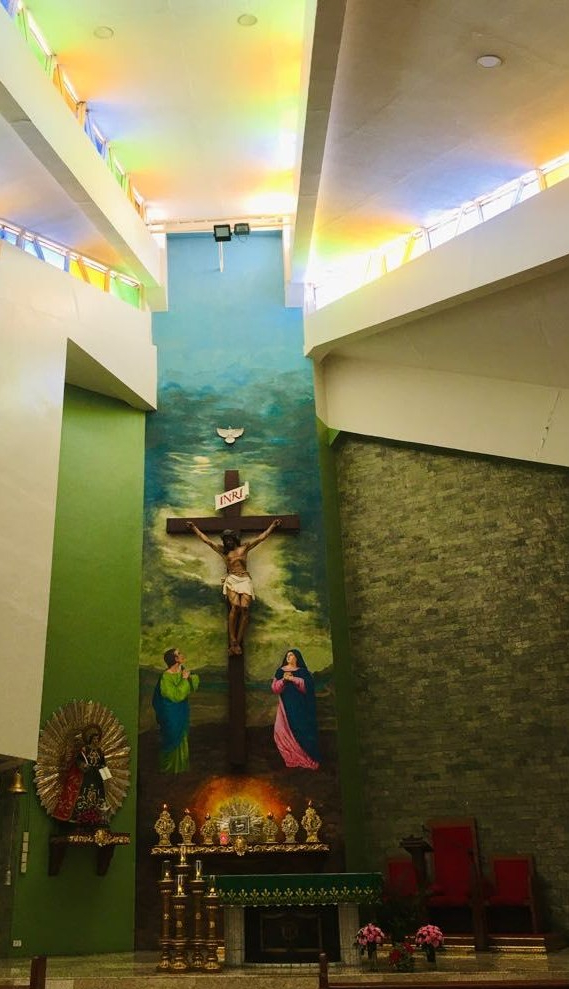
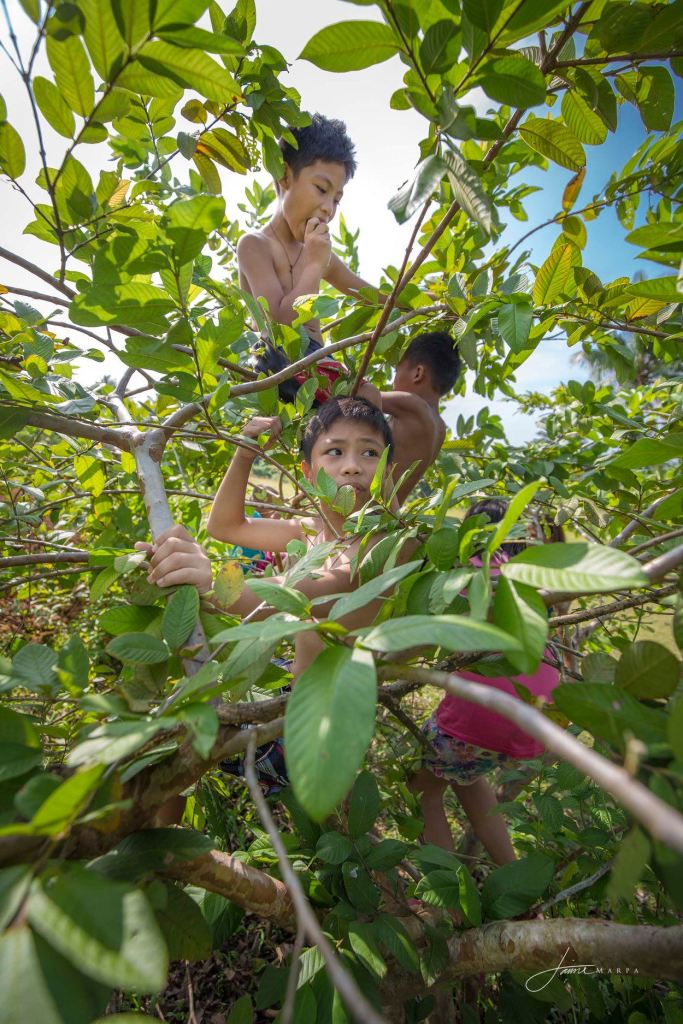
Photo by Mr. Jim Marpa, Carigara, September 2019.

Today we conclude our series on the best Christmas gifts we have received following Christ’s coming more than 2000 years ago: the gift of childhood, of being child-like.

What a joy to keep in mind how God the Almighty chose to become human like us to show us that the path to true greatness and power is in becoming small like an infant, being like a child.

How foolish that we always “play” God to be great and powerful!

The central mystery of Christianity is our transformation from world-wise, self-sufficient “adults” into abiding children of the Father of Jesus by the grace of the Holy Spirit. All else in the Gospel, from the Incarnation of the Lord to his hidden and public lives, his miracles and preaching, his Passion, Death and Resurrection has been for this, of becoming like a child.

The late Cardinal Hans Urs von Balthasar, “Unless You Become Like this Child” (1991, Ignatius Press)

The child-like attitude of Jesus Christ

The best gift we can have this Christmas is to be child-like, to regain and reclaim our sense of childhood, of attending to that “inner child” within us when we trust more, believe more!

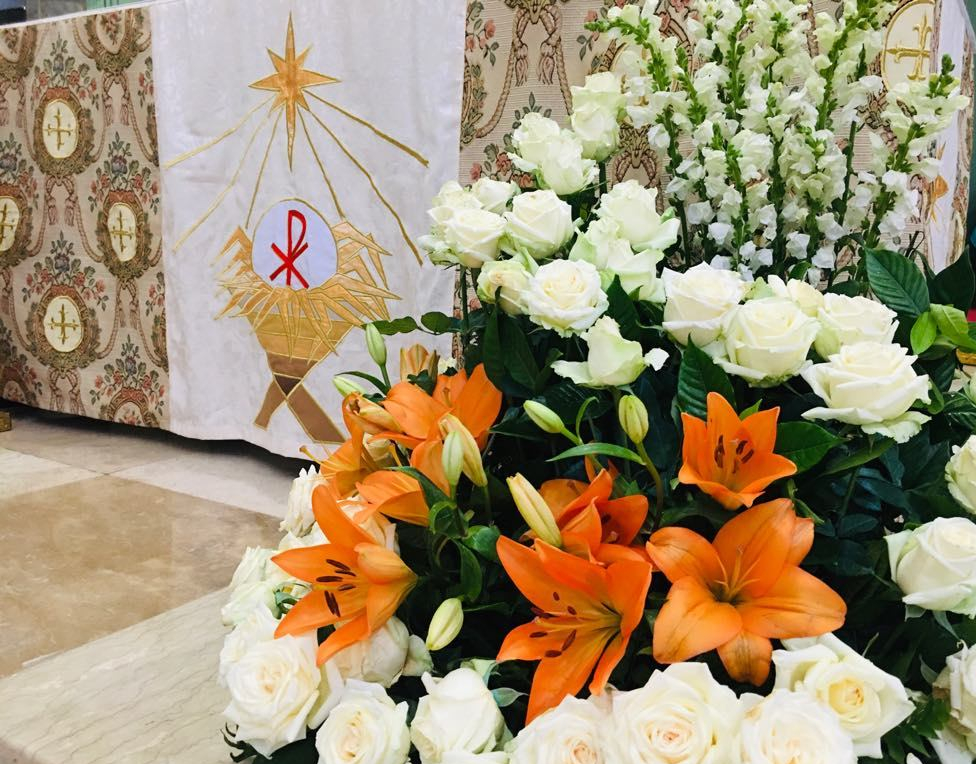
Photo by Mr. Jim Marpa, Carigara, September 2019.

See how Jesus Christ entrusts himself not only to his Father but most of all to us!

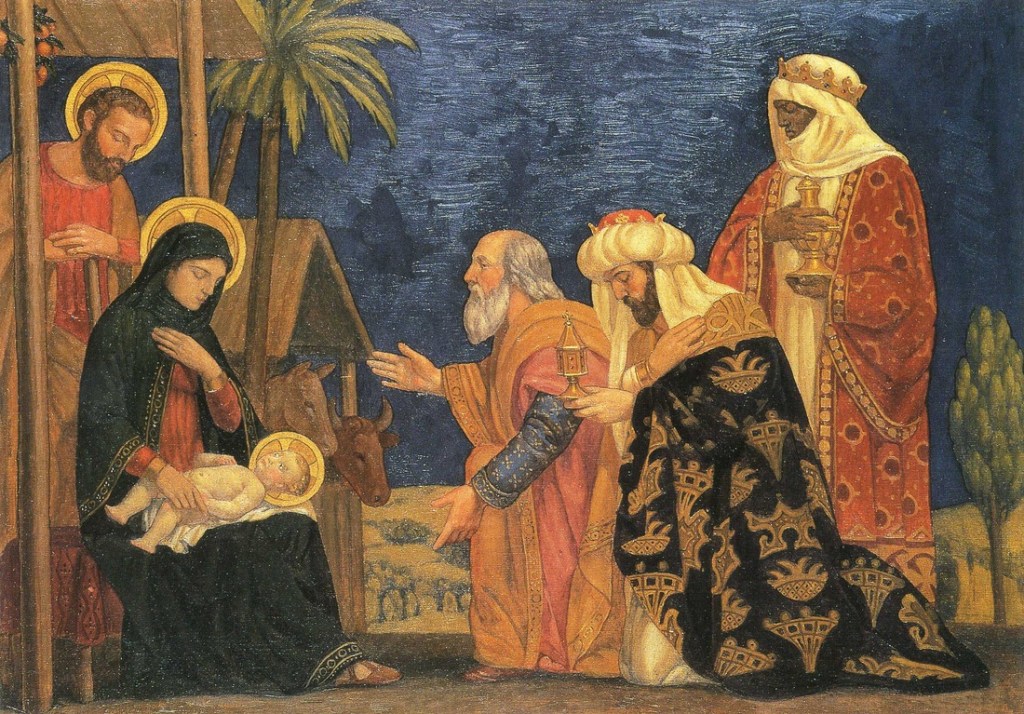
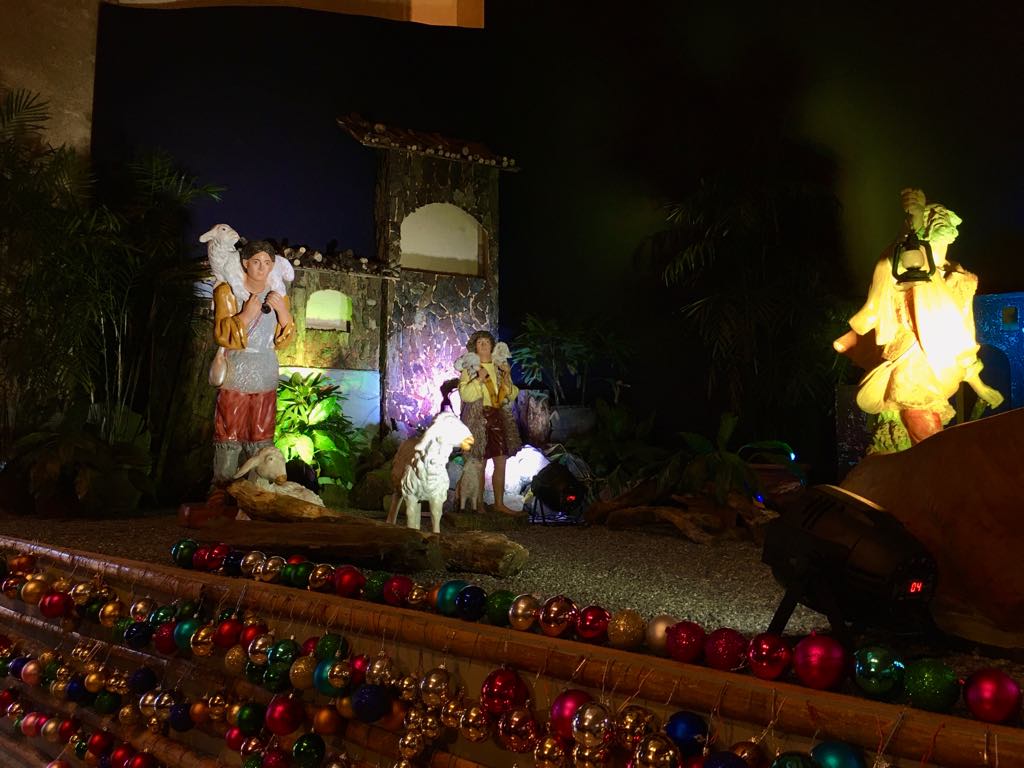
That is the touching message of the Nativity scene, of how our Lord and God, the King of kings through whom everything was created giving himself to us like a baby, asking us to love him, to take care of him, to be gentle with him, to protect and keep him safe from all harm.

And the key to claiming this great gift of being like a child is for us to learn again how to trust more and fear less like Jesus who showed us by example, not only with words his being child-like.

His constant acknowledgement of God his Father always speaking and doing his will tells us how Jesus from childhood into is adulthood remained like a child by entrusting his total self to God, reaching its highest point on the Cross when he cried out, “Father, into your hands I commend my spirit” (Lk.23:46).

Trust more, fear less

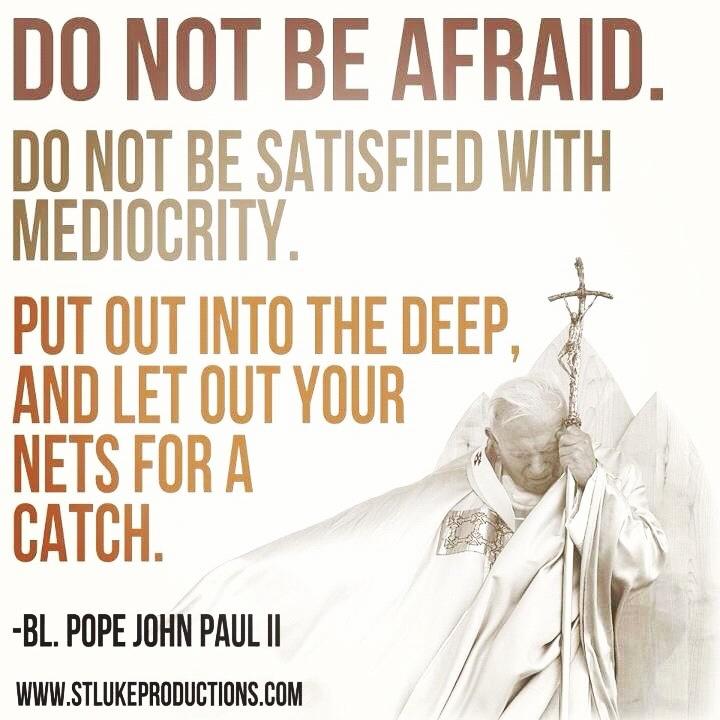
To be like a child according to the example of Jesus Christ is to always trust God and others, and fear less.

Like us, Jesus experienced fears, getting afraid of death but unlike us, he courageously faced death by trusting the Father by “resolutely” going to Jerusalem to be crucified!

When the days for his being taken up were fulfilled, Jesus resolutely determined to journey to Jerusalem.

Luke 9:51

It is normal to have fears, to be afraid.

Fear is not totally negative; it has its good effects that have actually led mankind to every great progress in life like the discovery of new lands and territories, new medicines, new inventions and other things. 

Fear becomes a liability when it prevents us to trust more like little children. 

Photo by Mr. Jim Marpa, 2018.

Kids and young people are often “positively” fearless because they trust so much nobody would hurt them or no one would forsake them. 

As we age, our fears increase because our trust decreases:  we fear so many things because we are afraid of losing the little we have, we are afraid of getting hurt, we are afraid of starting all over again.

We are afraid of getting old, of getting sick, and of dying. 

What an irony how we started in life fearing almost nothing as babies and kids that we grew up so fast but as we aged and matured, we fear so many things that we have stopped growing and stopped living even long before we actually die.

The other day, December 28, we celebrated “Niños Innocentes” or “Holy Innocents” to remember those male children below two years old ordered killed by King Herod for fears of the “newborn king of Israel.” 

Herod lived in constant fears of being deposed in power that he ordered the killing of his three sons and ten wives after suspecting them of trying to overthrow him.

We may not be like Herod with the way we react with our many fears but like him, we end up with same effects like death of friendships, death of love, death of everything, the end of life and adventure.

Maybe that explains why somehow as we get older, we “mellow” and become like children again, realizing we cannot control everything in life, that it is always best to act than to react in every situation.

Do not miss out this great gift of Christmas of becoming like a child.

Trust Jesus Christ who called on us not to be afraid for he is with us always!

God among us in our family

The Lord Is My Chef Sunday Recipe for the Soul

Feast of the Holy Family, 29 December 2019

Sirach 3:2-7, 12-14 ><}}}*> Colossians 3:12-21 ><}}}*> Matthew 2:13-15, 19-23

One of the many bas reliefs at the Cavern Church complex in Cairo, Egypt where the Holy Family fled to escape Herod’s wrath when he ordered the murder of all male children below three years old after learning from the Magi the birth of the “new king of the Jews”.

Among the celebrations during this Christmas Season, the Feast of the Holy Family is something peculiar because it was not borne out of liturgical origins but more of the changing times in the past 126 years since it was first celebrated as a devotion.

In the beginning, it was designed to counteract the growing attacks against family life and morality of the rapidly changing times.

Since 1969 when Vatican II designated its feast to be celebrated within the Christmas octave, the feast of the Holy Family has proven to be a major contribution in helping us understand the mystery of the Lord’s nativity in our modern time.

When the magi had departed, behold, the angel of the Lord appeared to Joseph in a dream and said, “Rise, take the child and his mother, flee to Egypt, and stay there until I tell you. Herod is going to search for the child to destroy him.” Joseph rose and took the child and his mother by night and departed for Egypt. He stayed there until the death of Herod, so that what the Lord had said through the prophet might be fulfilled, out of Egypt I called my son.

Matthew 2:13-15
A diptych mosaic depicting the story of the flight to Egypt of the Holy Family on the walls of the Saint Virgin Mary’s Coptic Church in Cairo, Egypt beside the Cavern Church. It is one of the oldest churches in Egypt that dates back to the third century.

Christmas, a living story continuing in our family

The feast of the Holy Family reminds us that Christmas is a living story that continues to this day wherein God comes first in and through our family.

We go back to Matthew’s gospel to hear again the important role of Joseph not only in taking Mary as his wife in order to give name to Jesus but also to protect them from all harm.

We have seen during Christmas how Jesus had always been subjected to suffering right in his mother’s womb when Joseph and Mary have to travel from Nazareth to Bethlehem to comply with Augustus Caesar’s directive to all subjects of the empire to register.

Now, they have to travel outside Israel to flee to another country to escape the murderous plot of Herod against Baby Jesus.

We have heard again the continuation of Joseph’s mission revealed again to him by an angel in a dream. But, Matthew added something very interesting that is the key to understanding our gospel today and our feast of the Holy Family.

He (Joseph) stayed there until the death of Herod, so that what the Lord had said through the prophet might be fulfilled, out of Egypt I called my son.

Matthew 2:15
Entrance to the Cavern Church where the Holy Family lived for about three years while in Egypt before going back to Israel.

Remember Matthew’s audience and followers were Christians of Jewish origins.

The Holy Family’s flight to Egypt is very similar to the story of Jacob’s migration into that country during the great famine when one of his sons, Joseph the dreamer, became a governor there.

Many years later, the Egyptians would make them suffer that God sent them Moses to bring them back to the Promised Land through Exodus that has become the single most important date in their entire history. Also known as the “passover”, it was at that time when Israel passed over from slavery in Egypt into freedom in the Promised Land.

But, the result was not favorable because after settling back into the Promised Land, the people would repeatedly break God’s covenant by worshipping foreign gods and idols that eventually led to their Babylonian exile, not to mention the division of the kingdom into two after David’s death.

By citing a prophecy by Hosea, Matthew is now telling us how Jesus, the Son of God, is the new beginning of fidelity to the covenant. Like Moses, God took out Jesus from Egypt; but greater than Moses and unlike him, Jesus would never be unfaithful to the covenant.

As the new beginning not only for Israel but also for the whole world, Jesus in fact passed us over from sin to grace with his own passover or pasch – his Passion, Death and Resurrection.

Welcoming Jesus in our family through our love and care for each member

The family is the basic unit of every society. Destroy the family, we destroy the society. Eventually, we destroy our nation.

The same is true with us in the Church: the family is a domestic church. Jesus comes first in our family.

But how can he now come when our family is disintegrating, when it is right in the family where women and children are first abused?

How can Jesus come in our family when we have lost all senses of the holy, of God that we no longer pray and gather together in the Sunday Mass and other sacraments?

See how the giant flatscreen has become every family’s altar and deity, replacing the Christ the King or any other Poon in our homes. Malls have replaced our places of worship. Worst of all, the great feasts and seasons of Christmas and Easter have become so commercialized, reduced to become our modern excuses for much needed breaks and supposed family bonding in beaches and abroad.

The Holy Family’s flight to Egypt brought them closer with one another and most especially with God. Unfortunately, our own “flight to Egypt” has become our excuse to leave God behind and focus more with our own lives.

A portion of a larger mix of bronze reliefs on one of the doors of the Duomo Cathedral in Florence, Italy depicting the harsh conditions the Holy Family have to face in Egypt while escaping Herod. Photo by Ms. Janine Lloren, 2015.

A friend had shared this photo with me which she had taken while on a trip in Italy, home to thousands of our OFW’s who, like the Holy Family, have to leave our country to find life, to escape “death”.

Like Jesus, Mary, and Joseph, God “sends” us out to our own, different “flight to Egypt”, pulling us out from the comforts of our family and home, career and other comfort zones in order to gather ourselves so we can start anew in Christ to be more free to love and be faithful to him and our loved ones.

Many times in our lives, separations and other adversarial situations make us better persons, enabling us to be more fruitful in life than just having everything for granted and so easily.

The adversarial conditions the child Jesus have experienced very early on – from his birth to early childhood in Egypt – strike many similarities with our situations today.

It is hoped that with this Feast of the Holy Family, we may be reawakened again with our sense of mission in bringing Jesus Christ more present especially when life is threatened, when persons are denied of justice and freedom.

May the first and second readings remind us that every relationship we have here on earth, starting in our families must always be based on our relationship with God our Father. Amen.

Best gifts of Christmas

Quiet Storm by Fr. Nicanor F. Lalog II, 27 December 2019

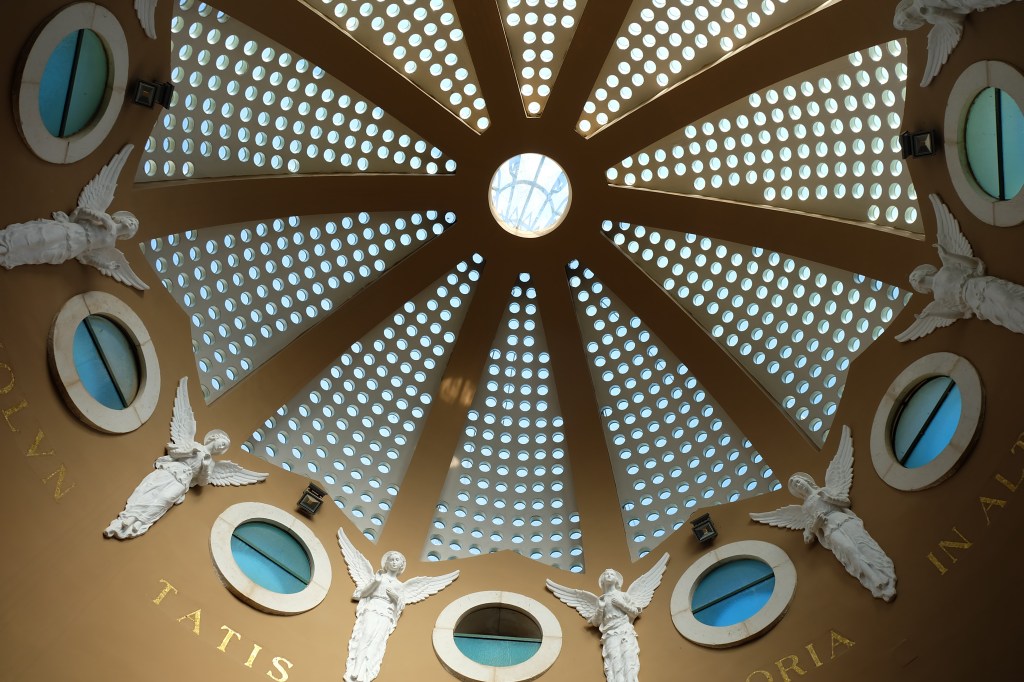
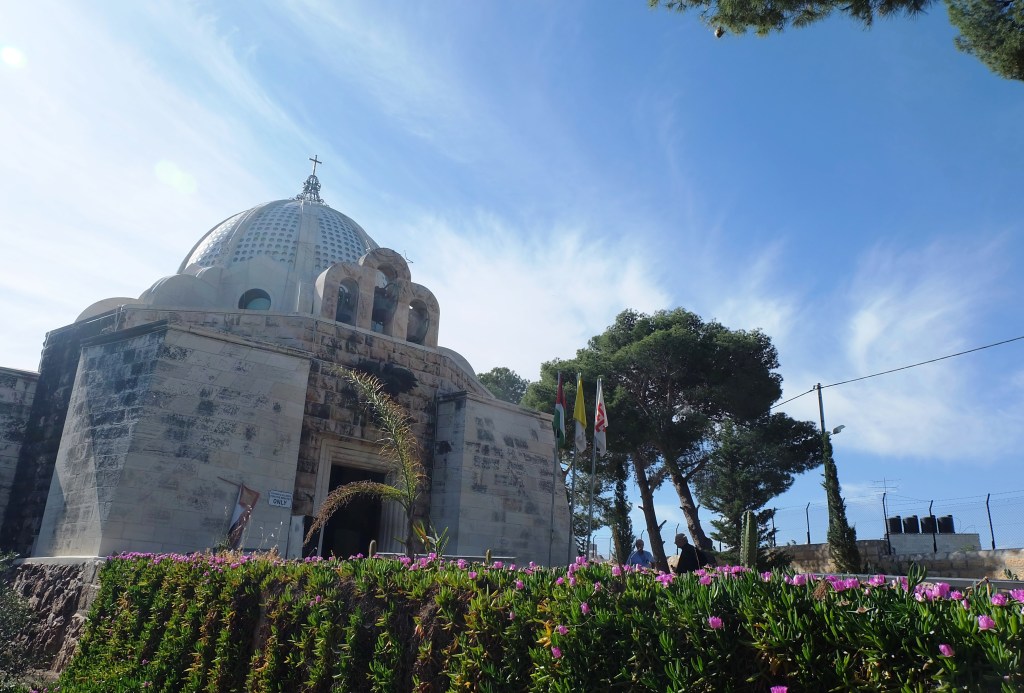
Dome of the chapel at Shepherd’s Field near Bethlehem where the angels appeared to some shepherds to announce the birth of Jesus Christ more than 2000 years ago.

By this time, many of you must have opened the gifts you have received this Christmas. Some are happy, some are not – even disappointed – while there are others who simply do not care at all with the gifts they have received.

But gifts are not everything. What really matters most are the persons and the love and thoughts that come with every gift we have received this blessed season.

Below are some spiritual gifts I feel we need to be thankful too!

The “little door” that leads into the Church of Nativity in Bethlehem that has come to mean the need to bow low and be humble in order to meet Jesus Christ not only inside but also in our daily life. Photo by author, May 2019.
  1. The gift of hope. Hope is not thinking positively that things can get better like the weather. Hope is having a firm belief that even if things get worst, there is God who always loves us, who takes care of us. People with hope always look forward in the future whether here or in eternal life. They are also the most loving people around, the most understanding and most forgiving. They always strive, work hard to make things better for them and for others. Those without hope are the most evil: they will kill and destroy everything and everyone because they have nothing to look forward to in this life or hereafter. The kind of life we live always indicates the kind of hope we have. Or do not have.
  2. The gift of desert. Sometimes, life becomes a desert for us, when we are desolate and so barren with everything dry and even lifeless. But it is during our desert moments in life when we not only meet our true selves but most of all, that is when we meet God. It is in this meeting with God in our desert we experience healing from all our hurts and disappointments in life. We need to withdraw once in a while to our desert to silently pray in order to hear God’s voice anew in our inner selves. In our mass mediated world today when we are bombarded with wants and needs to be rich and famous, the more we end up empty and lost. But when we dare stay in our desert and try to listen in silence, the more we are attuned with life’s realities, the more we are enriched and deepened in our lives.
  3. The gift of intimacy. From our desert experiences of barrenness and desolation, of silence and prayer, and a lot of reflections and introspections come the great gift of intimacy with God and with others. We come to realize who our true friends are when our chips are down, when we are alone and badly bruised and beaten in life. How ironic that when we are so filled with material things, that is when life for us becomes superficial and shallow. But whenever we go through many desert storms, that is when we come to realize the most important in life – the persons who have touched us for better or for worse, the persons who make us experience to be loved and to love.
An oasis at the Dead Sea desert. Photo by author, May 2017.

We shall continue with our other lists of spiritual gifts this Christmas tomorrow.

How about you, what are the spiritual gifts you wish to share with us that may also help us deepen our Christmas celebrations this 2019?

We’ll be glad to hear from you also.

A blessed Christmas weekend to you.

The Living Story of Christmas

The Lord Is My Chef Recipe for the Soul, Christmas 2019

“The Adoration of the Shepherds”, a painting of the Nativity scene by Italian artist Giorgione before his death at a very young age of 30 in 1510.

A blessed Christmas to you and your loved ones! As we celebrate this single event that has made the most impact on mankind in our entire history, I share with you my thoughts and reflections in a Christmas prayer based on our midnight Mass gospel:

In those days a decree went out from Caesar Augustus that the whole world should be enrolled. This was the first enrollment, wen Quirinius was governor of Syria. So all went to be enrolled, each to his own town. And Joseph too went up from Galilee from the town of Nazareth to Judea, to the city of David that is called Bethlehem, because he was of the house and family of David, to be enrolled with Mary, his betrothed, who was with child. While they were there, the time came for her to have her child, and she gave birth to her firstborn son. She wrapped him in a manger, because there was no room for them in the inn.

Luke 2:1-7

Jesus, both the giver and the gift

A most blessed happy birthday to you dear, Lord Jesus Christ!

How funny that you are the one celebrating birthday but we are the ones expecting and receiving gifts on this day. And that is why we all celebrate your birthday – it is a living story that continues to this day when you gave us yourself as a gift to each of us!

Thank you very much for being both the gift and the giver.

Thank you for coming to us, for being like us in everything except sin to accompany us in our lives, to help us carry our cross and lighten our many burdens.

In becoming human like us, you have taught us and made us experience true humility so we can also be like you, holy and divine. Indeed, the words of St. Augustine are so true when he preached in one of his Christmas sermons:

“God became a human being so that in one person you could have both something to see and something to believe.”

St. Augustine, Sermon 126, 5

Thank you for coming to us, being born like us that we have found meaning in our lives, in our struggles, in our pains and hurts.

Because of your coming to us, we have come to believe in better future, we have come to hope and most of all, we have experienced tremendous joy in living.

Your great servant St. John Paul II perfectly said of every human person that

“Every birthday is a small Christmas because with the birth of every person comes Jesus Christ.”

Evangelium Vitae

Help us to find something good always in us and something to believe in us because you are dwelling in us!

Chapel at the Shepherds’ Field in Bethlehem where the angels announced the birth of Jesus to the the shepherds tending their sheep under the darkness of that night. Photo by author, May 2019.

Life is what we make on earth, you planned in heaven

I love that opening phrase by your evangelist St. Luke, O Lord: “In those days” which in some versions has a more literal translation from the original Greek that says, “It came about in those days”.

As a child starting to learn how to read, I quickly memorized the letters and words of every storybook’s opening line, “Once upon a time”. Then, I got fed up with the expression as I grew up and matured because I have realized they are not true at all.

In these past 21 years being your priest, Jesus, eight years here in my first parish assignment of about 12,000 souls, you have taught me with something to see and something to believe in myself “In those days”.

In those days when I feel so insignificant, when I feel so little with my shortcomings and failures and sins, when I doubt my gifts and talents, when everything seems so wrong, that is also when I feel so close with you, when you console me too.

Like you being born during the time of the great Roman emperor Augustus, the more you came closer to us, the time you were born amid the many hardships of your Mother Mary. Even if there was no room in the inn, there was the lowly manger that welcomed you.

Yes, my sweet Jesus, life is what we make of here on earth, so difficult, so trying, sometimes frustrating but you are always there making us look up above to the Father that we just hang on with life for you have planned everything for our good in heaven.

Do not allow us to be troubled and disturbed by the mundane things of the world that are all passing.

Do not let us to be robbed of your glory and joy by being overtaken by pains and anger, hardships and struggles for you know very well what we are going through in life, of how tired we are in keeping up with our duties and responsibilities, of how hard we have tried to follow you like Joseph and Mary.

How lovely, dear Jesus, to imagine you were born in the darkness and stillness of the night of the shortest day of the year to remind us of the coming light, of the lengthening of days after.

It is in that same dark night when we see and experience our littleness and insignificance in this vast, wide world when you also make us feel our worth and value being cupped in your mighty hands, assuring us of your protection and love.

Help us to let go of our grudges and vengeance against those people who have hurt us, duped us, insulted us and be rather filled with your peace and goodwill as the angels proclaim your glory in the darkness of the night.

Atop Mt. Sinai in Egypt at midnight. Photo by Atty. Grace Polaris Rivas-Beron, May 2019.

Are we not?

Thank you Jesus for the gift of a beautiful poem I have read from a fellow blogger tonight after hearing confessions of my parishioners.

The poem said:

Are we not shepherds who were filled with fear

Who wander the fields our senses aware

Are we not a witness to our Jesus’ birth

The source of our hope beyond here on earth

Are we not in the story of our Christ to behold

In his love that’s woven of our life to be told.

https://darylmadden.wordpress.com/2019/12/23/are-we-not/

This Christmas, dear Lord Jesus, let me hug you in my brothers and sisters who have made me see something good, something beautiful, something joyful amidst the many evil, ugly, and sad events of life.

It is Christmas, in those days so ordinary when you came to bless us, to make us a part of your story so beautiful, so lovely. Let me believe more in you so I can see you more, love you more, and follow you more! Amen

“The (unCatholic and unChristian) Two Popes”

Quiet Storm by Fr. Nicanor F. Lalog II, 23 December 2019

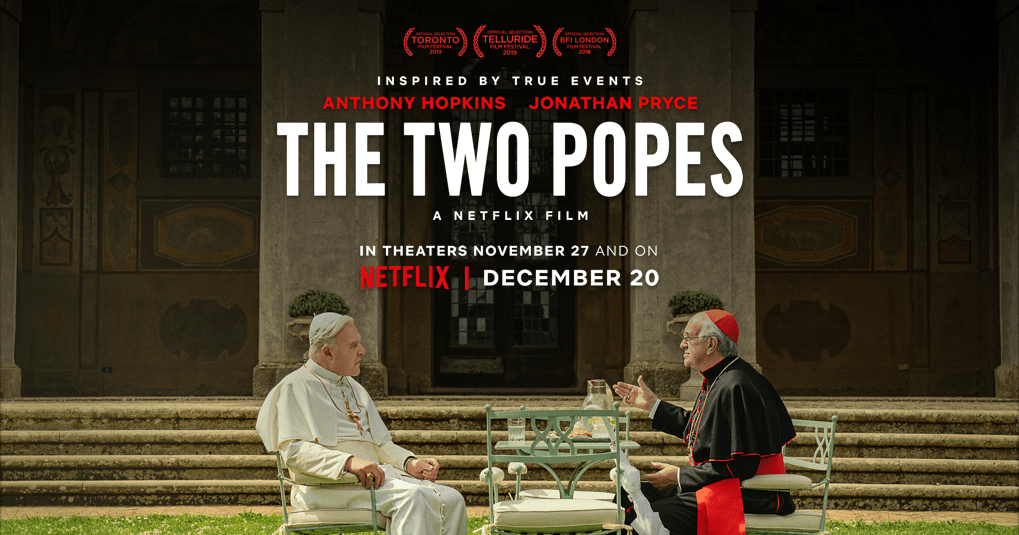
From Netflix.

As early as Friday night after my second Simbang Gabi Mass at 8:30, I have been wanting to react on social media against Netflix’s “The Two Popes”.

But I tried to control my self because I have only seen its first 30 minutes – and besides, it is a fiction story. So, in the spirit of fairness, I tried to finish the movie in three installments until Saturday afternoon before making any comments.

And I felt sad in having seen it at all.

“The Two Popes” is not entertaining. It is misleading without any strong elements to build on our faith and appreciate our religion. At its worst, despite its claim of being inspired by true events, the movie is unCatholic and unChristian.

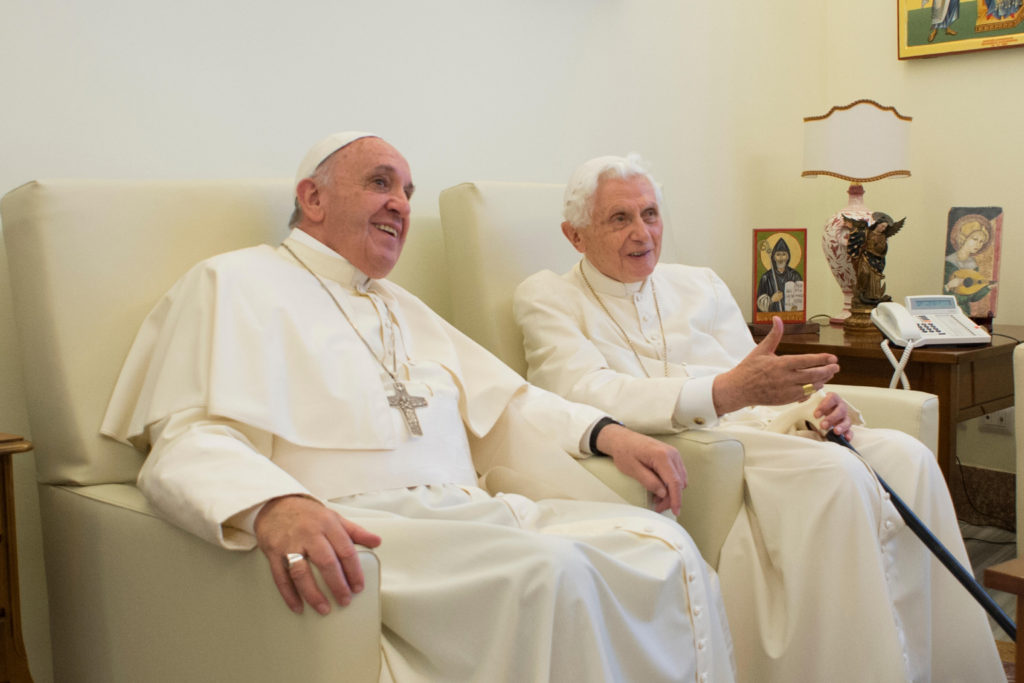
From Google.

UnCatholic and UnChristian

Movies about religions and religious figures and personalities are always controversial by nature. But for as long as they follow the paths of honesty, sincerity, and truth, these movies eventually emerge as true expressions of art that can truly deepen one’s faith.

But “The Two Popes” at its opening scene is already disturbing and objectionable when it portrayed the Cardinals at the 2005 conclave as having animosity and rivalry among themselves in electing Pope Emeritus Benedict XVI.

Yes, we priests including bishops and Cardinals are all humans like anybody else but no one among us would ever dare to aspire for the papacy. While it is true there are some priests who are into “careerism” in the diocesan level, everything changes starting with the episcopacy or the office of the bishop.

In fact, part of the problem why we have so many vacant dioceses in the country and the whole world is that many priests refuse to accept their appointment as bishops because of many fears that are so real that come with the immense responsibilities of the position. According to the Vatican, three out of every ten priests offered to become bishops decline the offer personally made by the Pope through his Papal Nuncio in every country.

How much more with the Papacy?!

In the movie, Pope Benedict toured Cardinal Bergoglio inside the Sistine Chapel and showed him the “crying room” where the newly elected Pope may stay and cry – yes – before finally accepting his election as Pope.

That alone is true but not the movie portrayal during the conclave that claim Cardinals aspiring to become the Pope. It is something preposterous and totally untrue.

Catholic World Report

What is very disturbing in “The Two Popes” is how it presented Cardinal Ratzinger and Cardinal Bergoglio like “lowlife” lawmakers of congress gunning for the top post for prestige and power with their respective bloc members going around in hushed conversations with matching dagger looks at each other.

This is the movie’s weakest point: rather than being seen as something about deepening our faith in God and the institutional Church or any established religion for that matter, it played on “politics” in the guise of showing the flaws and frailties of two popes competing for position and fame.

You might say “it is just a movie” but, not everyone can rightly see whatever good intentions – if it really has – that the movie is trying to present.

Instead of enlightening the viewers in their faith to the Church in general, there was something sinister in the way it presented almost everyone except Cardinal Bergoglio.

Behind the movie’s beautiful cinematography and studio sets are “subliminal messages” as if inciting viewers to dismiss the Catholic Church and other religions because they are all the same – run by egoistic, power hungry people enjoying so many luxuries in life that the common masses could not even imagine to exist.

We priests are sinners and though there are some of us who have sold Jesus like Judas Iscariot for the price of wealth and fame, there are much too many who still work in silence and hiddenness and holiness bringing Christ to the people.

The Catholic Church has continued to exist since Christ’s ascension because the good shepherds like Jesus have always far outnumbered the rotten ones. Hence, those scenes repeated twice or thrice of Pope Benedict worried with his “popularity” are outrageously absurd!

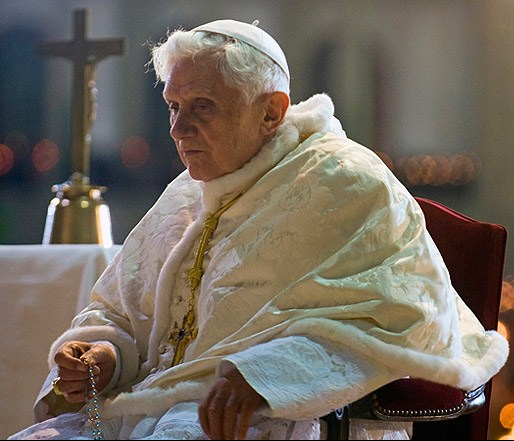
The Catholiy abc Sun.

Bias against Pope Emeritus Benedict XVI

The movie is supposed to show us how two great men of God, of divergent backgrounds and worlds apart, resolved their many conflicts within themselves and with others regarding their faith and ministry and mission in leading the Catholic Church.

Both actors, especially Anthony Hopkins did superb jobs in playing their roles.

The movie tried to show the triumph of the Divine in mysterious ways we can never explain nor understand using men of limitations and weaknesses.

What makes “The Two Popes” so unkind and unchristian is the fact that it is more about Pope Francis as the vida and Pope Emeritus Benedict XVI as contravida. It could have been better if the producers just centered on the present Holy Father as basis of their film and called it “The Pope”. Period.

How can it be a film about faith and religion when the plot itself is unfair and grossly biased against the supposed co-star who is also a Pope?

The movie is also unfair to Pope Francis who would surely never allow himself to be praised and exalted at the expense of the Pope Emeritus or any other person, whether in real life or fiction.

This for me is the most unkindest cut of all in this Netflix movie that fans the many wrong impressions fed on by media against Cardinal Josef Ratzinger since his being the Prefect of Sacred Congregation of Doctrine and Faith during the time of St. John Paul II.

Throughout the film, it is very evident at how the Pope Emeritus is put on the bad light as if he never cared at all about actual situations in the Church and in the world, from the sex scandals to issues on celibacy among other things because he is so absorbed in his intellectual pursuits in the world of books and the academe.

We are of Christ

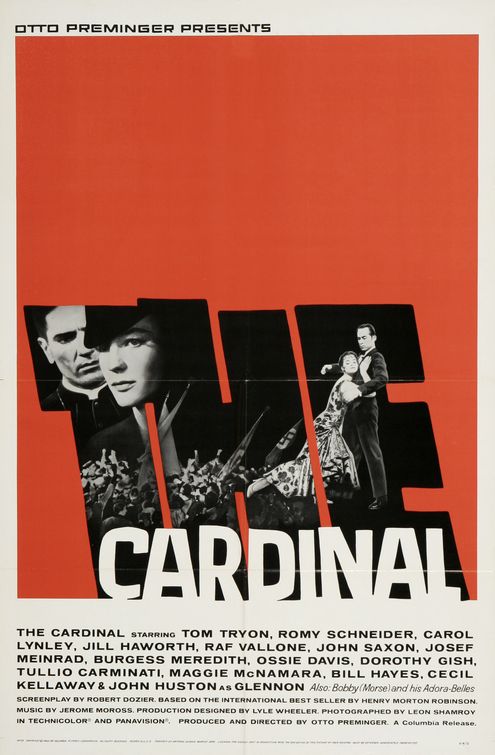
In 1963, the American film “The Cardinal” was released, earning six Academy Awards and very positive reviews for excellently portraying Catholic religion amid issues of interfaith marriage, sex outside marriage, abortion, racism, and dictatorships set during the Second World War.

It was also inspired by true events based on the life of the late Cardinal Francis Spellman of New York.

Its music theme has become a classic piece too that we have all learned by heart while still in high school seminary.

I can still remember the film that showed in a very positive light the main character with all his flaws and shortcomings as a person, as a priest. No need to put other characters down just to underscore his goodness.

The film had a Vatican liaison officer in the person of the young German priest Fr. Dr. Josef Ratzinger who, after that movie, would be attending Vatican II as a periter or consultant to join the efforts in reforming the Church and make it more responsive to modern time.

Yes, the very same Pope Emeritus Benedict XVI portrayed in the Netflix movie as “ignorant” of the Beatles and of tango and of many other things of the modern world.

Netflix

“The Two Popes” ended positively with the “unlikely friendships” of Pope Benedict and Cardinal Bergoglio but still with its askewed presentation of the two holy men, of the people in Vatican, and of the Church’s members and leaders.

So unlike the classic “The Cardinal”, “The Two Popes” missed the essence of the papacy and of the Church as an institution and a body of believers – that Christianity is not about categories or labels as conservatives, progressives, or liberals: it is about our being of Jesus Christ alone.

It is deceivingly appealing to the senses but nothing really so profound about faith and Jesus Christ and his Church. With hindsight, though, after seeing the movie, the more I have come to love and admire Pope Emeritus Benedict XVI for his love and faith in Jesus and the Church.

And Jesus told his disciples… “Blessed are you when they insult you and persecute you and utter every kind of evil against you falsely because of me” (Mt.5:11).

Have a blessed Christmas!

What is in a name?

The Lord Is My Chef Simbang Gabi Recipe, 17 December 2019

Genesis 49:2.8-10 ><)))*> ><)))*> ><)))*> Matthew 1:1-17

Parokya ng Banal na Mag-Anak, Violeta Village, Guiguinto, Bulacan. Photo by Arch. Philip Santiago.

Today we shift our focus in our Advent preparations to the first coming of Jesus Christ when he was born in Bethlehem more than 2000 years ago. Strictly speaking, the Christmas countdown officially starts only today especially with our very long but beautiful gospel from Matthew.

Maybe you are wondering what’s good with our gospel today when it is all about names that mostly sound very funny.

Importance of names: origin and mission

In ancient time, giving name to children was a very serious matter among peoples, especially the Jews.

For them, a name indicates two very important things about a person: one’s origin and mission in life, something parents of today have entirely forgotten, even ignorant because they are more concerned with fad and being unique in naming their children that always end up as a joke as it is always bizarre and weird.

And their poor kid suffers for the rest of his/her life like that man named “Fantastic”. All his life he felt so sad being called Fantastic that he told his wife when he dies, never put his name on his tombstone.

Eventually Mr. Fantastic died and the wife kept her promise not to put his name on his marker. But she felt the need to honor her beloved husband who was so good and honest that in lieu of his name, she asked a tribute written to honor him.

It said, “Here lies a very gentle and loving husband and father who never looked at other women except his wife.”

Every time passersby see and read that tribute, they would always exclaim “Fantastic!”

From Google.

Going back to the importance of giving names….

Corporations are more serious than parents in choosing names and trademarks to their products and services. Every trademark and brand always evokes deeper meanings than just being a product or entity that some of them have entered the vocabulary of many languages like Google, Xerox, and Frigidaire.

And the sad thing about this is how many babies are now being named to follow things and products than the other way around, giving more value to things than human beings!

The book of the genealogy of Jesus Christ, the son of David, the son of Abraham. Abraham became the father of Isaac, Isaac the father of Jacob, Jacob the father of Judah and his brothers.

Matthew 1:1-2
Detail of the ceiling of Parokya ng Banal na Mag-anak after the front or main door: the genealogy of Jesus Christ that starts with Abraham. Great concept by the Parish Priest, Fr. Ed Rodriguez. Photo by Arch. Philip Santiago.

Genealogy of Jesus as direction of Matthew’s Gospel

St. Matthew opens his gospel account with the genealogy of Jesus to settle right at the very start the question about the origin and mission of Jesus Christ.

Here we find the artistry and genius of St. Matthew, some 2000 years ahead of the late Stephen Covey’s third habit of highly effective people: “begin with an end in mind.”

By starting his genealogy with Abraham and David, St. Matthew gives us the whole gospel message in a glance because they are the two key figures in the beginning and realization of God’s promise to send Jesus Christ who would save us all.

Let us just focus on Abraham which means “he who is the father of many.”

It was to him that the story of God’s promise began after the dispersal of mankind following the collapse of the Tower of Babel.

From then on, Abraham points to what is ahead in God’s divine plan, not only for himself but also for the whole mankind for it is through him that blessings come to all. His journey from his birthplace of Ur into Canaan is symbolic of his journey from the present into the future, walking in faith following the Lord’s path and divine plan.

In Abraham we find God starting anew the history of mankind after the Fall that leads up to Jesus Christ who came to lead us all back into the Father.

With Abraham as the main header of Christ’s genealogy, we find not only the beginning but also the end of St. Matthew’s gospel which is the universality of God’s plan of salvation with Jesus telling his disciples to make disciples of all nations (Mt.28:19).

Detail of the ceiling near the sanctuary of Parokya ng Banal na Mag-Anak, the culmination of the genealogy of Jesus. Photo by Arch. Philip Santiago.

Imitating Abraham into our time

Last December 10 was a very important date for me and my parish: it was the ordination date of our first priest.

While waiting for the start of the Mass at the front door (which is actually the back of the Cathedral or any church), I just prayed in silence thinking about my role in the ordination of Fr. RA Valmadrid.

While I marveled at the beautiful renovations of our Cathedral, my sight was slowly moved towards the altar.

It was like an “Abraham experience” in Matthew’s genealogy for me: a wayfarer on a journey into the future, towards God, walking in faith.

In a quick glance, I kind of saw the future glory of every faithful coming to the altar to receive Jesus Christ in the sacraments especially the Holy Eucharist.

I just felt the beauty of entering the Cathedral, or any church which is more than stepping into a building but more of entering God himself, our point of origin and final destination.

Do we realize this tremendous blessing and grace of being baptized, of being a child of God, not only given with a name but most of all, of being counted into the family of God our Father?

In the first reading we have heard Jacob calling his 12 sons. What is so striking here is the blessing Jacob had bestowed upon Judah, instead of Joseph who was the best of all his sons, the holiest and most intelligent.

Like Abraham and Judah, or anyone in the genealogy of Jesus Christ, we can find our own selves too not as the vida or contravida but simply being called to be God’s instrument in fulfilling his plan in sending his Son Jesus Christ.

Truth is, God always comes in the most unexpected situations and peoples most of the time.

In Christ Jesus through our Baptism and faith, we find our genealogy – our origin and mission – as children of God.

If you want to get a feel of this reality, try reading aloud, very slowly, the genealogy of Jesus Christ. At the end, include your self, mention your name, your mother and father. Then close your eyes and let your life flash back in silence.

In the silence of your heart, do you find God coming more to you than you to God?

So amazing, is it not? We are all part of Christ’s genealogy. Let’s bring him forth into the world in our life of faithful witnessing like Abraham. Amen.

Malolos Cathedral. Photo by author.

Advent is regaining our sight and vision

Quiet Storm by Fr. Nicanor F. Lalog II, 06 December 2019

Advent 2019, Parokya ng San Juan Apostol at Ebanghelista, Bagbaguin, Santa Maria, Bulacan.

Advent and Lent are two beautiful seasons in our Church calendar that prepare us for the great feasts of Christmas and Easter, respectively. Both have violet as motif though Advent is supposed to have a more bluish hue to distinguish it from Lent’s penitential character.

They both invite us to “look forward” into that future glory of Jesus Christ when he comes again at the end of time to establish “new heaven and new earth” where peace would finally reign, removing all sufferings and pains, wiping away all our tears to fill us with perfect joy.

On that day the deaf shall hear the words of a book; and out of gloom and darkness, the eyes of the blind shall see. The lowly will ever find joy in the Lord, and the poor rejoice in the Holy One of Israel.

Isaiah 29:18-19

Advent is renewed relationships

More than the promise of a new order of things in the Second Coming of Christ, Advent invites us also to look forward into renewed relationships with God through others.

Our Advent Candle 2019.

Jesus Christ comes first in our hearts, his new manger. Unfortunately, we seem to have forgotten Jesus, remembering only his birthday and its trimmings. Fanned by social media, people are going crazy as early as August with their own Christmas countdown with those memes of Jose Mari Chan poised to sing his popular “Christmas in Our hearts”, forgetting its beautiful message of opening our hearts to Jesus through one another.

How sad that more than ever, people are so excited with Christmas for the wrong reasons like gifts and money, parties and vacations but not Jesus himself.

Advent invites us to “actively wait” Christ’s coming by renewing our relationships with our family and friends in every here and now of our daily living.

As Jesus passed by, two blind men followed him, crying out, “Son of David, have pity on us!” When he entered the house, the blind men approached him and Jesus said to them, “Do you believe that I can do this?” “Yes, Lord,” they said to him. Then he touched their eyes… and their eyes were opened.

Matthew 9:27-29, 30

Need to remove our “blindness”

Advent is a season to remove our blindness to Jesus present in us and in every person we meet. Our gospel today tells us a short story of Christ’s healing of two blind men with a twist of humor.

According to St. Matthew, the two blind men kept following Jesus after teaching a crowd, begging him to restore their sight.

How they were able to follow Jesus, your guess is as wild as mine… but, most funny is how they followed Jesus home to finally heal them!

Go figure it out. How did it happen if both men were blind, following Jesus every step of the way into his home?

But they both teach us a valuable lesson not only for this Advent but for everyday living: of the need to remove our blindness so we may see Christ coming to us day in, day out.

How sad when most of us have eyes but cannot see or even refuse to see Jesus Christ coming to us personally and among other people especially our family and friends, among the ordinary and usual people we meet everyday in our lives.

Last Tuesday amid heavy rains and winds of Supertyphoon “Tisoy”, two elderly couples in the parish requested for the Sacrament of Anointing of the Sick.

After hearing their confessions, anointing them with Oil, and giving them the Holy Communion, I decided to stay longer when I found out they live by themselves despite having six children living in the vicinity with their many apos!

Making things worst for the couple are the two children living abroad: one in the States have totally cut ties with them without any communication in 15 years while the other living Down Under refusing to help them in their medical needs.

May the light of Christ heal us of our many blindness so we may see him among our families and friends.

The way we live and what we hope

I have been told the elderly couple I have visited were not really that “good parents” and neighbors as well. But, I explained to everyone after my visitation that is not important, nor the issue at hand.

What matters most is who would take care or look after these two elderly people, an arthritic father and a mother stricken with stroke? Must we allow ourselves to be blinded by past sins and hurts and pains that we fail to see Christ coming in the present?

Yes, this is easier said than done but, in this life, we only have two choices to make, either we become better or bitter. Make the right and better choice always!

Last Sunday I told my congregation that the way we live dictates our hope.

Photo by Jo Villafuerte at Atok, Benguet, 01 September 2019

Those who strive in life to do what is good, to become better in whatever form are those who truly hope. And truly love because they believe in the future, they look forward to something better if not in this life, maybe after.

But those who do nothing in this life, those who feel resigned, “enjoying” their miseries in life are the ones who do not hope. And surely do not love at all for they see only death and destruction, nothing to look forward to. They do not mind hurting even killing others because they believe there is no future at all.

Indeed, as TIME Magazine’s Lance Morrow wrote in 1991, the opposite of love is not really evil but hopelessness. Very true.

As we end this first week of Advent moving closer to Christmas, let us pray for the grace of Jesus Christ to heal us of our many blindness in life so we may see him anew in us and in others too. A blessed weekend to you!
Advent is “putting on Christ”

The Lord Is My Chef Sunday Recipe for the Soul

First Sunday of Advent-A, 01 December 2019

Isaiah 2:1-5 ><}}}*> Romans 13:11-14 ><}}}*> Matthew 24:37-44

From Google.

A blessed first Sunday of Advent to you my dear reader and follower! Today we begin another new year in our Church calendar with this season of Advent. Both the word “Advent” and its concept were borrowed from ancient Rome when provinces prepared for the coming, or “adventus” of the emperor to visit the occupied territories of his empire.

But, Jesus is more than any emperor of the world for he is true God and King of kings, the one who had come, always comes, and will be coming again at the end of time to judge us, both the living and the dead. This Season of Advent gives us the opportunities to intensely prepare for the Lord’s adventus that always begins in our hearts.

Advent has a two-fold character: beginning today until December 16, the readings and prayers set our sights to the Second Coming of Christ at the end of time or the parousia. From December 17-24, focus shifts to the first Christmas when Jesus was born in Bethlehem more than 2000 years ago.

According to St. Bernard of Clairvaux, between these two comings of Christ is his third coming that happens daily in our lives, so ordinary but very sudden like in the time of Noah.

Photo by author, sacristy of our Parish, Advent 2018.

Jesus said to his disciples: “As it was in the days of Noah, so it will be at the coming of the Son of Man. In those days before the flood, they were eating and drinking, marrying and giving in marriage, up to the day that Noah entered the ark. They did not know until the flood came and carried them all away. So will it be also at the coming of the Son of Man.

Matthew 24:37-39

Staying awake, actively waiting for the Lord.

Jesus is definitely coming at the end of time. It is useless to be concerned when that would be because it will be sudden and unexpected. What matters most is our attitude of “staying awake, actively waiting” for the Lord’s coming again.

The Lord cites to us the example of Noah whom God had instructed to build an ark in the Old Testament for the coming great flood meant to cleanse the earth of sins and evil.

To actively wait for the Lord’s parousia means to be a sign of contradiction like Noah who faithfully obeyed God’s will in building an ark and later gathering into it all the animal species of earth.

Imagine the insults Noah had to endure from people laughing at him while building the ark. Yet, he never wavered and faithfully fulfilled his task before the Lord.

From Google.

Jesus cites three other instances of displaying the right attitude in actively waiting for his Second Coming: the two men out in the field, the two women grinding, and the master of the house.

One of the two men in the field was taken while one of the two women grinding was also taken because they were responsibly fulfilling their tasks when the parousia comes; their respective counterparts were most likely doing nothing or very lazy that they were left behind.

The mini parable Jesus inserted at the end shows us the imagery of the master of the house staying awake to keep the thief from breaking into the house in the middle of the night.

These are all about having the right attitude as disciples of Jesus actively awaiting his return. From Noah to the other man in the field, the other woman grinding, and the master of the house, we find from their attitudes of active waiting budding forth their hope in God.

Generally speaking, the way we live our lives determines also how we hope in the Lord.

And this we find in St.Paul’s exhortation to the Christians of Rome:

Brothers and sisters: you know the time; it is the hour now for you to awake from sleep. For our salvation is nearer now than when we first believed; the night is advanced, the day is at hand. Let us then throw off the works of darkness and put on the armor of light; let us conduct ourselves properly as in the day, not in orgies and drunkenness, not in promiscuity and lust, not in rivalry and jealous. But put on the Lord Jesus Christ, and make no provisions for the desires of the flesh.

Romans 13:11-14
Altar table at the Parokya ng San Juan Apostol at Ebanghelista, Bagbaguin, Santa Maria, Bulacan, Advent 2018.

Putting on Christ to show his light to dispel darkness.

St. Paul wrote the Christians in Rome more than 2000 years ago to remind them of the fierce spiritual warfare between good and evil, light and darkness while they were living in the midst of a pagan world and culture.

It was a very difficult time to be truly Christians but St. Paul felt the need to remind everyone of the ever-present reality of the parousia. Like in most of his letters, he captured by the grace of the Holy Spirit the beautiful imagery of disciples with the right attitude awaiting the Second Coming as “putting on the Lord Jesus Christ”.

Putting on our Lord Jesus Christ is not just a mere call to be morally perfect persons but for us to strive in making the light of Christ shine on us so that we may manifest Jesus more in us and in our lives.

Simply put, it is becoming “Christ-like”, a true Christian who is “dead to sin but alive for God in Christ Jesus” (Rom. 6:11), one who lives differently by making Jesus more present especially in these difficult and troublesome times.

The time of St. Paul was no different with our present age with growing materialism and consumerism among peoples, including Christians afflicted with Pope Emeritus Benedict XVI’s “dictatorship of relativism” that have removed God from every aspect of human life, including Christmas itself!

See how we are so focused on Christmas countdowns than with the very reason of the Season, Jesus Christ. See how the media equate Christmas with material things, sugarcoating it with sentimental feelings as most Christmas songs nowadays indicate.

Advent is seeing more of Jesus, than of time.

On this first Sunday of Advent, our sights are redirected anew into Christ’s Second Coming with our important task of making him present in our very selves.

As children of the light, we slowly discover and realize how our definitive salvation is slowly moving towards its fullness in Christ’s parousia when everything is totally changed by God with peace finally reigning supreme over all.

Violets on the pedestal of our Patron Saint, John the Evangelist.

This was the vision of Isaiah a long, long time ago.

It had been fulfilled in Christ’s first coming in Bethlehem over 2000 years ago and it is being fulfilled daily through people filled with hope in God’s justice and love.

In the days to come, the mountain of the Lord’s house shall be established as the highest mountain and raised above the hills. All nations shall stream toward it; many people shall come and say: “Come, let us climb the Lord’s mountain…” They shall beat their swords into plowshares and their spears into pruning hooks; one nation shall not raise the sword against another, nor shall they train for war again. O God of Jacob, come, let us walk in the light of the Lord!

Isaiah 2:2-3, 4-5

People who keep on wondering and asking when will Jesus come again are not really interested with the Lord’s Second Coming but only with themselves like the people during the time of Noah – oblivious to anything else and busy with their own pursuits.

The more we think of the WHEN, the less we think of the WHO of Advent. Let us put on the Lord Jesus Christ to be filled with his light until all darkness in life is dispelled. Amen.

Living in the present

The Lord Is My Chef Breakfast Recipe for the Soul

Tuesday, Week XXXIV, Year I, 26 November 2019

Daniel 2:31-45 ><)))*> ><)))*> ><)))*> Luke 21:5-11

It is again the approaching end of the month, end of the year, Lord. Everybody is talking about the coming ultimate end of the world, the apocalypse, with or without you, O God our mighty Father.

How funny that we spend so much time thinking about the end of the world, so fascinated with predictions and doomsday scenarios forgetting the present moment and most especially you, O God.

Pagans and Christians alike entertain it because deep within ourselves is the reality that everything comes to an end for that is our orientation and direction. if we have you in our sights.

Open our eyes, O Lord, like Daniel in the first reading to see that only you shall remain in the end: everything and everyone, no matter how powerful and greatly endowed with power will ever remain in control of everything. Worst, even those we tend to ignore as so little and so small in stature could one day topple us!

Likewise, widen our horizons, Lord, and let us not be so fixed with certainties like dates and signs on the coming end. May we always see everything in your light, Jesus Christ, so that we may always see every here and now as your coming.

Most of all, let us keep in mind that your coming is always the end of our old selves and the beginning of a new person in you. Amen.

The throne of Christ the King

The Lord Is My Chef Sunday Recipe, Solemnity of Christ the King-C, 24 November 2019

2 Samuel 5:1-3 ><}}}*> Colossians 1:12-20 ><}}}*> Luke 23:35-43

Photo by Pixabay on Pexels.com

The Cross is the throne of our Lord Jesus Christ, King of the Universe. It is also a lesson in itself, the most profound Jesus has given us that continues to unfold and unravel the “depth and breath” of God’s love for each of us.

Through his Cross, Jesus did not only enter humanity but also allowed humanity to enter him by putting into his heart its very symbolism which is death we all deny and are afraid of. By dying on the Cross, Jesus turned it into a blessing to now become the symbol of life.

Let’s make an illustration.

Yes, it is Bruce Willis from a scene in one of his popular series, “Die Hard” which I continue to watch whenever possible.

What I like most with Bruce Willis in all of his movies is his being so “human” – very vulnerable physically, emotionally and even psychologically. His roles never hide his being a frail human being despite his muscular strength and tactical acumen. Bruce never hides his weaknesses that he can get shot and wounded, dumped and divorced or cheated by his wife like in “The Last Boy Scout”, making him more believable than the other action stars.

And that’s our point here: Jesus never hid his humanity from us. The all-powerful God on whose everything was created according to St. Paul in the second reading became human like us in every aspect except sin.

He is the image of the invisible God, the firstborn of all creation. For in him were created all things in heaven and on earth… He is before all things, and in him all things hold together. He is the head of the body, the church. He is the beginning, the firstborn from the dead, that in all things he himself might be preeminent. For in him all the fullness was pleased to dwell, and through him to reconcile all things for him, making peace by the blood of his cross through him, whether those on earth or those in heaven.

Colossians 1:15-19
Carmelite Monastery, Guiguinto, Bulacan, 12 November 2019.

In becoming human like us, Jesus entered our humanity. He who is the Son of God became an infant and child so weak, entrusting himself to us humans.

And when he had grown into a man, he experienced leaving home and family to fulfill his mission like almost everybody. He had friends, some eventually became faithful while another had betrayed him.

Jesus went to almost every gathering like weddings and banquets, met everybody from the “who’s who” to the nobody like sinners and marginalized. He was manly enough to relate with every kind of people, be they children or women, rich and poor alike.

He had wept at the death of a good friend and the impending destruction of his beloved city of Jerusalem, felt hunger and thirst, got angry and was surprised in some occasions.

Jesus is truly human that we can also identify with him but in his dying on the cross, we were able to enter him to become like him when on his Resurrection, he took away the curse of death and turned it into pure grace in him.

Cross at the Dominican Hill in Baguio City, January 2019.

A very unique characteristic of Jesus as a human is his being a radical in its truest essence and meaning. From the Latin word “radix” that means roots, Jesus brought us back to our very roots, to our grounding of being who is God himself.

Too often, we think of radical people as rebels and revolutionaries leading movements and many changes in the society. They are the “game changers” because they radically change things to show us the more essential.

But in reality, radicals do not change things: they restore things to its original state and being. They get into the roots or “radix” of things to bring out its true meanings by doing away with the unimportant accidentals that have taken over the realities.

That is why Jesus is a radical: by dying on the Cross, he firmly reestablished his throne as King of the Universe because that is where evil ended and death is conquered.

It is on the Cross his throne where every new life begins because it is our very rootedness and “grounding of being” as beloved children of God in him.

Most of all, it is on the Cross his throne, our root and grounding from which comes our sole focus and attention in life – God in Christ Jesus.

The rulers sneered at Jesus… even the soldiers jeered at him. Now one of the criminals hanging there reviled Jesus, saying, “Are you not the Christ? Save yourself and us.” The other, however, rebuking him, said in reply, “Have you no fear of God, for you are subject to the same condemnation? And indeed, we have been condemned justly, for the sentence we received corresponds to our crimes, but this man has done nothing criminal.” Then he said, “Jesus, remember me when you come into your kingdom.” He replied to him, “Amen, I say to you, today you will be with me in Paradise.”

Luke 23:35, 36, 39-43

We have a beautiful expression in Filipino about a person described as “malalim” or deep. A radical is the truly deep person because he is rooted and grounded in his being who is God!

Anyone who truly recognizes Jesus Christ becomes a radical person too, a person of depth because he is rooted in God like the other thief hanging on the cross with Jesus.

See how the rulers or the elite like the priests and elders of Israel who sneered at Jesus: the more they poked fun on him as “the Christ of God”, the more they indict themselves of the grave crime of putting Jesus to death. Eventually at the death of Jesus, the Temple curtain would be torn from top to bottom to signal the end of temple worship and the start of worshipping God in “truth and spirit” in Christ.

The soldiers jeered Jesus too because they “know not what they were doing” because they were all pagans. But again, upon Christ’s death, we find one soldier there at the scene declaring “truly this is the Son of God.”

In any case, some members of Israel’s rulers and Roman soldiers eventually followed Jesus after the Resurrection to show us how the Cross is indeed the throne of Christ the King: it is also a door that opens anyone to conversion, to accept his reign and kingdom!

Most of all, the “good thief”, usually referred to as Dimas, shows us how at the cross any one can become radical like the Lord. While agonizing with Jesus on the cross, Dimas must have examined his life and got into his very core, his roots and realized that basic truth inside him was right there suffering also with him — Jesus whose name means “Yahweh saves”.

What is so surprising with his request from Jesus “to remember him he gets into his kingdom” is the fact that in the Old Testament, it is God who always remembers his people, remembers his promise, remembers his covenant.

Man always forgets God and his covenant that we always turn away from him to live in sin. But at the cross, the throne of Jesus our King, he enables us to remember our roots, our being children of God, our being loved and forgiven that we finally find our way back home.

And that home is God in eternity: “Today you shall be with me in Paradise.”

Every time we are at the cross, when we are getting through so many pains and sufferings, failures and disappointments, even darkness and sin, get into your roots – Jesus Christ – and you will never get lost.

Long before we got into all these crosses in life, remember Jesus was there first for us to suffer and die on his Cross. And that is why he is our King for he rose again so we can become like him in eternity. Amen.