Advent is conversion in the desert

Lord My Chef Sunday Recipe for the Soul by Fr. Nicanor F. Lalog II
Second Sunday in Advent-A, 07 December 2025
Isaiah 11:1-10 ><}}}}*> Romans 15:4-9 ><}}}}*> Matthew 3:1-12
Photo by author, The Deesis Mosaic in the Hagia Sophia, Istanbul, Turkiye, 01 November 2025.

A few weeks before the Holy Father visited Turkiye recently, we were also in Istanbul and had the great chance of visiting the magnificent Hagia Sophia. And we wonder why Pope Leo XIV skipped the more historical and popular Hagia Sophia to visit instead the Blue Mosque just across.

The Hagia Sophia or “Holy Wisdom” was the largest church in the Eastern Roman Empire when Istanbul was called Constantinople until the Ottoman Turks conquered the city and converted the church into a mosque. More than a hundred years ago when Turkiye became a republic, the government made Hagia Sophia a museum until recently when it was reverted into a mosque again.

My initial feeling when I got inside Hagia Sophia was deep sadness. “Malaking panghihinayang” as in “sayang na sayang” in Filipino because it used to be ours but due to the Great Schism of 1054 when the Eastern Roman Church broke away from Rome, it fell into the hands of the Moslems who made it into a mosque, altering or hiding the many great works of art there that date back to the Byzantine era 1200 to 1400 years ago.

Photo by author, The Deesis Mosaic in the Hagia Sophia, Istanbul, Turkiye, 01 November 2025.

One of its many treasures you might be familiar found in history books and magazines is the “Deesis Mosaic” of Jesus flanked to his left by his Mother Mary and John the Baptist to his right.

From the Greek word “deesis” that means supplication or intercession, the mosaic features Mary and John beseeching Jesus to forgive mankind at his Second Coming. Though the three images have been badly deteriorated due to the elements passing through the window beside it, its beauty remains intact, especially the evocative faces of Mary, Jesus and John.

Seeing it personally, one could feel the pagsusumamo of John the Baptist and Mother Mary expressed in the softness of their face in earnestly asking Jesus to forgive mankind on the day of judgment. And it seems to be working so well as you could feel too the tender compassion of Jesus Christ’s look as he raised his right hand in a blessing position while holding with his other hand a thick book that is perhaps a Bible.

Detail of John the Baptist from the Deesis Mosaic in his abbreviated Greek name Ionnes Prodromos; photo by author, Istanbul, 01 November 2025.

The Deesis Mosaic is very Advent in character because it is about God’s mercy and forgiveness in Christ Jesus at his Second Coming at the end of time.

Here we find how early on in the ancient Church they have been preoccupied in this first aspect of Advent, the Second Coming of Christ at the end of time and of Advent’s essence – our conversion from sins. At the forefront of that call is the Lord’s Precursor, John the Baptist, that is why every second and third Sundays of Advent we hear in the gospel his ministry at Jordan.

John the Baptist appeared, preaching in the desert of Judea and saying, “Repent, for the kingdom of heaven is at hand!” It was of him that the prophet Isaiah had spoken when he said: A voice crying out in the desert, Prepare the way of the Lord, make straight his paths. … At that time Jerusalem, all Judea, and the whole region aroun d the Jordan were going out to him and were being baptized by him in the Jordan River as they acknowledged their sins (Matthew 3:1-3, 5-6).

John the Baptist remains relevant in preparing for the Lord’s coming, whether at the end of time or in preparation for our Christmas celebration. Like him, we are all called to be an Advent person, vigilantly preparing ourselves for Christ’s coming at the end of time that happens in every here and now, right in our own desert in this modern time.

Yes, we are like John the Baptist living in our own desert, a world we describe as a global village wired and connected by the internet yet so apart from each other. Instead of bringing us closer with one another, all these modern inventions have actually grown us more detached from one another like when eating in a fast food. It is so alienating especially for us seniors to be placing our orders on those tall electronic boards programmed for us to order more food and drinks not healthy at all.

Or, take those TNVS or Transport Network Vehicle Services like Grab. We no longer travel in the real sense as we just move to destinations with that desert feeling when inside a Grab car with the driver too far from us passengers in front, following instructions from apps while we at the back sit silently scrolling our phones or pounding a laptop. See also how driving has become going in the wilderness with the horrendous traffic where humans turn into monsters in road rage while machines and CCTVs monitor who’s violating traffic rules and who gets through the RFID.

Photo by author, Basic Education Department Chapel, Our Lady of Fatima University, Valenzuela City, December 2023.

This Second Sunday in Advent, John the Baptist invites us to be aware of the desert we are living into where we have become less personal, less human as we move away from God that we have lost our sense of sin, acting more on impulses without much thinking its effects and consequences.

We think more of ourselves than of God and others, overextending our rights insisting on our ways that actually destroy lives through abortions and gender manipulations. We no longer speak of what is true and good by simply following trends and what is convenient. No more feelings, no more compassion. No more others. No more God nor heaven and eternity.
“St. John the Baptist Preaching in the Wilderness” by German painter Anton Raphael Mengs (1728-1779) from commons.wikimedia.org.

We do not have to dress on camel’s hair nor eat locusts and wild honey like John but simply make a space within us for God and for others.

We would be gravely wrong to think John was only speaking to the people of his time especially to the Pharisees and Sadducees; Matthew wrote his gospel account at that time to nourish the faith of early Christians facing persecutions and many challenges in life like in our own time when it is so tempting to follow the evil ways of the world.

John continues to warn us today of the sure return of the Christ when everyone shall face judgment which is not something to be feared like a sword of Damocles hanging above our heads ready to strike us anytime. It is a call and a demand for concrete actions of conversion, of leaving our sinful ways to follow Christ’s path of holiness.

“Even now the ax lies at the root of the trees. Therefore every tree that does not bear good fruit will be cut down and thrown into the fire. I am baptizing you with water, for repentance, but the one who is coming after me is mightier than I. I am not worthy to carry his sandals. He will baptize you with the Holy Spirit and fire” (Matthew 3:10-11).

Advent assures us of Christ’s Second Coming when he shall purify and renew us to fulfill Isaiah’s prophecy in the first reading when “the wolf shall be a guest of the lamb, the leopard shall lie down with the kid… the calf and young lion shall browse together, with a little child to guide them… the cow and bear shall be neighbors, together their young shall rest, the lion shall eat hay like the ox… the baby shall play by the cobra’s den, and the child lay his hand on the adder’s lair”(Isaiah 11:6-8).

“Peaceable Kingdom”, a painting based on Is.11:1-10 by American Edward Hicks, a Quaker pastor (1780-1849) from wikimedia.org.

As we have reflected last Sunday, every coming of Jesus is a day of judgment but not a catastrophe. It becomes a disaster for those unprepared, living in sin. But for those like John the Baptist, striving to live the gospel amid the desert of this world, Christ’s coming is salvation and peace for Jesus is full of love and compassion and tenderness for his people.

Life is so difficult these days especially when we see our great disparities with the corrupt who simply steal our money and those we call “lumalaban ng patas sa buhay”. Imagine how in our country the world is like a desert, so hostile with the weak and the poor who have to wrestle with 500 pesos – if ever they have – to stretch it for a noche buena on Christmas Eve.

St. Paul reminds us in the second reading that in times like these, we look up to God and his Sacred Words, to keep hoping, trusting and believing in Christ’s coming already happening especially in the Sunday Eucharist. Let us gather together as one community, encouraging each other in Christ like John in Jordan while awaiting the Lord’s coming, rejoicing like the psalmist today who sang, “Justice shall flourish in his time, and fullness of peace forever” (Ps. 72:7). Amen. A blessed Second Week in Advent everyone!

Panaghoy kay San Juan Bautista

Lawiswis ng Salita ni P. Nicanor F. Lalog II, Ika-29 ng Agosto 2025
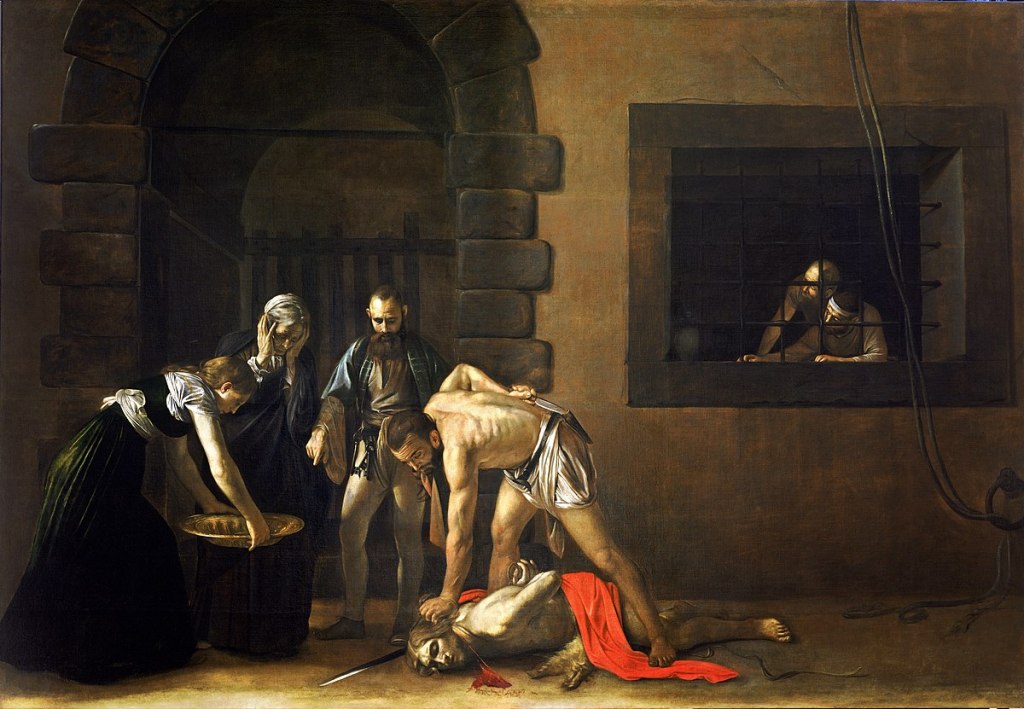
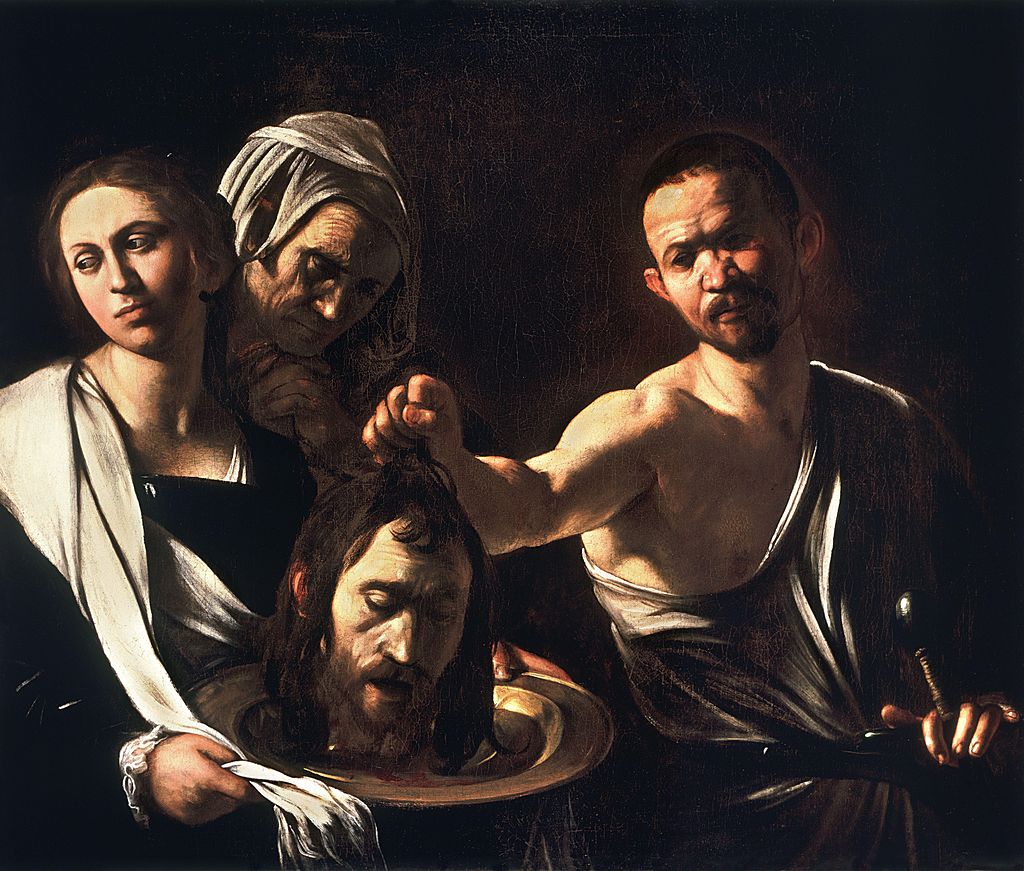
“The Beheading of Saint John the Baptist”, tinuturing na obra maestra ng batikang pintor na si Caravaggio noong 1608 na ngayon ay nasa Co-Cathedral ni San Juan sa Valetta, Malta; mula sa commons.wikimedia.org.

Araw-araw nauulit sa ating Kristiyanong bansa ang karumal-dumal na krimen ng pagbitay kay San Juan Bautista lalo na sa larangan ng parumi ng parumi at talamak na sistema ng korapsiyon sa ating pamahalaan.

Kaya minabuti ko na isitas buong tagpo ng Ebanghelyo ng kanyang Pagpapakasakit na ginugunita natin sa Simbahan sa araw na ito.

Basahin at namnamin, managhoy at tumangis ngunit pagkaraan ay bumangon upang labanan malungkot na kinasasadlakan nating lahat ngayon;katotohanan ni Kristo ating panindigan tulad ni San Juan Bautista laban sa mga makabagong Herodes, Herodias at Salome ng ating panahon.

Noong panahong iyon, si Herodes ang nagpahuli, nagpagapos at nagpabilanggo kay Juan dahil kay Herodias. Ang babaing ito’y asawa ni Felipe na kapatid ni Herodes ngunit kinakasama niya. Laging sinasabi sa kanya ni Juan, “Hindi matuwid na kunin ninyo ang asawa ng inyong kapatid.” Kaya’t si Herodias ay nagkimkim ng galit kay Juan. Hinangad niyang ipapatay ito, ngunit hindi niya magawa, sapagkat natatakot si Herodes kay Juan. Alam niyang ito’y taong matuwid at banal, kaya’t ipinagsasanggalang niya. Gustong-gusto niyang makinig kay Juan, bagamat labis siyang nababagabag sa mga sinasabi nito.

Sa wakas ay nagkaroon ng pagkakataon si Herodias nang anyayahan ni Herodes sa kanyang kaarawan ang kanyang mga kagawad, mga pinuno ng hukbo, at ang mga pangunahing mamamayan ng Galilea. Pumasok ang anak na babae ni Herodias at nagsayaw. Labis na nasiyahan si Herodes at ang mga panauhin, kaya’t sinabi ng hari sa dalaga, “Hingin mo sa akin ang anumang ibig mo at ibibigay ko sa iyo.” At naisumpa pa niyang ibibigay kahit ang kalahati ng kanyang kaharian kung ito ang hihilingin. Lumabas ang dalaga at tinanong ang kanyang ina, “Ano ang hihingin ko?” “Ang ulo ni Juan Bautista,” sagot ng ina. Dali-daling nagbalik ang dalaga sa kinaroroonan ng hari. “Ang ibig ko po’y ibigay ninyo sa akin ngayon din, sa isang pinggan, ang ulo ni Juan Bautista,” sabi niya. Labis na nalungkot ang hari, ngunit dahil sa kanyang sumpa na narinig ng kanyang mga panauhin, hindi niya matanggihan ang dalaga. Kaagad niyang iniutos sa isang bantay na dalhin sa kanya ang ulo ni Juan. Sumunod ang bantay at pinugutan si Juan sa bilangguan, inilagay ang ulo sa isang pinggan, at ibinigay sa dalaga. Ibinigay naman iyon ng dalaga sa kanyang ina. Nang mabalitaan ito ng mga alagad ni Juan, kinuha nila ang kanyang bangkay at inilibing (Marcos 6:17-29).

“Salome with the Head of John the Baptist” isa pang painting ni Caravaggio noong 1607-1610 na ngayon ay nasa National Gallery sa London; mula sa commons.wikimedia.org.
Hindi ba dapat nating tangisan 
itong nangyayari sa ating kapaligiran
na akusasyon noon laban kay San Juan
ay pagsasabi ng katotohanan?
Hanggang ngayon
kung sino nagsasabi ng totoo
siya pang napapasama at nakukulong
habang mga gumagawa ng
kasamaan at kabuktutan
hinahangaan,
niluluklok pa sa kapangyarihan
kaya mga Herodes
lalo pang dumarami
tumatapang, ayaw nang patinag
kapit tuko sa puwesto
pamilya ginawang dinastiya.
Kay laking kabaligtaran
noong sina Eba at Adan
Diyos ay talikuran sa kasalanan,
nagtago sa kahihiyan
katawan tinakpan
ng dahong maselan;
pero ngayon,
buwaya man mapapahiya
kapal ng mga senador at congressman
kung magmaang-maangan
pinagsamang Herodes at Pilato
takot na takot sa katotohanan
akala pagkakasala ay mapaparam
kung mga kamay ay hugasan
gayong kadalasa'y magkatiklop
sa pananalangin
at kung Ama Namin ang awitin
silang mga Herodes nakahawak
kamay sa mga panauhin
bilang hermano, hermana
ng pista, magkukuratsa
kunwa'y mapasaya ang parokya
lalo na ang kura
pati obispo nila!
“Salomé with the Head of John the Baptist” isa pa ring painting ni Caravaggio noong 1606-1607 na ngayon ay nasa Royal Palace ng Madrid; mula sa commons.wikipedia.org.
Nakaka-iyak
nakaka-inis
nakaka-galit
sa gitna ng maraming hirap
at sakit,
may mga Herodias
pumapayag maging kabit
sariling pagkatao winawaglit
sinasaalang-alang sa kinang
ng pera nahahalina
pakiwari'y gumaganda
ngunit di maikaila sa mga mata
kimkim nila ay galit
sa nagsasabi ng totoo
pilit nagpapa-interview
akala lahat ay maloloko!

O Diyos ko,
kalusin mo na ang salop
bago pa dumami
at manganak
ng mga Salome bawat
Herodes at Herodias;
labis ang kalapastanganan
pinamamayagpag kayamanang
nakaw at panlilinlang pinagmulan;
walang pakundangan sa
gastos at pagmamayabang
hari-harian sa social media
pabebe lang ang nalalaman
nitong mga Salome
kung tawagi'y "nepo babies"
ngunit ano mang wika
kanilang gamitin
lilitaw pa rin pinagtatakpan
nilang kababawan kailanman
di kayang bigyang katuwiran
ng mga luho at karangyaan
na pawang ka-cheapan
kahit bihisan ng ginto,
pusali pa rin ang katauhan!
Hindi mauubus
mga Herodes at Herodias
at mga Salome
hangga't mayroon sa kanila
ay tatangkilik na mga hunghang
na walang alam
at tanging pinahahalagahan
kanilang mga tiyan
at sariling kaluguran;
kaya hayaan nating muling
umalingawngaw sa ilang
panawagan at sigaw ni
Juan Bautista: tayo ay gumising
sa ating pagkakahimbing
panindigan ang katotohanan
kay Kristo lamang makakamtan!
Larawan kuha ng may-akda, St. Scholastica Retreat House, Baguio City, Agosto 2023.

Jesus, our truth, our strength

Lord My Chef Daily Recipe for the Soul, 29 August 2025
Friday, Passion of St. John the Baptist, Martyr
Jeremiah 1:17-19 <*{{{{>< + ><}}}}*> Mark 6:17-29
Photo from Fatima Tribune during the Red Wednesday Mass at the Chapel of the Angel of Peace, Our Lady of Fatima University, Valenzuela City, 27 November 2024.
Lord Jesus Christ,
today I pray in the most
special way to free us from
lies and falsehoods,
fake news and other news
in social media masquerading
as lifestyle especially of the filthy rich;
we have turned away from you,
Jesus,
"the Way and
the Truth and
the Life";
give us the courage you gave
St. John the Baptist
your forerunner
to speak
to stand
to die
for what is true.

The word of the Lord came to me thus: Gird your loins; stand up and tell them all that I command you. Be not crushed on their account, as though I would have you crushed before them… They will fight against you, but not prevail over you, for I am with you to deliver you, says the Lord (Jeremiah 1:17, 19).

Like John the Baptist
and Jeremiah
and all the others
who have stood
their ground for the Truth,
let us find our strength
in you, Jesus
in fighting for what is true:
I pray for those
involved in the ghost
projects in our country
to finally speak
and tell the truth
so that this system
of sin and evil
may finally be stopped
or at least mitigated
in our forsaken country
of so many liars,
of children acting like
Salomes flaunting their
wealth,
of adults especially couples
and mistresses living in lies
like Herodias harboring grudge
on the honest and truthful men,
and leaders specially in politics
who are so much like Herod
so happy to listen and attend
Mass but never had the courage
to defend and stand for what is
true.

Have mercy on us,
Lord Jesus,
for continuing to crucify you,
and for beheading others
who announce your coming
like John the Baptist.
Amen.

St. John the Baptist,
Pray for us!
Photo from Fatima Tribune during the Red Wednesday Mass at the Chapel of the Angel of Peace, Our Lady of Fatima University, Valenzuela City, 27 November 2024.
Fr. Nicanor F. Lalog II
Our Lady of Fatima University
Valenzuela City
(lordmychef@gmail.com)

Resist, insist (Ang Solstice, Part 2)

Lord My Chef Daily Recipe, Fr. Nicanor F. Lalog II
Sacred Heart Novena Day 7, 24 June 2025
Solemnity of the Birth of John the Baptist
Detalye ng painting ng Sacred Heart of Jesus sa Visitation Monastery, Marclaz, France mula sa godongphoto / Shutterstock.

Sikapin nating pag-ugnayin ating Nobena sa Sacred Heart at ang Dakilang Kapistahan ng Pagsilang ni Juan Bautista sa liwanag ng ating pagninilay kahapong bisperas nito ukol sa “summer solstice”.

Sa paglalahad ng personalidad at misyon ng Panginoong Jesus, palaging naroon si Juan Bautista bilang kanyang tagapaghanda ng daraanan gaya ng ating narinig sa propesiya ni Isaias sa unang pagbasa. Kaya naman maging sa kanilang kapanganakan ay hindi maiwasan ang ugnayang ito: isinilang sa petsang ito si Juan Bautista panahon ng “summer solstice” habang ang Pasko ng Pagsilang ni Jesus ay panahon ng “winter solstice”.

Mula sa wikang Latin ang salitang solstice na pinagsamang sol o araw/sun at sistere o paghinto na sa Ingles ay to stop o to stand still. Kapag mayroong solstice, humahaba ang araw dahil tumitigil pansamantala sa pag-inog ang daigdig upang tumutokn sa araw kaya kapag summer, ito ang pinaka-maliwanag habang kung taglamig, ito pinaka-madilim.

Kaya kagabi sabi natin, pinaaalalahan tayo na tumigil din upang katagpo muli ang Diyos. Mula sa salitang sistere nagbuhat ang Ingles na desist – stop o tigil.

Ngayong Dakilang Kapistahan ng Pagsilang ni Juan Bautista, tinatawagan tayo ng ebanghelyo at maging ng Kamahal-Mahalang Puso ni Jesus na tayo ay mag-resist ,”lumaban” o “tumutol” at mag-insist, magpilit.

Nang ikawalong araw, dumalo sila sa pagtutuli ng sanggol. Zacarias sana ang ipangangalan sa kanya – gaya ng kanyang ama – nugnit sinabi ng kanyang ina, “Hindi! Juan ang ipapangalan sa kanya.” “Subalit wala isa man sa iyong mga kamag-anak ang may ganyang pangalan,” wika nila. Kaya’t hinudyatan nila ang kanyang ama at itinanong kung ano ang ibig niyang itawag sa sanggol. Humingi siya ng masusulatan at sumulat ng ganito: “Juan ang kanyang pangalan.” At namangha silang lahat (Lukas 1:59-63).

Larawan kuha ng may-akda, St. Scholastica, Tagaytay, Agosto 2024.

Hindi sapat na tayo ay tumigil sa mga gawain natin o mag-desist upang makatagpo ang Diyos. Katulad nina Elizabeth at Zacarias, kailangan nating mag-resist upang labanan ang mga salungat sa plano ng Diyos at mag-insist sa ebanghelyo at mga turo ni Jesus.

Lalo na sa ating panahon ngayon na laganap ang kasamaan at kasalanan na tila baga inaayunan na ng lahat dahil sa social media. Normal na ngayon ang magmura at magsalita ng mga kalaswaan. Hindi lamang iyon, dahil sa internet at AI, talamak na rin ang mga kabastusang usapan at larawan na madaling makita ng lahat lalo ng mga bata. Higit sa lahat, dahil sa laganap at mabilis na pagkalat ng mga larawan at impormasyon, marami ang nahahalina na tanggapin at sang-ayunan mga kaisipang banyaga na tinuturing makabago gayong malinaw na mga mali at salungat sa kabutihan at mga turo ni Jesus tulad ng abortion at diborsiyo at same sex marriage.

Pagmasdan ang mariing resistance – pagtutol – ni Elizabeth nang makialam mga tao nakisaya sa kanila na pangalanang “Zacarias” ang kanyang sanggol: “Hindi! Juan ang ipapangalan sa kanya.”

Painting ni Anton Raphael, pangangaral ni San Juan Bautista sa ilang; mula sa wikipedia.org.

Kaya ba nating sumagot nang gayon sa mga paglapastangan sa Diyos at pagbatikos sa Mahal na Birheng Maria? Isa sa mga palaging sinasambit sa nobena sa Sacred Heart ay ang paglapastangan ng marami sa Banal na Eukaristiya at sa Kamahal-Mahalang Puso ni Jesus. Naipaglalaban ba natin sa pamamagitan ng mahinahong pagtutuwid. Nakakalungkot madalas nahihiya tayong magdasal lalo na bago kumain sa mga restaurant at fastfood! Kay gandang namnamin ang conviction ni Elizabeth kaya mariin siyang tumutol sa panukalang Zacarias ipangalan kay Juan.

Ang pagtutol o resistance ay mabuti kung ang ating tinututulan ay kasamaan at kasalanan. Nang lumaki na si Juan Bautista, palagi siyang tumitigil (desist) sa ilang upang manalangin at mamuhay ng payak di tulad ng gawi ng maraming tao noon maging ngayon. Katulad ng kanyang ina, mariin ding tinutulan ni Juan Bautista mga kamalian at kasamaan noon. Kaya siya nakulong ay dahil tahasan niyang sinabihan si Herodes na mali ang ginawa nitong pag-agaw at pagsama sa dating asawa ng kapatid niyang si Felipe. Sa kanyang pangangaral, hindi natakot si Juan Bautista na tawaging mga lahi ng ulupong kanyang kababayang namumuhay sa kasalanan bilang tanda ng kanyang pagtutol at paglaban sa mga kalabisan ng lahat.

Gayon din naman, napaka-halaga na mayroon din tayong pag-insist – pagpipilit, paninindigan baga – para sa tama at mabuti katulad nina Elizabeth at Zacarias. Ito ang halimbawa ni Zacartias nang isulat niya bilang pagsang-ayon di lamang kay Elizabeth kungdi sa Diyos mismo na “Juan ang ipapangalan” sa anak nila.

Nang mangaral si Juan Bautista sa ilang, pinanindigan niya lahat ng tama at mabuti kaya naman sa siya man ang unang naghandog ng kanyang buhay sa katotohanan katulad ni Jesus nang papugutan siya ng ulo ni Herodes sa salang pagsasabi ng totoo. Sa panahon natin hindi pa umaabot sa mga pagpaparusa maliban sa panlalait ang ating hinaharap sa paninindigan sa tama at mabuti tila hirap na hirap na tayo. Bumoto lang ng tama sa pagwawaksi sa mga corrupt at mamamatay tao, hindi natin magawa. Paano pa ang manindigan sa ibang turo ni Kristo?

Larawan kuha ng may-akda, Angels HIlls Retreat House, Tagaytay, Abril 2025.

Pagmasdan natin. Sa isang simpleng pagsusulat lamang, nabago si Zacarias at muling nakapag-salita nang kanyang ipagpilitan kalooban ng Diyos na Juan ang ipangalan sa sanggol. Higit pa roon, nabago ang kasaysayan ng mundo dahil sa pagpipilit niya sa pangalang Juan sa kanyang anak, natupad lahat ng propesiya sa tagapaghanda ng darating na Kristo.

Sa tuwing tayo at nagdedesist, resist at insist ng tama at mabuti laban sa kasamaan at kasalanan, tayo ay nagiging pagpapala ng Diyos na siyang kahulugan ng pangalang Juan. Kapag nagkakagayon, tunay nga nating naihahatid sa pagdating sa mundo ngayon si Jesus na pilit binubura, inaalis ng marami sa buhay sa mundo ngayon na pinapanginoon ay salapi at kapangyarihan.

Ngayong ika-pitong araw ng nobena sa Sacred Heart at Dakilang Kapistahan ng Pagsilang ni Juan Bautista, hinahamon tayo ni Jesus na huwag maging bantilawan – indifferent – o sala sa init, sala sa lamig sa ating pagiging alagad niya. Ating i-resist ang masasama at kasalanang laganap at mag-insist di lamang sa pagtuturo kungdi sa halimbawa sa ating pamumuhay ng ebanghelyo ni Kristo.

O Jesus na mayroong
maamo at mapagkumbabang Puso,
Gawin Mong ang puso nami'y
matulad sa Puso Mo!
Amen.

*Ang ideya ng SOLSTICE ay aking hinalaw mula sa pagninilay naman sa mga panahon ni Sr. Renee Yann, RSM sa kanyang blog na aking sinusundan; napakaganda ng kanyang mga lathalain at bakas ang kanyang kabanalan at karunungan. Tingnan sa link na ito: http://lavishmercy.wordpress.com

Tag-Araw, Tag-Ulan (Ang Solstice)

Lord My Chef Daily Recipe for the Soul by Fr. Nicanor F. Lalog II
Sacred Heart Novena Day 6, 23 June 2025
Detalye ng painting ng Sacred Heart of Jesus sa Visitation Monastery, Marclaz, France mula sa godongphoto / Shutterstock.

Sigurado, sasabihin ninyo ako ay kumakanta na naman sa pagninilay dahil sa ating pamagat na “Tag-Araw, Tag-Ulan” mula sa awitin ng yumaong si Haji Alejandro noong aming kabataan ng 1977.

Bata pa lamang po ako ay mahilig na ako sa radyo at tugtugin kaya hindi ko maiwasang maugnay palagi maski sa pagdarasal ang maraming awiting aking nagisnan.

At heto na nga po ang titik ng awit ni Haji na noon ay tinaguriang “kilabot ng mga kolehiyala” di lamang sa kanyang porma kungdi sa ganda ng boses at mga tema ng pag-ibig sa kanyang musika katulad ng “Tag-Araw, Tag-Ulan”:

Tag-araw, sa may dagat namasyal
At pagdilim, sa may baybay humimlay
At nagyakap, sabay sa pagsabog ng alon
Sabay sa paghuni ng ibon, saksi ay liwanag ng buwan
'Di ba sabi mo pa, na wala pang iba
Na ako ang una sa pagmamahal mo, sinta?

At ang buhay nating dal'wa ay nagbunga
Ng makulay na pag-ibig na dakila
Ngunit, bakit ngayong umuugong ang hangi't ulan
'Sing lamig ng gabi ang mga halik mo?
Ni wala nang apoy, titig mo sa akin
Naglaho ba ang pagmamahal mo, sinta?
Larawan kuha ng may-akda, La Trinidad, Benguet, 12 Hulyo 2023.

Hanapin na lamang po ninyo sa YouTube.com ang awit ni Haji na “Tag-Araw, Tag-Ulan” dahil ngayong ika-anim na araw ng ating Nobena sa Kamahal-Mahalang Puso ni Jesus ay bisperas din ng Dakilang Kapistahan ng Pagsilang ni San Juan Bautista, ang tagapaghanda ng Kristo.

Bukod tanging siya lamang at si Jesus ang ipinagdiriwang natin ang kaarawan ng pagsilang bilang Dakilang Kapistahan o Solemnity, ang pinaka-mataas na antas ng selebrasyon sa Simbahan. Palaging pinag-ugnay ng mga ebanghelista lalo ni San Lukas ang buhay at misyon nina San Juan Bautista at Panginoong Jesus na magpinsang makalawa.

Bagama’t ating ipinagdiriwang din ang pagsilang ng Mahal na Birheng Maria tuwing ika-walo ng Setyembre, ito ay Kapistahan lamang o Feast. Kaya kung inyong napapansin, ang kapistahan kadalasan ng mga Santo at Santa ay petsa ng kanilang kamatayan dahild doon sila pumasok sa buhay na walang hanggan.

Marahil sa bahaging ito nagtataka na kayo nasaan ang kaugnayan ng ating introduction na awitin ni Haji na “Tag-Araw, Tag-Ulan” at nina Jua Bautista at Jesu-Kristo at ng Kanyang Kamahal-Mahalang Puso? Heto po mga kaugnayang iyon:

  1. Isinilang si Juan Bautista panahon ng summer solstice, ang pinakamahaba at pinaka-maliwanag na araw sa buong taon tuwing Hunyo habang si Jesus naman ay isinilang ng winter solstice, pinaka-mahaba at pinaka-madilim na araw tuwing Disyembre upang ipakita kanilang ugnayan: dala ni Juan Bautista ang liwanag ni Kristo na siyang liwanag sa gitna ng malaking kadiliman ng mundo.
  2. Ang salitang “SOLSTICE” ay mula sa wikang Latin ng pinagsamang mga kataga na “SOL” (araw o sun) at “SISTERE” (tigil o hinto, stop o stand still gaya ng “to desist/resist” sa Ingles) na kung saan pansamantalang tumitigil o humihinto ang mundo at tumututok sa araw kaya pinaka-maliwanag din ang araw na iyon. Ayon sa PAGASA, naganap ang summer solstice ng 2025 sa bansa noong Sabado, ika-21 ng Hunyo bandang alas-10:42 ng umaga;magaganap ang winter solstice naman sa ika-21 ng Disyembre, 2025 ganap na alas-11:03 ng gabi na siyang pinakamahaba at madilim na araw naman.
  3. Yung awit ni Haji ay “summer solstice” sa Pilipinas na kung saan ating nararanasan ang tag-ulan sa tag-araw, hindi ba? Sa awit ni Haji, nagtataka siya bakit huminto ang kanilang pagmamahalan na tila lumalabo na kanilang samahan katulad ng malakas na ulan sa gitna ng sikat ng araw.
Larawan kuha ng may-akda sa St. Paul Spirituality Center, La Trinidad, Benguet, 06 Enero 2025.

Ang ganda ng larawan, hindi ba?

Subalit, hindi ba ganyan din kadalasan ugnayan natin sa Diyos, parang malabo na di maintindihan? Alalaong-baga, itinakda ng Diyos na natural na tumigil (sistere) pansamanatala ang mundo sa harap ng araw (sol) upang magkaroon ng SOLSTICE upang pahabain at paliwanagin ang araw minsan kada Hunyo at dagdagan ang dilim ng gabi minsan kapag Disyembre upang mabalanse ang init at lamig sa daigdig. Kapag walang solstice, maaring masunog at matusta siguro ang mundo! Kaya mahalaga ang solstice na siya ring panawagan ng Diyos sa ating lahat ngayon.

Dumating si Juan Bautista upang magkaroon ng sosltice kung baga upang tumigil at magisis ng mga kasalanan at magsuri ng sarili upang magbalik sa Diyos sa pamamagitan ng pagkilala at pagmamalasakit sa kapwa.

Ito rin ang kailangan natin sa buhay ngayon, ang pagtigil at pananahimik. Tingnang paanong pinatahimik ng anghel si Zacarias na ama ni Juan Bautista. Katulad niya tayong mga tao ngayon. Puro tayo mema – memasabi lang. Puro kuda ika ng mga bata. Lahat iniisip natin maski problema ng Diyos, problema ng mga kung sinu-sino.

Napansin ko sa aking pagiging chaplain dito sa unibersidad, maraming mga bata ngayon ang “over-thinker” pero hindi na man “critical-thinker”.

Senyales ng kawalan ng pagtitiwala maging ng pananampalatay ang pagiging overthinker – lahat kasi inaalala at kinatatakutan. Madalas mga overthinker ay manipulator at control freak din. Wala kasing tiwala katulad ni Zacarias na ang lakas ng loob hamunin ang angel sa tanong niya kung paano niya matitiyak na totoo ang mabuting balita sa kanya ng pagkakaroon ng anak gayong baog at matanda na si Elizabeth na kanyang may-bahay?

Sa kabilang dako naman, pagmasdan ang kusang pananahimik o pagtigil (sistere) ni Elizabeth sa loob ng kanilang tahanan ng anim na buwan nang siya ay magdalantao kay Juan Bautista. Puno siya ng tiwala at pananampalatay sa Diyos katulad ng kanyang pinsang si Maria na pagkaraan ng anim na buwan ay babalitaan din ng anghel ng pagsilang niya sa Kristo.

Katulad din niya si Jeremias na tinawag at hinirang ng Diyos sa unang pagbasa upang maging kanyang propeta. Bagaman ipinakikita ng tagpo ng unang pagbasa ang pagkakahalintulad ng misyon nina Jeremias at Juan Bautista bilang tagapagsalita ng Diyos, ipinakikita rin sa atin ang attitude niya na tumigil at tumalima sa atas ng Diyos.

Larawan kuha ng may-akda, Cabo de Roca, Pundaquit, San Antonio, Zambales, 14 Mayo 2025.

Sa kuwento ng pagsilang ni Juan Bautista, ipinakikita sa atin kung paanong ang Diyos ay pumapasok sa ating panahon at buhay upang isagawa ang kanyang pagliligtas. Subalit malinaw din sa kuwentong ito ang pakikipag-isa ng tao tulad nina Zacarias at Elizabeth maging ni Jeremias upang maganap plano ng Diyos kay Jesu-Kristo.

Ito ang misyon na ipinagpapatuloy ng Simbahan gaya ng pagninilay at paliwanag ni San Pedro sa ikalawang pagbasa. Kung titingnan natin, madalas parang malabo ang Diyos, parang tag-ulan sa tag-araw na tinatawag tayo sa misyon kay Kristo gayong kay rumi natin sa kasalanan, kay daming kapintasan. Madalas pa nga ay tumatanggi tayo o naghahamon gaya ni Zacarias.

Subalit isang bagay ang malinaw: hindi titigil ang Diyos hanggat hindi tayo napapatigil din upang makinig at sumunod sa kanya. Sa araw na ito, hiling sa ating ng Sacred Heart ay magkaroon ng solstice – huminto at tumigil pansamantala at itutok ating tuon at sarili sa alab ng apoy ng pag-ibig ni Jesus sa atin.

O Jesus na mayroong
maamo at mapagkumbabang Puso,
Gawin Mong ang puso nami'y
matulad sa Puso Mo!
Amen.

*And ideya ng SOLSTICE ay aking hinalaw mula sa pagninilay naman sa mga panahon ni Sr. Renee Yann, RSM sa kanyang blog na aking sinusundan; napakaganda ng kanyang mga lathalain at bakas ang kanyang kabanalan at karunungan. Tingnan sa link na ito: http://lavishmercy.wordpress.com

End of Christmas, start of daily “theophany”

The Lord Is My Chef Sunday Recipe for the Soul by Fr. Nicanor F. Lalog II
Feast of the Baptism of the Lord, Cycle C, 12January 2025
Isaiah 40:1-5, 9-11 ><}}}*> Titus 2:11-14; 3:4-7 ><}}}*> Luke 3:15-16, 21-22
Photo by author, San Fernando, Pampanga, November 2021.

Today is your last chance to greet “Merry Christmas” the people you have forgotten as well as claim your gifts from Santa because this Sunday’s “Feast of the Lord’s Baptism” closes the Christmas Season.

The Lord’s Baptism shows us that Jesus did not remain an infant on the manger in Bethlehem nor a child in Nazareth. It is sad to note both the religious and secular emphasis on this child imagery of Christ have reinforced the notion among people that Christmas is for children and a time for adults to return to the innocence and joy of their childhood.

Jesus grew up and matured into an adult on a mission from the Father to save us that led to His Passion, Death and Resurrection at Easter. Through our baptism in becoming the children of God, Jesus invites us to continue His Christmas story by maturing in our faith, hope and love in Him by embracing His Cross that His Baptism anticipated.

This Sunday Feast of the Lord’s Baptism is a coming to full circle of last week’s Epiphany into a theophany. Yes, they sound Greek because both are from the Greek words “epiphanes” and “theophanes”.

Epiphany is Jesus manifesting Himself to all nations through the Magi as the King of kings last Sunday; today, it is God the Father who recognizes Jesus as His Christ, His Anointed One with the voice declaring as a theophany, “You are my beloved Son; with you I am well pleased(Lk.3:22).

Every morning as we wake up is a theophany with God telling us “You are my beloved child; with you I am well pleased.” Three things I wish to share with you for us to hear God’s daily theophany and fulfill our mission as baptized children of the Father.

Photo by author, sunrise in Atok, Benguet, 27 December 2024.

First, let us recognize and affirm our being, identity, and existence. Many times, we are more of a “zombie” than a human person who can’t find life nor experience living at all, wasting precious time to be somebody else, living in the past or living in the future.

When Luke noted “The people were filled with expectation, and all were asking in their hearts whether John might be the Messiah” (Lk.3:15), he wished to inform us how the people at that time recognized and admitted they were sinners, that they were broken, that they were sick physically, emotionally and spiritually as they all affirmed their need for salvation. They accepted and owned the realities of their lives that they needed God, they needed the Christ whom they thought was John the Baptizer. 

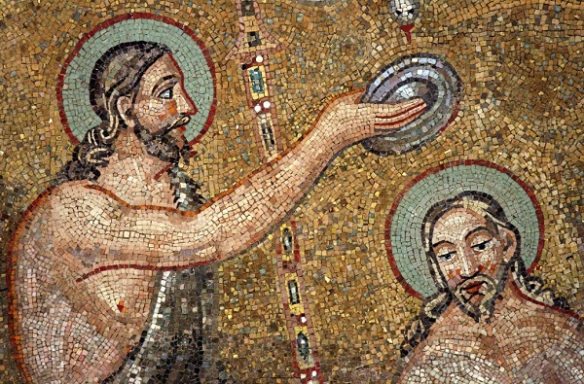
The Baptism of Christ by John the Baptist in the Jordan River. Detail of dome mosaic in the Battistero Neoniano (Orthodox Baptistery) in Ravenna, dating from 451-75. On lower right is a personification of the Jordan River as an old man rising from the water, holding a reed in one hand and offering a garment to Christ in the other. The right arm and dish of John the Baptist, the dove, and Christ’s head are 18th- and 19th-century restorations; the rest is original.

Even John the Baptizer is presented by Luke as also so sure of who he was as the precursor of the Messiah. Among the expectant people and John, we realize that indeed, growth happens the moment we accept who we are.

Examine the testimonies of many devotees of the Nazareno at Quiapo, of how they support each other in their woes and sufferings in life that we find a sort of theophanies by God, something like what we have heard from the first reading today, “Comfort, give comfort to my people, says your God” (Is.40:1). That comfort, that salvation, happened right there and then, in the now and not in a distant future.

Despite my “dislike” for their attitudes during the Traslacion, devotees of the Nazareno have always amazed me for daring to be truthful and honest with themselves, admitting their own sinfulness and weaknesses as they recognized too their need for help and most especially of their desire for God. This desire for God and admission of one’s sinfulness are very crucial to experience and hear God’s daily theophanies to us.

Photo by Mr. Jay Javier, 09 January 2019.

Second, for us to hear God’s theophany, we need to imitate Jesus Christ in taking the downward movement in life. His baptism at Jordan clearly illustrates this with His coming down to the Jordan valley through the mountains that evoked His own coming down from heaven to be born here on earth, in Bethlehem. 

What is so beautiful with Jesus Christ’s downward movement is essentially a being with the sinful, the sick, the rejected, the marginalized, the poor, and those considered dirty. From being purely clean and sinless, Jesus took all our dirt to be cleansed like Him. Such is the kindness of God that Paul speaks today to Titus “so that we might become heirs in hope of eternal life” (Titus 3:7).

Our world today teaches us the opposite direction Jesus Christ had taken by climbing up the pinnacle of success, of good life, of supremacy, of power, of everything! They call it “upward mobility” that has prompted everyone even those in the Church to join the rat race for being rich and famous, of being somebody, putting on masks and taking more of the goods the world offers until we get lost in misery finding no meaning at all with one’s self because we thought life is “up there.”

Jesus Christ is not up there but down here, in our very selves, in our very hearts filled and battered with our many agonies and failures, hurts and pains, weaknesses and sins. Look down more into our very selves to find Jesus in our dirt and miseries which is the message of Jesus Nazareno.

Observe all those interviewed in Quiapo have only one prayer – well-being of a loved one. They never asked to be rich or have money. Just heal a sick child or parent was the most requested prayer of devotees. Our favorite Pope Benedict XVI explained this downward movement so well:

To accept the invitation to be baptized now means to go to the place of Jesus’ Baptism. It is to go where he identifies himself with us and to receive there our identification with him. The point where he anticipates death has now become the point where we anticipate rising again with him (Jesus of Nazareth, page 18).

Photo by author, sunset in Liputan Island, Meycauayan City, Bulacan 31 December 2022.

Last but not least for our reflection is something very peculiar with Luke alone: the theophany of Jesus happened not right after His baptism but while He was praying, “After all the people had been baptized and Jesus also had been baptized and was praying, heaven was opened and the Holy Spirit descended upon him in bodily form like a dove” (Lk.3:21-22).

In the Acts of the Apostles, Luke recorded the Pentecost happened while the Apostles with the Blessed Mother Mary were all praying when the Holy Spirit descended upon them like tongues of fires which is similar with what took place at Jesus’ Baptism. In all books of the whole Bible, divine revelation is always preceded with prayer. As we shall see this year when Luke guides us every Sunday with his gospel account, he is the one who portrayed Jesus most in prayer than any of the other evangelists.

Photo by author, Garden of Gethsemane, the Holy Land, May 2017.

If we want to hear God’s theophanies to us, let us handle life with prayer which is more of listening and being one with God. Begin and end each day with prayer. There is no other way to hear God’s voice, to hear Him affirming us, to know His plans for us until we are one with with Jesus in prayer. 

In His baptism at Jordan, Jesus Christ as the Second Person in the Holy Trinity prayed not because He needed something from the Father but because He is one with Him in the Holy Spirit.  That was when the Father affirmed Him as the Christ being sent on a mission.

Through the Sacrament of Baptism we have received, we are reminded today of God’s anointing of each of us as His beloved child. May we heed His voice and be one with Him for a more blessed 2025 ahead of us as we begin Ordinary Time tomorrow. Have a blessed week. Amen.

Grudge

The Lord Is My Chef Daily Recipe for the Soul by Fr. Nicanor F. Lalog II
Thursday, Memorial of the Passion of John the Baptist, 29 August 2024
Jeremiah 1:17-19 <*{{{{>< + ><}}}}*> Mark 6:17-29
Photo from catholicworldreport.com, “The Beheading of St. John the Baptist” (1869) by Pierre Puvis de Chevannes.
A precursor of the Lord's birth,
a precursor of the Lord's death.
What a great task you have entrusted,
O God, to John the Baptist and to us
as well; many times, we forget this
role of our being like John in life
and in death, always standing
and speaking what is true and just.
Forgive us, O God,
when more often we
have allowed ourselves
to be like Herodias who
"harbored a grudge
against John."

Herod was the one who had John the Baptist arrested and bound in prison on account of Herodias, the wife of his brother Philip, whom he had married. John had said to Herod, “It is not lawful for you to have your brother’s wife.” Herodias harbored a grudge against him and wanted kill him but was unable to do so (Mark 6:17-19).

Take away, O Lord Jesus, 
the many grudges we have,
festering in our hearts,
eating up our very selves,
and poisoning our relationships
especially with those closest to us;
heal us, most merciful Jesus,
of the grudges that have tore
us apart and make us whole
again as persons, family
and friends; take away within us
whatever vestiges of grudges
we have against anyone
so we may move forward
in life, let go of revenge
and ill desires for those
who may have hurt us.
"In you, O Lord,
I take refuge;
let me never be put
to shame. In your justice
rescue me, and deliver me;
incline your ear to me,
and save me" (Psalm 71:1)
instead of harboring
grudges inside me against
anyone.
Amen.
“Salome with the Head of John the Baptist” painting by Caravaggio (1607) at the National Gallery of London; photo from en.wikipedia.org.

Expect the unexpected

The Lord Is My Chef Daily Recipe for the Soul by Fr. Nicanor F. Lalog II
Monday, Solemnity of the Birth of John the Baptist, 24 June 2024
Isaiah 49:1-6 ><}}}}*> Acts 13:22-26 ><}}}}*> Luke 1:57-66.80
Photo from Wikipedia, mosaic of Jesus with Mary and John the Baptist at the Hagia Sophia in Turkey.
Praise and glory to You,
God our loving Father
in sending us John the Baptist
as Precursor of your Son
Jesus Christ our Savior;
on this Solemnity of his birth
six months before Christmas
during the summer solstice to
remind us of John's vocation,
"a burning and shining lamp"
(John 5:35) set to decrease
when the Light that illuminates
the world appeared in December,
the winter solstice.
Everything about John pointed 
to the unexpected - his conception
in the womb of his old, barren mother
Elizabeth, his being named not after
his father Zechariah, and his life being
spent in the wilderness, not in the
temple to follow the footsteps of
his father; most of all, his "manifestation
to Israel" (Lk.1:80) was not about himself
but pointed to the Christ, Jesus our Lord
and Savior.
What is not unexpected, dear Father,
is the connection between John and
Jesus and the salvific events that have
everyone filled with joy and fear at the
same time for "surely your hand hand
was with him" (Lk.1:66).
Photo by author, Binuangan Is., Meycauayan, Bulacan, 31 December 2021.
Open our eyes and our hearts, 
merciful Father, to always expect
the unexpected in this life and mission,
to learn to withdraw in the wilderness
of our lives like John
to realize that our whole being
like his is directed to our relationship
with Jesus the Christ.
Let us decrease
so that Jesus may increase!
Let us strive to go to the wilderness
to empty ourselves to be filled
by the Holy Spirit;
most of all,
let your words comfort us
when life becomes so difficult
in being a herald of Jesus by proclaiming
repentance and conversion (Acts 13:24):

“You are my servant, he said to me, Israel, through whom I show my glory. Though I thought I had toiled in vain, and for nothing, uselessly, spent my strength, yet my reward is with the Lord, my recompense is with my God” (Isaiah 49:3,4).

How wonderful
that when I learn to expect
the unexpected from You,
O God,
that is when I am less,
Jesus becomes more in me,
then truly,
You are most gracious,
Father through me,
like John.
Amen.
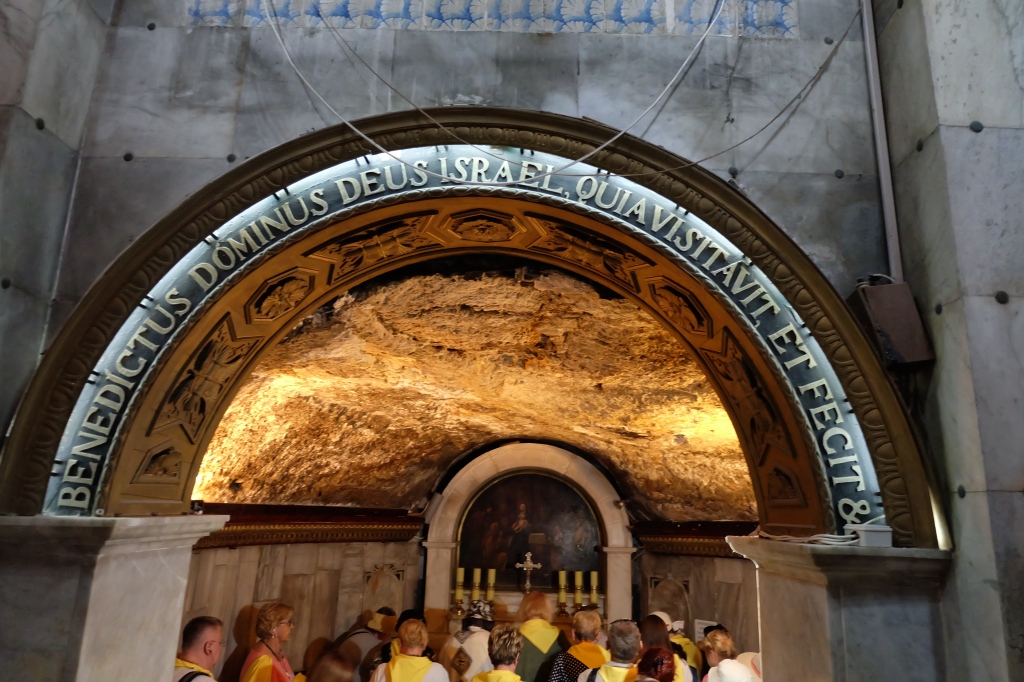
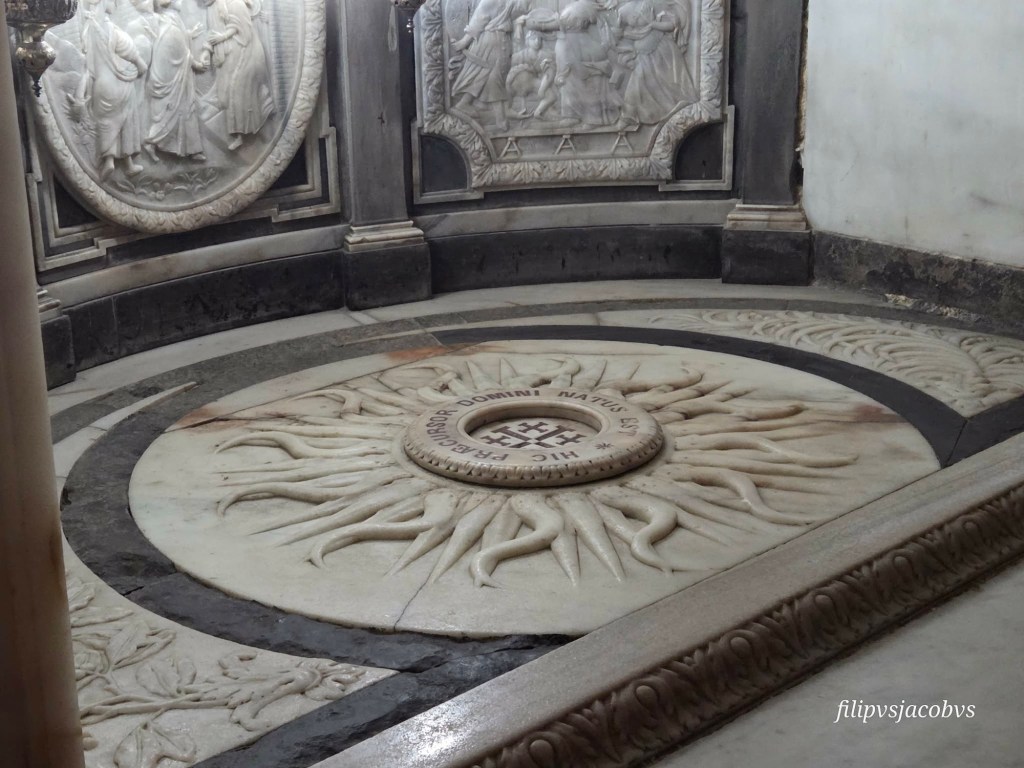
Photo by author, birthplace of St. John the Baptist beneath the church in his honor in Ein Karem, Israel, May 2019

Rend the heavens, O Lord

The Lord Is My Chef Daily Recipe for the Soul by Fr. Nicanor F. Lalog II
Feast of the Baptism of the Lord, 08 January 2024
Isaiah 55:1-11  <*{{{{>< + ><}}}}*>  Mark 1:7-11
How lovely, dear God our Father,
that at the start of work and classes
this 2024, we heard from Mark
the start of his gospel where he told us
the baptism of your Son Jesus,
the fulfillment of your promises of old
announced by his precursor, John the Baptist.

On coming out of the water he saw the heavens being torn open and the Spirit, like a dove descending upon him. And a voice came from the heavens, “You are my beloved Son; with you I am well pleased.”

Mark 1:10-11
Oh how I love that part of Mark's narration
of "the heavens being torn open",
so evocative of your power, almighty Father
of intervening into our lives,
of rending the sky to come down
upon us to bring order,
to bring peace,
to bring salvation in Jesus!
At the end of his gospel,
Mark spoke anew of how Jesus
at his last breath “rending” the curtain
at the sanctuary of the temple
was torn in two from top to bottom (Mk.15:38).
Everyday you open the heavens for us,
dear Father in Christ Jesus,
calling us your beloved children,
pouring upon us all your blessings
not only the material things we need
but all good things we need
to live fully as you have told Isaiah in
the first reading:

Thus says the Lord: All you who are thirsty, come to the water! You who have no money, come, receive grain and eat; come, without paying and without cost, drink wine and milk! Heed me, and you shall eat well, you shall delight in rich fare. Come to me heedfully, listen, that you may have life. I will renew with you the everlasting covenant, the benefits assured to David. For my thoughts are not your thoughts, nor are your ways my ways, says the Lord… so shall my word be that goes forth from my mouth; my word shall not return to me void, but shall do my will, achieving the end for which I sent it.

Isaiah 55:1-3, 8, 11
Loving Father,
let us not reject your call
and invitation in Christ Jesus
to be one with him in this world;
forgive us when most often,
we think of the difficulties in keeping
your commandments without realizing
they are "not burdensome" (1 John 5:3)
because the more we sin,
the more life gets harder
and difficult for us.
Let us hold on your assurance of love 
on this feast of the Lord's baptism,
of how your favor rests upon us in Christ Jesus;
let us heed your calls so we may see
you rending the heavens apart,
coming to our rescue,
coming to our aid
in your loving presence.
Amen.

Advent is making Christmas happen

The Lord Is My Chef Daily Recipe for the Soul by Fr. Nicanor F. Lalog II
Saturday, Misa De Gallo VIII, 23 December 2023
Malachi 3:1-4, 23-24 <'[[[[>< + ><]]]]'> Luke 1:57-66
Photo by author, Church of St. John the Baptist (birthplace) also in Ein Kerem, other side of Church of Visitation, May 2019.

We Filipinos always thought prophets are “fortune-tellers” who predict the future because “prophecy” is wrongly translated as “hula”; thus, when somebody says something would happen and becomes fulfilled, it is often described as “prophetic” because “nahulaan niya”.

But a prophet is neither a fortune teller nor someone who sees the future: a prophet is first of all a spokesman of God.  The great prophets of Israel like Isaiah, Jeremiah, Daniel, Elijah even Moses all spoke for God.  It was in their task of speaking for God that they seemed like seers when everything they have spoken happened – but not because they saw the future but more because they made God’s words happened. 

Being a prophet or prophetic is making things happen not seeing what is going to happen. This is the meaning of our sharing in the prophetic ministry of Jesus as baptized Christians when in our speaking and standing for the truth of the Gospel, we make Jesus present in the world. 

Hence, in that sense, advent is actually making Christmas happen! And that is why John the Baptist is considered a prophet because in preparing the way of the Lord, he already made Jesus present in his time that he was mistaken to be the Christ.

When the time arrived for Elizabeth to have her child she gave birth to a son.  When they came on the eighth day to circumcise the child, they were going to call him Zechariah after his father, but his mother said in reply, “No.  He will be called John.”  So they made signs, asking his father what he wished him to be called.     He asked for a tablet and wrote, “John is his name,” and all were amazed.  Immediately his mouth was opened, his tongue freed, and he spoke blessing God.  All who heard these things took them to heart, saying, “What, then, will this child be?”  For surely the hand of the Lord was with him.

Luke 1:57, 59-60, 62-64, 66
Photo by author, apse of Church of St. John the Baptist also in Ein Kerem, other side of Church of Visitation, May 2019.

In our first reading, we have heard the prophet Malachi declaring the coming of the great prophet Elijah, later understood in the time of Jesus as a reference to John the Baptist, with all the functions of a precursor of the Christ. 

Malachi is the last of the prophets in the Old Testament who showed us the transition into the New Testament through John the Baptist that Luke beautifully employed in presenting Zechariah and Elizabeth as links from the Old Testament like the patriarch Abraham and Sarah as well as Elkanah and Hannah, parents of another great prophet, Samuel. 

Recall the annunciation of John’s birth that was reminiscent of the annunciation of the birth of Isaac to Abraham and Sarah while the Temple setting was very similar to the annunciation of Samuel’s birth to Elkanah and Hannah who then prayed in the Lord’s tent who was mistaken for a drunk by the chief priest of that time, Eli. 

That is the artistry of Luke who portrayed to us this Old Testament links of John the Baptist so that in some Eastern churches until now you find above their entrance doors murals of the Baptist followed by the Blessed Virgin Mary at the middle and then Jesus to show how St. John marked the end of the Old Testament leading to the New Testament that started with Mama Mary when she accepted Jesus in her womb. It is the reason Jesus himself acknowledged John the Baptist as the greatest person ever born by a woman.


Photo by author, altar of Church of St. John the Baptist in Ein Kerem, shortly before its closure for restoration, May 2019.

We today are prophets too when we link the past with the present by continuing the work of Jesus Christ, making him present in this world. We are all bridges, linking and linked with one another in Christ.

Furthermore, the naming of John in itself was very prophetic because his parents made it happened to be fulfilled as God planned it wherein Elizabeth insisted to her neighbors “John” would be his name while Zechariah who was mute at that time affirmed his wife by writing “John is his name.”

That is our mission in this world – to be a prophet who makes things happen by fulfilling God’s plans for us. As prophets, we must be open always to God’s work among us, to always listen to his words in people and events so that we make his words realized. When we become prophetic, we shall hear people say what Luke noted at the end of our gospel today, All who heard these things took them to heart, saying, “What, then, will this child be?”  For surely the hand of the Lord was with him (Lk.1:66).   


As we move closer to Christmas Day, the birth of John the Baptist reminds us of our prophetic role in this world of making that future a present reality by fulfilling God’s words and holy will in us. 

If we would just persevere in our prayer life, of immersing ourselves in prayer, the more we become sensitive not only of God’s presence but also of everyone like this very short story I recently found on my friend’s wall in Facebook shared by a certain Therese Williams Hudson last December 15, 2023. She wrote….

"I heard my mother ask the neighbors for salt. 
But we had salt at home.
I asked her why she asked the neighbors for salt.
And she replied: "Because our neighbors don't have much money
and they often ask us for something. From time to time
I also ask them for something small and economical,
so that they feel that we need them too.
That way, they will feel more comfortable
and it will be easier to keep asking us for everything they need.

And that's what I learned from my mother."
Photo by author, Fatima Avenue, Valenzuela City, 08 December 2023.

Lovely, is it not? The author added at the end of her story these words: “Let’s build empathetic, humble, supportive children​”​. Let’s join her but not just to have emphatic, humble, supportive children but most of all, prophetic ones, those with heightened sensitivity of God and of others made possible only by a deep prayer life where we can all be a “JOHN”, a graciousness of God who makes his divine plans realized. Amen.