Chosen to be fruitful

Lord My Chef Sunday Recipe for Soul by Fr. Nicanor F. Lalog II
Twenty-Seventh Sunday in Ordinary Time, Cycle A, 04 October 2026
Isaiah 5:1-7 ><}}}}*> Philippians 4:6-9 ><}}}}*> Matthew 21:33-43

Photo by a friend in Washngton State, 01 October 2026.

A friend recently sent me this photo of the start of autumn that brought back memories of my vacation on two occasions in the States and Canada during that most wonderful season. It even made me wondered lately why God did not give us four seasons like in other countries.

I know. It is kind of crazy and weird, even stupid especially at how a Chinese friend who took his priestly formation at UST twenty years ago used to tell me the Philippines is a paradise where we can work and play all year round unlike them who have to work hard for six months to stock food and wood because the other half of the year is so cold that they have to stay indoors most of the time. Until now he is all praises to our country so blessed abundantly in resources and natural wonders.

And indeed! Our country is a paradise – so blessed, so beautiful, so rich. And yet so poor and miserably mismanaged by us all that we perfectly fit in the first reading and gospel this Sunday:

Let me now sing of my friend, my friend’s song concerning his vineyard. My friend had a vineyard on a fertile hillside; he spaded it, cleared it of stones and planted the choicest vines; within it he built a watchtower, and hewed out a wine press. Then he looked for the crop of grapes, but what it yielded was wild grapes (Isaiah 5:1-2).

Photo by author, Pundaquit, San Antonio, Zambales, 14 May 2025.

Our country is exactly that wonderful vineyard planted by the Lord with its vast, fertile lands and long coastlines with lush greeneries of plains and mountains and despite all these, we import much of our food like rice and vegetables and fruits including fish like galunggong, even pig skins for chicharon! Like Isaiah, we ask what happened to our country?

For Isaiah, the vineyard represented Israel as the chosen people of God, so loved and cared but produced bitter fruit with their repeated infidelity and sins against God that went on until the coming of Jesus who used the same imagery into a parable of the kingdom of heaven so applicable to our own time.
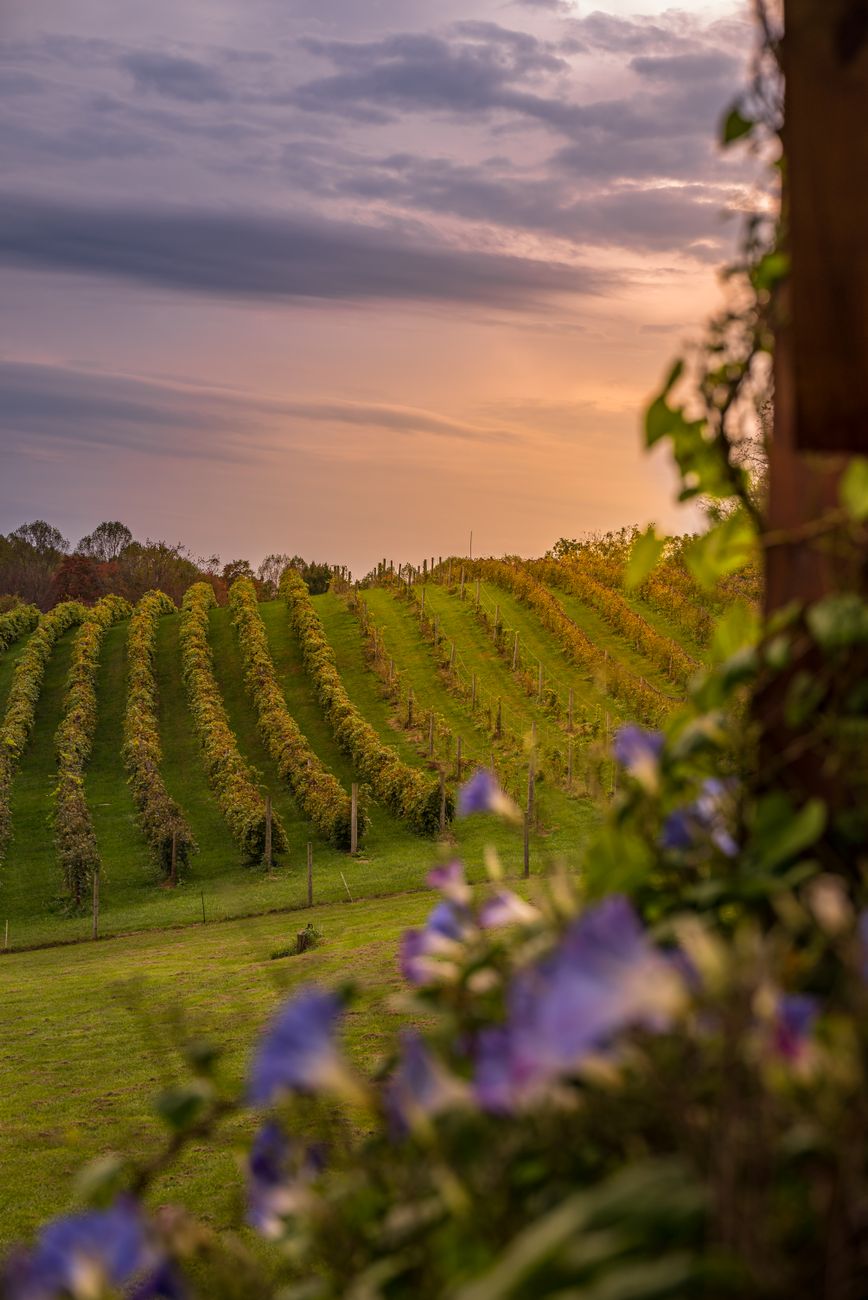
Photo by Chris F on Pexels.com

Jesus said to the chief priests and the elders of the people: “Hear another parable. There was a landowner who planted a vineyard, put a hedge around it, dug a wine press in it, and built a tower. Then he leased it to tenants and went on a journey. When vintage time drew near, he sent his servants to the tenants to obtain his produce. But the tenants seized the servants and one they beat, another they killed, and a third they stoned. Again he sent other servants, more numerous than the first ones, but they treated them in the same way. Finally, he sent his son to them, thinking, ‘They will respect my son.’ But when the tenants saw the son, they said to one another, ‘This is the heir. Come, let us kill him and acquire his inheritance.’ They seized him, threw him out of the vineyard, and killed him (Matthew 21:33-39).

Jesus was still in the temple area where his enemies have gathered to seek ways of putting him under arrest. His parable of the wicked tenants is so similar with Isaiah’s that speaks too at the same time of ourselves and of our time, of how we have become like those wicked tenants taking the “vineyard” as totally ours. Like those tenants, we have claimed and possessed on our own this very life as “mine” and therefore, “owner” with every right to do whatever we want like have abortion, take contraceptives, have casual sex, even decide which gender to choose!

We have “overstretched” our rights without any regard at all to others and to environment. Consciously or unconsciously, we have deleted God from life that we have become relativistic without absolute morals and morality because we have made ourselves the measure and standards of everyone and everything – because, we own the “vineyard”.

Photo by Dra. Carol Reyes-Santos, MD, in Southern California, October 2023.

Then we wonder like Isaiah why we harvest bitter, wild grapes of broken relationships and emptiness despite the plethora of technologies and gadgets we now have? Or, like the chief priest and elders so angrily telling Jesus how the wicked tenants must be punished for usurping the vineyard and putting the owner’s son to death when in fact we are them?

Jesus said to them, “Did you never read in the Scriptures: The stone that the builders rejected has become the cornerstone; by the Lord has this been done, and it is wonderful in our eyes? Therefore, I say to you, the kingdom of God will be taken away from you and given to a people that will produce its fruit” (Matthew 21:40-43).

Here now lies the good news this Sunday: in Isaiah’s parable of the vineyard, God is distinct from the vineyard but in Christ’s parable, we are the vineyard of the Lord because Jesus is one with us being the Son of the owner sent to gather his share of produce.

Jesus promises us today of better produce to be shared and enjoyed not only in eternity but right here in this life for we are the Lord’s vineyard called to be fruitful. As a continuation of last Sunday’s parable of the two sons, Jesus gives us today the chance to make that wise and good decision of finally doing what is right, just and good. Of finally obeying the Father as St. Paul beautifully reminds us in the second reading to be like him, an imitator of Christ becoming someone who could be imitated by others as witnesses of Jesus, striving for “whatever is pure, whatever is lovely, whatever is gracious” (Phil. 4:8).

Recent news of how a group of ordinary people on board a flight from Dubai to Tel Aviv prevented the crash of their plane is a remarkable story of taking care of the Lord’s vineyard, of how it always bear good fruits. The so-called heroes of FlyDubai were all very ordinary like us; what enabled them to be heroes was their being true and faithful in their responsibilities like the mother who went to attend to her daughter in the toilet and became the first to notice trouble in the cockpit; the Indian captain who for many years of flying had always thought of the lives depending on him who struggled to rise and opened his cockpit door to be helped by men who knew nothing about flying and martial arts except the need to save lives by stabilizing the plane and subduing the terrorist co-pilot.

It was a story like the parables today and last Sunday of how people chose to uphold what is good, what is right, what is just. They are heroes not because of any special skills nor talents but were simply faithful in life, most likely always present for their families and friends, clients and patients. And to God ultimately.

Isaiah and Jesus invites us this Sunday to look into ourselves, at how we have tended and cared for our lives, for others in this vineyard of the Lord. Think of those many occasions we have wasted God’s blessings like our talents not put into use or never harnessed, health taken for granted and loved ones we have ignored and refused to love. Let us grab this opportunity of taking care of the Lord’s vineyard he had entrusted to us to be fruitful. It is us who benefit most in these fruits meant to make us better here and hereafter. Amen. Have a blessed week ahead!

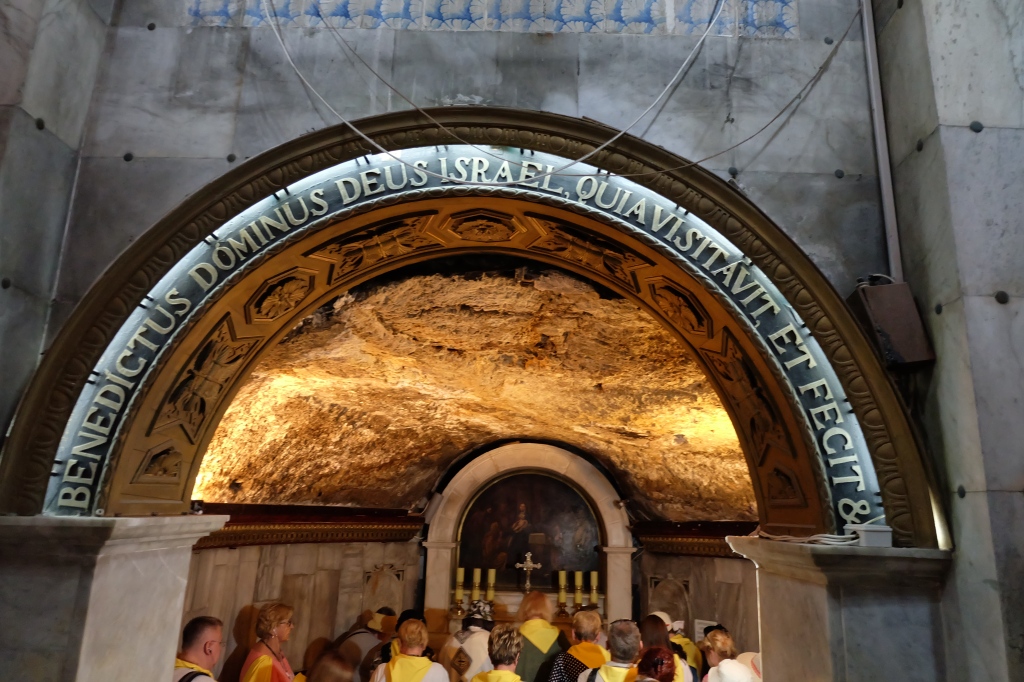
Photo by Ms. Kei Abad in Japann, October 2025.

Advent is asserting God’s plan

Lord My Chef Simbang Gabi Recipe for the Soul by Fr. Nicanor F. Lalog II
Tuesday, Simbang Gabi-VIII, 23 December 2025
Malachi 3:1-4, 23-24 <*[[[[>< + ><]]]]*> Luke 1:57-66
Photo by author, birthplace of John the Baptist under the Church of St. John the Baptist at Ein-Karem, the Holy Land, May 2019.

As we near the completion of our Christmas novena, we hear today the birth and naming of John the Baptist that is still filled with drama just like in the announcement of his birth to his father Zechariah.

Recall how Zechariah not only doubted the good news but even challenged God at “how” his barren wife Elizabeth could still bear a child. All these come into fore when that promise is fulfilled in the birth of the old couple’s child. Such is the artistry of Luke in keeping our attention, hoping we could learn and realize how we can at this modern age still be a part of the Christmas story like Zechariah and Elizabeth.

When the time arrived for Elizabeth to have her child she gave birth to a son. Her neighbors and relatives heard that the Lord had shown his great mercy toward her, and they rejoiced with her. When they came on the eighth day to circumcise the child, they were going to call him Zechariah after his father, but his mother said in reply, “No. He will be called John,” But they answered her, “There is no one among your relatives who has this name.” So they made signs, asking his father what he wished him to be called. He asked for a tablet and wrote, “John is his name,” and all were amazed. Immediately his mouth was opened, his tongue freed, and he spoke blessing God (Luke 1:57-64).

Everybody expected that this first-born’s naming would continue the family line by giving him his father’s name, Zechariah.

Photo by Ar. Philip Santiago, altar at the very site of John’s birthplace also below the Church of St. John. the Baptist in Ein-Karem, October 2025.

Imagine the sight narrated to us by Luke of everybody so happy, trying to take a piece of action while Zechariah, father of the new-born child, old, deaf, and mute was so silent like a nobody in a corner. In the Jewish society, it is the father who gives name to the children, especially to the son; but, due to Zechariah’s condition, nobody bothered to ask him so that their neighbors who were all epal as we call in Filipino, assumed that role.

However, keep in mind that up until that time it was only Elizabeth who clearly believed in what was God doing to them, having instructed that their son would be called “John”. Feel her firm stand when she insisted on everyone, “No. He will be called John.” Be with Elizabeth as her neighbors and relatives react with disbelief, “There is no one among your relatives who has this name.”

Like Elizabeth, has there been a time for you where God has invited you to do the unexpected or out of the ordinary? How was God with you through it?

Photo by author, birthplace of John the Baptist, Church of St. John the Baptist at Ein-Karem, the Holy Land, May 2019.

When I was growing up, I have heard from my father and then from some of my superiors and colleagues in media and now in the Church of how people are more inclined to believe foolish people than geniuses and more sane people.

Look at the kind of lawmakers and officials who get elected in our countryn from the barangay to the national levels – they are only famous or well-known ether because they are actors/actresses or members of political dynasties who are totally benighted beings bereft of any love for country and fellowmen. Tuwing matatapos ang halalan, nanghihinayang na lang tayo palagi sa mga hindi naboboto na gaya nina Heidi Mendoza at Chel Diokno na sa wakas nakapasok dahil sa party-list.

When I was still a seminarian until I became a priest, I have proven on many occasions as well as in many experimentations I conducted that indeed, when you speak the truth, be honest and sincere with people, they will doubt and even hate you; but, tell them lies and fake news, bolahin mo sila, they readily believe you, even will defend and support you!

And there lies the challenge to us today: are we willing to assert no matter how unpopular what is true and good like Elizabeth and Zechariah? Can we insist on the plan of God that is even contrary to the ways of the world like these the parents of the Lord’s precursor?

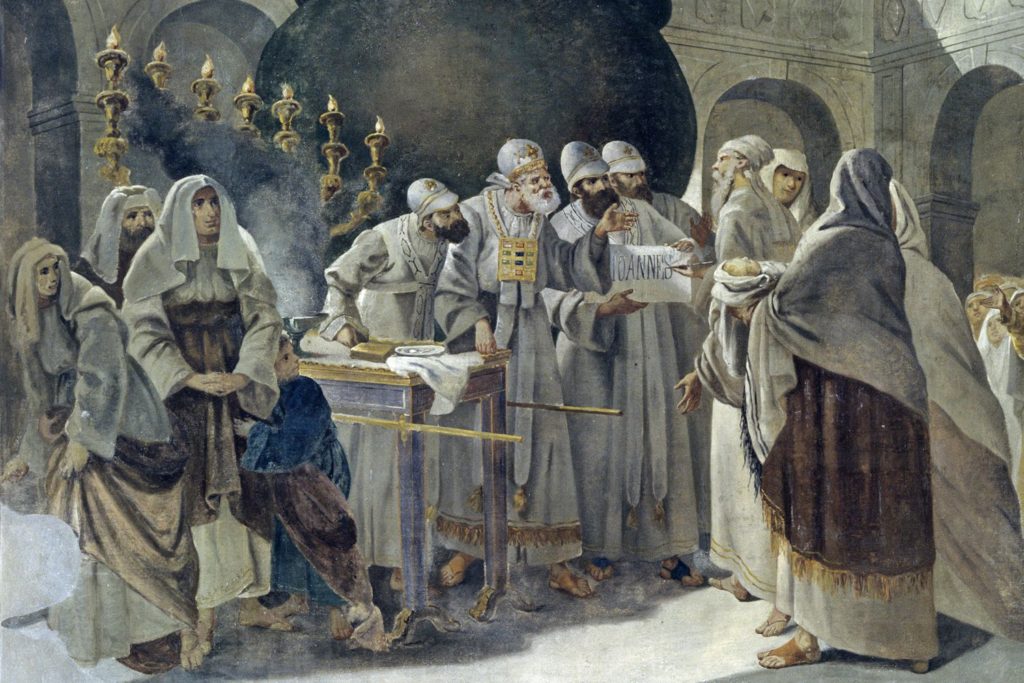
Painting by Italian Riccardo Cessi in 1892 of Zechariah giving name to his son John;from commons.wikimedia.org.

It was a crucial moment when Zechariah boldly made a stand about his faith in God, obeying the angel’s instruction to name his son “John” or Jehohanan in Hebrew that means “God is gracious” or “graciousness of God”.

How lovely is that scene Luke presents us today when amid all the noise, Zechariah made the bold move of writing on a tablet “John is his name” to confirm the name given by his wife Elizabeth that also reaffirmed the instruction to him by the Angel at his annunciation.

With a single stroke of hand, everyone felt God present among them as “fear came upon the neighbors for surely the hand of the Lord was with him” that they realized something very special with the child.

So amazing too as experienced by the people was when Zechariah asserted God’s plan by naming his son “John”, he was finally able to speak and hear again!

Photo by author, Church of St. John the Baptist, Ein-Karem, the Holy Land, May 2019.

Whenever we assert the plan of God in our lives, in our community, in our family and country, new possibilities open as we break free from all obstacles and hindrances that prevent us from growing and maturing, from being joyful and fulfilled.

Whenever we assert the plan of God in our lives, in our community, in our family and country, that is when Christmas happens because Jesus Christ comes when we become like John.

Whenever we obey and assert the plan of God in our lives, in our community, in our family and country, that is when we take that leap of faith, believe again and experience God again.

In the first reading, the Prophet Malachi spoke of how the Messiah’s precursor or messenger would be “like the refiner’s fire, or like the fuller’s lye” (3:2). Though he was referring to John, see it would be Zechariah his father who was first to be refined and purified by God by making him deaf and mute until John’s birth.

The imposed silence on Zechariah made him realize how he had been held prisoner by his disappointments and frustrations over a long period of time when God did not hear his prayers for a child. Imagine their shame being childless despite their being good persons and as husband and wife. At that time, childlessness was seen as a punishment from God, a curse. It must have been a strong blow too to Zechariah’s ego as a priest consulted by everyone for advise and prayers yet could not sire his wife with a child!

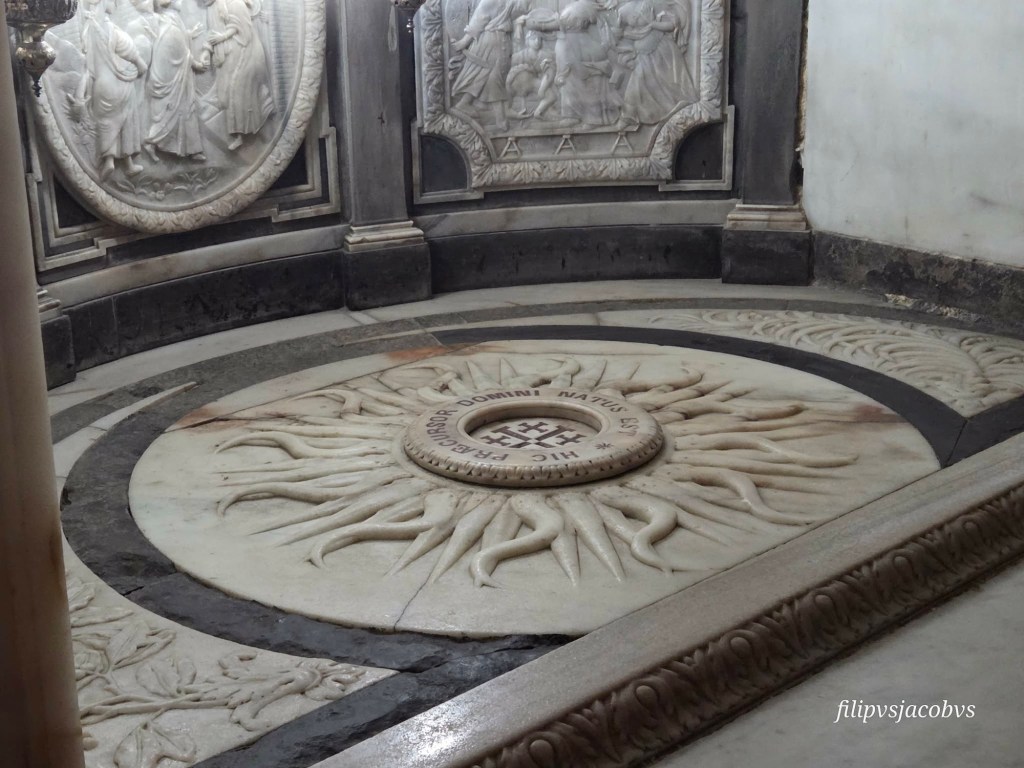
Photo by Ar. Philip Santiago, site of John’s birthplace below the Church of St. John the Baptist, Ein-Karem, October 2025.

All those negative feelings of humiliation and dejection could have caused Zechariah’s trust and faith in God to wane that even his priestly duties have become perfunctory that he never saw the tremendous grace and blessing of incensing the Holy of Holies of the temple.

Many times we have been like Zechariah, numb and even indifferent to the movements and works of God in our lives following our many failures in life. Though we may be praying with many devotions doing so many religious activities, we have actually become “spiritual dwarfs” who never grew and matured in faith. Our prayers and devotions have become mere “habits hard to break” that are empty and meaningless.

Today God is calling us to do a Zechariah, to take that bold step of asserting and insisting God’s plan like when Elizabeth and later Zechariah boldly declared in writing “John is his name”. How lovely to know too that Zechariah in Hebrew means “God remembers” while Elizabeth means “God has promised.” God remembers and keeps his promise always because he is gracious all the time. Amen. Have a blessed Christmas ahead!

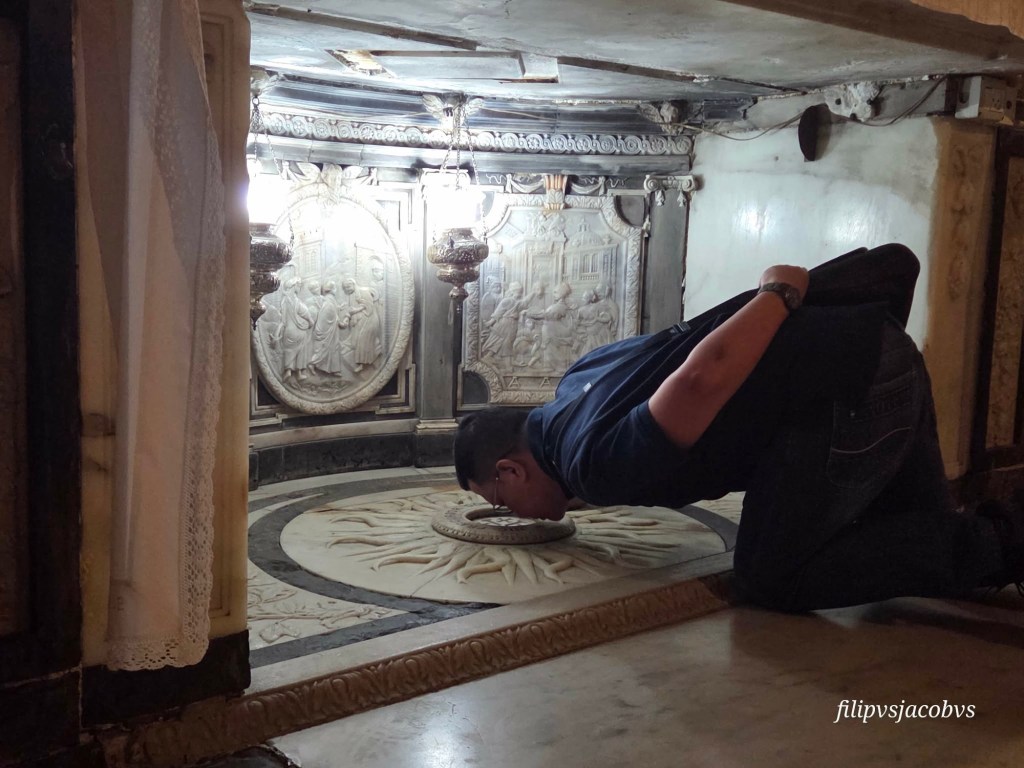
Ar. Philip Santiago reverently kissing the very site of John’s birthplace in Ein-Karem, October 2025.