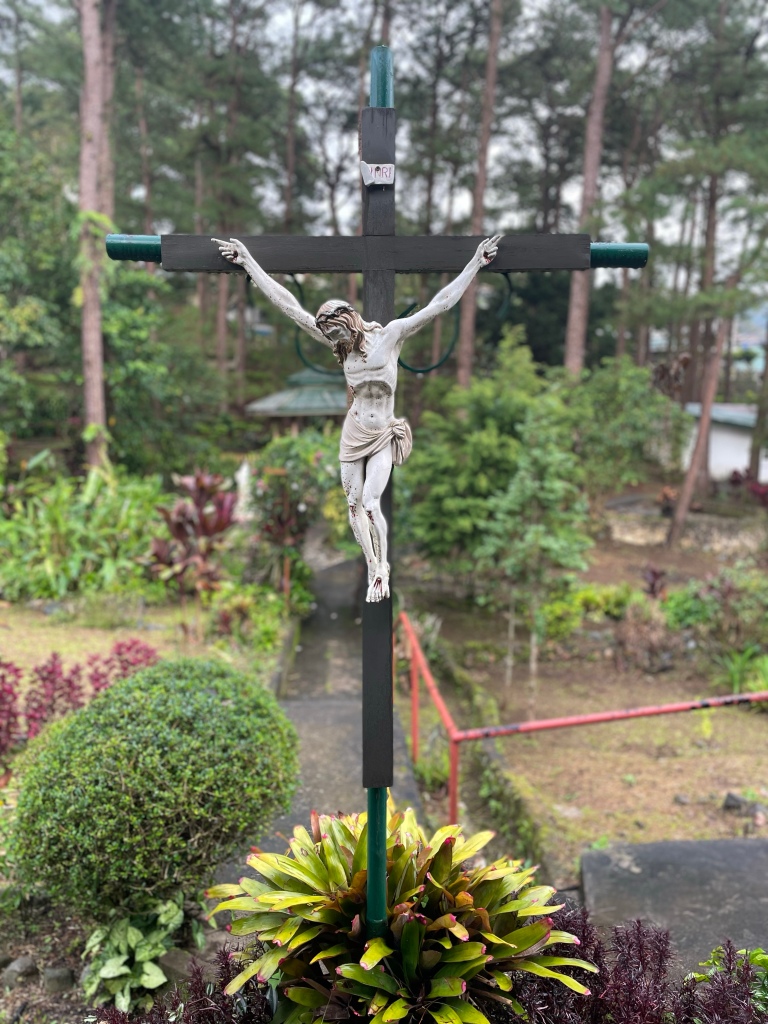
Halik Judas, halik ng pagkakasundo

Lawiswis ng Salita ni P. Nicanor F. Lalog II, Ika-16 ng Abril 2025
Larawan kuha ng may-akda, Canyon Woods Resort, Batangas, 15 Marso 2025

Tinaguriang Spy Wednesday o Gabi ng mga Taksil itong Miyerkules Santo dahil sa gabing ito nakipagkasundo si Judas Iskariote sa mga punong pari na ipagkanulo niya si Jesus kapalit ng tatlumpung piraso ng pilak.

At gayon nga ang nangyari noong Huwebes Santo pagkatapos ng Huling Hapunan, pinuntahan ni Judas ang Panginoon sa halamanan ng Gethsemane at doon hinalikan bilang hudyat ng pagkakanulo sa Kanya.

Kaya ang babala sa halik Judas.

Ang halik ni Judas kay Jesus, isang eskultura ni Ignazio Jacometti noong 1854 sa kapilya ni San Lorenzo sa Saint John Lateran Church sa Roma. Mula sa GettyImages ng iStock photos.

Marahil ay minsan o ilang ulit din tayo nakalasap ng “halik Judas” sa mga akala nating kaibigan at kakampi. Ngunit aminin din natin ang ilang pagkakataon na tayo ay nag-Judas sa mga minamahal at nagmamahal sa atin.

Ngayong Miyerkules Santo, huwag lang natin isipin mga nagkanulo sa atin kungdi mga pagkakataong nagtraydor din tayo katulad ni Judas Iscariote.

Ngayong Miyerkules Santo, aminin din natin ang maraming pagkakataon na ang ating pagka-Judas ay sadyang tunay at sagad katulad ni Judas Iscariote na kapos sa katapatan at pagtitiwala sa habag at awa ng Panginoong Jesu-Kristo.

Nang makita ni Judas na si Jesus ay hinatulang mamatay, nagsisi siya at isinauli sa mga punong saserdote at sa matatanda ng bayan ang tatlumpung salaping pilak. Sinabi niya, “Nagkasala ako! Ipinagkanulo ko ang taong walang sala.” “Ano ang pakialam namin? Bahala ka!” sagot nila. Inihagis ni Judas ang mga salaping pilak sa loob ng templo saka siya umalis at nagbigti (Mateo 27:3-5).
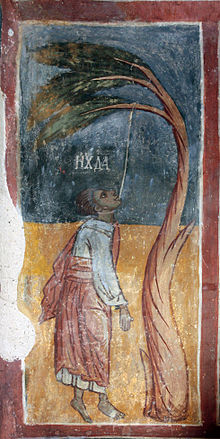
Mahirap sagutin kung nasaan na nga ba ngayon si Judas Iscariote. Pinatawad kaya siya ng Diyos gayong siya ay nagsisi naman? Mahirap itong sagutin kasi nga ay nagpakamatay siya sa pamamagitan ng pagbibigti kaya tila kulang o hindi taos ang kanyang pagsisisi.

At iyan ang isang nakakatakot na katotohanan sa ating lahat ngayon, lalo na sa aming mga pari ng Simbahan.

Hindi po natin hinuhusgahan ang nag-viral na video ng isang pari na nagpapalabas ng tindera ng palaspas noong Linggo.

Nakakalungkot ang pangyayari. At masakit ang kuwento na minura pala ng vendor si Father kaya siya ay uminit ang ulo at hindi nakapagpigil sa pagpapalabas ng mga nagtitinda sa patio.

Inaamin ko po na madaling magsalita ngayong tapos na pangyayari ng kung ano nga ba dapat ang dinawa ni Father. Mas malamang pa nga siguro, ilan sa amin ay ganoon din ang magiging tugon at magviviral. Ngunit hindi po ito paghuhusga o pagbabatikos kungdi pagninilay sa mga nangyari.

Ang problema sa atin – lalo na sa aming mga pari at alagad ng Simbahan – hindi rin taos ang pagsisisi sa mga kasalanan at kamalian katulad ni Judas Iscariote.

Tama ang ginawa ng parokya na naglabas kaagad ng pahayag sa pangyayari na kung saan sila ay humingi ng “paumanhin” sa pangyayaring “nagdulot ng lungkot at pagkabigla.” Tama na sana mga iyon pero ang haba ng kanilang pahayag na mayroong Inggles at Filipino.

Larawan kuha ni Lara Jameson on Pexels.com

Hindi siguro nila naunawaan ang gawi ng social media. Hindi mapipigilan ang mga tao sa pagpapalaganap ng ano mang viral video lalo na kung pari o taong mayroong sinasabi ang sangkot. Kapag lumabas na sa social media, mahirap nang habulin. Higit sa lahat, maigsi lang ang pahayag para kagat agad, wika nga.

Sa halip ng mahabang paliwanag sa pangyayari, mas mainam na nagpahayag na lamang ng pagsisisi, ng pag-amin sa pagkakamali. No ifs, no buts sabi sa Inggles. Wala nang saysay ipaliwanag pa ang buong pangyayari dahil marami pa ring masasabi kung paano sana iyon naiwasan.

Hindi lamang ito ang pagkakataon na nag-viral kaming mga pari sa social media at sa kabila ng pagkakamali at pagkakasala, hindi makita ang taos pusong pagsisisi dahil palaging mayroong paliwanag.

Nasaan ang kadalisayan ng paghingi ng paumanhin kung agad namang susundan ng paliwanag? Ganyan din sa kumpisalan: palaging may paliwanag mga tao sa pagkakasala. E… ano ba talaga? Nagtitika ba tayo sa ating kasalanan kung mayroon tayong paliwanag at palusot sa tuwina?

Ipagpatawad ng mga kapatid kong pari pero aminin natin ito ang malaki nating problema lalo na sa Pilipinas: palagi na lamang mayroong paliwanag at pagtatanggol sa mga paring nagkakamali at nagkakasala. Hindi ba?

Larawan kuha ng may-akda, Sacred Heart Novitiate, Novaliches, QC, 17 Marso 2025.

Sapat-sapat na ang isang tunay at tapat na pag-amin at paghingi ng paumanhin o tawad sa kamalian at kasalanan.

Hindi ko sinasabing ipako sa krus ang nagkakasalang pari. Ang problema, wala tayong hinarap at tinapos na kaso ng pang-aabuso ng kapangyarihan maski sa atin-atin man lamang.

Bakit ang hirap sa amin na humingi lang ng tawad na sa obispo o kapwa pari, o mga parokyanong nasaktan?

Marahil hirap kaming umamin dahil ang tiwala namin ay nasa aming sarili tulad ni Judas Iscariote at hindi kay Kristo.

Hanggang sa huli tulad na Judas Iscariote, halos kami ay magbigti, hindi matanggap ang katotohanan na kulang kami sa pagtitiwala kay Jesus.

Hindi kami makapagtiwala ng lubos kay Jesus di lamang sa Kanyang hatid na kapatawaran kungdi sa kanyang liwanag at karunungan upang malampasan ano mang kasamaan at pagkakamali na aming nagawa. Duda kami kay Jesus baka hindi umamin aming nakaaway. Duda kami kay Jesus na madiriin kaming lalo e kalabaligtaran ang nangyayari kadalasan.

Tingnan paano sa mga sumunod na mga balita, maraming mga tao nagpahayag pa rin ng pag-unawa at suporta kay Father. Iyan ang biyayang nalilimutan naming mga pari palagi – higit pa rin ang tiwala at pag-galang ng mga tao sa pari.

Larawan buhat sa thesacredpage.com.

Ito ang malaking kaibahan ni Simon Pedro kay Judas Iscariote: bagaman walang sinasaad sa mga ebanghelyo ng kanyang pag-amin man lang sa kasalanang itinatwa niya si Jesus, maliwanag ang kanyang pagsisisi at pagtitiwala sa Panginoong muling nabuhay doon sa may lawa nang tatlong ulit siyang tanungin ng “Simon, anak ni Juan, iniibig mo ba ako?”.

Pagmasdan na pagkatapos umamin si San Pedro sa kanyang tatlong ulit na pagtatatwa at masabi kay Jesus na “Opo iniibig kita” saka lamang siya sinabihan ng Panginoong “sumunod ka sa akin” (Jn. 21:15-19). Marahil ay nagyakap ang Panginoon at si Simon Pedro pagkatapos noon at nagbigayan ng halik ng kapayapaan gaya ng kaugalian ng mga Judio.

Kung mayroong halik Judas, mayroong halik ng kapayapaan ni Kristo tulad sa Banal na Misa kung saan mayroong pagkakasundo ang dating nagkaalitan o nagkasamaan ng loob.

Yaong katagang pagkakasundo ay napakayaman sa kahulugan. Hindi ba kapag tayo ay susundo sa airport o saan man, kailangan nating iwanan ating kinaroroonan upang tayo ay magtagpo? Ang pagkakasundo o reconciliation sa Ingles ay ganun din: iwanan natin ang nakaraang pangyayari upang tayo ay magtagpo at magkasundo, magkaisa at muling mabalik dating mabuting samahan. Tingnan ang daloy ng pag-amin at paghingi ng tawad siyang naghahatid sa pagkakasundo at saka lamang magkakaroon ng pagsunod kay Kristo. O kanino mang ating natraydor.

Inyong subukan ngayong mga Mahal na Araw upang malubos inyong kagalakan sa Pasko ng Pagkabuhay. Amen.

Larawan kuha ng may-akda, 14 Abril 2025.

“My Ever ChangingMoods” (1984) by the Style Council

Lord My Chef Sunday Music by Fr. Nicanor F. Lalog II, 13 April 2025
Photo by author, Sacred Heart Novitiate, Novaliches, QC, 17 March 2025.

Today we begin the Holy Week with the celebration of Palm Sunday in the Lord’s Passion.

See how since the entry of Jesus to Jerusalem more than 2000 years ago, nothing much have really changed among us – we are still the same fickle-minded people who would sing “Hosanna in the highest” and later shout “crucify him! crucify him!”.

Everybody wants to become better, each one wishing for so many things without really realizing the good things we are hoping for are all right in front us if we could just open our eyes or listen more or perhaps have a change of heart to realize everyday is a Palm Sunday too for us when God comes right into us to fulfill us.

However, many times whether in our wishful thinking or future-looking and planning, it is highly probable that what we long for is already present to us.

As we begin the Holy Week with the celebration of Palm Sunday in the Lord’s Passion, we are reminded by the liturgy with its long readings how so often in life, we just need to see with different eyes, hear with different ears, expect with different hearts to find fulfillment, peace and joy.

The sad truth is that many times, we really do not know what we want and most of all, we also do not know what we are doing because we are so far from Jesus Christ. https://lordmychef.com/2025/04/12/when-we-do-not-know-what-we-are-doing/

The night before I wrote my homily yesterday, I was posting some reels in my Instagram account when one of the music I used was the Style Council’s 1984 hit “My Ever Changing Moods”. Composed by the group founder Paul Weller who shot to fame in the 1970’s as lead singer and guitarist of the British rock band The Jam, “My Ever Changing Moods” is the Style Council’s fifth single.

Aside from Weller’s superb vocals, “My Ever Changing Moods” is so remarkable in what shall we describe as “subtle intensity” – ang tindi ng dating as we say. Despite the message conveyed by its title, the song is heavy in meanings that can stir one’s soul with its light and easy poetry yet so penetrating. That is why we right away felt its direct link with Palm Sunday.

Daylight turns to moonlight and I'm at my best
Praising the way it all works, and gazing upon the rest, yeah
The cool before the warm, the calm after the storm

I wish to stay forever, letting this be my food
Oh, but I'm caught up in a whirlwind
And my ever changing moods, yeah

Many times in life, we forget that reality of how everything is like the weather that shifts and changes in a rhythmic pattern, “Daylight turns to moonlight…the cool before the warm, the calm after the storm.” The key is openness to these changes happening in us and around us.

Though Weller and critics claim of the song’s political undertones, we see something deeper, something spiritual that we find it so appropriate in this time as we enter the holiest days of the year. Notice these final four stanzas how they convey love and order, something so similar to Jesus Christ’s first words when crucified more than 2000 years ago, “Father, forgive them for they know not what they do” (Lk.23:24).

Teardrops turn to children who've never had the time
To commit the sins they pay for through another's evil mind
The love after the hate, the love we leave too late

I wish we'd wake up one day, an' everyone feel moved
Oh, but we're caught up in the dailies
And an ever changing mood, yeah

Evil turns to statues and masses form a line
But I know which way I'd run to, if the choice was mine
The past is knowledge, the present our mistake
And the future we always leave too late

I wish we'd come to our senses and see there is no truth
In those who promote the confusion
For this ever changing mood, yeah
Photo by author, Sacred Heart Novitiate, Novaliches, QC, 17 March 2025.

What do we really know at all that we continue to crucify Jesus today, nailing him on the cross with our many sins as we pretend and assume to know so many things in life?

To know in the Jewish mind is to have a relationship, an activity more of the heart than of the mind. To know is to love, to care. Therefore, when Jesus prayed to the Father to forgive them for they know not what they do is to forgive them because they refuse to love which is what sin is all about. And that is what we still do not know until now – to love, to care for one another that we keep on crucifying Jesus Christ.

Until now, we pretend to know a lot that some nations resort to wars while some blind followers insist on what they know as right while evading the truth with their fake news being spread to cover crimes and atrocities. Until now we pretend to know what we are doing that everyday everywhere is a road rage happening often costing lives senselessly because many insist on their rights. And the confusions and quarrels and deaths continue because we do not know what we are doing. Like Paul Weller, we pray to Jesus that we’d come to our senses and see there is no truth// In those who promote the confusion// For this ever changing mood, yeah.

For this piece, we chose the slow version on piano of Style Council’s “My Ever Changing Moods” to be more attuned with Palm Sunday; you may check their original music video which is equally excellent.

From YouTube.com

When we do not know what we are doing

40 Shades of Lent by Fr. Nicanor F. Lalog II
Palm Sunday of the Lord's Passion, Cycle C, 13 April 2025
Isaiah 50:4-7 ++ Philippians 2:6-11 ++ Luke 22:14-23:56

Photo by author, Palm Sunday in our previous parish, 2019.

If we were given one wish with a guarantee that it would be fulfilled, what would that wish be?

Of course, each of us would have different wishes depending on what really matters for us like healing or good health for someone who is sick, wealth for one who is poor, even youth for someone already old. No matter what our wish, it is always a desire for a better future, a chance to change any dissatisfaction we have in our present condition.

However, many times whether in our wishful thinking or future-looking and planning, it is highly probable that what we long for is already present to us.

As we begin the Holy Week with the celebration of Palm Sunday in the Lord’s Passion, we are reminded by the liturgy with its long readings how so often in life, we just need to see with different eyes, hear with different ears, expect with different hearts to find fulfillment, peace and joy.

The sad truth is that many times, we really do not know what we want and most of all, we also do not know what we are doing because we are so far from Jesus Christ.

Then Jesus said, “Father, forgive them, they know not what they do.” (Luke 23:34)

Photo by author, Chapel of the Holy Family, Sacred Heart Novitiate, Novaliches, QC, 2016.

Consistent with his theme of the mercy and forgiveness of God to us as shown the other Sunday in the parable of the prodigal son, Luke presents to us again this most wondrous and touching trait of God in Christ even while crucified.

Again, only Luke has this detail of Jesus praying for forgiveness for his enemies while being reviled and mocked by them on the cross. It is one of the many examples of Luke’s artistry in presenting to us God’s mercy and forgiveness in Christ in a sort of play of words, “Father, forgive them, they know not what they do” as we confront our selves with the question, “what do we really know?”

What do we really know at all that we continue to crucify Jesus today, nailing him on the cross with our many sins as we pretend and assume to know so many things in life?

To know in the Jewish mind is to have a relationship, an activity more of the heart than of the mind. To know is to love, to care. Therefore, when Jesus prayed to the Father to forgive them for they know not what they do is to forgive them because they refuse to love which is what sin is all about. And that is what we still do not know until now – to love, to care for one another that we keep on crucifying Jesus Christ.

Photo by author, Chapel of the Holy Family, Sacred Heart Novitiate, Novaliches, QC, 2016.

Until now we pretend to know the truth by waging wars in various parts of the world with more than half of them ironically due to our different religious beliefs! Debates continue on who must live and who must die as lawmakers pretend to know the truth with their proposals for abortions and artificial contraceptives as well as capital punishment.

Until now we pretend to know the truth as some sectors push for divorce and same sex marriage that destroy the family. Out in the streets are the daily road rage happening with everyone pretending to know the truth on who has the right of way even at the cost of life and dignity of a person.

Until now we pretend to know the truth in all those fake news and speeches defending immoralities and crimes committed against many poor people never given a fair chance to defend themselves from accusations as drug users and pushers. What a shame when some people claim to know the truth asserting freedom of expression by making fun of women and sex as well as those terminally sick or taking advantage of those with disabilities just to win votes in the coming elections.

See how almost everyone would claim to know the truth but what we actually show is our ignorance and lack of any knowledge at all of the realities around us as our problems become more complex that lead to more deaths, more disillusions, more anxieties and more emptiness in life.

Until now as we pretend to know the truth when in fact we know nothing at all that we continue to crucify Jesus Christ who – thankfully continues to pray to the Father to forgive us for we do not know what we are doing.

Photo by author, Chapel of the Holy Family, Sacred Heart Novitiate, Novaliches, QC, 2016.

See how in his passion narrative Luke invites us to enter every scene, to find our roles, of whether we are on the side of Jesus or not because neither the Jewish leaders nor the Roman officials even the Apostles understood anything at all. Jesus was crucified because they did not know what they were doing.

Notice how Luke shuffled different scenes, contrasting the ignorance of characters with the certain knowledge of Jesus: Peter denied him thrice while he blanked all lying efforts of the Sanhedrin; Pilate sent Jesus to Herod to find the truth but both were too coward to acquit him that though enemies for a long time, they eventually became friends because of Jesus(!); and while crucified there on the cross, the people who reviled Jesus are contrasted with the centurion who realized him as the Christ at his death.

See? Who knows anything at all? And the most wonderful part of the passion narrative of Luke, he tells us about that beautiful conversations of the three men crucified on that day. One insulted Jesus while the other, the good thief, had a conversion by calling out, “Jesus remember me in paradise” and thereby stole heaven for himself!

Here we find what we were saying at the start: we keep on projecting ourselves to a better future but right here with us is Jesus Christ not knowing he is our fulfillment.

We do not know like the Jewish leaders, the Roman officials and soldiers as well as the Apostles who kept on pinning their hopes in the worldly kingdom, totally unmindful of the kingdom of God that had come in Jesus Christ’s coming.

This Palm Sunday of the Lord’s Passion invites us to slow down in our lives.

Photo by author, Palm Sunday in our previous parish, 2019.

In this Holy Week, let us empty ourselves of our pride, of everything we know about life, of ourselves and of others for us to listen really to God’s voice within us. The kingdom of God is Jesus Christ. It is not a territorial domain protected by armies and navies or tariffs and laws; we become a part of God’s kingdom in Jesus Christ when we learn to commend our spirit like him to the Father amid our crosses in life.

Please, the Holy Week is meant for God, for us to meditate and pray his great love for us in Jesus Christ who suffered and died for us on the Cross. Let us return to him so we may know him, love him and follow him. Amen.

Lent is silence in the Lord like St. Joseph

40 Shades of Lent by Fr. Nicanor F. Lalog II, 19 March 2025
Solemnity of St. Joseph, Husband of the Blessed Virgin Mary
2 Samuel 7:4-5, 12-14, 16 + Romans 4:13, 16-18, 22 + Matthew 1:16, 18-21, 24
Photo by author, Sacred Heart Novitiate, Novaliches, QC, 17 March 2025.
God our most loving Father,
thank you for this Solemnity of St. Joseph,
the most chaste husband of the Blessed Virgin Mary
who witnessed to us with his life of faith
the important aspects of Lent
that have become a rarity these days -
silence and stillness in you.
In this world of 24-7
when everything is "instant",
we have lost the sense and beauty
of silence and stillness in you,
O Lord, making us to drift farther
away from you,
not believing you,
not obeying you
relying more in our powers
and control of everything.

But life is not about doing
and things as your Son Jesus
have shown us:
life is about being and loving,
of persons in whom we find you
and meaning of our lives.

Joseph her husband, since he was a righteous man, yet unwilling to expose her to shame, decided to divorce her quietly. Such was his intention when, behold, the angel of the Lord appeared to him in a dream and said, “Joseph, son of David, do not be afraid to take Mary your wife into your home…She will bear a son and you are to name him Jesus, because he will save his people from their sins.” When Joseph awoke, he did as the angel of the Lord had commanded him and took his wife into his home (Matthew 1:19-20, 21, 24).

Photo by author, Sacred Heart Novitiate, Novaliches, QC, 17 March 2025.
Teach us, Jesus
to be like St. Joseph
your foster father
to be holy and righteous:
obedient to your laws
but most of all,
faithful and loving to God
through one another.
Teach us, Jesus
to be like St. Joseph
your foster father
to be silent because
silence is the domain of trust:
let us trust you more 
than our selves,
than our gadgets,
than our modern thoughts
and beliefs;
teach us Jesus
to be like St. Joseph
to be still in this time
when everyone is easily
agitated foolishly
by the cacophony of
various shouts and cries
in social media that are mostly
not true.
Photo by author, Sacred Heart Novitiate, Novaliches, QC, 20 March 2024.
Teach us, Jesus,
that life is a daily Lent,
of being silent and still
in your presence,
in your voice,
in your plans
so that like St. Joseph
your foster father
we may take care of you
found in each one of us
especially the weak
and the poor.
Amen.

When did…?

40 Shades of Lent by Fr. Nicanor F. Lalog II
Monday, First Week in Lent, 10 March 2025
Leviticus 19:1-2, 11-18 + + + Matthew 25:31-46
Photo by author, view of Metro Manila from balcony of Timberland Highlands Resort, San Mateo, Rizal, 08 March 2025.
Then the righteous will
answer him and say,
"Lord,
when did
we see you hungry and feed you,
or thirsty and give you drink?
When did
we see you a stranger and
welcome you, or naked
and clothe you?
When did
we see you ill or in prison,
and visit you?"
(Matthew 25:37-39)
How I long and pray
I would someday be asking
this same question to you,
Lord, totally surprised,
wondering what happened
when all I did was do something
naturally as second nature,
without much thinking and ado
in being kind and charitable,
in responding to anyone who is
hungry or thirsty,
stranger or naked,
ill or in prison.
You are so great,
dear Jesus in teaching us
not to think of kindness and
being Christian as a list to be
kept and checked always
but simply a way of life
in doing what is right,
what is good
for we are all your kin
in one God and Father
who is Lord of all
(first reading).
Photo by author, same view taken later that night,Timberland Highlands Resort, San Mateo, Rizal, 08 March 2025.
Then they (the accursed)
will answer and say,
"Lord,
when did
we see you hungry or thirsty
or a stranger or naked or ill
or in prison,
and not minister to your needs?"
He will answer them,
"Amen, I say to you,
what you did not do
for one of these least ones,
you did not do for me"
(Matthew 25:44-45).
Forgive us,
Jesus when our being
Christian is more on duties
and tasks like a code of ethics;
teach us to be utterly different
from others as your followers
reflecting the Father and his love
in a whole new way
especially in this time
when everyone seems
to be so cold and numb
even callous
with others around them;
animate us with your
warm presence
of joy and love
to everyone
for them to realize
there is one true Lord God
above all.
Amen.
Photo by author, same view taken with different exposure,Timberland Highlands Resort, San Mateo, Rizal, 08 March 2025.

There is always hope

The Lord Is My Chef Daily Recipe for the Soul by Fr. Nicanor F. Lalog II
Monday, Eighth Week in Ordinary Time, Year I, 03 March 2025
Sirach 17:20-24 <*((((>< + ><))))*> Mark 10:17-27
Photo by author, Atok, Benguet, 27 December 2024.

To the penitent God provides a way back, he encourages those who are losing hope and has chosen for them the lot of truth. Return to him and give up sin, pray to the Lord and make your offenses few (Sirach 17:20).

In that long poem by
your faithful French writer
Charles Peguy (1873-1914),
you claimed O God that
hope is your favorite virtue
because it surprises you.
How lovely,
dear Father to imagine
you our God,
all-powerful
all-knowing
is still surprised,
something we have lost
in this time
when everything
is predictable,
nothing ever hidden.
Many times
I see myself that young man
in the Gospel
running to you in Jesus,
excitedly asking what must
I do to inherit eternal life?
But, when you answered
and asked me to give up
my possessions,
I balk,
I turn away sadly
because I just can't
give up all I have.
But, then
comes your greatest
surprise of all when we
reject you,
when we turn away from you:
you still look at us filled with
love!
There is always hope in you,
Lord if we can just go back
to you in Jesus;
there is always hope
in this world,
in this life
because you never run out
of surprises for us
because "all things are
possible for God"
(Mark 10:27).
Amen.

More than natural, love is supernatural & divine

The Lord Is My Chef Sunday Recipe by Fr. Nicanor F. Lalog II
Seventh Sunday in Ordinary Time, Cycle C, 23 February 2025
1 Samuel 26:2, 7-9, 12-13, 22-23 ><)))*> 1 Corinthians 15:45-49 ><)))*> Luke 6:27-38
Photo by author Santisima Trinidad Parish, Malolos City, 18 March 2023.

We continue this Sunday Jesus Christ’s Sermon on the Plain with his teachings getting more disturbing, twice telling us to love our enemies. Yes, you heard it right…

Jesus said to his disciples: “To you who hear I say, love your enemies, do good to those who hate you, bless those who curse, pray for those who mistreat you… But rather, love your enemies and do good to them, and lend expecting nothing back; then your reward will be great and you will be children of the Most High, for he himself is kind to the ungrateful and wicked. Be merciful, just as your Father is merciful” (Luke 6:27-28, 35-36).

See that after selecting Twelve from among his many disciples, Jesus will be asking more from his followers that includes us today. As we have reflected last Sunday with the four woes of Christ, there is no middle ground in being a Christian. We have to make a decision, to choose Jesus always.

This Sunday, Jesus shows us it is no simple choice we have to make because loving our enemies is easier said than done.

In this age of social media when everything is blown out of proportion with everyone dragged even into the quarrels and infidelities among celebrities, the more it is difficult to avoid making enemies with many of us easily taking sides in the petty issues that are trending.

It is the same thing with our way of loving these days with how easy it is to love people who love us too. Anyone can be so nice to people nice also to them as it comes naturally.

But real love is not really that natural.

True love as Jesus had shown us on the Cross is more than the natural flow of things. It is always supernatural, beyond the natural flow of emotions. Jesus is asking us that we go beyond what comes naturally especially with love because love is a decision, a fruit of the meeting of mind and of heart, a oneness within every person that is also a sure sign of one’s maturity, spirituality.

Loving our enemies, doing good on those who do bad against us is love of the highest order. It is not weakness but actually a strength for no weakling can muster the courage and clarity to be loving with one’s enemies.

Loving our enemies is knowing better than the rest on the repercussions, the intricacies and complexities of being adamant and insistent.

This is the beautiful example shown by David in the first reading: instead of delivering into his hands King Saul he had found sleeping unguarded inside a cave while pursuing him and his men, David spared his life out of respect for God who anointed Saul as King of Israel.

See also the practicality of Jesus in teaching us to love our enemies and those who do us bad: if you only love or care or be kind with those who love and care and are kind to us, then it is not real love and caring and kindness at all you are giving. Jesus pointed out that even criminals and bad people do it. If that is the case, then, we are no different from them if we love only those who love us!

Fatima University students spent a Sunday afternoon of prayers and fun with kids with cerebral palsy and their families, 09 February 2025.

True love, real love is never transactional, never a deal nor an agreement in this age of many marriages punctuated with pre-nuptials. True love is freely given without any reservations, no ifs nor buts. As St. Mother Teresa used to say, the true measure of love is to love without measure.

Love is something we fully give away, never kept. You never scrimp on love. It is always given in full. Scrimp on your love, you lose because the love you keep and withdraw is never kept nor save. In fact, a love not shared and given becomes stale. Or expired. Napapanis.

Like the things we love eating or using, love comes without any expiration date that says “best consumed before February 23, 2025.”

Love is best when freely given and shared. Once “opened” or given, no need to keep and refrigerate it. Consume it right away! Everything. No love is ever wasted. Walang sayang na pagmamahal, lahat may pinatutunguhan at binubungang mabuti.

Photo by author, Hidden Springs Resort, Calauan, Laguna, 20 February 2025.

Love is like a natural spring water, or the waterfalls that keep flowing, watering and refreshing countless tributaries, people, plants and animals. Just keep loving! Love, love, love!

At his Sermon on the Plain, Jesus clarifies that true love like his love is first of all not of natural level and flow but of supernatural nature, divine like him. Jesus emphasized this at his Last Supper, describing it as a “new commandment of love” because it is a love rooted in God not just in man.

The following Good Friday on the Cross, Jesus proved his love as true and real. Most of all, free.

We today experience that true love of Jesus even to this day because of his rising three days after his crucifixion at Easter. This is what Paul meant in the second reading that in Jesus Christ, we have become heavenly and spiritual. The love of Christ have made us like him, divine and heavenly. What a great honor we now have! For being so loved by God in Jesus Christ, we too must love truly and freely like him!

Photo from vaticannews.va.

Last month, I strongly reacted to a statement by Rappler’s Ms. Maria Ressa in her interview before a speech at the Vatican Jubilee of Journalists.

I called her “heretic” when she told her interviewer that Filipinos should “stay away from dogmas and be good” (https://lordmychef.com/2025/01/27/on-being-good-as-a-catholic/)

That night in my prayer, I felt God “disturbed” me for being so harsh and judgmental of a journalist presumably totally unaware of the meaning of “dogma” in the Church.

The following day, I got a message from the reporter who posted that story and naturally, did not like what I wrote. As days went on, I felt “disturbed” and “uneasy” with my calling her “heretic”. After three days, I edited my blog and removed the harsh word as I realized calling others with names or labels would not help at all in clarifying things especially about our faith.

Most of all, it is not the Christian way of loving others, of putting others down just to uphold our faith and beliefs. It is not love. And I felt so afraid Jesus might personally get down from his Cross to take away that harsh word I have written.

Next month, I will be turning 60 years old, a senior sixty-cent so excited with my discount card. As I reflected these days on the immense love of Jesus for me in these 60 years, 27 as his priest, I have been praying, where in my life is God asking me to love more like Christ?

Loving our enemies is not merely the people we hate, or those who have hurt us or different from us, not like us. Loving our enemies includes those darkness within us, those weaknesses we hide and cover, sins we refuse to admit or continue to justify. Many times our worst enemies are those within us, our very selves.

It is difficult. And terrifying. Loving our enemies is easier said than done. It is also disturbing but at the same time, so liberating because the more we love, the more we feel free for Christ and for others. Amen. Have a blessed, loving week ahead.

Sharing with you a video I have taken last Thursday at the Hidden Springs Resort in Laguna; the sight and scene of a waterfalls reminded me so much of God’s love that never runs out.

Jesus takin’ us to the street

The Lord Is My Chef Daily Recipe for the Soul by Fr. Nicanor F. Lalog II
Friday, Sixth Week in Ordinary Time, Year I, 21 February 2025
Genesis 11:1-9 <'[[[[>< + ><]]]]'> Mark 8:34-9:1
Photo by Denniz Futalan on Pexels.com
What a blessed Friday,
Lord Jesus!
You are still with us,
about to cross the week
into another new set of
seven days but,
here you are again
reminding us
of our journey
that's not to a party
and all fun
but to the Cross:

Jesus summoned the crowd with his disciples and said to them, “Whoever wishes to come after me must deny himself, take up his cross, and follow me. For whoever wishes to save his life will lose it, but whoever loses his life for my sake and that of the Gospel will save it” (Mark 8:34-35).

As I prayed on this scene,
Jesus,
I could hear both the murmuring
and deafening silence
of people in the crowd
especially when you spoke
of denying, losing one's self
and that dreaded Roman
punishment, the cross!
But, yes, Jesus,
even deep down in me,
I felt at a loss...
OK na sana Lord ang lahat,
bakit may paglimot pa ng sarili
at pagpapasan ng krus?
Forgive me,
Jesus for being so used
to your words without really
appreciating them,
masticating them enough
to extract their meaning
and timeliness;
many times,
I have that attitude of the
the Tower of Babel
when all we want is to be on top,
to be in control
that is why you confused
them with many languages at that time
because we always forget
you speak only one language
in Jesus:
the language of love
by self-giving,
by self-sacrifice,
by being one in you in
the Holy Spirit.

Take us to the streets,
Jesus, to keep your words
your language
lived and spoken
especially among
the poor
and suffering.
Amen.
Photographer: Veejay Villafranca/Bloomberg via Getty Images


Jesus on the street

The Lord Is My Chef Daily Recipe for the Soul by Fr. Nicanor F. Lalog II
Thursday, Sixth Week in Ordinary Time, Year I, 20 February 2025
Genesis 9:1-13 <*{{{{>< + ><}}}}*> Mark 8:27-33
Photo by Cameron Casey on Pexels.com

Jesus and his disciples set out for the villages of Caesarea Philippi. Along the way he asked his disciples, “Who do people say that I am?” They said in reply, “John the Baptist, others Elijah, still others one of the prophets.” And he asked them, “But who do you say that I am?” Peter said to him in reply, “You are the Christ.” (Mark 8:27-29)

You are always on the move,
Lord Jesus:
you are always moving,
crossing the lake,
hiking in the mountains
and most often,
walking the streets.

What a lovely imagery
of you, Jesus,
always on the road
with me following you,
watching you,
observing you,
sometimes stopping
because of being tired
but you are always there
waiting for me.
And now,
what a lovely scene
of you back on the road again
but this time asking those closest
to you - including me! -
with that most personal question
of all: "But who do you say
that I am?"
Who are you for me, Jesus?
So many, actually.
I may not be as eloquent
like Peter, but no doubt about
who are you for me, Jesus:
my life,
my meaning,
my love,
my hopes,
my fullness.

But,
very often along this
road,
on these streets we walk
and cross,
dear Jesus
when that who are you for me
is shaken,
is tested,
even doubted
like Peter:
how could you allow
yourself and us your followers
suffer and cry,
and die?

He began to teach them that the Son of Man must suffer greatly and be rejected by the elders, the chief priests, and the scribes, and be killed, and rise after three days. He spoke this openly. Then Peter took him aside and began to rebuke him (Mark 8:31-32).

Let us think always
as God does, Jesus,
not as human beings do
seeking fame and prestige,
comfort and wealth,
self and ego;
let me walk closer with you
Jesus on the streets,
on whatever road
you take
upholding that covenant
of God with Noah to
uphold and respect
human life by
"accounting for human
life" (Genesis 9:5);
more than the colorful
rainbows of the skies,
may we always see in your
outstretched arms on the Cross
the true and new covenant
of God with us sealed in
your blood.
Amen.
Photo by author, St. Scholastica Spirituality Center, Baguio City, August 2023.

Magnanimous Jesus

The Lord Is My Chef Sunday Recipe for the Soul by Fr. Nicanor F. Lalog II
Sixth Sunday in Ordinary Time, Cycle C, 16 February 2025
Jeremiah 17:5-8 ><}}}}*> 1 Corinthians 15:12, 16-20 ><}}}}* Luke 6:17, 20-26
Photo by Haley Black on Pexels.com

After the call of his first disciples last Sunday, Jesus went on to preach in Galilee as great crowds followed him with some of them becoming his disciples too. From among these many disciples, Jesus chose twelve to be his Apostles after praying one night on a mountain (Lk. 6:12-16).

As they went down from the mountain, Jesus taught the Twelve along with his other disciples and crowd of people who have gathered to listen to him in what came to be known as his Sermon on the Plain.

Luke patterned his Sermon on the Plain on earlier account of Matthew’s Sermon on the Mount that portrayed Jesus like the new Moses and moreover, the new Law himself. Matthew’s Sermon on the Mount has a smaller audience that was limited to just the Twelve while Luke’s Sermon on the Plain had a wider audience of not just the Apostles but also the other disciples and the crowd of people who have been following him.

But, more than their differences in their setting and audience, the two sermons differ greatly in the message itself. Both Luke and Matthew begin with four beatitudes, but Matthew concludes with additional beatitudes while Luke matched the four beatitudes with four woes that frankly speaking, are very disturbing.

“But woe to you who are rich, for you have received your consolation. Woe to you who are filled now, for you will be hungry. Woe to you who laugh now, for you will grieve and weep. Woe to you when all speak well of you, for their ancestors treated the false prophets in this way” (Luke 6:24-26).

Again, Luke is telling us something deeper about Jesus in his version of the Sermon on the Plain that actually echoes the Blessed Virgin Mary’s Magnificat found only in his gospel too.

Recall in the Magnificat how Mary spoke of God sending the rich “away empty” (Lk.1:53) as he blessed the poor and the hungry. And here now is Jesus Christ fulfilling those words of his Mother.

The gospels and the whole Bible itself teem with many pronouncements against the rich and those in similar good fortune in life. Is God against the rich, those happy and those of good reputation? What’s wrong with being rich or well-off, of having our fill of food and laughter, and being spoken well of by others?

Photo by author, November 2024.

Nothing really.

Jesus is not against anyone for he loves everyone as he preached extensively on the need to love one another as we love God. If Jesus preached only love, he would have not been crucified, and most definitely would have not made so much enemies. But, the kind of love Jesus preached was so radical that shook not only the ways of the old but also of modern time because it is a kind of love that pulls down the mighty and favors the poor and those suffering. His Sermon on the Plain rings louder than ever today as we have not seemed learned from the lessons of the past. And believe it or not, the four woes declared by Jesus in his Sermon on the Plain are actually expressions of his magnanimous love, contrary to what others claim.

The four woes that are antitheses of the four blessings are not actually maledictions as most interpretations have expressed. A malediction is like a curse, an expression of one’s desire for someone’s harm like in calling down God’s wrath. The four woes of Jesus in his Sermon on the Plain is far from that reality nor a condemnation against anyone.

Photo by author, Church of the Beatitudes, the Holy Land, May 2017.

In calling the rich “woeful” along with those who are filled and those who laugh “now” as well as those of whom “all speak well”, Jesus is neither condemning them nor declaring them as evil-doers; in calling them “woeful”, Jesus reminds them and us today of being on the wrong and bad path in life that can lead to a fatal outcome or end.

Like in the parable of the rich man and Lazarus that only Luke has an account in his gospel, Jesus Christ’s “woes” are warnings – “red flags” – everyone must consider who might be in the wrong direction and wrong choices in “enjoying” life “now” without any concern for those who are suffering like the poor and the hungry, those who grieve and those maligned and hated.

Photo by Mr. Jay Javier, Quiapo, 09 January 2020.

The poor, the hungry, the weeping and the hated are blessed not simply because of their state in life but more of their willingness to forego so many worldly things “now” for they trust in God who shall deliver them to salvation and justice.

They are blessed because they have realized that things of the world are passing, something that the worldly could not accept. How sad that many today have lost sight of eternity and even of God, living only for the “now”.

Jesus is not asking us to be “masochists” or at the other end of the extreme, to be complacent in the face of widespread suffering and pains. Remember how in the synagogue at Nazareth one sabbath when Jesus launched his ministry by proclaiming from the Prophet Isaiah how the Spirit of God rested on him to bring glad tidings to the poor, liberty to captives, healing to the sick (3rd Sunday, Jan. 26).

By calling the poor and the suffering as “blessed”, Jesus assures them that God is with them and that justice shall be reestablished on “that day” when they enter the kingdom that has been prepared for them in eternal life. He called us “woe” to warn us while there is still enough time to change our course in life to be blessed not only now but in all eternity too!

Photo from forbes.com.

See how our readings this Sunday are actually about our making of wise choices in life: in the first reading, Jeremiah warns us of the consequences of trusting God or trusting humans while the psalms show us the ways of the just and the ways of the wicked; Paul in the second reading presents to us the grace of believing in Christ’s Resurrection and the folly of denying it while in the gospel, Jesus offers us blessing or woe in living.

These readings show us there is no middle ground in following Jesus nor grey areas in God. Our decisions in life define the course of our lives like what the Pepsi Cola ad used to say in the 1990’s, “we are made (or unmade) by the decision we make.”

Moreover, in giving us those four woes, Luke reminds us that in making our decisions, we must consider more than the moral but the Christological perspective of life to be like Jesus Christ – who is himself the “blessed” because he is the poor one, the hungry, the weeping and the hated.

Should we make the wrong decisions in life, Jesus remains magnanimous, remaining in us, telling us those woes over and over so we would still make the right choices in life. Don’t take it personally; Jesus cares for you.

In three weeks we shall be entering the Season of Lent. Incidentally, the last time we celebrated Sixth Sunday of Ordinary Time in Cycle C was in 2010, the Seventh Sunday in 2007, and the Eighth Sunday in 2001!

Our gospel readings in the coming two more Sundays before Ash Wednesday would still be taken from Jesus Christ’s Sermon on the Plain to emphasize the closeness of God with those who are poor and suffering.

As we approach the holy Season of Lent that calls us to more prayers, fasting and almsgiving, we can already start this Sixth Sunday examining our lives to see if we are aligned with the blessed ones of God or are we the woeful ones. The choice is ours. Let us pray for the grace to choose Jesus, only Jesus, always Jesus. Amen. A blessed week ahead to everyone!