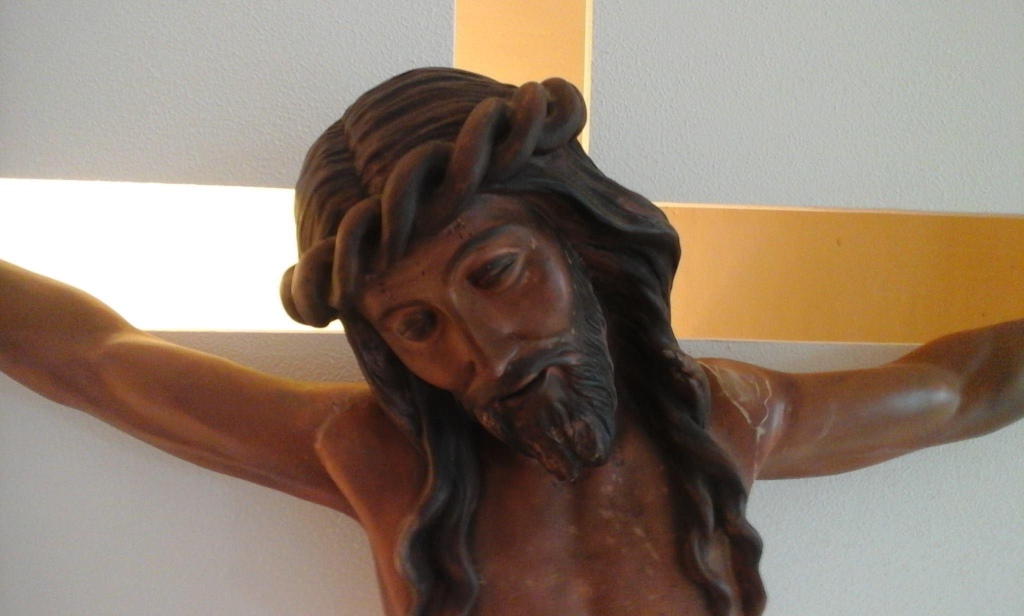
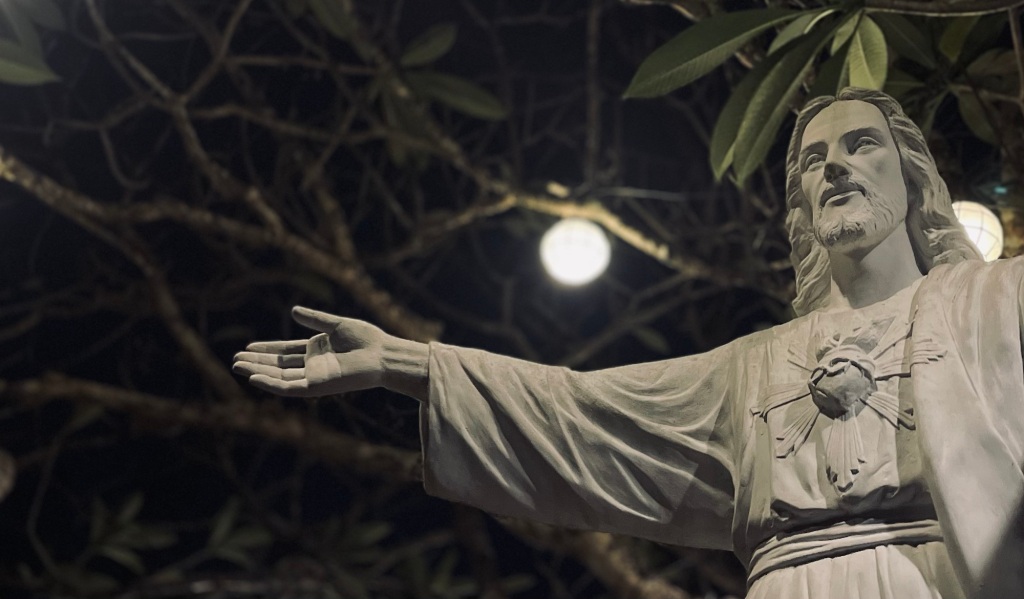
People observe, Jesus notices

Lord My Chef Sunday Recipe, 31 August 2025
Twenty-Second Sunday in Ordinary Time, Cycle C
Sirach 3:17-18, 20, 28-29 ><}}}*> Hebrews 12:18-19, 22-24 ><}}}*> Luke 14:1,7-14
“Meal in the House of a Pharisee” 1886-1896 painting by James Tissot from brooklynmusueum.org.

For the next three Sundays beginning today, Luke gathered teachings of Jesus Christ all set on the dining table, a sort of some “table talks” about the great banquet in the end of time and how we could all get in to share in the eternal meal with the Father.

On a sabbath Jesus went to dine at the home of one of the leading Pharisees, and the people there were observing him carefully. He told a parable to those who had been invited, noticing how they were choosing the places of honor at the table (Luke 14:1, 7).

I love the way Luke presented this scene when he said “the people there were observing Jesus carefully” while the Lord told them a parable after “noticing how they were choosing places of honor at the table.”

How lovely! People observe, Jesus notices.

As it had happened in every instances of gatherings with Jesus, people carefully observed him, trying to find something to accuse him in of disregarding their traditions and laws like healing the sick on a sabbath day. They have “boxed” and judged Jesus as a dissident and a trouble-maker among them in his apparent disregard of laws and traditions.

Photo by author, Manila Club, BGC, June 2025.

In a funny twist, Luke tells us in this scene the immense love of Jesus then and now for everyone that despite his noticing and knowing everything in us, he neither counted those things against us nor ever judged us. How sad many of us with that habit of putting God in a box like a cop keeping tabs of our infractions when in fact God simply noticed our actions and behavior to invite us to become better without any judgment at all.

Keep in mind this scene reveals to us its context of the heavenly banquet which took place after the sabbath services at the synagogue where Jesus participated, hosted by a Pharisee, a VIP of the synagogue and of the society at that time. It was a party where every who’s who was supposed to be present, with everyone competing for the best seats closest to the host. And so, Jesus the keen observant but never judgmental used the occasion to teach us the essence of humility to make it to heaven or eternal life that is signified by a wedding banquet like that big meal he attended.

“When you are invited by someone to a wedding banquet, do not recline at table in the place of honor. A more distinguished guest than you may have been invited by him… For everyone who exalts himself will be humbled, but the one who humbles himself will be exalted” (Luke 14:8, 11)

Photo by Pixabay on Pexels.com

These past Sundays, we have seen Christ’s insistence of the Father’s desire to have everyone welcomed into heaven by giving us some instructions of what to do to gain eternal life.

This Sunday while in a big party, Jesus took the occasion to teach us the value of humility to get into heaven. From doing, Jesus now moves into being, our disposition and attitude to make it into heaven where what matters most is not where we are seated but where we stand. Recall how Jesus reminded the brothers James and John with their mother that he has nothing to do with the seating arrangements prepared by the Father in heaven after she requested her two sons to be seated beside him when he comes into his glory.

Heaven is more of where we stand with Jesus where his virtue of humility is most pronounced when he “humbled himself, becoming obedient to death, even death on a cross” (Phil.2:8). That is why St. Augustine taught that “humility is a sign of Christ”, a revelation of Jesus that allows us to recognize him our Lord and Master leading us to the Kingdom of heaven without any feelings of inferiority and despair.

On the Cross which he prefigured at his Last Supper, Jesus showed himself as the most humble of all who went to life’s lowest point of suffering and dying to meet us as he noticed everything in us to lift us up and be like him, humbly standing in our sufferings. It is on the Cross that we find humility as the basic and essential requirement to get into the heavenly banquet of the Lord.

Very often when we examine our state of humility, what comes to our mind are the many negativities we have like our sins and failures, vices and weaknesses, our being unworthy. But, that is when we bow down most to beg for Christ’s mercy like before the Holy Communion when we pray, “Lord, I am not worthy to receive you under my roof but only say the word and I shall be healed.”

That is both the humility of Jesus and of us humans so vividly expressed at the washing of the feet after the Last Supper. Normally, we look up to Jesus in heaven but at the washing of feet, like every time we receive Holy Communion, we take the higher position, looking down at him not with pride but with all humility because Jesus humbled himself first before us. Here we find humility as seeing ourselves the way Jesus sees us – weak and sinful, yet so loved and forgiven. This is what Ben Sirach taught us in the first reading: humility is the fundamental attitude of wisdom because it opens us to the splendor of God when we find our self-worth and value too!

Without humility, it is either we see only the best or the worst in us as a person, without God, without others.

This is the bigger issue with the “nepo babies” now being bashed on social media after flaunting their wealth and ostentatious lifestyles. Their posts were far from inspiring, at most are tasteless and most convulsive. All we have noticed in their posts is their pride not only in lacking humility but most precisely in not finding value in themselves. Sadly but I dare say they are the ugliest and most pitiable persons because they find value only in wealth and things, not in themselves as persons. Hence, the flaunting of their possessions that only make them so pathetic because along that came their utter disregard for others especially the poor who suffer most with their parents’ greed for money through corruption.

Humility is always uplifting in the positive sense, not looking at others as below us but to realize despite our sins and weaknesses, we are loved, we are noticed as a person so worthy, so valuable. When we are humble, then we become joyful too because we are assured of love and acceptance despite our flaws. This is the gist of the message to us this Sunday of the author of the Letter to the Hebrews: unlike the Israelites in the Old Testament who were so fearful to approach God who spoke to them with thunder and lightning, we can get close to God in Jesus who humbled himself to be one with us by dying on the Cross.

True humility keeps us rooted with our selves, with others and with God. It is this rootedness best expressed in the Sunday Eucharist that we are able to follow Jesus in his journey to Jerusalem and eventually into heaven in all eternity. Amen. Have blessed Sunday and most blessed September too!


Photo by the Marketing Office, Our Lady of Fatima University, Valenzuela City, June 2025.

Stop “overthinking” to be a good Samaritan

Lord My Chef Sunday Recipe, 13 July 2025
Fifteenth Sunday in Ordinary Time, Cycle C
Deuteronomy 30:10-14 ><}}}*> Colossians 1:15-20 ><}}}*> Luke 10:25-37
Photo by author, Katmon Nature Sanctuary & Beach Resort, Infanta, Quezon, 17 March 2023.

Jesus continues his journey to Jerusalem with his disciples, teaching us with some important things “to do” following the questions of some people along the way.

Last Sunday Jesus taught us the five do’s and five don’ts of discipleship; today, he teaches us what we must do to inherit eternal life with the parable of the good Samaritan.

There was a scholar of the law who stood up to test Jesus and said, “Teacher, what must I do to inherit eternal life?” Jesus said to him, “What is written in the law? How do you read it?” He said in reply, “You shall love the Lord, your God, with all your heart, with all your being, with all your strength, and with all your mind, and your neighbor as yourself.” He replied to him, “You have answered correctly; do this and you will live.” But because he wished to justify himself, he said to Jesus, “And who is my neighbor?” Jesus replied, “A man fell victim to robbers as he went down from Jerusalem to Jericho.” (Luke 10:25-30)

First thing we notice is our similarity with the scholar of the law who already knew the answer to the question “what must I do to inherit eternal life?” We know deep in our hearts the answer and like in the gospel, we have felt Jesus affirming us many times like the lawyer. But, Jesus wants us to revisit his parable of the Good Samaritan this Sunday to realize its meaning as we continue to imitate the lawyer with the same question “who is my neighbor?”

But because he wished to justify himself, 
he said to Jesus,
"And who is my neighbor?"
Photo by author, Grand Canyon Woods, Batangas, March 2025.

The Filipino translation gives us a better picture of the lawyer justifying himself, “Sa hangad ng eskriba na huwag siyang lumabas na kahiya-hiya, tinanong niya uli si Jesus, ‘Sino naman ang aking kapwa?'”

See how Jesus did not give a straightforward answer but situated the lawyer including us today into something very concrete so that we stop thinking more and start feeling more. That was the problem with the scholar of the law and with us today: we analyze everything that we have become “over thinkers” but not necessarily “critical thinkers”. We know so many things about our faith but, we still ask for more clarifications because we think more than feel more.

As a chaplain giving recollections and talks to our students, I have seen many young people today are over thinkers but not critical thinkers. I always remind them that critical thinking is about comprehension and analysis of data and information gathered. Over thinking is different. It is not of the mind but of the heart because overthinking is lack of trust. It is a vice when we worry a lot – over think – because we lack trust with others and with ourselves. And ultimately with God!

Photo by author, Camp John Hay, Baguio City, 12 July 2023.

The scholar of the law was overthinking when he asked “who is my neighbor?” because for them at that time, their neighbors were just their fellow Jews. Sad to say, until now our society remains stratified into categories of people like ice cream – the old rich and famous as “all-time favorites”, the recent rich and popular as “flavor of the month” and the ordinary folks as “dirty ice cream” or sorbetes cheaply sold in carts pushed usually by old men.

Of course we know everyone is our neighbor or whoever needs us. But the problem with this all-encompassing view is that it leads us to casuistic argumentation, a kind of over thinking like when we start citing exceptions and excuses or alibis. That is why Jesus used the characters of a priest and Levite who were examples of holiness vis-a-vis a Samaritan who was an enemy of the Jews at that time.

The priest and the Levite passed by the victim of robbery to maintain the Jewish purity law of not touching a corpse to perform their tasks and duties in the temple, both were “overthinking” of their rites and rituals than the dying person. Holiness for Jesus is beyond names and titles but more of the heart seeing and feeling the other person like the Samaritan who alone acted out of his good naturedness as a person, even beyond giving first aid to the robbery victim.

From forbes.com, 2019.

Many times we are like the priest and Levite when we come up with many arguments like “do I not have any other obligation” or “does it really fall on me personally” and so on and so forth when confronted in real life with some people so badly injured or in need of attention.

We overthink with what would happen if we personally get involved with somebody in trouble that people these days are more quick in pulling out cellphones to record an accident and mishap instead of doing something to help.

We over think like the lawyer in the gospel, forgetting to feel more of the other person. That is why in answering his question, Jesus threw it back to him him in another form that is more personal and experiential, “Which of these three, in your opinion, was neighbor to the robbers’ victim?”

Photo by author, 2019.

St. Therese of the Child Jesus wrote in her journal more than a hundred years ago, “I have understood that true greatness is found not in the name but in the soul.”

Beautiful! If we would just look more into our heart, into our soul, we find Jesus, we find our true self, and we find everyone our neighbor to be loved and respected, cared and understood. This is what Moses is telling us in the first reading that the Lord and his commandment are right there in our hearts.

That is exactly what the scholar of the law felt after hearing the story of the good Samaritan that he forgot all labels and categories, answering Jesus’ question with, “The one who treated him with mercy.” There is no need to justify ourselves, of who we are, or even ask who is our neighbor. Everyone is our neighbor because everyone is a brother and sister in Christ; hence, no need to ask that question at all!

But, there is still something deeper to this. When Jesus ended their conversation with the instruction to “Go and do likewise”, the Lord is telling us this Sunday that whenever we encounter a person in need of help, regardless of who she/he is, let us put ourself in that person’s place for it is them – not us – who shall recognize us whether we acted as neighbor to them, or saw them as neighbor!

Photo by Mr. Chester Ocampo, UST Senior High School Building, 2019.

Recall those moments we were down when those dearest to us abandoned us and of all people, the least we expected were the ones who acted as neighbor to us. It is when we are down and low when we come to recognize our neighbor, not when we are up and able, when we feel proud asking what must I do to gain eternal life.

Stop all these over thinking. Simply remember and find Jesus in every person who is the “image of the invisible God” who “reconciled all things for him”(Col.1:15, 20) for he alone is our truest neighbor always present when needed most. Amen. Have a blessed week ahead, everyone! Fr. Nicanor F. Lalog II, Our Lady of Fatima University, Valenzuela City (lordmychef@gmail.com).

Magnanimous Jesus

The Lord Is My Chef Sunday Recipe for the Soul by Fr. Nicanor F. Lalog II
Sixth Sunday in Ordinary Time, Cycle C, 16 February 2025
Jeremiah 17:5-8 ><}}}}*> 1 Corinthians 15:12, 16-20 ><}}}}* Luke 6:17, 20-26
Photo by Haley Black on Pexels.com

After the call of his first disciples last Sunday, Jesus went on to preach in Galilee as great crowds followed him with some of them becoming his disciples too. From among these many disciples, Jesus chose twelve to be his Apostles after praying one night on a mountain (Lk. 6:12-16).

As they went down from the mountain, Jesus taught the Twelve along with his other disciples and crowd of people who have gathered to listen to him in what came to be known as his Sermon on the Plain.

Luke patterned his Sermon on the Plain on earlier account of Matthew’s Sermon on the Mount that portrayed Jesus like the new Moses and moreover, the new Law himself. Matthew’s Sermon on the Mount has a smaller audience that was limited to just the Twelve while Luke’s Sermon on the Plain had a wider audience of not just the Apostles but also the other disciples and the crowd of people who have been following him.

But, more than their differences in their setting and audience, the two sermons differ greatly in the message itself. Both Luke and Matthew begin with four beatitudes, but Matthew concludes with additional beatitudes while Luke matched the four beatitudes with four woes that frankly speaking, are very disturbing.

“But woe to you who are rich, for you have received your consolation. Woe to you who are filled now, for you will be hungry. Woe to you who laugh now, for you will grieve and weep. Woe to you when all speak well of you, for their ancestors treated the false prophets in this way” (Luke 6:24-26).

Again, Luke is telling us something deeper about Jesus in his version of the Sermon on the Plain that actually echoes the Blessed Virgin Mary’s Magnificat found only in his gospel too.

Recall in the Magnificat how Mary spoke of God sending the rich “away empty” (Lk.1:53) as he blessed the poor and the hungry. And here now is Jesus Christ fulfilling those words of his Mother.

The gospels and the whole Bible itself teem with many pronouncements against the rich and those in similar good fortune in life. Is God against the rich, those happy and those of good reputation? What’s wrong with being rich or well-off, of having our fill of food and laughter, and being spoken well of by others?

Photo by author, November 2024.

Nothing really.

Jesus is not against anyone for he loves everyone as he preached extensively on the need to love one another as we love God. If Jesus preached only love, he would have not been crucified, and most definitely would have not made so much enemies. But, the kind of love Jesus preached was so radical that shook not only the ways of the old but also of modern time because it is a kind of love that pulls down the mighty and favors the poor and those suffering. His Sermon on the Plain rings louder than ever today as we have not seemed learned from the lessons of the past. And believe it or not, the four woes declared by Jesus in his Sermon on the Plain are actually expressions of his magnanimous love, contrary to what others claim.

The four woes that are antitheses of the four blessings are not actually maledictions as most interpretations have expressed. A malediction is like a curse, an expression of one’s desire for someone’s harm like in calling down God’s wrath. The four woes of Jesus in his Sermon on the Plain is far from that reality nor a condemnation against anyone.

Photo by author, Church of the Beatitudes, the Holy Land, May 2017.

In calling the rich “woeful” along with those who are filled and those who laugh “now” as well as those of whom “all speak well”, Jesus is neither condemning them nor declaring them as evil-doers; in calling them “woeful”, Jesus reminds them and us today of being on the wrong and bad path in life that can lead to a fatal outcome or end.

Like in the parable of the rich man and Lazarus that only Luke has an account in his gospel, Jesus Christ’s “woes” are warnings – “red flags” – everyone must consider who might be in the wrong direction and wrong choices in “enjoying” life “now” without any concern for those who are suffering like the poor and the hungry, those who grieve and those maligned and hated.

Photo by Mr. Jay Javier, Quiapo, 09 January 2020.

The poor, the hungry, the weeping and the hated are blessed not simply because of their state in life but more of their willingness to forego so many worldly things “now” for they trust in God who shall deliver them to salvation and justice.

They are blessed because they have realized that things of the world are passing, something that the worldly could not accept. How sad that many today have lost sight of eternity and even of God, living only for the “now”.

Jesus is not asking us to be “masochists” or at the other end of the extreme, to be complacent in the face of widespread suffering and pains. Remember how in the synagogue at Nazareth one sabbath when Jesus launched his ministry by proclaiming from the Prophet Isaiah how the Spirit of God rested on him to bring glad tidings to the poor, liberty to captives, healing to the sick (3rd Sunday, Jan. 26).

By calling the poor and the suffering as “blessed”, Jesus assures them that God is with them and that justice shall be reestablished on “that day” when they enter the kingdom that has been prepared for them in eternal life. He called us “woe” to warn us while there is still enough time to change our course in life to be blessed not only now but in all eternity too!

Photo from forbes.com.

See how our readings this Sunday are actually about our making of wise choices in life: in the first reading, Jeremiah warns us of the consequences of trusting God or trusting humans while the psalms show us the ways of the just and the ways of the wicked; Paul in the second reading presents to us the grace of believing in Christ’s Resurrection and the folly of denying it while in the gospel, Jesus offers us blessing or woe in living.

These readings show us there is no middle ground in following Jesus nor grey areas in God. Our decisions in life define the course of our lives like what the Pepsi Cola ad used to say in the 1990’s, “we are made (or unmade) by the decision we make.”

Moreover, in giving us those four woes, Luke reminds us that in making our decisions, we must consider more than the moral but the Christological perspective of life to be like Jesus Christ – who is himself the “blessed” because he is the poor one, the hungry, the weeping and the hated.

Should we make the wrong decisions in life, Jesus remains magnanimous, remaining in us, telling us those woes over and over so we would still make the right choices in life. Don’t take it personally; Jesus cares for you.

In three weeks we shall be entering the Season of Lent. Incidentally, the last time we celebrated Sixth Sunday of Ordinary Time in Cycle C was in 2010, the Seventh Sunday in 2007, and the Eighth Sunday in 2001!

Our gospel readings in the coming two more Sundays before Ash Wednesday would still be taken from Jesus Christ’s Sermon on the Plain to emphasize the closeness of God with those who are poor and suffering.

As we approach the holy Season of Lent that calls us to more prayers, fasting and almsgiving, we can already start this Sixth Sunday examining our lives to see if we are aligned with the blessed ones of God or are we the woeful ones. The choice is ours. Let us pray for the grace to choose Jesus, only Jesus, always Jesus. Amen. A blessed week ahead to everyone!

Our approaching end

The Lord Is My Chef Daily Recipe for the Soul by Fr. Nicanor F. Lalog II
Tuesday in the Thirty-fourth Week of Ordinary Time, Year II, 26 November 2024
Revelation 14:14-19 <*((((>< + ><))))*> Luke 21:5-11
Photo by author, San Antonio, Zambales, 19 October 2024
It happens so often,
Lord Jesus Christ -
just as when we are enjoying
something like a vacation,
exactly at that moment too
when it ends or, at least,
its coming end is felt and realized?

While some people were speaking about how the temple was adorned with costly stones and votive offerings, Jesus said, “All that you see here – the days will come when there will not be left a stone upon another stone that will not be thrown down.” Then they asked him, Teacher, when will this happen? And what sign will there be when all these things are about to happen?” (Luke 21:5-7)

What a paradox,
a mystery so beautiful
that inspires us to live more fully
than sulk with life's sure endings
like what your words tell us today:

I, John, looked and there was a white cloud, and sitting on the cloud one who looked like a son of man, with a gold crown on his head and a sharp sickle in his hand (Revelation 14:14).

Endings are beginnings,
Lord; everything and everyone
shall end in order to begin anew;
despite the destruction,
endings happen to build up
new beginnings,
to signal another start.
Teach us, dear Jesus,
to be ready always,
to prepare for our endings
by living fully,
celebrating life
in your love that
banishes all fears
like death and
endings.
Amen.
Photo by KENJI IWASAKI on Pexels.com

The joy of endings

The Lord Is My Chef Sunday Recipe for the Soul by Fr. Nicanor F. Lalog II
Thirty-Third Sunday in Ordinary Time, Cycle B, 17 November 2024
Daniel 12:1-3 ><}}}}*> Hebrews 10:11-14, 18 ><}}}}*> Mark 13;24-32
Photo by author, the Mount of Olives as seen from the Temple of Jerusalem, May 2019.

We are now at the penultimate Sunday of our Church calendar ending on the Solemnity of Christ the King next week to usher in the four Sundays of Advent before Christmas. That is why every 33rd Sunday, we hear Jesus speaking about the end of everything to usher in new beginnings in Him.

Jesus said to his disciples: “In those days after that tribulation the sun will be darkened, and the moon will not give its light, and the stars will be falling from the sky, and the powers in the heavens will be shaken. And then they will see ‘the Son of Man coming in the clouds’ with great power and glory, and then he will send out the angels and gather his elect from the four winds, from the end of the earth to the end of the sky” (Mark 13:24-27).

After spending a day of teaching at the Temple wherein the Twelve were so impressed with its beauty, Jesus warned them of its impending destruction, explaining it further as they proceeded to rest on Mount of Olives overlooking Jerusalem below with the magnificent Temple.

No, Jesus was not a “KJ” at all.

Jesus was simply telling His disciples including us today of life’s natural cycles of endings and beginnings. Actually, long before Jesus came, people have always been preoccupied with thoughts of the “end of the world” – with or without God – which persist to these days.

Photo by Emilio Su00e1nchez on Pexels.com

Jesus reminds us this Sunday that indeed, the world is going to end but, it is not just a catastrophic end destroying everything. It is an end with a direction, to God and eternal life. It is an end we have to joyously await and prepare for as a new beginning in Jesus Christ.

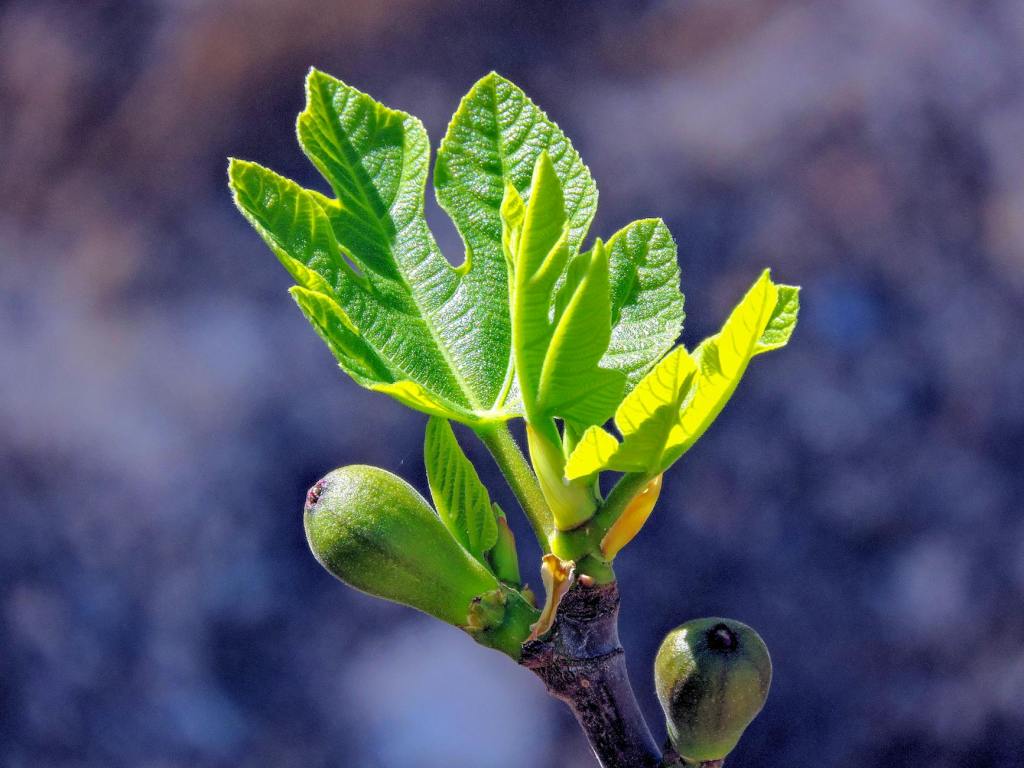
“Learn a lesson from the fig tree. When its branch becomes tender and sprouts leaves, you know that summer is near. In the same way, when you see these things happening, know that he is near, at the gates… But of that day or hour, no one knows, neither the angels in heaven, nor the Son, but only the Father” (Mark 13:28-29, 32).


"Learn a lesson from the fig tree."

Again, Jesus spoke here in parable which is also the word for “lesson” in Mark’s original Greek writing of the gospel. A parable is a simple story with a deep, profound reality and lesson. That is why Jesus used it so often just like here a few days before His Pasch.

Photo by Muverrihhanim on Pexels.com

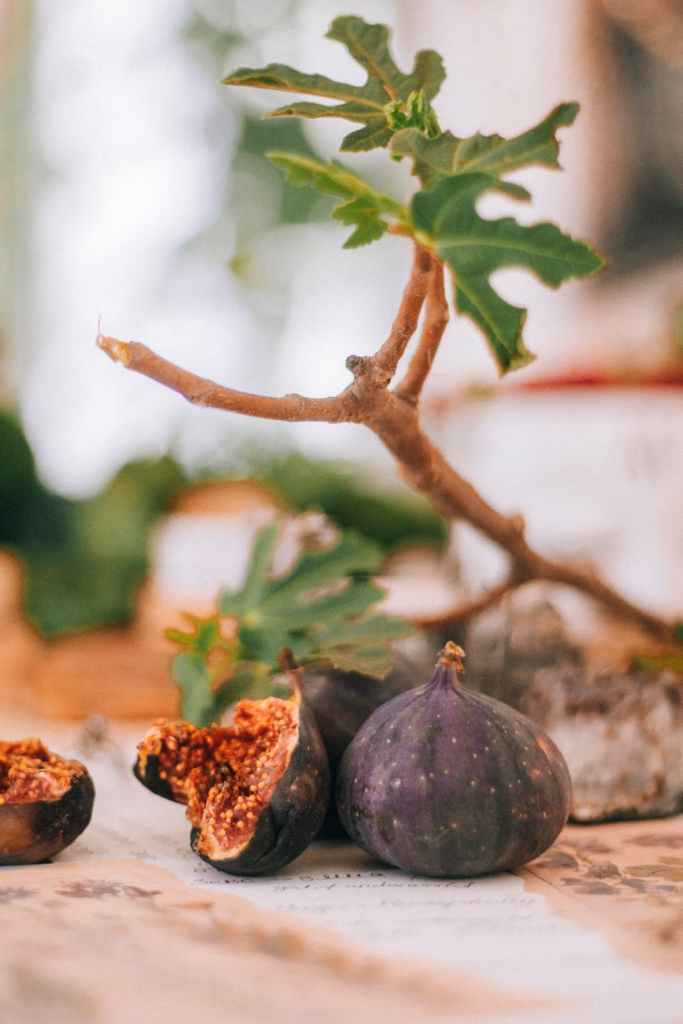
And this is the lesson or parable of the fig tree that Jesus spoke of: most of the trees in Jerusalem are evergreen that keep their leaves all year round despite the changing of season while fig trees are deciduous that shed their leaves in winter and summer. This changing condition made the fig tree a perfect parable about the end of the world that Jesus was speaking of – an end of the season to usher in a new one!

In theology, we call this study of the “end” or “last” things as eschatology. There are two kinds of last things in life that we deal in eschatology: our individual end in our death (particular) and the parousia which is the Second Coming of Jesus Christ at the end of the world (general).

Of course, it is always fearful to think of both endings. We hate endings because they are good byes. However, we know deep inside ourselves too that despite that “sweet, sweet sorrow” of every ending comes also a more wonderful hello, a more amazing new beginning. In reality, there are no endings but more beginnings: when children move out of the home to study, they begin their adult life in college; later on, they leave home for good to get married to start a family of their own. Life is a cycle of beginnings and ends that goes on and on and on.

The trick is really to learn the lesson of the fig tree, that is, to live our lives to the fullest in each season and phase, to learn to let go of the past, to savor every present and look forward to every tomorrow. Yes, it is easier said than done but, as we mature and age gracefully in Jesus Christ, we become fulfilled, less stressed amid the many things we are totally unaware and ignorant of what both particular and general endings would bring us.

Photo by Alina Vilchenko on Pexels.com

In presenting to us the parable or lesson of the fig tree regarding the end of our lives or the end of the world – both of which nobody knows when – Jesus is actually encouraging us to live more faithfully in Him and His gospel.

It is useless to know the precise date and hour of both endings nor the exact indications of its imminence; what matters most is that every moment of our lives, we live in Jesus Christ our High Priest who had offered Himself for our salvation (second reading). There is no point in interpreting even visualizing how St. Michael would battle the devil at the end of time; what the prophet Daniel is telling us is how we are assured of victory and salvation in the end if remain faithful to God (first reading).

Live fully by celebrating life. All throughout the year, we have heard Jesus reminding us, assuring us how much He loves us so immensely that is why He became human like us; in His coming, He joined us in all our sufferings except sin to show us that the path back to the Father in heaven is through the path of His Cross.

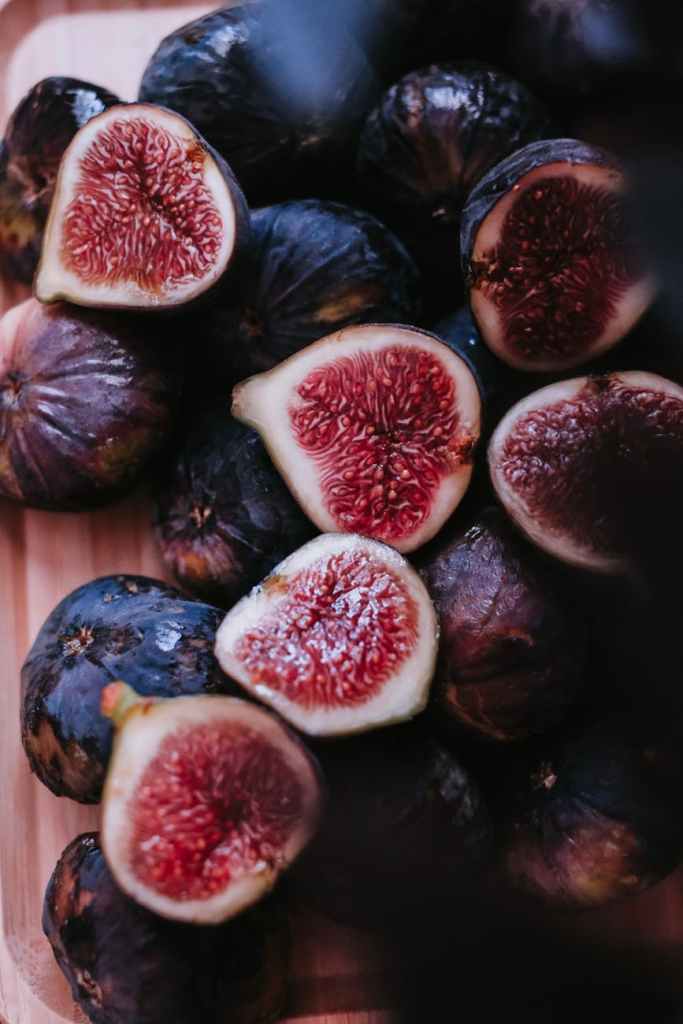
Despite my coming to Israel thrice, I have never tasted a fresh fig but have always loved it even better than dates. Its sweet taste and tiny bits of seeds inside make it always a pleasure to eat. If we can truly learn its lesson, we can end up like figs too – delightfully sweet inside.

Photo by Ella Olsson on Pexels.com

I recently bought an electric shave as an early Christmas gift to myself. I really don’t mind seeing my hair including mustache and beard turning grey and white; what bothers me lately is how my skin has become so easily irritated by my razor. Yes, I am getting older with skin sagging and add to that a vision getting blurred that shaving with a razor every morning is no longer fun but short of an agony.

As I examined my new shave set, I remembered a Japanese saying I used to tell young people before in my talks and recollections, “Growing up is nice, but sometimes painful.”

Indeed, growing up is nice – and ageing is even nicer though twice painful sometimes.

Like the fig tree, I can sense losing a lot of myself daily, yet becoming more tender and softer in the process, simpler and more joyful, perhaps. To my fellow 59ers and above, May the Lord Jesus lead us through the end in His loving embrace. Amen.

Photo by KENJI IWASAKI on Pexels.com

Jesus “looking with love”

The Lord Is My Chef Sunday Recipe for the Soul by Fr. Nicanor F. Lalog II
Twenty-eighth Sunday in Ordinary Time, Cycle B, 13 October 2024
Wisdom 7:7-11 ><}}}}*> Hebrews 4:12-13 ><}}}}*> Mark 10:17-30

Lately in my prayers I have felt so drawn on the “face” of Jesus, trying to imagine and feel how He looked at the various people He met in the gospel accounts. Most of all, of how Jesus looks at us too (https://lordmychef.com/2024/10/09/to-his-face/).

Consider our gospel this Sunday that shows us how Jesus has that “look of love” to everyone. No matter how bad and sinful we may be, He is full of love and mercy, compassion and joy in seeing us. The problem is often the way we look at Him like that man who approached Him as well as the disciples conversing with Him who were all so much like us.

Photo by Mr. Jim Marpa, 2019.

As Jesus was setting out on a journey, a man ran up, knelt down before him, and asked him, “Good teacher, what must I do to inherit eternal life?” Jesus answered him, “Why do you call me good? No one is good but God alone. You know the commandments…” He replied and said to him, “Teacher, all of these I have observed from my youth.” Jesus, looking at him, loved him and said to him, “You are lacking in one thing. Go, sell what you have, and give to the poor and you will have treasure in heaven; then come, follow me.” At that statement his face fell, and he went away sad, for he had many possessions.

Jesus looked around and said to his disciples, “How hard it is for those who have wealth to enter the kingdom of God!” The disciples were amazed at his words. So Jesus again said to them in reply, “Children, how hard it is to enter the kingdom of God!” It is easier for a camel to pass through the eye of the needle than for one who is rich to enter the kingdom of God.” They were exceedingly astonished and said among themselves, “Then who can be saved?” Jesus looked at them and said, “For human beings it is impossible, but not for God. All things possible for God” (Mark 10:17-27).

Photo by author, Sacred Heart Novitiate, Novaliches, QC, 20 March 2024.

Jesus, looking at him, loved him...
his face fell, went away sad,
for he had many possessions.

We readily identify with this man because all of us have the same question deep in our hearts to Jesus, wondering there must be more to keeping the commandments, of being good, of a better way to get into eternal life that is not necessarily a shortcut.

In fact, we have to rejoice, dear friends if we ask the same question because it is a grace that can only come from God, so unlike the Pharisees who asked Jesus last Sunday on the legality of divorce because they wanted to “test” Him. See how Jesus like last week brought us all back to the Sacred Scriptures, the very word of God expressing His will in human terms. The question was a sincere longing for God like the Psalmist, “Your testimonies are my delight; they are my counsellors”; “I observe your precepts and testimonies; all my ways are before you” (Ps. 119:24, 168).

Jesus looked at the man with love because He saw a great opening for more grace in him that is why He told him to sell everything he had, give it to the poor and follow Him. At that moment, like most of us, his face fell and went away sad because he had many possessions.

Are we not this man too who can’t look at Jesus with the same love because we probably love somebody or something else than Him found among those in the margins of our lives?

Photo by author, Sacred Heart Novitiate, Novaliches, QC, 20 March 2024.

Jesus looked around...
the disciples were amazed.

If Jesus did not care at all and has no love for those around Him, He would have not looked around after that man had left. Here is the lovely thing with Jesus: His look is always filled with love for us His disciples, a look so penetrating, so luminous because He is divine.

What is amazing is not only that it is difficult for us to enter the kingdom of God due to our many attachments, sinfulness and weaknesses, but, despite all these, Jesus still speaks to us, conversing with us because He simply loves us so much! Jesus never looks on qualifications but instead qualifies His call so we can follow Him. Most of all, look at Him too!

Consider the amazing grace for us to remain in Jesus, albeit hiding that question in our hearts so afraid to ask because we know His answer would be so unexpected like in this scene and yet, here is Jesus looking around, looking at us with love sincerely telling us it is not easy at all. Remember the bread of life discourse of how Jesus talked straight because He was sincere and truthful to us that it is difficult to follow Him to the Cross which is what discipleship is all about. Just keep following Jesus, keep looking at Him no matter what!


Photo by Mr. Jay Javier, Quiapo Traslacion 2020.
Jesus again said to them...
they were exceedingly astonished.

Wow…! See the style of Mark who was not contented in writing how astonished the disciples were by describing them as “exceedingly astonished”. See his attention to details, so wonderful and beautiful because what is exceedingly astonishing is Jesus Christ’s love for us, not just His words!

Here, Jesus was already telling the disciples what would happen on Good Friday, of how Jesus would do everything for us all – that is, in doing the impossible that is only possible with God because He loves us so much.

Like what St. Paul had extensively reiterated to the Galatians in the weekday readings last week, Jesus did everything for us to be saved. Salvation is a gift, a pure grace from God. It is never our work; stop playing God, or a Messiah! There is nothing we can really do to be saved except to be like a child as Jesus had reiterated these past two Sundays.

To be like a child is to completely trust Jesus every step of the way especially on His way to Jerusalem. Now we see the importance of having that child-like attitude to belong in the kingdom of God as Jesus identified what await His disciples in following Him: “houses and brothers and sisters and mothers and children and lands, with persecutions, and eternal life in the age to come” (Mark 10:30).


Photo by Mr. Jim Marpa, 2019.

Don’t be sad now. Mark had a purpose in writing the persecutions that await every disciple of Jesus because these shall purify us, give more depth and meaning to our lives and existence.

Mark knew so well how everyone is like the author of the Book of Wisdom who lived in a time similar with ours with all the affluence around us that deep inside us we still feel and know for sure that life is more than comfort and pleasures. He knew too the story of King Solomon like us so blessed with that consciousness that more than the material wealth and fame the world offers us, what matters most in life is wisdom to discern what is right and good.

These are difficult indeed for us, like getting married threatened by divorce then and now; but, again Jesus proposes an ideal, inviting us to remain in Him in prayers. After all, Jesus is the word of God who became flesh is “living and effective” among us found in the Sacred Scriptures (second reading) to guide us closer to Him.

Let us not worry because Jesus had done everything for us to be saved. Stay in the Lord, and let our face shine with His love! Keep looking at Jesus who looks at us full of love today and always. Have a blessed week ahead!

From forbes.com, 2019.

We are an angel too of everyone

The Lord Is My Chef Daily Recipe for the Soul by Fr. Nicanor F. Lalog II
Wednesday, Memorial of Guardian Angels, 02 October 2024
Exodus 23:20-23 <*((((>< + ><))))*> Matthew 18:1-5, 10
Photo by author, Baguio City Cathedral, January 2019.
How good and gracious
are You, God our Father
in assigning a guardian angel
to each one of us in order
to lead us closer to You
and eventually,
face-to-face with You
in all eternity!

“See that you do not despise one of these little ones, for I say to you that their angels in heaven always look upon the face of my heavenly Father” (Matthew 18:10).

Forgive us, O God,
for disobeying our guardian
angels so often when we
choose to sin than remain
in your grace;
forgive us most especially
when we forget we too
are an angel to everyone
tasked to care and look after
of every one especially the
children and elderly who are weak,
the sick and the poor,
those disadvantaged
in our society that does not believe
in You anymore
and in angels.
Photo by author, Fatima Avenue, Valenzuela City, December 2023.

“See, I am sending an angel before you, to guard you on the way and bring you to the place I have prepared. Be attentive to him and heed his voice. Do not rebel against him, for he will not forgive your sin. My authority resides in him (Exodus 23:20-21).

Bless us, dear God
to be humble always
like your angels
leading others from
darkness into light,
from ignorance into wisdom
and knowledge,
from bondage to sin
into the grace of freedom
to be more loving and
faithful in serving You
through Christ our Lord.
Amen.
Photo by author, Fatima Avenue, Valenzuela City, December 2023.

Timeless

The Lord Is My Chef Daily Recipe for the Soul by Fr. Nicanor F. Lalog II
Friday, Memorial of St. Vincent de Paul, Priest, 27 September 2024
Ecclesiastes 3:1-11 <*((((>< + ><))))*> Luke 9:18-22
Photo by Mr. Howie Severino of GMA7 News in Taal, Batangas, 2018.

There is an appointed time for everything, and a time for every affair under the heavens. He (God) has made everything appropriate to its time, and has put the timeless into their hearts, without men’s ever discovering, from beginning to end, the work which God has done (Ecclesiastes 3:1, 11).

How lovely
and mysterious
are your words today,
God our Father;
you have appointed time
for everything,
making everything appropriate
to its time,
and has put the timeless
into our hearts.
We live and move
in time,
through time
measured and taken
in various ways
seen in the past,
the present,
and the future;
there is the inescapable
dimension and reality
we keep on freezing momentarily,
hoping to go back in the past
while we are so eager
to know what is to happen
next in the future.
Let Jesus Christ 
your Son reign in our hearts
that we may always live
in the present moment of
every here and now,
the timeless in our hearts
with our fervent loving service
to you through others;
like St. Vincent de Paul,
let us be rooted in you,
Jesus, living in the present,
lovingly serving the poor
and needy among us;
but most of all,
make our hearts
attuned in you, Jesus,
in prayer to experience
the timeless
even right here
in this life.
Amen.
Photo by Vincenzo Malagoli on Pexels.com