“Every Little Thing She Does Is Magic” by the Police, 1981

The Lord Is My Chef Sunday Music, 19 November 2023
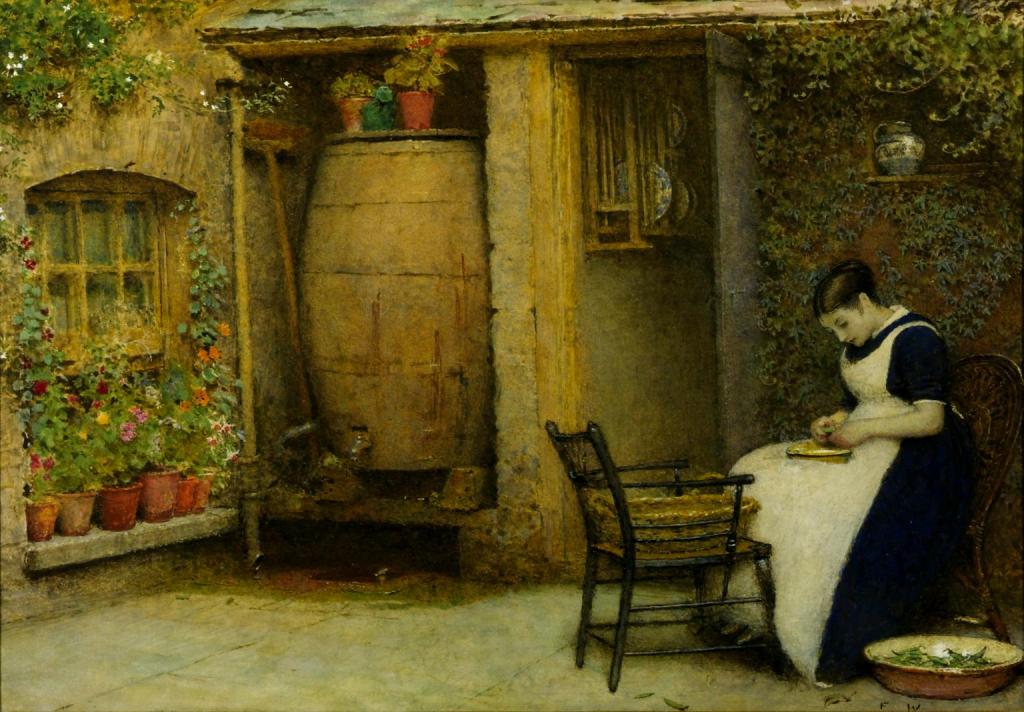
The Housewife 1871 Frederick Walker 1840-1875 Bequeathed by R.H. Prance 1920 http://www.tate.org.uk/art/work/N0352.

Hi everyone! So glad to be back this Sunday for our music related with our Mass celebration. We hope you have gone to your local church or wherever for the Sunday Mass where the first reading was taken from the Book of Proverbs that spoke of a “worthy wife”, a perfect wife.

When one finds a worthy wife, her value is far beyond pearls. Her husband, untrusting his heart to her, has an unfailing prize. She brings him good, and not evil, all the days of her life. She obtains wool and flax and works with loving hands. She puts her hands to the distaff, and her fingers ply the spindle. She reaches out her hands to the poor, and extends her arms to the needy.

Proverbs 31:10-13, 19-20

You must be wondering if there is a perfect wife – or a perfect husband – who really exist.

Of course, none. Nobody is perfect. You have to understand human words are so limited to express God’s thoughts and words. What the author of Proverbs mean today is an “ideal wife” – someone who keeps all the little things at home we (especially men and children) often take for granted that are actually the most important things that keep our homes nice and clean, cozy and orderly (https://lordmychef.com/2023/11/18/little-things-are-the-big-things/).

The reading from the Book of Proverbs this Sunday invites us to imitate the attitudes of the “worthy wife” like her diligence and fidelity to her tasks at home in actively waiting for the Second Coming of Christ at the end of the world. It supports the teaching of Jesus in today’s parable of the talents that God is not asking us great things in life but simply to be faithful to the tasks and responsibilities he entrusted to us. Exactly like the perfect wife who got everything covered not only at home but even outside! When we die, the only thing Jesus will ask us is how we have cared for those persons and things he entrusted us in this life – not what we have done nor achieved nor amassed like wealth.

And that is why as I prayed while preparing this Sunday’s homily, I kept hearing at the back of my head Sting and the Police singing their 1981 hit Every Little Thing She Does Is Magic.

Though I’ve tried before to tell her
Of the feelings I have for her in my heart
Every time that I come near her
I just lose my nerve as I’ve done from the start
Every little thing she does is magic
Everything she do just turns me on
Even though my life before was tragic
Now I know my love for her goes on
Do I have to tell the story
Of a thousand rainy days since we first met?
It’s a big enough umbrella
But it’s always me that ends up getting wet
Every little thing she does is magic
Everything she do just turns me on
Even though my life before was tragic
Now I know my love for her goes on

Written by Sting, the song is about a man who could not express his love for a woman he finds so beautiful and amazing. The song is actually about unrequited love and she never became his wife!

I resolved to call her up
A thousand times a day
And ask her if she’ll marry me
Some old-fashioned way
But my silent fears have gripped me
Long before I reach the phone
Long before my tongue has tripped me
Must I always be alone

And so you ask how do I find this song related with that reading from the Book of Proverbs about a perfect wife? We find that in the repetitive chorus line “Every little thing she does is magic” as well as in the superb instrumentation, especially its opening tune. This piece of music in itself is magic.

Let’s face it, man… women are so good in this life that without them, our world would stop, including the Church. For me, that “battle of sexes” had long been won by women because they are better than us in many accounts. That is why God gave them to us as our part-ners in life. Women, especially mothers and wives, have that attention to details we could not see (ask any husband how his wife could still see even even nothing can be seen?). Most of all, they have that flair and elan so built in within them that everything they do is magic – effortless, easy, so natural and personal.

Jesus is not asking us to do something so great or monumental in life. He simply wants us to be faithful and consistent with our calling as his disciples, as Christians who lovingly serve God through one another. Something that women, especially wives and mothers, could teach us a lot with in this life. Here’s the Police to all the great women out there with their loving and faithful men.

From Youtube.com.

Little things are “the” big things

The Lord Is My Chef Sunday Recipe for the Soul by Fr. Nicanor F. Lalog II
Sunday in the Thirty-Third Week of Ordinary Time, Cycle A, 19 November 2023
Proverbs 31:10-13, 19-20, 30-31 ><}}}*> 1 Thessalonians 5:1-6 ><}}}*> Matthew 25:14-30
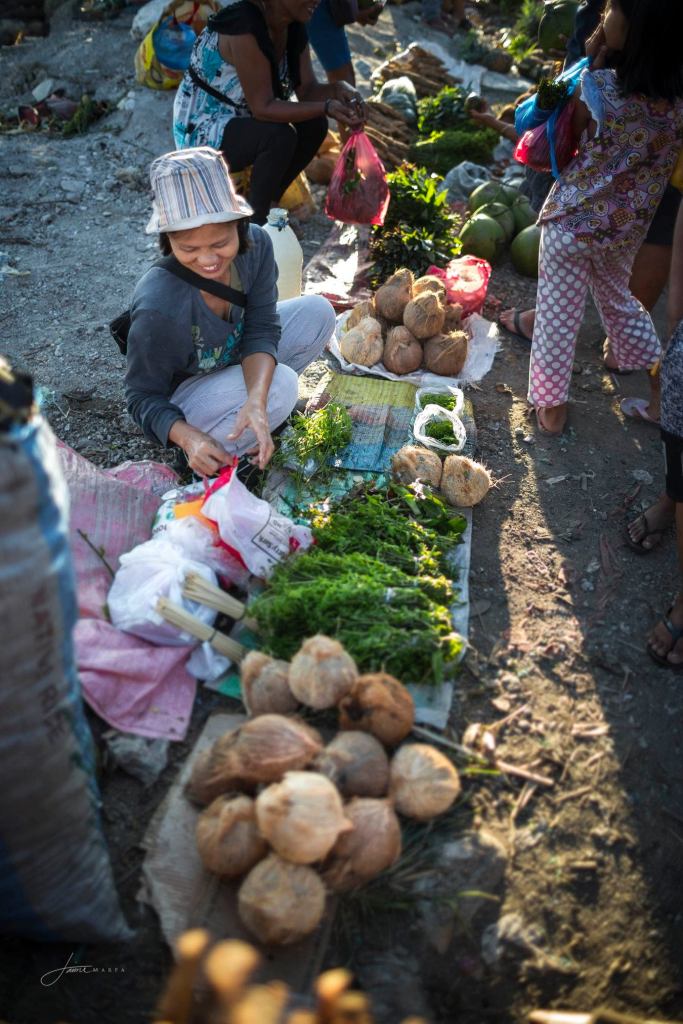
Photo by Mr. Jim Marpa in Carigara, Leyte 2018.

Our first reading today from the Book of Proverbs is very interesting on this penultimate Sunday of the liturgical calendar before the Solemnity of Christ the King next week. If we go by today’s way of thinking, it sounds “sexist”, stereotyping the tasks of a “worthy” or perfect wife:

She obtains wool and flax and works with loving hands. She puts her hands to the distaff, and her fingers ply the spindle. She reaches her hands to the poor, and extends her arms to the needy.

Proverbs 31:13, 19-20

But for those like me who grew up in the generation reared by mothers proudly described as “plain housewife”, there’s no sexism nor stereotyping of women by the author of the Book of Proverbs. It is actually in praise of women, of housewives and mothers supposed to be the most attentive in details, truly dedicated and faithful in daily house chores.

Photo by Mr. Jim Marpa in Carigara, Leyte 2018.

Our first reading reminds us to be like a “worthy wife” who is consistent in doing those little things mothers do to keep our homes warm and tidy. Most of all, orderly.

Moms are blessed with special grace and talent in budgeting limited resources to come out with outstanding meals daily, of keeping socks and handkerchiefs as well as cuff links and old clothes ready and handy just in case there is an instant out of town trip or school project. With moms, life is practically worry-free because she gets everything covered even outside home! I remembered how my mom had everything in her little bag, from medicines like Cortal to Vick’s Vaporub and Band-Aid, candies and money, tissues and even tape measure called medida! Truly a Girl Scout, always ready for any eventuality.

And that is why we have this part of the Book of Proverbs this Sunday: to wait for the Second Coming of Christ which is also the end of the world is to be like a “worthy wife” concentrated on life’s essentials “who fears the Lord” (v.30) and “reaches out her hands to the poor, and extends her arms to the needy” (v. 20). It is basically being wise like the five virgins last Sunday – faithful to God, to his laws and commandments expressed in lovingly serving others especially the poor.

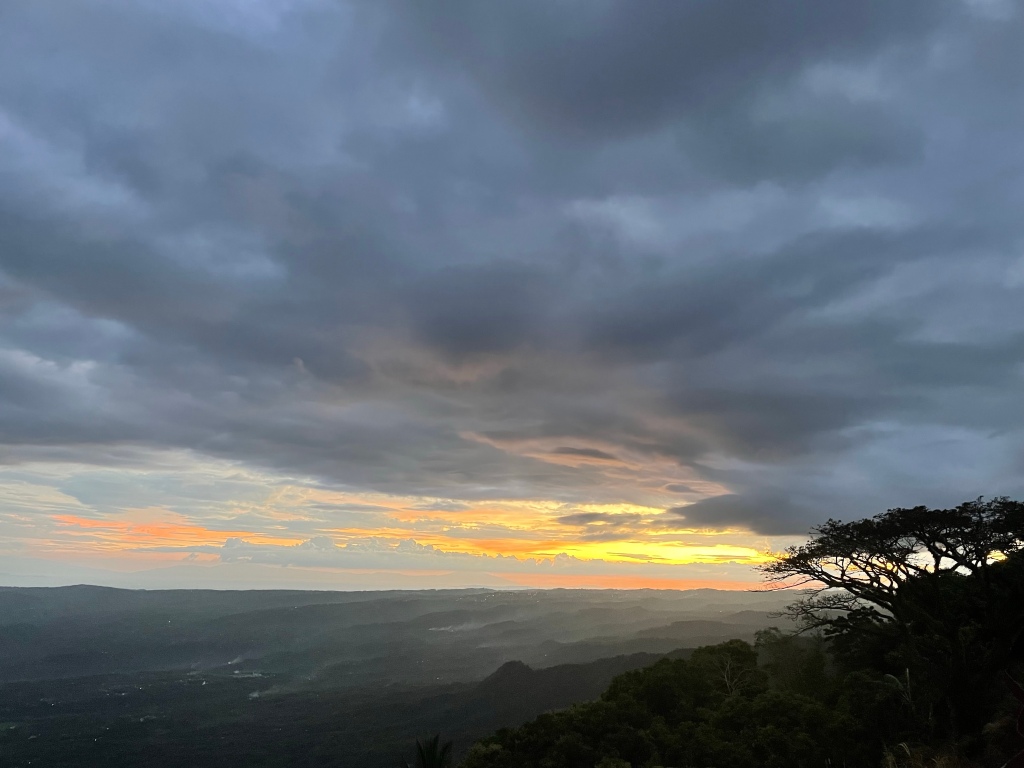
Photo by author, sunset in Tagaytay City, 07 February 2023.

That is the whole point of Jesus in today’s parable of the talents where he spoke to his disciples who include us today “of his coming” that no one knows like those servants awaiting their master’s return.

The parable did not tell us how the first two servants made use of their talents that earned them interests but it clearly pointed out what the third servant did not do. The time of waiting for the Parousia is an active waiting, of keeping up with the tasks entrusted to us by Jesus our Master. Instead of knowing its date with all those useless calculations and speculations, we are called to be diligent and committed in striving and persevering to be good at what is entrusted to us according to our ability like the first two servants and the perfect wife in the Book of Proverbs.

To wait for Jesus is not to be idle, doing nothing like the third servant in the parable who simply buried the talent entrusted to him. He was lazy, lacked any initiative, a whiner and a complainer.

Perfection and holiness lead to readiness for Christ, achieved in our faithfulness to our daily duties as his disciples, not elsewhere like in great moments we often await but never happen at all nor in appearances that do not matter like “charm and beauty” as the author of Proverbs said (v.30). Active waiting for the return of Jesus is living fully in every present moment, not in useless crying over the past or fearful anxieties of the future.

Photo from inquirer.net, 2021.

Jesus is not asking us – and would never ask us anything beyond our abilities – to do great feats like that master who simply entrusted his possessions according to his servants’ abilities.

Jesus is not telling us to do a Mother Teresa but simply be kind first to your family. Smile more often at people, laugh your heart out at the simple joys and stories especially of children. Choose silence than answering every call and conversation. Forgive a lot and you forget what isn’t nice. Then you see the hidden beauty of every person and thing. And not far from that, you find Christ coming right in front of you, too.

When we do the work of God, it does not really matter how big or small nor how simple or complicated that may be. It is always great to do the work of God because it is God’s work entrusted to us! A basketball is just an ordinary rubber ball but when used by Michael Jordan, it becomes of great value. The same is true when we do the works of God.

When Christ comes again to judge both the living and the dead, the only thing he would ask us is what have we done to those people and responsibilities he had entrusted to us. Ultimately, it is a question of how much have we loved, have we lived like him? Remember Jesus said “Not everyone who says to me ‘Lord, Lord,’ will enter the kingdom of heaven, but only the one who does the will of his Father in heaven” (Mt. 7:21-23). What are we doing, how are we living our faith in God these days are the questions we must answer to be ready for the Second Coming.

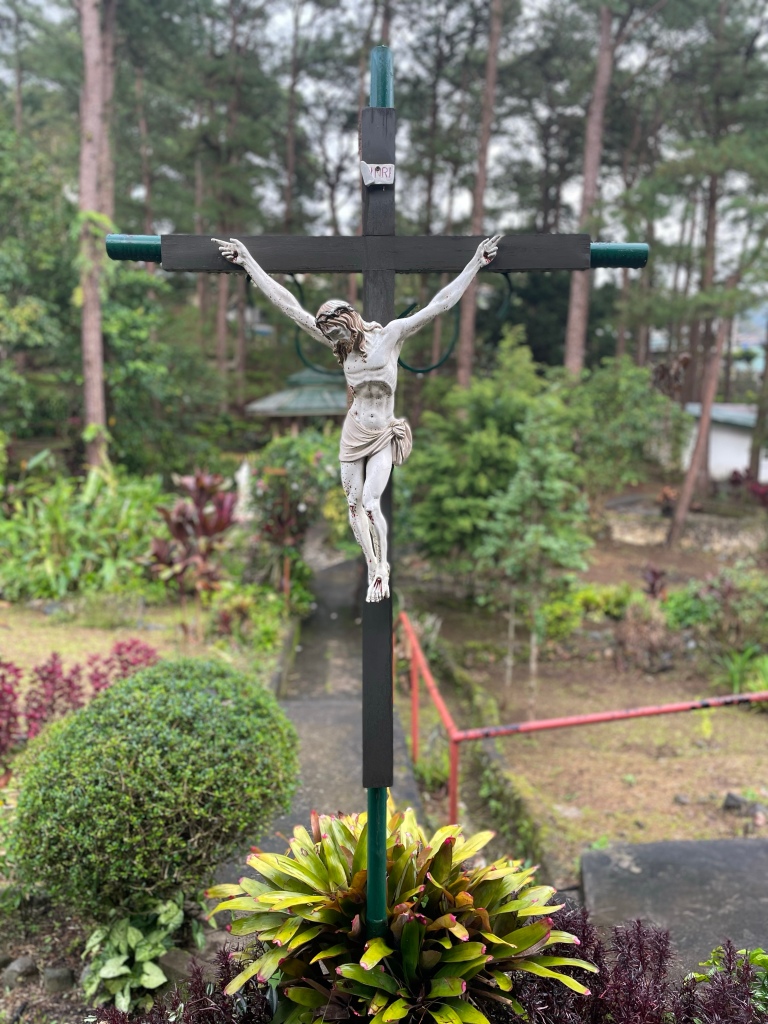
Photo by author, Jesuit Cemetery at the Sacred Heart Novitiate, Novaliches, QC, 21 March 2023.

St. Paul lived at a time when people were so excited for the apocalypse, the end of time when Christ is expected to come again. They believed – along with St. Paul – that they would witness the return of Jesus in their lifetime.

And that is why St. Paul wrote them, trying to calm them by telling them to always live in the present moment, to live fully every day because the Parousia will come like a thief in the night, just “when people are saying ‘Peace and security,’ then suddenly disaster comes upon them, like labor pains upon a pregnant woman” (1 Thes. 5:2-3).

How sad that what is happening today is exactly the opposite. These days, many people live as if Christ is never coming back to judge us at the end of time. Worst, many people live as if there is no God at all with all the wars and crimes going on, the continuing disrespect for life and persons, as well the many abuses and injustices committed with impunity.

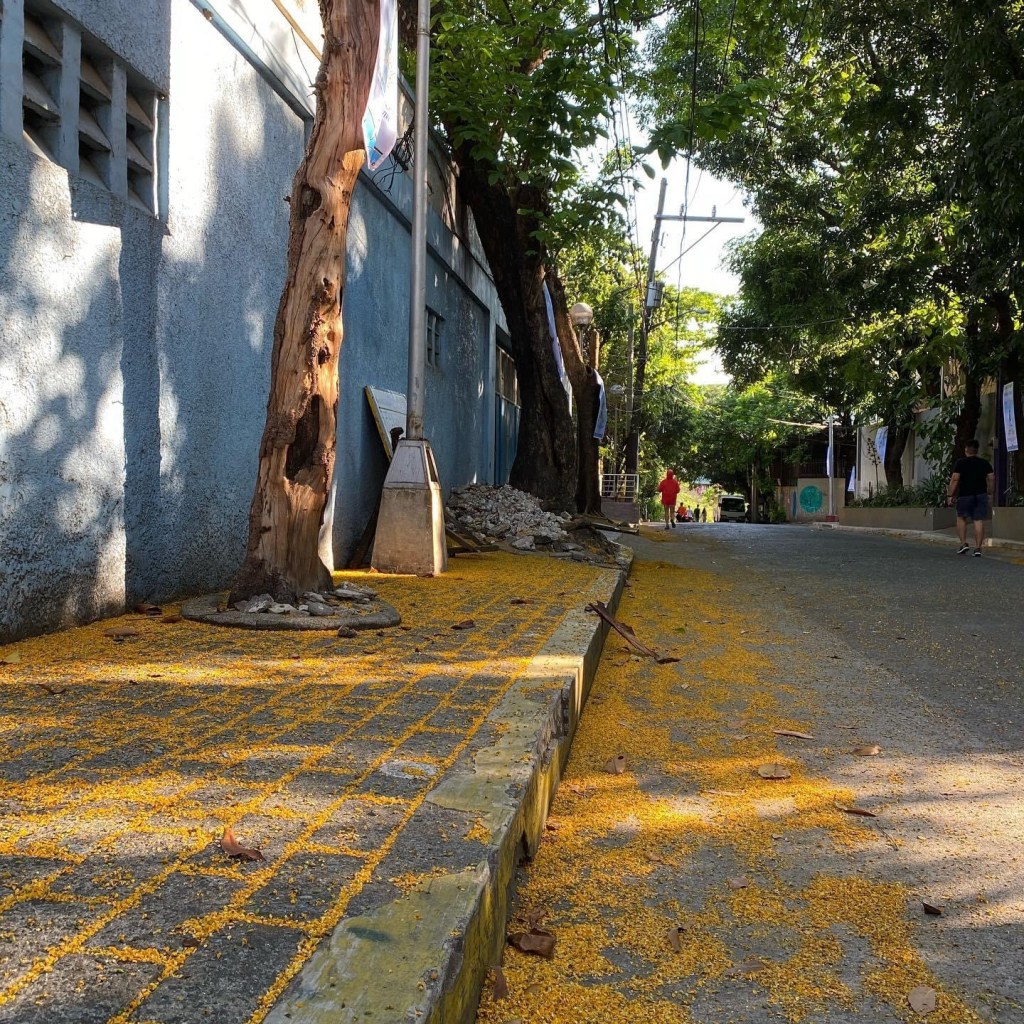
Photo by Mr. Jim Marpa in Carigara, Leyte 2018.

These very presence of sin and evil in the world show that God’s final victory has not taken place yet. Therefore, each day is actually a reminder of the coming end of time, the return of Jesus to establish final peace and order. Far from terrifying and discouraging us, it is a call for us to live fully in the present, mindful of that Latin phrase “memento mori” that means “remember you must die.”

The German philosopher Martin Heidegger said we are all “beings-towards-death”, meaning, we all die someday.

It is in being aware of this certainty of death that we humans live authentically. It is only when we have come to terms with death that we also come to terms with life. We fear death because we have not yet started living truly. Now is the time. No need to write those bucket list. Simply live in God, in Jesus. Be good, be joyful. Then, it does not matter anymore when death comes. Amen. Have a blessed, faithful week ahead.

The wonderful gifts of wisdom

The Lord Is My Chef Daily Recipe for the Soul by Fr. Nicanor F. Lalog II
Thursday in the Thirty-Second Week of Ordinary Time, Year I, 16 November 2023
Wisdom 7:22-8:1   <*(((>< + ><)))*> = <*(((>< + ><)))*>   Luke 17:20-25
Photo by Dra. Eunice Nikki A. Vergara, MD in Victoria, Laguna, 2020.
Your words are so lovely
today, O God our Father,
citing to us your many attributes
as Wisdom, "a spirit intelligent,
holy, unique, manifold, subtle"
and some 30 others that beautifully
present to us your transcendence
and immanence not only around us
but most of all within us!
What I like most, O God,
are these:

For Wisdom is mobile beyond all motion, and she penetrates and pervades all things by reason of her purity. And she, who is one, can do all things, and renews everything while herself perduring; and passing into holy souls from age to age, she produces friends of God and prophets.

Wisdom 7:24, 27
You are so great and awesome,
dear God, yet so close to us your
mere creatures like our breath,
so personal indeed as a friend,
so loved and always forgiven,
renewed and made pure
in your presence.
Forgive us for those moments
when like the Pharisees in
the gospel continue to ask you
for visible signs of the Kingdom of God;
we just have to feel you inside us,
we just have to recognize your dwelling
in us in Jesus Christ,
we just have to open our selves,
our minds and our hearts
to your little comings
until we have grown so big
in you and your presence,
in your love and mercy.
Amen.

Si Ned at si San Martin ng Tours

Lawiswis Ng Salita ni P. Nicanor F. Lalog II, Ika-15 ng Nobyembre 2023

Ang kauna-unahang may sakit na aking pinahiran ng Banal na Langis ay ang tiyahin ng aking ina na kung tawagin namin ay Ned. Ayon sa nanay ng aming ina na Ate ng Ned, utal daw kasi ang dalawang nauna niyang anak at hindi masabi ang Nana Cedeng (o Chedeng), ang palayaw ng kanyang tunay na pangalang Mercedes.

Kaya, naging Ned na ang nagisnang tawag ng mga mommy ko at pati na kaming magpipinsan na kanyang mga apo. Walang anak ang Ned dahil maaga siyang nabiyuda nang magka-cancer ang kanyang kabiyak na siyang tunay na taga-Bocaue, Bulacan. Mula sa Aliaga, Nueva Ecija ang mga lola ko sa panig ng aking ina na mula sa angkan ng mga Bocobo.

Nang ako ay magdiriwang ng aking Primera Misa Solemne bilang bagong orden na pari noong ika-26 ng Abril 1998, hindi na nakapaglalakad ang Ned kaya bago kami magprusisyon, siya ay aking dinalaw at pinahiran ng Langis ng Maysakit. Pagkaraan ng ilang Linggo, sinugod siya sa ospital dahil sa stroke at nag-comatose kaya kinailangang ipasok sa ICU. Hindi naman siya kaagad namatay tulad ng iba kong pinahiran ng Langis ng Maysakit….

Pagkaraan ng isang linggo, inilipat na siya ng regular na silid at aking dinalaw. Hindi naapektuhan ng stroke ang kanyang pananalita. Tumingin siya ng matagal sa akin at pagkaraan ay hiniling na lumapit sa kanya.

“Mayroon akong ikukuwento sa iyo, Father, pero hindi ko alam kung ikaw ay maniniwala” sabi niya sa akin. Hinagod ko kanyang noo gaya ng ginawa niya sa akin noong ako ay natigdas nang bata pa. “Ano po inyong sasabihin?”, tanong ko sa kanya.

Larawan kuha ni G. Bryan San Luis, Kapistahan ni San Martin ng Tours, Patron ng Bayan ng Bocaue, Bulacan, 11 Nobyembre 2023.

“Father… ako e namatay na. Ang natatandaan ko lang ay naglalakad ako mag-isa sa madilim na kalsada. Maya-maya may nakita akong liwanag at bigla mayroong sumalubong sa aking mama na naka-kabayong puti. Sinabi sa akin nung mama, ‘Cedeng, magbalik ka na ika… hindi mo pa oras.'”

Sabi ng Ned, kaagad naman siyang tumalikod at naglakad pabalik ngunit muli niyang nilingon yung mama na naka-kabayo. Tinanong daw niya, “Hindi ba kayo si San Martin ng Tours?” At sumagot naman daw yung mama na siya nga si San Martin ng Tours. “E paano po ninyo ako nakilalang si Cedeng?” tanong daw niya. Sumagot daw si San Martin, “Paanong hindi kita makikilala, Cedeng, e kada piyesta ng Mahal na Krus at kapistahan ko ay nagsisimba ka palagi sa Bocaue?” Nangiti raw si San Martin sa kanya at di na niya nalaman ang mga sumunod maliban sa makita sarili niya naroon na sa ospital.

Wala daw siyang pinagsabihan ng karanasang iyon maliban sa akin dahil ako ay pari. At muli niya akong tinanong, “naniniwala ka ba Father na pinabalik ako dito ni San Martin ng Tours?” Hinagod ko muli ang noo ng Ned at sinabi ko sa kanyang “Opo, naniniwala po ako sa inyo.”

Larawan kuha ni G. Bryan San Luis, si San Martin aming Patron kasama ang Mahal na Krus sa Wawa na amin ding ipinagpipista tuwing buwan ng Hulyo sakay ng pagoda sa Ilog ng Bocaue.

Tumagal pa ang Ned ng limang taon bago siya pumanaw noong ika-5 ng Hulyo, 2003. Mismong sa harap ko siya namatay nang siya ay aking dalawin matapos ako magmisa sa kapit-bahay niyang namatay.

Naku, kay laking isyu noon sa aming lugar ang pagkamatay ng Ned. Ako sinisisi ng matatanda kasi daw inuna kong puntahan ang patay bago ang buhay! Ewan ko sa kanila ngunit pagpapala ang aking naranasan at nakita sa pangyayari: nang malagutan ng hininga ang Ned sa harap ko, kaagad kong tinawag ang kanyang tagapag-alaga, pinahiran ko pa rin siya ng Banal na Langis, at nang matiyak na patay na siya, kaagad akong nagmisa mag-isa doon sa kanyang silid kasama malamig niyang bangkay. (Ewan ko ba. Dalawang pari na rin, parehong Monsignor, ang namatay sa harapan ko at sa pangangalaga ko.) .

Palagi ko ikinukuwento ang “near-death experience” na iyon ng aking Lola hindi lamang sa dahil kakaiba kungdi mayroong malalim na katotohanang inihahayag – ang pagmamahal sa ating parokya, ang pananalangin ng mga Banal sa atin at higit sa lahat, ang kahalagahan ng Banal na Misa na siyang “daluyan ng lahat ng biyaya at rurok ng buhay Kristiyano” ayon sa Vatican II. Wika ni San Juan Pablo II, sa Banal na Misa aniya ay mayroong cosmic reality

Nang magkaroon ako ng sariling parokya noong 2011, isa iyon sa mga una kong kinuwento sa mga tao upang ituro pagmamahal sa kanilang parokya. Ipinaliwanag ko sa kanilang ang mga Banal na mga Patron ng parokya ang unang nangangalaga sa mga mananampalataya, ang ating mga tagapagdasal doon sa langit, mga taga-pamagitan.

Larawan kuha ni G. Bryan San Luis, prusisyon noong Kapistahan ni San Martin ng Tours, Patron ng Bayan ng Bocaue, Bulacan, 11 Nobyembre 2023.

Naniniwala ako na si San Martin ng Tours ang sumalubong kay Ned kasi nga hindi pa naman niya oras, kaya wala pang paghuhukom na naganap sa kanya na tanging si Jesu-Kristo lang ang makagagawa.

Ang pinaka-gusto kong bahagi ng kanyang kuwento ay ang kanilang usapan kung paano nakilala ni San Martin ang aking Lola sa tunay niyang palayaw na Cedeng. At hindi Ned.

Ipinakikita nito sa atin ang kahalagahan ng pagsisimba tuwing Linggo at mga pistang pangilin sa simbahan lalo ngayon panahon na akala ng marami ay sapat na ang online Mass. Ang Banal na Misa ay “dress rehearsal” natin ng pagpasok sa Langit. Kay sarap isipin na bukod sa Panginoon at Mahal na Birheng Maria na sasalubong sa atin doon ay kasama din ang Patron ng ating Parokya na kinabibilangan natin. Nakalulungkot maraming tao ngayon ni hindi rin alam kung ano at saan kanilang parokya! Alalahanin mga nakita ni San Juan Ebanghelista sa langit habang siya ay nabubuhay pa upang isulat sa Aklat ng Pahayag:

At narinig ko ang isang tinig mula sa langit na nagsasabi, “Isulat mo ito: Mula ngayon, mapapalad ang naglilingkod sa Panginoon hanggang kamatayan!” “Tunay nga,” sabi ng Espiritu. Magpapahinga na sila sa kanilang pagpapagal; sapagkat susundan sila ng kanilang mga gawa.”

Pahayag 14:13

Anu-ano nga ba ating mga pinagkakaabalahanan sa buhay ngayon? Anu-ano ating pinag-gagawa na susundan tayo sa kabilang buhay upang ating ipagpatuloy? Kabutihan ba o kasamaan? Huwag nating sayangin pagkakataong ipinagkakaloob sa atin ng Diyos ngayon. Siya nawa.

San Martin ng Tours, ipanalangin mo kami.

Larawan mula sa flickr.com ng isang icon ni San Martin ng Tours hinahati kanyang kapa para sa isang pulubi.

Semper fidelis

The Lord Is My Chef Daily Recipe for the Soul by Fr. Nicanor F. Lalog II
Tuesday in the Thirty-Second Week of Ordinary Time, Year I, 14 November 2023
Wisdom 2:23-3:9   ><]]]]'> + ><]]]]'> + ><]]]]'>   Luke 17:7-10
Photo by author, Ubihan Island, Obando, Bulacan, 31 December 2021.
Your words today, O God,
remind me of your fidelity,
of your being always faithful
even beyond death.

How reassuring are your words
in the first reading of your great love
for us, "forming us to be imperishable;
the image of your own nature.  
But by the envy of the Devil,
death entered the world,
but the souls of the just are 
in the hand of God,
no torment shall touch them"
(Wisdom 2:23-24, 3:1).
From the very beginning,
you have assured us of 
grace and mercy;
keep us faithful to you always,
seeing everything we have 
is a blessing by living a life in faith
in Jesus Christ which is 
a life of love
too!  

What an honor to serve you,
dear Father, in love and fidelity;
like those servants in the parable,
may we seek only Jesus,
always Jesus so that
in the end of our lives,
we may truly know you
by being with you 
in Heaven in all eternity.
Amen.

On crying & giving permission to die

Quiet Storm by Fr. Nicanor F. Lalog II, 10 November 2023
Lady of Sorrows from a triptych by the Master of the Stauffenberg Altarpiece, Alsace c. 1455; photo from fraangelicoinstitute.com.

There’s a beautiful interplay between crying and living. And dying.

When we were growing up as kids, siesta was obligatory at home. It was a moral ought that my mom would tell us stories in bed to fall asleep, always holding a copy of the Reader’s Digest with its beautiful pictures and illustrations.

One siesta time, the image of a newborn baby being delivered caught my eyes from the copy of the Reader’s Digest my mom was holding. Then the next illustration struck me – I was about four or five years old – as it showed the doctor held the baby upside down, crying so hard after being spanked by the doctor! My mom explained to me that’s the way it is with babies when they are born: if they cry, that means they are alive but if they do not cry, the doctor had to spank the baby in order to cry and be alive.

That was my first lesson about life strongly etched in my mind. As I grew up and matured, especially after being ordained as priest, I realized deeper meanings from that simple explanation of my mom: crying is part of our lives. If we get hurt, if we suffer, if we cry, that means we are still alive.

Photo by Daniel Reche on Pexels.com

Many times in life for us to live, we have to kick hard and cry so hard enough like newborn babies to breathe and be alive. It is in crying we realize so many things in life, about real friendships and relationships, about joy and sadness. There are times we cry not only when in pain and agony but even when we experience joy. In fact, our most profound experiences in life are best expressed with tears when we cry, best when in silence and alone.

Crying is life’s most wonderful and effective response to any experience in life so burdened by many things (see our previous blog, https://lordmychef.com/2021/11/23/on-shedding-tears-and-crying/).

But, death had also taught me something so amazing and lovely about crying. I consider it as the other side of crying. And of life.

Photo by author, Baguio City, August 2023.

It happened when my best friend, Gil died in 2015. He asked me in February that year to pray for his long-delayed medical checkup; that same night, he called me again that his doctor had him confined for suspected cancer. After a series of tests, he had radiation then surgery after which followed his series of chemotherapy.

Gil cried a lot when diagnosed with cancer. He was angry and bitter with his sickness. And for a good reason because among us from high school seminary, he was the healthiest and most health conscious! I knew it because when news of that mad cow disease from Europe broke in early 2000, he stopped eating beef even burgers!

In mid September, her Ate Lily called me that doctors had told them Gil’s cancer cells were very aggressive and would have a short time to live. It was a Sunday and we his friends rushed to Makati Med that afternoon. I came to visit him for another three days before he died early Sunday morning, September 22, 2015.

It was during his final week in the hospital when he asked me for a “permission to die” (see our blog, https://lordmychef.com/2023/11/08/giving-permission-to-die/). Gil simply told me he was ready to go. His face was radiant and light, he was so at peace on his hospital bed as he gave me other final instructions for his kids and ex-wife.

I could not say anything except cried. And I cried so hard, especially as I anointed him with holy oil and prayed the commendation to the dying. It was from Gil that I realized the dying receive that special grace of knowing the end, possibly even of seeing heaven that is why they are always so composed like Jesus Christ on the Cross on Good Friday. I told him how I wish I could have that same courage in facing death when my time comes. He assured me God would give me that grace too.

From that experience, I realized when people get sick, they cry because that’s when death faced them. Who would not cry and be terrified? We their friends and family in turn, console them. The inverse happens when they approach death: they are so composed, we their family and friends are the ones crying. And the one dying are the ones consoling us! When they die, we cry. Why? Because we do not know what happens next, of what lies ahead when our loved ones are gone. Paano na tayong naiwan? That’s the saddest and scariest part of life when someone dear to us dies.

In 1999, St. John Paul II wrote a letter to his fellow elderly where he said that the grace of getting old is to be able to look back to the past with gratitude and to look forward to the future with joyful anticipation of eternity. That holy Pope must have been seeing heaven while still here on earth!

Photo by author, National Shrine of Our Lady of Fatima, 06 November 2023.

It is in death when we see its strange contrast with life, of how when we were born, we cried and kicked hard to be alive while those around us rejoiced with the gift of life; when we die, we do not cry because we are already joyful with the coming bliss while those around us are filled with grief and sadness, crying not only with our demise but because they do not know what lies ahead.

In both instances, we find the grace of God so pronounced, so present that indeed, St. Paul was absolutely right:

None of us lives for oneself, and no one dies for oneself. For if we live, we live for the Lord, and if we die, we die for the Lord; so then, whether we live or die, we are the Lord’s.

Romans 14:7-8

When we were growing up, there was a baby shampoo that advertised itself so mild that would not hurt your eyes, marketing itself with the words “No more tears”. It also played a commercial of a young boy going to shampoo his hair declaring, “a man should not cry” to bolster that old belief that crying is weakness.

At the sermon on the mount, Jesus taught us one of the beatitudes as “Blessed are they who mourn, for they will be comforted” (Mt. 5:4). I love using this gospel in funeral Masses. Where is the blessedness of mourning the death of a loved one? What is good with mourning, with crying?

Answer: love.

Blessed are those who mourn because they have love in their hearts. We cry at the death of a beloved because we love them. But, the greatest blessing we have when we mourn is from the love we have experienced from the one who had died. It is said that “if you have love in your heart, you have been blessed by God; if you have been loved, you have been touched by God.”

We are blessed when we mourn, when we cry at the death of a beloved because they loved us, they gave us a glimpse of God, they made us experience God’s love in their love! Is it not a tremendous blessing indeed?

We are so blessed these days that crying is no longer considered as a sign of weakness but actually of strength – the strength to live and the strength to forge on in life after the death of a beloved. Cheers to our tears that keep us alive! Have a wonderful weekend!

Photo by author, National Shrine of Our Lady of Fatima, Valenzuela City, 2021.

Giving permission to die

Quiet Storm by Fr. Nicanor F. Lalog II, 08 November 2023
Photo by author, National Shrine of Our Lady of Fatima, Valenzuela City, 06 November 2023.

A very dear friend died last October 16 after more than three years of fighting cancer. She used to be one of our elementary teachers at the school I was first assigned after ordination. She later resigned to teach abroad but every year whenever she was home for summer vacation, she always invited me to join their mini-reunions of former co-teachers.

Everything changed in 2020 when she had to retire early to return home for her cancer treatment. We could not visit her during the pandemic lockdown, occasionally meeting her via zoom and video phone calls. When COVID subsided a little in late 2021 and early 2022, we finally met briefly. She seemed to be responding well to her chemotherapy except that she had lost hair that was natural. Last December, we were finally able to go out with other fellow co-teachers twice after Christmas and after New Year’s day last January. We were so glad she had regained weight and strength. And hair too!

Saw her again last June but in late August, she stopped answering our messages. It turned out that her cancer had metastasized to her lungs and liver. When I came to see her October 7, the first thing she told me was for me to “allow her to die”. According to her brothers and elder sister, she had also asked them for “permission to die” earlier that night because she said, she was already tired and was ready to go back to God.

Photo by author, National Shrine of Our Lady of Fatima, Valenzuela City, 06 November 2023.

It was not the first time somebody had asked me a “permission to die”, especially since I have become a hospital chaplain two years ago. But, I must confess, in all instances, there was always hesitancy on my part in giving “permission to die” especially when those dying are close to me like friends and relatives. In fact, the first person who asked me “permission to die” was my best friend from high school seminary. I just cried, said nothing when he calmly told me he was ready to go.

That scene remains vivid to my memory to this day, including the many lessons he had taught about life and dying.

By the way, let me put it clear that what we are referring here as giving “permission to die” is allowing death take its natural course, not mercy killing or euthanasia which is intrinsically evil we should never allow.

In my 25 years in the priesthood, two years as hospital chaplain since 2021, I have always felt the process of dying as a “grace-filled moment” too like in the birth of an infant or recovery of a sick person. Both the dying and their family and friends are blessed when death approaches or had come, like when Jesus visited Martha and Mary four days after the death of their brother Lazarus. That scene of Jesus speaking to Martha before bringing Lazarus back to life assures us of how God had turned death into a blessing in Christ: Jesus told her, “I am the resurrection and the life; whoever believes in me, even if he dies, will live, and everyone who lives and believes in me will never die. Do you believe this?” (Jn. 11:25-26)

Photo by author, National Shrine of Our Lady of Fatima, Valenzuela City, 06 November 2023.

If we believe Jesus and his words to Martha, we too shall find him coming to us when a beloved is dying, especially when they ask us that “permission to die” which is not actually a permission per se because only God decides when we are going to die.

When patients ask for “permission to die”, they are actually bidding us goodbye. Dying people always knew when they had to go because they have already accepted the reality. This is very noticeable at the serenity, even of joy, on their face. Despite their sickness, dying patients who have truly made peace with God and had given up everything to Him always have that grace of composure like Jesus when he died on the Cross, crying his same prayer, “Father, into your hands I commend my spirit” (Lk.23:46).

Photo by author, National Shrine of Our Lady of Fatima, Valenzuela City, September 2021.

Giving “permission to die” is a grace from God He gives to relatives and friends to accept and embrace that difficult reality.

“Permitting” our loved ones to die is to assure them of our love and forgiveness of their sins against us. It is our final act of love for them when we assist them to that great passageway onto eternity like when we would lead our guests out to the door to ensure them our separation is just temporary until we meet again soon.

Due to this great amount of love in our final goodbyes, some people sometimes “fake” their dying moments, creating a “drama” in asking “permission to die” when actually, they are not yet ready to die but merely demanding love and care from family and friends. One clear sign is they tend to be more cerebral than cordial, becoming bitter and angry than ever. Even amid sufferings, they think more of themselves than feel others around them. Like the boy who cried wolf, they have not yet really seen death approaching because most likely, they have not yet faced life and living truly. Coming to terms with death is coming to terms with life. When loved ones “fake” their dying, what they really seek is how to live fully and responsibly, to be their true self. But that’s a different topic…

Photo by author, Malagos Orchid Farm, Davao City, 2017.

Death is the most terrifying moment in life because we do not know what’s next, where we are going. That is why, when people truly mean that they have accepted death, that is also when they have accepted life in its fullness. They do not reason out. They just feel God and those around them. Most of all, they have peace within amid pains.

The same thing happens with us relatives and friends of the dying. We feel their sense of peace within, affecting us, infecting us. Hence, we get lost at how to express our giving them of that permission to die. Very often, we cry because our hearts overflow with love. When we feel their seeking of permission to die is genuine, our mouths and tongues are shut, incapable of expressing our love for them that is diverted into our eyes as tears, bursting forth like waters from a collapsed dam that cleanse also us of our fears and sadness at our impending loss.

Finally, giving permission to die to our beloved is an expression of our faith in God, affirming we all came from God and would someday go home to God in heaven. Thus, giving permission to die is actually to comfort – literally, “to give strength to” – the dying of their faith in God while facing their final tests and temptations in life, assuring them that soon, we shall join them in eternal joy.

Many times, our family and friends suffer so much before death because of our refusal to let them go too. We keep on holding them back that terrify them in making the great crossover. Giving them permission to die is easing and sharing their fears so they can finally let go and let God, that is, die – the meaning of the letter “d” that stands between the words “go” and “God”. According to the prayer by St. Francis of Assisi, it is in dying when we are born into eternal life. Amen.

*Aside from All Saints’ Day and All Souls Day, the whole month of November is a traditional time for visiting the graves of our loved ones. Go and offer them prayers, especially that “permission to die” if you are still holding them and have not yet let them go.

Photo by Pixabay on Pexels.com

Our worship, our life

The Lord Is My Chef Sunday Recipe for the Soul by Fr. Nicanor F. Lalog II
Sunday in the Thirty-first Week of Ordinary Time, Cycle A, 05 November 2023
Malachi 1:14-2:2, 8-10 ><}}}}*> 1 Thessalonians 2:7-9, 13 ><}}}}*> Matthew 23:1-12
Photo by author, Malagos Orchid Farm, Davao City, 2017.

More than 18 years ago when we were assigned to a parish in our concurrent positions as school administrators in Malolos, an older priest offered to help us think of “gimmicks” so people would come to our parish. He insisted how the Church must have “marketing strategies” to attract more people celebrate Mass especially on Sundays.

After that older priest had left, I told our Rector to dismiss everything he had heard. I explained to him we do not need any marketing strategies because we have the best to offer – God in Jesus Christ. I stressed to him that only two things are essential in the parish: good liturgy that flows to good service.

A few years later, I was assigned to a parish of my own and held on that conviction. Modesty aside, that parish entrusted to me grew and became so vibrant during my nine years of stay there. Even during the pandemic lockdown, we continued with our good liturgies on line and in the ground that enabled us to serve everyone, especially the poor regardless of their religion. We never asked donations but people volunteered to give cash and goods to sustain the parish and our outreach programs.

Photo by Ms. Ria De Vera, Christ the King procession in November 2020.

Our readings today are very timely as the Synod on Synodality concluded in Rome recently that sought new ways in getting everyone in the Church especially those in the margins may journey together in Christ, with Christ to God our Father.

Although we priests and bishops remain as the biggest problems in the Church since the beginning like the Pharisees and scribes during the time of Jesus, having a good and meaningful liturgy that is living and fruitful is everyone’s responsibility.

And now, O priests, this commandment is for you: If you do not listen, and if you do not lay it to heart, to give glory to my name, says the Lird of hosts, I will send a curse upon you and of your blessing I will make a curse. You have turned aside from the way, and have caused many to falter by your instruction; you have made void the covenant of Levi, says the Lord of hosts.

Malachi 2:1-2, 8

How appropriate were the words by Prophet Malachi spoken in 480 BC who invites us too today to examine the manner we celebrate the liturgy in our communities, the spirit and seriousness that animate us, the image of God our celebrations project.

Is God still among us in our liturgy that after every celebration, we find him in our midst?

Is there still a sense of awe and wonder, of mysterium fascinans or we – priests and people – have replaced God in our worship?

Malachi was right on target then and now in echoing God’s anger and frustrations at the sight of our degenerate and perverted worship where anything goes as if God does not see us. And worst, as if we could fool him when our hearts are divided and so far from him and from one another which Jesus tried fixing these past two Sundays.

Photo by Mr. Gelo Nicolas, Bagbaguin, Sta. Maria, Bulacan, February 2020.

Jesus had silenced his enemies today in our gospel, he took it to unleash to them – and us – powerful tirades against their hypocrisies (and ours too), of how far our hearts been from God and one another, lacking in love due to its being so divided.

What a way to conclude his teachings these past two Sundays after failed attempts by his enemies to trick him into saying things that could lead to his arrest and execution.

Jesus spoke to the crowds and to his disciples, saying, “The scribes and the Pharisees have taken their seat on the chair of Moses. Therefore, do and observe all things whatsoever they tell you, but do not follow their example. For they preach but they do not practice. They tie up heavy burdens hard to carry and lay them on people’s shoulders, but they will not lift a finger to move them. All their works are performed to be seen.

Matthew 23:1-5

These past two Sundays, Jesus stressed the need of purifying our hearts so that we may give to God what is due to him which is our total selves. To purify our hearts, to have a clean heart to see God as in his beatitudes we heard proclaimed on All Saints Day means to enter into a communion with Jesus Christ, the One with the purest and cleanest heart who truly loves God and all of us.

Photo by author, St. Scholastica Retreat House, Baguio City, August 2023.

Today Jesus is calling us to walk our talk, to mean what we believe and say, to be true as his disciples who choose to love and suffer for God, who finds value in God dwelling in our hearts not in things outside like names and ranks, titles and designations, clothes and other signs.

Today Jesus is calling us to live and relate honestly with others wherein our whole selves – words and actions, body and soul – are united by hearts inclined, resting in God.

Today Jesus is calling us to focus on him alone for he is our only true Teacher and Master who lovingly humbled himself as servant of all to lead us to God our one Father in heaven.

Of course, Jesus is not asking us to disregard nor dismiss all titles and designations that define our roles and functions not only in the liturgy but even in the family and society. When we learn to give what is due to Caesar and what is due to God, then we discover that our proper “seat” is in this life is in the place of a servant and that our true “place of honor” is at God’s kingdom where everyone is equal. When we have this clearly in our minds and in our hearts, then, our words and deeds are no longer in opposition like the Pharisees and scribes who did not practice what they preached because we have become witnesses to integrity of self as disciples of Christ.

Photo by author, Our Lady of Fatima University, Valenzuela, 13 September 2023.

Vatican II rightly and beautifully called the liturgy as “fons et culmen” – the fount from which all blessings of our faith flow and the apex or summit of our lives as Christians, as disciples of Christ.

How true is our worship of God?

St. Paul gave us a glimpse of their living worship in Thessalonica, picturesquely telling them how “they were gentle among you, as a nursing mother cares for her children. With such affection for you, we were determined to share with you not only the gospel of God, but our very selves as well, so dearly beloved had tou become to us” (1Thes. 2:7-8).

How I wish we priests could be so sincere like St. Paul to the people and most especially to our Lord! This Sunday, may our worship be our lives too in Jesus like the admonition of St. Augustine to his congregation when distributing the Holy Communion, “Become what you receive: the Body of Christ”. Amen. Have a blessed new week!

Praying to always “re-member”

The Lord Is My Chef Daily Recipe for the Soul by Fr. Nicanor F. Lalog II
Thursday, All Souls' Day, 02 November 2023
Wisdom 3:1-9 ><]]]]'> Romans 6:3-9 ><]]]]'> John 6:37-40
Photo by author, Jesuit Cemetery, Sacred Heart Novitiate, Novaliches, QC, 21 March 2023.
As we remember today
all our departed loved ones
awaiting entry into your holy presence
O God in heaven, 
we pray too that we may
always remember 
your call for us to be good,
for us to work for justice
and truth,
for us to always remember
there is death,
there is judgment.
We are beings of forgetfulness,
Lord, and what a wonderful gift you
have given us with "re-membereing" -
for making someone long gone
still a part, a "member again" 
of the present
when we who are living 
in the "here" and "now"
remember them in our
prayers and sacrifices,
most of all, in our good deeds
because love, after all,
can reach in the afterlife!
The best way to
remember is to live
in the present moment
in Christ Jesus 
who had assured us
of our salvation, that 
not one of us he would lose
but raise to life on the last
day (John 6:39);
while here on earth, 
may we start purifying ourselves
in your loving service, Lord,
to others, whether they are
in this life or in the afterlife 
inasmuch as our lives 
are connected with 
one another to eternity;
and so, we pray for them,
we hope for them,
because we love them
in YOU, Jesus,
with YOU, Jesus,
and through YOU, Jesus
as we hope it is never too late
nor is it in vain to touch
their hearts wherever
they may be.
Amen.

Our hallowed hiddenness

Quiet Storm by Fr. Nicanor F. Lalog II, 31 October 2023

Whether you choose to celebrate Halloween in its truest sense which is the Christian and sacred celebration of All Saints or, the popular and pagan manner that is scary or spooky, November first reminds us always of things that are hidden and not seen.

What is really scary whenever November first approaches is the insistence of so many benighted souls including many Christians who highlight the erroneous pagan practice of dressing evil when halloween literally means “hallowed eve” or “holy evening” before the day set aside for all “holy souls” already in heaven we call “saints”. Any soul who enters heaven is considered a “saint”, that is, holy even if not recognized or canonized by the Church.

Remember the old Our Father translation when we used to say “Hallowed be thy name”? That’s it! Hallowed is the old English for holy. Where people got that idea of halloween as evil is clearly from the devil! And part of that sinister ploy by the devil in making evil funny and acceptable – and visible – is happening in the social media where everything must be seen, shown and exposed. Notice the expression “as seen on TV” to sell and market products while Facebook users brag their rule of thumb “show pictures or it never happened”.

Not everything can be seen and must be seen and shown. Recall how Genesis portrayed Adam and Eve hiding in shame, covering themselves with leaves after eating the forbidden fruit but these days, which could be the second phase of the Fall, men and women are not ashamed at all of their sins and scandals that instead of hiding, they make known to everyone deeds better kept in private, saying words better kept unsaid. They have absolutized the truth, baring all in total disregard of persons’ dignity and unity of the community. We have lost decency because we have also lost our sense of hiddenness, of privacy through silence and stillness.

Photo by author, sunrise at the Pacific from Katmon Nature Sanctuary & Beach Resort in Infanta, Quezon, 04 March 2023.

Hiddenness is a sacred presence where each of us can be all by one’s self focused on God who is the root of our being and existence no matter how one may call Him.  St. John Paul II said in one of his writings that God created man first to be alone with Him.  And that is how it will be to each of us in the end: we die alone. With God.

We all have this gift of hiddenness within each one of us. This we experience in our desires to be still, to go to the mountains or anywhere for a retreat or introspection, for some “me” time to rediscover and find one’s self anew. 

Hiddenness is the passageway to the great gifts of silence and stillness that everyone needs to maintain balance in this highly competitive world filled with so much noise where everybody is talking, including cars and elevators.  Compounding the problem of noise within and outside us are the cameras everywhere that entertain us and safeguard our well-being. But, are we really safer these days with all the CCTV’s and Face ID’s we use?

From forbes.com.

Many times, we have actually stripped ourselves of the innate mystery of being human, of the beauty and gift of personhood that some have tried to reveal using the camera but failed because we are beyond seeing. We do not notice how the cameras actually rob us of respect when unconsciously we give ourselves away to the world with our photos and videos spreading far without our knowing. Worst, we have allowed the camera to invade our hiddenness without us realizing that its effects backfire to us as we rarely have the time to analyze the possible outcomes of our photos and videos that usually tend to show what is negative and bad than what is positive and good about us. Our fascination with cameras perfectly capture our Filipino term palabas that literally means “outward”, a mere show without substance inside (loob). As a result of these sounds and images saturating us daily, the more we have become confused and lost because we do not have our grounding or “bearing” found only in hiddenness.

“In our society we are inclined to avoid hiddenness. We want to be seen and acknowledged. We want to be useful to others and influence the course of events. But as we become visible and popular, we quickly grow dependent on people and their responses and easily lose touch with God, the true source of our being. Hiddenness is the place of purification. In hiddenness we find our true selves.”

Fr. Henri Nouwen
Photo by author, Anvaya Cove in Morong, Bataan, July 2023.

We need to regain our hallowed hiddenness if we wish to grow and mature truly as persons – emotionally, psychologically and spiritually.  With the phone and TV always around us even in the church, everybody and everything has become so ordinary and cheap. 

Regaining our hiddenness is learning to put our technology in its proper place to be grounded in God in silence, the one commodity that has become so scarce these days since the invention of the Sony Walkman more than 40 years ago that spawned all these gadgets all over us now.

Silence is the language of God which leads us to Him and to our true selves. Every communication by God is always preceded by silence, something we have refused to learn as the most basic requirement of every communication. No wonder, we quarrel a lot, ending up more confused than ever because we never listen to others in silence. We never dialogue but simply talk, talk, and talk.

Genesis tells us in the beginning when God created everything, there was silence before He said, “Let there be light” while the fourth gospel solemnly tells us, “In the beginning was the Word… And the Word became flesh” (Jn.1:1, 14). Both instances evoke the beauty and majesty of God in grand silence.

All books in the Old Testament especially those of Psalms and of Job teem with many instances of God in silence amid every sunrise and sunset, in the gentle breeze and vast skies and oceans. In the New Testament, all four evangelists reported nothing Jesus said and did in childhood until the age 30 except for his lost and finding in the temple when 12 years old; Jesus was totally silent all those “hidden years” of his life in preparation for his ministry that lasted only three years, accomplishing so much whereas we speak all our lives and still end up empty. Most of all, the evangelists tell us too how Jesus frequently invited his disciples to a deserted place to pray, be silent and rest to be in communion with God his Father.

Hiddenness is God’s mode of presence that cannot be captured nor described in human terms. That is why He is hidden. It is not that God is hiding from us but He is inviting us to be intimately close with Him to exclusively and personally experience Him, be filled with Him.

Photo by Ms. Jo Villafuerte in Atok, Benguet, 01 September 2019.

It was the same thing Jesus did on Easter, remaining hidden from the disciples. When he finally appeared to Mary Magdalene who tried to touch him, Jesus stopped her to signal to her and to us all of the new level of relating with the Risen Lord in hiddenness. In all Easter stories, we are told how the disciples fell silent whenever Jesus appeared to them. In Emmaus, after the breaking of bread, the two disciples finally recognized Jesus who immediately vanished too! Why? Because Jesus wanted his disciples including us today to follow him personally in his hiddenness to find him and ourselves too.

Appearances or images and noise in life are very fleeting. Very often, the most significant moments and insights we have in life are those that come from our long periods of silence, of prayers and soul-searching.

This November 1 and 2 as we remember all those who have left us in this world, let us keep its sacred origins:  All Saints Day for those souls already in heaven and All Souls’ Day for those who have departed but still being purified in the purgatory.  Both dates invite us to “hide” in prayers, in silent remembering to experience God and our departed loved ones in the most intimate and personal manner without the gadgets and things that numb us of their presence. Amen. Have a blessed All Saints’ and All Souls’ Days!