Stewards of God’s mysteries

Lord My Chef Daily Recipe for Soul by Fr. Nicanor F. Lalog II
Friday, Twenty-Second Week in Ordinary Time, Year II, 04 September 2026
1 Corinthians 4:1-5 <*((((>< + ><))))*> Luke 5:33-39
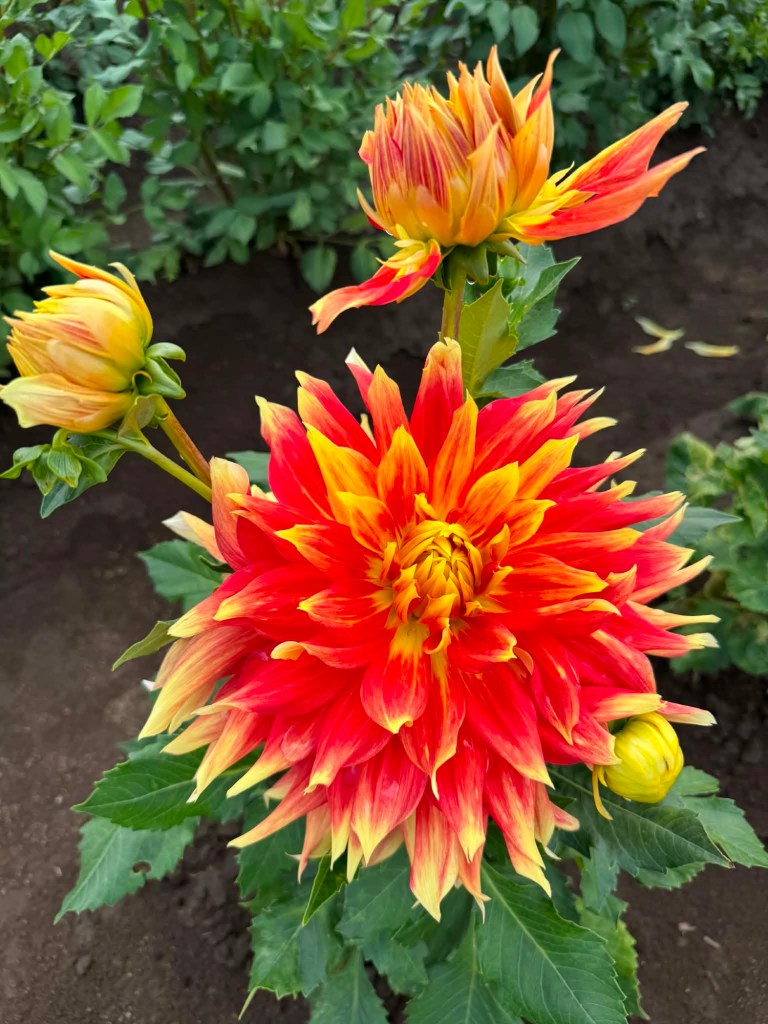
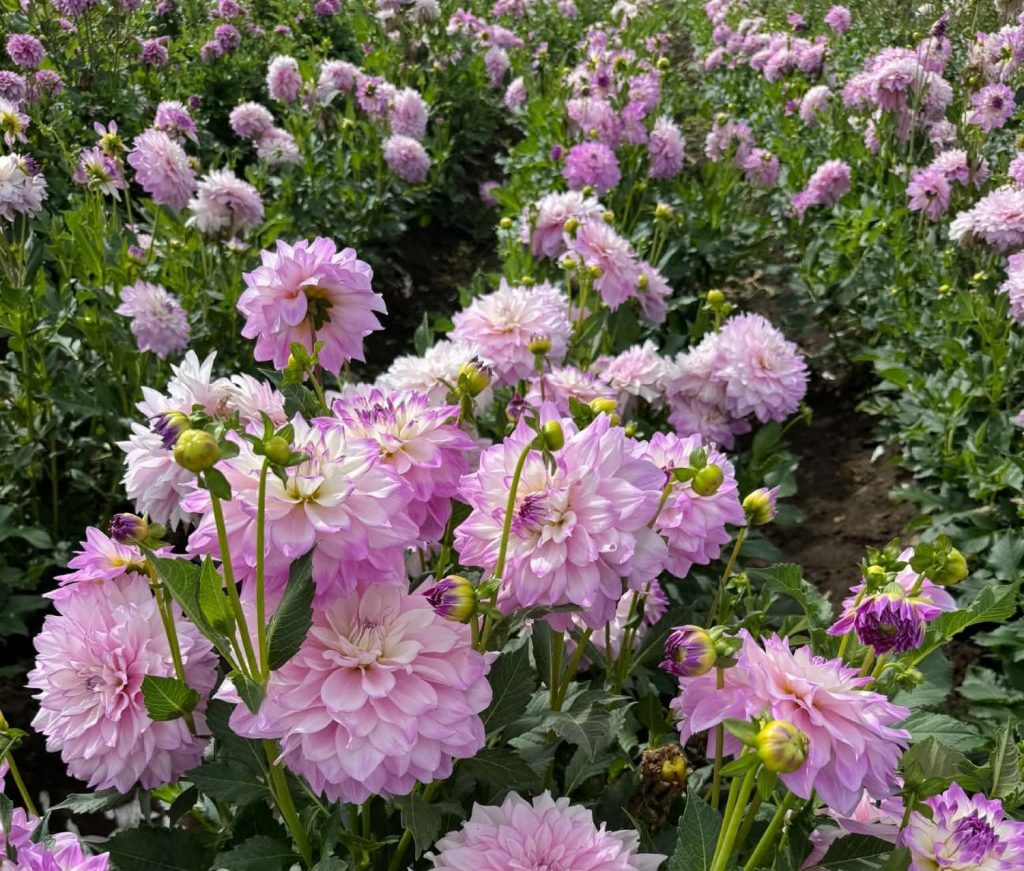
Photo by a friend from Swan Island Dahlia Farm, Canby, Oregon, 29 August 2026.
Your words remain,
Lord Jesus through St. Paul
from the other day calling us
"God's co-worker"
(1 Corinthian 3:9)
and now as
"stewards of the mysteries
of God"
(1 Corinthian 4:1).
Keep me reliable and
conscientious of these tasks
not primarily as a work
but a commitment to your call
for us to be faithful;
like St. Paul and your
apostles, Lord,
we have many critics that
many times we run into
misunderstanding and
opposition; if their points
are valid, keep us humble
to change our ways and if
our consciences are clear in
doing your work,
all the more you keep us
humble for only you
can truly and fairly judge us;
keep us grounded in you
always, Jesus,
doing our best,
putting on new wines
into new wineskins!
Amen.
Photo by a friend from Swan Island Dahlia Farm, Canby, Oregon, 29 August 2026.

“Seduced” by God

Lord My Chef Sunday Recipe for Soul by Fr. Nicanor F. Lalog II
Twenty-Second Sunday in Ordinary Time, Cycle A, 30 August 2026
Jeremiah 20:7-9 ><}}}}*> Romans 12:1-2 ><}}}}*> Matthew 16:21-27
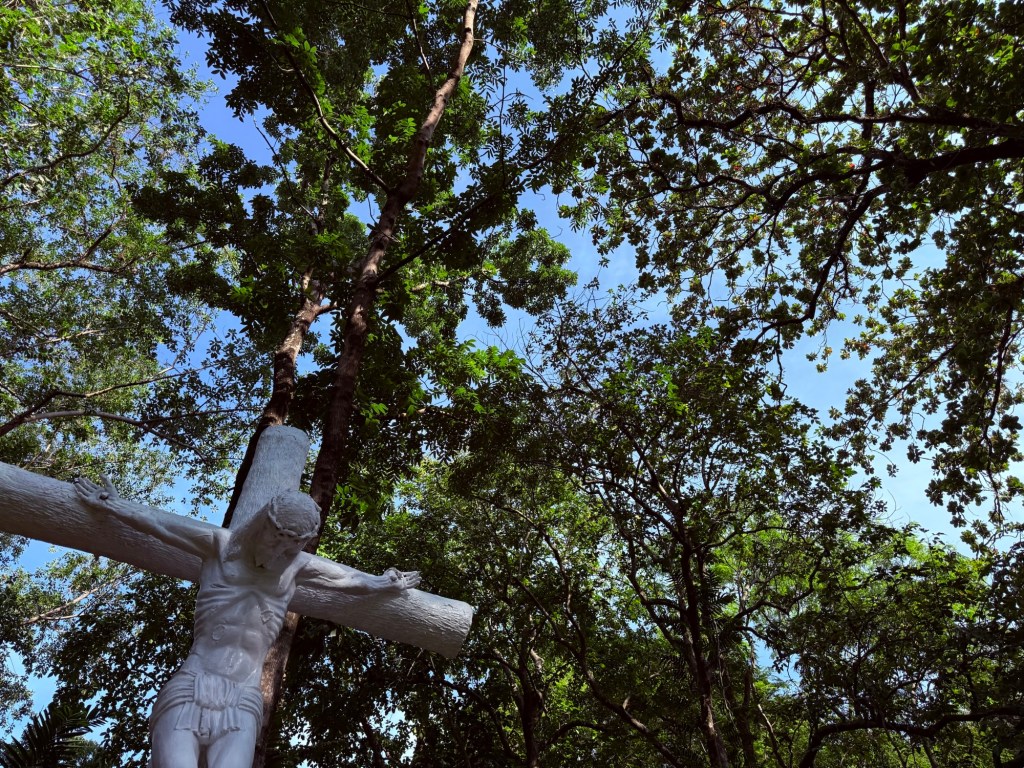
Photo by author, St. Paul Spiritual & Renewal Center, Bgy. Tanyawak, Alfonso, Cavite, 19 August 2026.

In this Sunday’s readings we see a very human side of Jeremiah and Peter, of their ambivalence in their relationship with God following their calls to be a prophet and an apostle respectively.

Here we find why it is very crucial to have a personal answer to Christ’s question last Sunday, “But who do you say that I am?” (Mt.16:15) because as both have experienced, it is not that easy serving God. Fulfilling the Divine mission is never a bed of roses but actually being crucified like Christ. Jeremiah and Peter give us good reasons – and very comforting ones about intimacy with the Lord in fulfilling his mission entrusted to us.

Let’s take Jeremiah first.

You duped me, O Lord, and I let myself be duped; you were too strong for me, and you triumphed. All the day I am an object of laughter; everyone mocks me. whenever I speak, I must cry out, violence and outrage is my message; the word if the Lord has brought me derision and reproach all the day (Jeremiah 20:7-8).

Photo by author, Malagos Nature Park, Davao City, August 2018.

In the older translations, Jeremiah cried “You seduced me, O Lord” or “You enticed me, O Lord.” That’s what I meant in our previous reflection on intimacy when the Canaanite woman “engaged” Jesus into a conversation to persuade him in healing her daughter.

Here in Jeremiah we find that strong engagement of God and man.

Have you ever wondered in immense awe within while examining our “yes” to God in following him, in accepting his invitation to do his mission that many times we sigh deeply, asking, “why did I say yes?” or “bakit ba ako sumunod pa?”

There is always that feeling like Jeremiah that we were “catapulted” by God without any warning at all into difficult situations in life like speaking contrary to what most people are thinking and saying and following, “All the day I am an object of laughter; everyone mocks me… the word of the Lord has brought me derision and reproach all the day” (Jer.20:7,8).

Recall those times when you have suffered while in the service of God that like Jeremiah in another part of his book cried, “should good be repaid with evil?” (Jer.18:20) when his own folks plotted against him for speaking the truth and about justice.

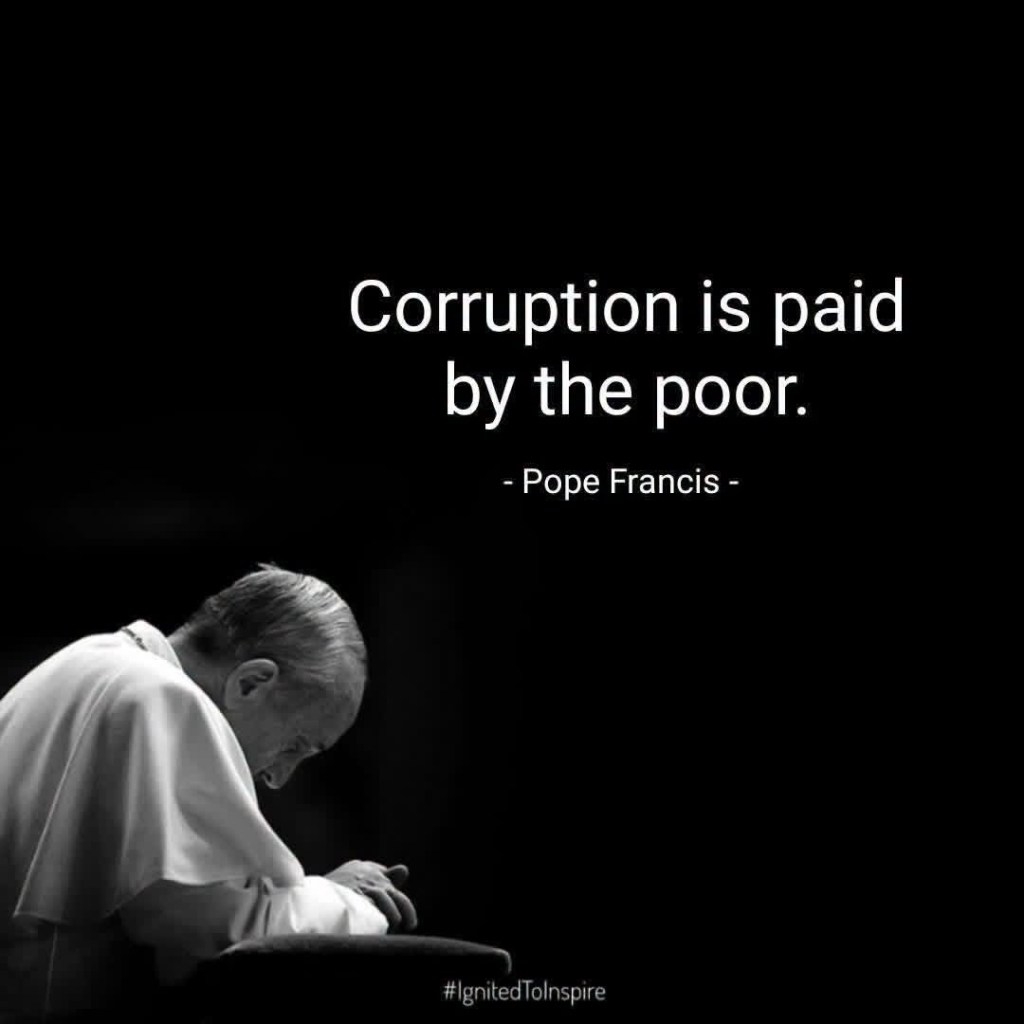
Many times we have experienced it to be so unfair with God that we who speak and do what is good are the ones on the distaff side of life, the ones maligned and seen as bad than those who thrive in evil. Just look at our corrupt officials and their enablers even in the church!

It is very sad and even confusing. Ako ba mali? Ako ba may problema?

But that’s nothing compared with what Peter felt after Jesus told the disciples that he shall suffer greatly in the hands of the elders, chief priests, and scribes in Jerusalem, that he would die but rise again on the third day:

Then Peter took Jesus aside and began to rebuke him, “God forbid, Lord! No such thing shall ever happen to you.” He turned and said to Peter, “Get behind me, Satan! You are an obstacle to me. You are thinking not as God does, but as human beings do” (Matthew 16:22-23).

Photo by author, Petra in Jordan, May 2019.

Jesus and the disciples were still in Caesarea Philippi; Peter had just been praised by Jesus in identifying him as “the Christ, the Son of the living God.” Then, suddenly, Jesus made the first prediction of his coming passion, death, and resurrection.

If we were there, we would have reacted the same way as Peter most likely.

When Jesus called us to follow him, he knew all our flaws and weaknesses like Peter and Jeremiah.

According to biblical scholars, of the four major prophets, Jeremiah was the youngest and most sensitive of all. Maramdamin. Or, even, balat-sibuyas, onion-skinned. While Peter on the other hand was very impulsive and outspoken like in this instance.

Think of your own personality.

And there lies the great mystery: why of all people me, or I am the one called to serve, called to do this work of the Lord when we could just be plain and simple like the rest.

When we were in high school seminary, one of the movies we watched on Betamax was “Oh God!” starring John Denver and George Burns as God. John asked God who suddenly appeared inside his car why call him to preach about him and not Billy Graham with many followers.

Recall those times when you asked God the same question when there are far more better persons in the world than you to become a priest or nun or servant.

Photo by author, pilgrims waiting to enter Ascension site of Christ in Jerusalem, May 2019.

“God does not call the qualified but qualifies his call.”

Very often, the devil tempts us to turn away from God in such situations we feel unqualified to do his work. Notice that when Jesus turned to Peter saying “Get behind me, Satan!”, it was reminiscent of his temptations in the wilderness.

Trust God and his words, focus in him alone not in yourself whois weak and imperfect. Discipleship is more of thinking of God and his ways, not of our self and our way. It is not easy and will never be easy because it is about people and God and self, of being not of doing or techniques that is with things and materials.

Discipleship is thinking like God and relationships leading to eternity, of asking “who” not “what” or “how much” as humans mostly do, so concerned with solving problems and finding solutions without or little concern for persons.

Discipleship is slow process and tedious, calling for more patience and perseverance in Christ that is opposite the way of the world that has to be fast and efficient, economical and cost-effective like turning stones into bread.

Photo by author, RISE Tower, Our Lady of Fatima University, Valenzuela City, 14 June 2026

Discipleship is about being fruitful, relying more on God, sacrificing and letting go, forgiving and helping while humans think about success measured in having more wealth and fame and power.

It is normal to be so eager-beaver and impulsive sometimes like Peter or sensitive like Jeremiah; human as we are, lovingly serving others in Christ can take an enormous toll on us.

What is important is that we keep that passion within, that fire burning in our heart like Jeremiah while choosing to lead a moral life as St. Paul tells us to “offer our bodies as a living sacrifice, holy and pleasing to God” (Rom.12:1).

This Sunday Jesus reminds us to get Satan behind us always, to think in God’s ways that is always difficult as he promises to come again “with his angels in his Father’s glory, and then he will repay everyone according to his conduct” (Mt. 16:27). Amen. Let us pray for a better weather this week, pray harder for those affected by the rains and floods and those in Nepal.

Asking the right question

Lord My Chef Daily Recipe for Soul by Fr. Nicanor F. Lalog II
Saturday, Nineteenth Week in Ordinary Time, Year II
Solemnity of the Assumption of the Blessed Virgin Mary, 15 August 2026
Revelation 11:19; 12:1-6, 10 ><}}}*> 1 Corinthians 15:20-27 ><}}}*> Luke 1:39-56
Photo by Ann H on Pexels.com

One significant lesson I learned in journalism and in life is that we are known by the questions we ask, not by our answers that are often wrong. When we ask the right question – especially if it is not misleading to our own assumptions – the problem or issue at hand is already half solved. 

It doesn’t really matter if we don’t get answers right away; many times the answers to our questions come or “unfold” as we move on in life. Some answers come to us later in life or after the death of a loved one. Or, maybe they would be answered in the afterlife.

Just keep asking. As one newspaper says, be an inquirer.

But, why start our reflection on asking question on this Solemnity of the Assumption of the Blessed Virgin Mary?

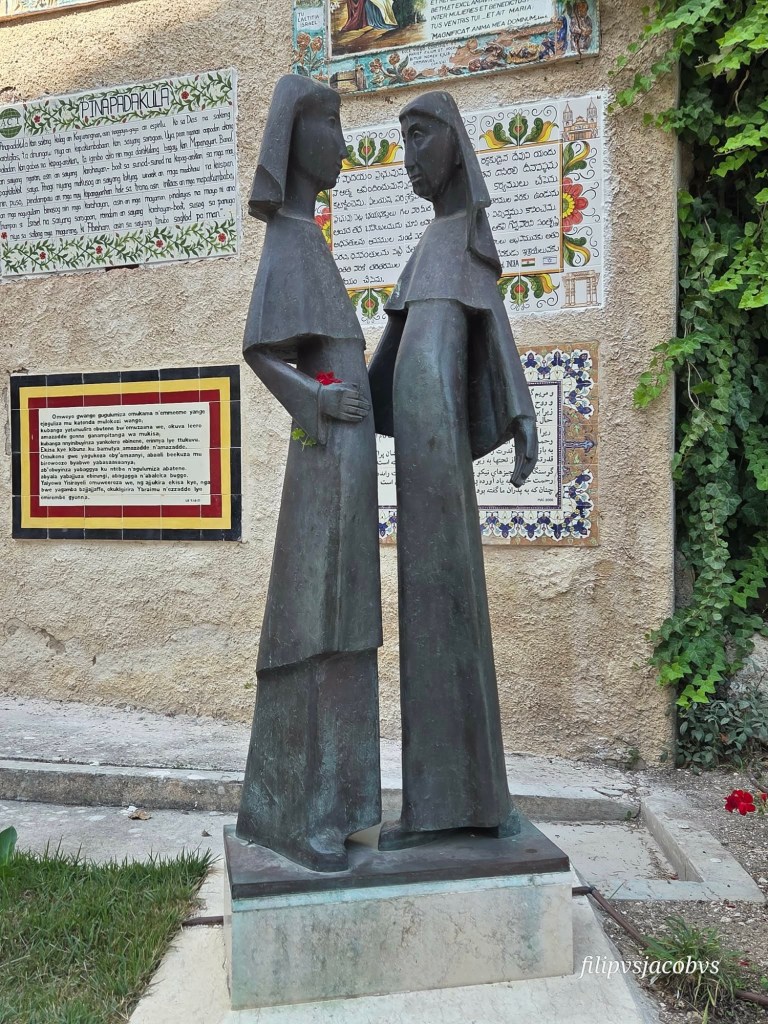
Photo by Ar. Philip Santiago, Church of the Visitation, Israel, 2024.

I was struck by how Elizabeth greeted Mary in her visitation with a question:

“And how does this happen to me that the mother of my Lord should come to me?” (Luke 1:43)

Actually, before Elizabeth asked that question at the Visitation, Mary was the first to ask the difficult question after the Annunciation to her by Archangel Gabriel, “How can this be, since I have no relations with a man?” (Lk.1:34).

In saying “yes” to God’s invitation at the Annunciation all the way to following Jesus to the Calvary and awaiting the coming of the Holy Spirit at Pentecost, Mary is the model disciple of the Lord, the “doer of the Word” in whom we see all that we can become through the power of God despite our human doubts and weaknesses. And many questions.

When Jesus was born, Mary must have so many questions but rather “kept all these things , reflecting on them in her heart” (Lk.2:19). Then when Jesus was thirteen years and got lost in Jerusalem after their pilgrimage, Mary asked anew a difficult question to him, “Son, why have you done this to us? Yur father and I have been looking for you with great anxiety” (Lk.2:48).

“The Finding of the Saviour in the Temple” painting by William Holman Hunt (1860), from en.wikipedia.org.

Mary asked the difficult questions always. And most likely, she had kept so many other questions in her heart especially when Jesus suffered, died and was buried. She was never afraid to ask questions to God because she believed, constantly seeking the truth who is her Son Jesus Christ.

On this solemnity of Mary’s assumption when we are reminded of the supreme truth of our own resurrection and assumption into heaven at the end of time when Christ comes again, we are likewise encouraged to keep asking the important questions we are often afraid to ask and confront in life like, would I make it to heaven? Or, the perennial question we ask if there is really God or if there is really heaven and hell and purgatory? 

See how the most essential questions in life that we ask albeit with fear or hesitations pertain to things of the soul, of eternity, of spirituality. These are questions that spring from our inner deeper self that indicate our origin who is God that even the greatest scientists throughout history admitted and respected like Albert Einstein.

Very often, the answers to these questions unfold in our hearts, in our lives, in the present moment. That is why Mary responded to Elizabeth’s question and praise with a song praising God for all his wondrous works she had experienced and realized in her life:

Photo by a friend in Washington. 28 July 2026.

And Mary said: “My soul proclaims the greatness of the Lord; my spirit rejoices in God my Savior… He has mercy on those who fear him in every generation. He has shown the strength of his arm, and has scattered the proud in their conceit. He has cast down the mighty from their thrones and has lifted up the lowly. He has filled the hungry with good things, and the rich he has sent away empty. He has come to the help of his servant Israel for he has remembered his promise of mercy, the promise he made tonour fathers, to Abraham and his children forever” (Luke 1:46-47, 50-55).

The Magnificat is the summary of the Christ Mary carried in her womb and heart throughout her life that she is referred to as the Ark of the New Covenant as seen by John in heaven in the first reading.

The Magnificat as a song of the Blessed Mother was borne out of long reflections and hard questionings about self and the world in the light of God’s works. Mary like Paul in the second reading experienced God’s saving power in Jesus because both were so open to the working of the Holy Spirit, searching deep within by constantly examining, asking the right questions.

That is why silence is important in every prayer period when we learn to completely trust God especially when our questions are very unsettling, even disturbing.

As a priest for 28 years and hospital chaplain these past five years, I have noticed older people along with those sick and dying spending a lot of their time asking about eternity. That’s why many of them go to confession so often. It must be difficult and amazing at the same time. Sometimes when I look into their eyes, there seems to be an intensity that they could pierce through dark clouds and thick curtains that maybe, just maybe, enable them to catch a glimpse of eternity that result in a remarkable peace within them that we too can feel.

It is when we ask the difficult, essential questions that we are able to arrive at the real truth about life and our very self that ultimately lead us to God and to heaven in Jesus Christ.

“The Assumption of the Virgin” painting by Italian Titian (1516-1518) from en.wikipedia.org.

The assumption of Mary is part of Christ’s gospel. And the good news is that it is a truth and reality we can arrive at here and now, not later when we die for God loves us so much as Paul tells us in the second reading.

In being the first and model disciple of Jesus, Mary is also the first to reap the fruits of Christ’s resurrection by being assumed into heaven body and soul, free of any pains and sorrows in her “death”.

We too rejoice with Mary in celebrating this Solemnity of her Assumption into heaven, hoping and trusting that eventually all our pains and sufferings shall pass away when we die, when Jesus comes again at the end of time to assume us body and soul into heaven in perfect union with God our Father in him, with him, and through him.

Before ending this reflection, we find it most opportune to remind everyone to stop the practice of keeping a little ash of their beloved’s cremated remains in their pendants or in their homes. This is contrary to our teaching on the resurrection of the dead, of the dogma of the Assumption of Mary. It is because of this assurance that we too like Mary shall be assumed into heaven body and soul that the remains of the dead shall be preserved intact in utmost respect and care according to the norms of the Church. Not the crazy beliefs propagated by movies and crematories primarily for profits. Most of all, exorcists have been reminding us too of the negative effects to the dead and to the living by keeping their ashes no matter how little they may be. God bless everyone!

Photo by author, St. Michael Retreat House, Antipolo City, 16 June 2026.

Our continuing journey in Christ

Lord My Chef Daily Recipe for Soul by Fr. Nicanor F. Lalog II
First Friday in August, Eighteenth Week of Ordinary Time, Year II
07 August 2026
Nahum 2:1, 3; 3:1-3, 6-7 <*((((>< + ><))))*> Matthew 16:24-28
Photo by author, Anvaya Resort, Morong, Bataan, 21 July 2026.
Thank you for this
first Friday in August,
Lord Jesus;
your words remind us
of our continuing journey
in you
and with you;
many times,
we go towards you
but sometimes
we go on so many detours
because we think them
as shortcuts,
as better,
most often but wrongly,
much lighter.

Jesus said to his disciples, “Whoever wishes to come after me must deny himself, take up his cross, and follow me. For whoever wishes to save his life will lose it, but whoever loses hisnlife for my sake will find it (Matthew 16:24-25).

Christian journey
is a continual turning
of our hearts to you,
Lord Jesus;
problem is how we
easily forget,
how foolishly we insist
like the people of Nineveh
to live in power and wealth,
in greed and violence,
in selfishness;
life and its fullness can only
be found in you, Jesus;
help us find our way back to you
when we are lost,
let us leave the sidewalks
to join you on the road itself
as we journey to the Cross
so that along the way
experience your life
and joy and fulfillment.
Amen.

Jesus meek and humble of heart,
make my heart like thine!
Photo by author, Anvaya Resort, Morong, Bataan, 21 July 2026.

Discipleship is hospitality in Christ

Lord My Chef Sunday Recipe for the Soul by Fr. Nicanor F. Lalog II
Thirteenth Sunday in Ordinary Time, Cycle A, 28 June 2026
2 Kings 4:8-11, 14-16 ><}}}}*> Romans 6:3-4, 8-11 ><}}}}*> Matthew 10:37-42
Photo by author, Kennon Road, January 2020.

Recent news in our country had gone worst this week, from dismal to very disturbing with that school shooting incident in Tacloban City leaving three dead, two critically wounded and about 20 others injured. It was the third school violence to have happened in the country in just seven days with two stabbing incidents in two different schools in Cavite province earlier.

And this Friday night while we were working on this blog, we saw raw videos uploaded in social media by some witnesses of a shooting incident at the Bocaue Toll Plaza southbound involving a white van and several police officers.

Photo by Mr. Jim Marpa, 2018.

What is happening in our country, to our people especially to our youth, and to our much admired Filipino hospitality known worldwide?

The word hospitality is from the Latin hospes that means to welcome; hence, hospital where the sick are welcomed or hospitality business referring to hotels that welcome guests.

Very close in sound is its opposite word also in Latin – hostis which is to reject and turn away from which came our words hostile, hostility and hostage. It is the opposite of to welcome.

Discipleship is being hospitable, welcoming others in Jesus Christ. It is showing Christ to others and finding Christ in others too.

Jesus said to his disciples: “Whoever receives you, receives me, and whoever receives me, receives the one who sent me… And whoever gives only a cup of cold water to one of these little ones to drink because heis a disciple – amen, I say to you, he will surely not lose his reward” (Matthew 10:40, 42).

Remember two Sundays ago (11th Sunday, June 14) how Jesus was moved with pity upon seeing the crowds following him, describing them like sheep without a shepherd, declaring “The harvest is abundant but the laborers are few; so ask the master of harvest to send out laborers for his harvest” (Mt. 9:37-38). After that, he called his Twelve Apostles and sent them on their first mission with specific instructions on discipleship which continues this Sunday in our gospel.

We have to go back to that background where Jesus laid down one of the foundations of discipleship which is to care for people. Jesus never asked us to pray for more money or food or medicines; he said pray for more laborers, for more people who are person-oriented, people who take every person as a subject to be loved and cherished, not an object to be possessed or controlled.

We need people who welcome people, hospitable people. Not hostile ones.

Our Lady of Fatima University students in their outreach for special children, February 2025.

But, the opposite is happening made worse by social media that fan the hostilities among us with the spread of fake news. Due to its algorithm, we are not only divided but polarized too that we are grouped as alike in thinking and everything that we could no longer see the whole picture of the situation we are into.

Not until tragedies struck. First were the deaths in drowning of two athletes in basketball training held in a treacherous beach resort, then we have the school stabbings and shooting this week.

The more we give more importance and emphasis on material and created goods, the more we disregard God and everything spiritual that eventually leads to our disregard for humans and persons.

Thus, the world has become inhospitable. Lifestyle has replaced life with algorithms manipulating our lives to consume more for more profits, more honor, more votes – more of everything except of love and care, kindness and openness for others.

Photo by author, Los Banos, Laguna, June 2022.

See the beautiful story of the Prophet Elisha welcomed by a woman of influence in Shunem. At first he was merely invited to dine with the woman and her husband whenever he would pass by until eventually he was given a room where he could stay – complete with bed, table, chair, and lamp (2 Kgs.4:8-11).

The hospitable woman saw Elisha as a “holy man of God” that is why she welcomed him into her home. We are not given her name but she foreshadowed the women in the gospels who supported Jesus and his disciples with their generous hospitality. And that continues to these days with so many other people generously helping priests and lay missionaries.

Generosity as a hospitality in Christ is like a two-way traffic: first is the integrity and holiness of the disciples like priests and bishops. Are we like Elisha the prophet who witness the love of Christ above all?

Photo by author, Morong, Bataan, June 2023.

So sad when we hear complaints by parishioners of priests and bishops living in luxury – frequent trips abroad with some traveling business class, dining at expensive restaurants, driving high-end cars, so deep into gambling or so vain in clothing. Not to mention some having luxurious residences. Most embarrassing is how they flaunt these in social media, relishing their ties and closeness with the rich and powerful, even corrupt government officials.

Times have changed when people so eager to welcome their pastors whenever they came to visit because today, it means handing of envelops for endless donations for various projects. What’s the use of having beautiful churches and facilities with no good relationships among priests and parishioners?

See the attitude of Elisha: his simplicity in knowing that all those hospitality accorded to him is because of his being a man of God; his discretion to the private life of his hosts, maintaining a safe distance, no trace of abusive behavior at all; and his desire to express his gratitude to the generosity of the woman and her husband. Hindi puro kabig at the expense of liturgical practices.

On the other hand, we find also the other side of discipleship as hospitality in Christ with the woman of Shunem: her discretion to be not too “rubbing” or insisting on Elisha that she never overwhelmed the prophet with her admiration, her excessive attention, and other personal concerns that could lead to precarious and scandalous situations. Many times, lay people forget that they are also to be blamed when priests and bishops become abusive when parishioners have become “enablers” of clerical excesses. The truly hospitable parishioners are those who help their priests become holy and faithful in ministry by giving them the space and time to pray and rest.

Discipleship as a hospitality in Christ means having the love of Jesus taking possession of us in our dealing with one another. It is sharing the Christ in me, finding the Christ in you. It is what St. Paul is telling us in the second reading: we are called to the highest moral standards of witnessing the gospel by being “dead to sin and living for God in Christ Jesus” (Rom.6:11). Of course, we are all weak and still sinful but being a Christian is to have the love of Christ before all else which is what forgetting one’s mother and father or son and daughter by taking our cross is all about.

Hospitality in Christ is thinking more of God in Jesus than of one’s self so that others may have the space and chance to find and bring out Christ in them. Amen. Have a blessed, safe week ahead.

Photo by author, St. Michael Retreat House, Antipolo City, 16 June 2026.

When things are not clear with us

Lord My Chef Daily Recipe for the Soul, 17 November 2025
Monday in the Thirty-Third Week of Ordinary Time, Year I
Memorial of St. Elizabeth of Hungary, Religious
1 Maccabees 1:10-15, 41-43, 54-57, 62-63 <*(((>< + ><)))*> Luke 16:35-43
Photo by Fabrizio Verrecchia on Pexels.com
Jesus asked him,
"What do you want me
to do for you?"
He replied,
"Lord, please let me see."
Jesus told him,
"Have sight;
your faith has saved you"
(Luke 18:40-42).
What a touching story
for this Monday
as we quickly approach
the end of our liturgical
calendar,
when Jesus likewise
in the gospel is on his final
journey before his Passion
to Jerusalem.
"What do you want me
to do for you?"
Honestly,
Lord Jesus,
I do not know
what I really want
in life;
as I get older,
it seems the
more I get confused
and afraid of many things
as I start to feel my body
ageing, getting weaker,
forgetting a lot of things,
feeling desperate at times
like that blind man at the roadside.
And so,
I cry out to you too
like him with
"Jesus, Son of David,
have pity on me!"
This time I know what I want
from you:
like him,
let me have sight;
clear my mind
and my heart
and my soul
of all doubts and fears,
hesitations
and mistrust
that I too may leave
the "roadside"
to follow you closer on
the road to Jerusalem
like St. Elizabeth of Hungary,
praying more,
believing more,
giving up more,
and giving more
of myself to you
through others.
Amen.
Photo by Pixabay on Pexels.com
Today we also pray
in a special way to all
those having problems
with their in-laws,
those grieving the lost
of a child,
and widows:
O St. Elizabeth of Hungary,
you went all through
these pains and sufferings,
please pray for the many
wives and mothers
and widows going thrugh
these. Amen.
Fr. Nicanor F. Lalog II
Our Lady of Fatima University
Valenzuela City

Promises, promises…

Lord My Chef Daily Recipe for Soul, 01 October 2025
Wednesday, Memorial of St. Therese of the Child Jesus
Nehemiah 2:1-8 <*{{{{>< + ><}}}}*> Luke 9:57-62
Photo by author, September 2019.
Promises, promises,
promises!
Forgive me, Lord Jesus
in making so many promises
to you for others
of great plans,
of grand designs,
of noble intentions
but never brought to
fulfillment due to
many excuses.
Many times,
I feel like those would-be
disciples in the gospel today,
coming to you,
offering to follow you
wherever you go but
when the road becomes
rough and steep, I leave you;
teach me to be like
St. Therese of the Child Jesus
to be simple,
to do my very best
with the little,
ordinary things
I can do.
Amen.
Photo by author, 01 October 2019.

Courage to be disliked

Lord My Chef Daily Recipe for the Soul, 30 September 2025
Tuesday, Memorial of St. Jerome, Priest & Doctor of the Church
Zechariah 8:20-23 <*((((>< + ><))))*> Luke 9:51-56
Photo by author, Sacred Heart Novitiate, Novaliches, QC, 19 March 2025.
You were the first,
Lord Jesus Christ,
to teach us to have
the courage to be disliked;
you were the first
to show us true freedom
from what others say
to freely follow what God says;
you were the first
to suffer and die for love,
Lord Jesus Christ
because your being is always clear,
your mission is always clear,
and your love is most clear.

When the days for Jesus to be taken up were fulfilled, he resolutely determined to journey to Jerusalem, and he sent messengers ahead of him. On the way they entered a Samaritan village to prepare for his reception there, but they would not welcome him because the destinations of his journey was Jerusalem. When the disciples James and John saw this, they asked, “Lord, do you want us to call down fire from heaven to consume them?” Jesus turned and rebuked them, and they journeyed to another village (Luke 9:51-56).

You knew very well,
dear Jesus, what awaited you
in Jerusalem yet you "resolutely
determined to journey" there and
when trouble was brewing in a
Samaritan village, you simply
took another route to not waste
energy and time among
the Samaritans.
Grant me the same courage
and freedom, Jesus,
to be disliked,
to be rejected;
teach me to let go
of my past especially
my mistakes and failures,
choosing to be better
than bitter;
keep me anchored in you,
Jesus, of how much you love
me and believe in me so that
I do not have to seek other's
approval except that I am doing
your holy will; most of all,
teach me to be gentle and kind
with myself, that I am not God
who is perfect; like St. Jerome,
let me immerse in your words
to continue following you
despite my imperfections
as Zechariah prophesied.
Amen.

Fr. Nicanor F. Lalog II
Our Lady of Fatima University
Valenzuela City
(lordmychef@gmail.com)
Photo by author, Archdiocesan Shrine of Nuestra Señora De Guia, Ermita, Manila, 28 November 2024.

Discipleship is loving more

Lord My Chef Daily Recipe for the Soul, 18 September 2025
Thursday in the Twenty-Fourth Week of Ordinary Time, Year I
1 Timothy 4:12-16 <'[[[[>< + ><]]]]'> Luke 7:36-50
Photo by author, Manila Club, BGC, June 2025.
Your words today 
surprised me again,
Lord Jesus:
so many times I find
myself like Simon the Pharisee,
always welcoming you
into my home,
into my life,
into my meal
and many times too
like him,
I am shocked,
becoming judgmental
at times like the others
when a sinner comes
like that sinful woman
who gatecrashed
to get near you,
Lord.

When the Pharisee who had invited him saw this he said to himself, “If this man were a prophet, he would know who and what sort of woman this is who is touching him, that she is a sinner.” Jesus said to him in reply, “Simon, I have something to say to you.” “Tell me, teacher,” he said. “Two people were in debt to a certain creditor; one owed five hudnred days’ wages and the other owed fifty. Since they were unable to repay the debt, he forgave it for both. Which of them will love him more?” Simon said in reply, “The one I suppose, whose larger debt was forgive.” He said to him, “You have judged rightly” (Luke 7:39-43).

Forgive me, 
Jesus,
when I fail to see
my own sinfulness,
my past where I came from
before being with you
as a disciple:
I, too, am a sinner
like that woman who
broke all protocols
and conventions
just to get close to you,
to touch you
and be restored by you
in your mercy and forgiveness;
let me heed Paul's call to Timothy
to be "absorbed"
in your love
because
discipleship is more
than knowing you
and following you
but most of all,
loving you most
especially among
the unloveable
for we were once
like them.

Like that sinful woman,
let me go in peace today
by rejoicing
in your infinite mercy
for us all,
not just me.
Amen.
Photo by author, Manila Club, BGC, June 2025.
Fr. Nicanor F. Lalog II
Our Lady of Fatima University
Valenzuela City
(lordmychef@gmail.com)

Praying for prophetic leaders

Lord My Chef Daily Recipe for the Soul, 16 September 2025
Tuesday, Memorial of Sts. Cornelius, Pope & Cyprian, Bishop, Martyrs
1 Timothy 3:1-13 <*((((>< +. ><))))*> Luke 7:11-17

Beloved, this saying is trustworthy: whoever aspires to the office of bishop desires a noble task (1 Timothy 3:1).

How timely
 are your words today,
Lord Jesus:
definitely it is about your
servants in the church;
but, it applies very much
with all other leaders
in the government
and civil society
who have pledged
to serve the poor
and needy.
Give us a prophetic bishop
who is most in touch with
our humanity,
not merely concerned
with one's self
and ego.
We pray,
dear Jesus for bishops
and government leaders
who are decisive
with what is true and good
and what is just most of all;
give us bishops
who act decisively
as a father,
a teacher,
and disciplinarian
not those concerned
with their status
and ego.

Jesus journeyed to a city called Nain, and his disciples and a large crowd accompanied him. As he drew near to the gate of the city, a man who had died was being carried our, the only son of his mother, and she was a widow. A large crowd from the city was with her (Luke 7:11-12).

How amazing,
dear Jesus,
that despite
the "large crowd"
you were still able to spot
the grieving widow
at the funeral of her only son
because you are so in touch
with our humanity
unlike with some bishops
and most leaders in government;
grant us prophetic leaders
who are in touch and amazed
with the dignity and honor of
persons as image and likeness
of God that like you, Lord,
they could feel
and be one
in the sorrow
of those in pain
and sufferings.
In this point 
in our nation's history,
we need so badly,
dearest Lord Jesus,
a prophetic bishop,
even just one who could rally
the other bishops and priests
with the many faithful
to effect change,
to speak of the truth
so people would be shaken
and realize like the crowd
in Nain who exclaimed
after you have raised the dead boy
to life, "A great prophet has
arisen in our midst."
Amen.

Fr. Nicanor F. Lalog II
Our Lady of Fatima University
Valenzuela City
(lordmychef@gmail.com)
Christ and the Widow of Nain, c.1550-55 (oil on canvas) by Caliari, Paolo (Veronese) (1528-88); 97.7×163.8 cm; Private Collection; (add.info.: Christ and the Widow of Nain. Paolo Caliari (Veronese)(1528-1588). Oil on canvas. 97.7 x 163.8cm.); Photo © Christie’s Images.