Mga pamahiin at kaalaman turo sa atin ng paglalamay sa patay

Lawiswis ng Salita ni P. Nicanor F. Lalog II, Ika-01 ng Nobyembre 2024
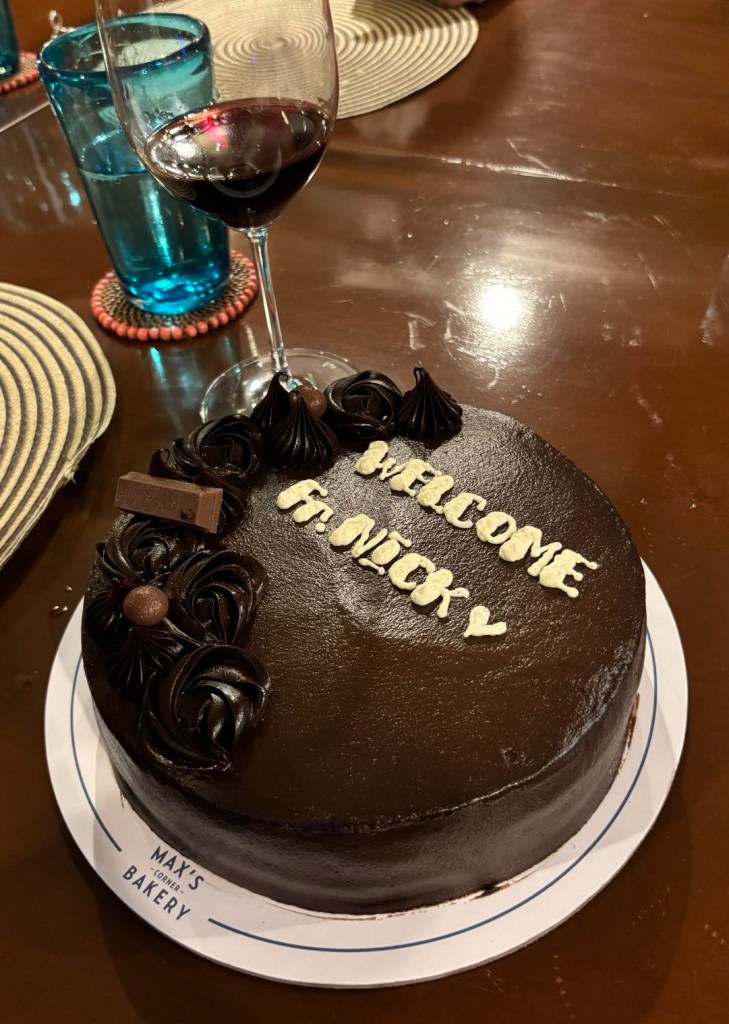
Larawan kuha ng may-akda, Sacred Heart Novitiate, Novaliches, QC, 20 Marso 2024.

Salamuch sa mainit na pagtanggap sa ating nakaraang lathalaing nagpapaliwanag sa ilang mga pamahiin sa paglalamay sa patay.

Sa ating pagsisikap na tuntunin pinagmulan ng mga pamahiin sa paglalamay, nakita rin natin ang kapangyarihan ng mga kaisipan ng tao na mahubog ang kamalayan at kaugalian ng karamihan sa pamamagitan ng mga ito.

Ang nakakatuwa po, mayroon namang praktikal na dahilan sa likod ng maraming pamahiin katulad po ng maraming nagtatanong, bakit daw masamang magwalis kapag mayroong patay?

Larawan kuha ni Fr. Pop dela Cruz, San Miguel, Bulacan, 2022.

Sa mga katulad kong promdi o laki sa probinsiya inabutan ko pa mga kapitbahay naming nakatira sa kubo at mga sinaunang tirahan na mayroong bubong na pawid at silong sa ilalim. Tablang kahoy ang mga sahig kung mayroong kaya at masinsing kinayas na mga kawayan kung hindi naman nakakaangat sa buhay. Ang silong palagi ay lupa din, mataas lang ng kaunti sa kalsada. Bihira naka-tiles noon. Kaya, masama ring ipanhik ng bahay ang tsinelas o bakya o sapatos kasi marumi mga ito.

Masama o bawal magwalis kapag mayroong lamay sa patay kasi nakakahiya sa mga panauhin na nakikiramay – mag-aalikabok sa buong paligid! Liliparin mga lupa at buhangin kasama na mga mikrobyo.

Marumi, sa madaling salita. Kaya ang utos ng matatanda, pulutin mga kalat gaya ng balat ng kendi o butong-pakwan. Noong mamatay Daddy ko, hindi ko matandaan kung tinupad namin pamahiing ito pero hindi ko malimutan paano nilinis ng mga kapit-bahay aming bahay nang ihatid na namin sa huling hantungan aking ama. Bagaman bawal magwalis noong lamay, asahan mo naman puspusang paglilinis ng mga kapit-bahay at kaanak pagkalibing ng inyong patay.

Kapag ako po ay tinatanong kung “naniniwala” sa pamahiin, “hindi” po ang aking sagot kasi iisa lang aking pinaniniwalaan, ang Diyos nating mapagmahal. Tandaan turo ni San Pablo noon sa marami niyang mga sulat, hindi mga ritual at kaugalian nagliligtas sa atin kungdi tanging si Kristo Jesus lamang.


Bakit lamay o "wake" 
ang pagbabantay sa patay?


Nakakatawa at marahil mahirap paniwalaan sagot sa tanong na iyan. Ang paglalamay ay hindi pagtulog sa gabi dahil sa mga gawain at gampanin kinakailangang tuparin. Wake ang Inggles nito na ibig sabihin ay “gising” tulad ng awake.

Naglalamay ang mga tao noong unang panahon lalo na sa Europa kapag mayroong namamatay upang matiyak na talagang namatay na nga kanilang pinaglalamayan. Inihihiga ang hinihinalang namatay sa mesa habang mga naglalamay ay nagkakainan at nag-iinuman upang hindi antukin; higit sa lahat, baka sakaling magising at matauhan hinihinalang patay sa kanilang ingay.

Alalahaning wala pang mga duktor noon na maaring magdeklarang pumanaw na ngang tunay ang isang tao; kaya, hindi malayo na may pagkakataong ang mga inaakalang namatay ay nag-comatose lamang. Kapag hindi pa rin nagising sa ingay ng kainan at inuman ng mga naglamay ang patay pagsapit ng bukang-liwayway, ipinapalagay nila noon na tunay na ngang patay iyon at saka pa lamang pag-uusapan ang libing.

Nang maglaon sa paglaganap ng Kristiyanidad, ang lamay na dati ay kainan at inuman, naging panahon ng pagdarasal ngunit hindi rin nawala mga kainan at inuman sa mga lamayan upang huwag antukin. At higit sa lahat, para maraming makiramay na ibig sabihin, mabuting tao namatay.


Mga salita at kaalaman
natutunan dahil sa mga patay...

Heto ngayon ang magandang kuwento mula sa kasaysayan kung paanong napagyaman ng mga tradisyon sa paglalamay ng namatay ang ating mga wika maging kaisipan. Kitang-kita ito sa kulturang banyaga tulad ng mga Inggles.

Nagtataka maraming archaeologists sa ilang mga takip ng kabaong sa Inglatera ay mayroong kalmot ng kuko ng daliri. At maraming bahid ng dugo.

Napag-alaman sa pagsasaliksik na may mga pagkakataong nalilibing mga yumao noon na hindi pa naman talagang patay! Kaya, kapag sila ay nagkamalay o natauhan habang nakalibing, pinagtutulak nila ang takip ng kabaong hanggang sa pagkakalmutin upang makalabas hanggang sa tuluyang mamatay na nga sa libingan.

Kaya naisipan ng mga tao noon na magtalaga ng bantay sa sementeryo lalo na mula alas-diyes ng gabi hanggang pagsikat ng araw na siyang pinagmulan ng katagang graveyard shift – literal na pagtatanod sa sementeryo o “graveyard” upang abangan sakaling mabuhay ang nalibing.

Larawan kuha ng may-akda, libingan ng mga pari at hermanong Heswita sa Sacred Heart Novitiate, Novaliches, QC, ika-20 ng Marso 2024.

Ganito po ang siste: tinatalian ng pisi ang daliri o kamay ng bawat namamatay kapag inilibing. Nakadugtong ang taling ito sa isang kililing o bell sa tabi ng bantay ng sementeryo, yung nasa graveyard shift.

Nakaangat ng kaunti ang takip ng kanyang kabaong at hindi lubusang tinatabunan kanyang libingan upang sakaling magkamalay, tiyak magpipiglas ito sa loob ng kabaong para makalabas… tutunog ang kililing sa gitna ng dilim ng gabi para magising o matawag pansin ng bantay na agad sasaklolo upang hanguin ang buhay na nalibing.

Isipin ninyo eksena sa sementeryo sa kalagitnaan ng dilim ng gabi… at biglang mayroong kikililing? Sinong hindi matatakot sa taong nalibing na biglang nabuhay? Doon nagmula ang salitang dead ringer na ibig sabihin ay isang taong nakakatakot o kakila-kilabot. Ikaw ba namang magtrabao ng graveyard shift sa sementeryo at kalagitnaan ng gabi ay tumunog kililing… marahil magkakaroon ka rin ng tililing sa takot!

Kaugnay din nito, alam ba ninyo na mayroong nakatutuwang kuwento rin ang paglalagay ng lapida sa libingan ng ating mga yumao?

Balikan ang Bagong Tipan ng Banal na Kasulatan na nagsasaad ng isa sa mga pangunahin nating pinananampalatayanan: ang muling pagbabalik ni Jesus o Second Coming of Christ na tinuturing end of the world.

Takot na takot mga unang Kristiyano sa paniniwalang ito na baka wala pa ang Panginoon ay magsibangon kaagad mga naunang namatay sa kanila!

Ang kanilang solusyon, lagyan ng mabigat na batong panakip ang mga libingan tulad ng lapidang marmol upang hindi agad bumangon ang patay bago ang Second Coming of Christ o Parousia.

Isa iyan sa mga dahilan kung bakit sinesemento rin mga puntod at libingan: upang huwag unahan pagbabalik ni Jesus.

Larawan kuha ng may-akda, libingan ng mga pari at hermanong Heswita sa Sacred Heart Novitiate, Novaliches, QC, ika-20 ng Marso 2024.

Kahalagahan ng pagsisimba...
hanggang kamatayan...
bago ilibing.

Mula sa tahanan, dumako naman tayo ngayon sa loob ng simbahan para sa pagmimisa sa mga yumao. Pagmasdan po ninyong mabuti posisyon ng mga kabaong ng mga patay kapag minimisahan.

Kapag po layko ang namatay katulad ng karamihan sa inyo na hindi pari o relihiyoso… pagmasdan ang kanilang paa ay nakaturo sa dambana o altar habang ang ulunan ay nakaturo sa mga tao o nagsisimba.

Kuha ng may-akda, 2018.

Ito ay dahil sa huling sandali ng pagpasok ng sino mang binyagan sa simbahan, siya pa rin ay nagsisimba. Pansinin na nakaturo kayang mga paa sa altar at ulo naman sa pintuan dahil kapag siya ay ibinangon, nakaharap pa rin siya sa altar, nagsisimba, nagdarasal.

Kapag pari naman ang namatay, katulad ko (punta po kayo), ang aming mga paa ay nakaturo sa pintuan ng simbahan at ulo naroon sa direksiyon ng dambana.

Hanggang sa huling pagpasok naming pari sa simbahan bago ilibing, kami ay nagmimisa pa rin ang anyo: nakaharap sa mga tao kung ibabangon mula sa pagkaposisyon ng aming ulo nakaturo sa altar at mga paa sa pintuan.

Larawan kuha ng may akda ng pinakamahal at isa sa matandang sementeryo sa mundo; mga paa ay nakaposisyon sa silangang pintuan ng Jerusalem upang makaharap kaagad ang Mesiyas na inaasahang magdaraan doon kapag dumating. Ang totoo, doon nga dumaaan si Jesus pagpasok ng Jerusalem mahigit 2000 taon na nakalipas.

Salamuch muli sa inyong pagsubaybay sa ating pagninilay at pagpapaliwanag ng ilang mga pamahiin at paniniwala kaugnay ng mga namatay. Ang mahalaga sa lahat ng ito ay patuloy tayong mamuhay sa kabanalan at kabutihan na naka-ugat palagi sa Diyos sa buhay panalangin (prayer life) na ang rurok ay ang Banal na Misa.

Huwag na nating hintayin pa kung kailan patay na tayo ay siyang huling pasok din natin sa simbahan na hindi makasalita ni makarinig o makakita. Tandaan, ang pagsisimba tuwing Linggo ay dress rehearsal natin ng pagpasok sa langit!

Kaya ngayong todos los santos, unahing puntahan ang simbahan upang magsimba. Tiyak makakatagpo natin doon ang ating yumao sa piling ng Diyos, kesa sa sementeryo napuro patay at mga kalansay. Amen.

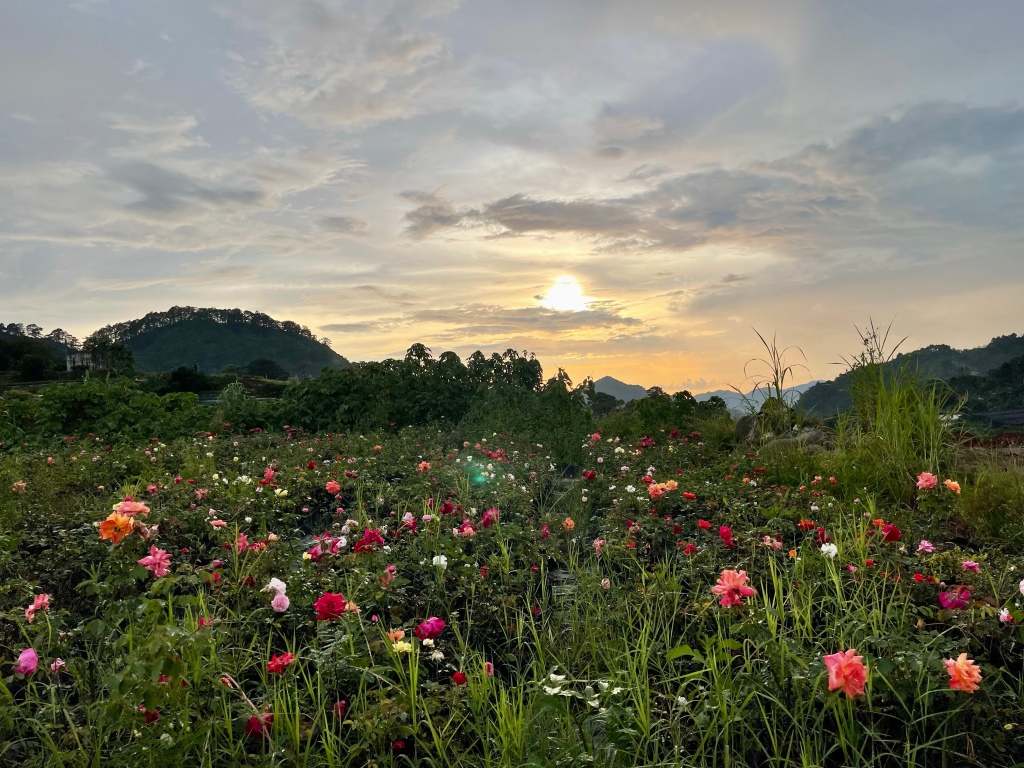
Larawan kuha ng may-akda, bukang-liwayway sa Camp John Hay, Baguio City, Nobyembre 2018.

Seeing Jesus

The Lord Is My Chef Sunday Recipe for the Soul by Fr. Nicanor F. Lalog II
Thirtieth Sunday in Ordinary Time, Cycle B, 27 October 2024
Jeremiah 31:7-9 ><}}}}*> Hebrews 5:1-6 ><}}}}*> Mark 10:46-52
Photo by author, Nagsasa Cove, San Antonio, Zambales, 19 October 2024.

“Seeing” is a word with so many meanings for us. More than its literal sense of having eyesight, “seeing” is used as a metaphor like referring to understanding when we say “I see your point” or poetically as in to see with one’s heart.

Filipino mothers have a very funny, unique expressing about seeing when telling us children to look for something that if we could not find it, every Nanay fumes with a warning saying, “kapag hindi mo nakita iyan, makikita mo sa akin!”

Whatever that means, it shows “seeing” reveals to us a lot about ourselves and others, of life and most especially of God.

Illustration from linkedin.com.

As Jesus was leaving Jericho with his disciples and a sizable crowd, Bartimaeus, a blind man, the son of Timaeus, sat by the roadside begging. On hearing that it was Jesus of Nazareth, he began to cry out and say, “Jesus, son of David, have pity on me”… he kept calling out all the more, “Son of David, have pity on me.” Jesus stopped and said, “Call him”… Jesus said to him in reply, “What do you want me to do for you?” The blind man replied to him, “Master, I want to see.” Jesus told him, “Go your way; your faith has saved you.” Immediately he received his sight and followed him on the way (Mark 10:46-48, 49, 51-52).

See Mark’s gift in storytelling in this second crucial teaching by Jesus on discipleship sandwiched between His third prediction of His Pasch and entrance to Jerusalem.

See the contrast between James and John “wanting” fame and power by seating beside Jesus in glory and Bartimaeus “wanting” to see Jesus: the brothers were rejected after being told “you do not know what you are asking” whereas the beggar’s plea was granted after asking him “what do you want me to do for you?”

Clearly, this is about what we see in Jesus, of how ironic like James and John that we who have eyesight and closer to Jesus do not have the vision of a blind beggar like Bartimaeus asking to see more of Jesus, more of faith, more of life!

The scene has many layers so beautifully assembled together by Mark for us to see beyond our sight in order to have a clearer vision of discipleship and ultimately of God in eternal life.


On hearing that it was Jesus of Nazareth, 
he began to cry out and say,
"Jesus, son of David, have pity on me."
And many rebuked him,
telling him to be silent.
But the more he kept calling out all the more,
"Son of David, have pity on me."

Photo by author, Jericho City, the Holy Land, May 2019.

Though blind, Bartimaeus “saw” Jesus, calling Him “Son of David” which is the messianic title of the coming Savior so awaited by the Jewish people. It is a title so unique among them, referred with David in the Old Testament being their greatest king and deliverer. Jeremiah tells us in the first reading today of how “the Lord has delivered his people… gathering the blind and the lame” (Jer. 31:7,8) now fulfilled in Jesus Christ.

How amazing that Bartimaeus without eyesight staying at the sides of the road of Jericho being able to “see” Jesus as his Savior, asking most especially the vision to see eternity like that man who approached Jesus two Sundays ago. The big difference is that Bartimaeus was convinced of his faith in Jesus based on what have heard about Him.

Very crucial here are the cries of Bartimaeus to Jesus as “Son of David”. See how the crowds around him tried to silence him but the more he shouted aloud to Jesus. That is more than persistence in prayer but a conviction in the very person of Jesus as Savior, as Messiah, as God, truly a Brother and a Friend.

Bartimaeus reminds us to go back to Caesarea Philippi where Jesus asked the Twelve and us everyday, “who do you that I am?” Our answer to that question is essential because it is on that conviction and faith in Jesus where our prayers and prayer life itself are essentially hinged on. Now, compare what James and John saw in Jesus last Sunday with their request and with what the blind Bartimaeus saw in asking for his sight.

When we truly know Jesus, then we know what we want from Him. Many times in life, when we feel so blinded, when everything seems so dark we could not see where we are, who our friends are, when all we can do is simply cry like Bartimaeus, whispering Jesus, Jesus… that is when we unconsciously see Him right beside us.

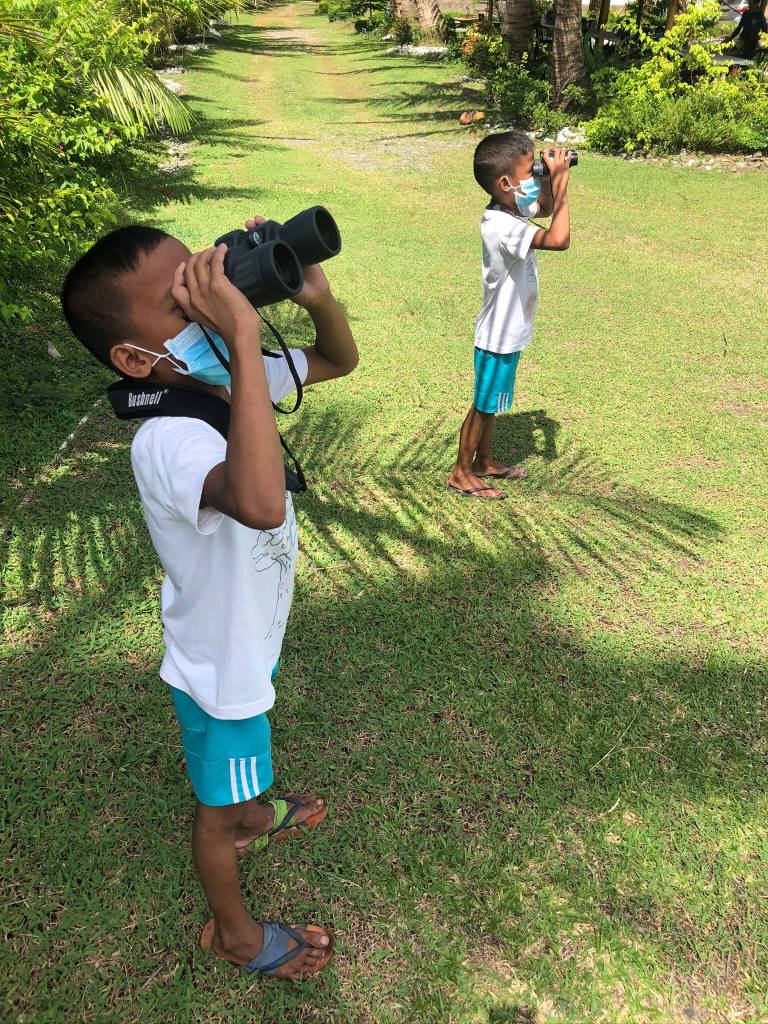
Photo by Dra. Mylene A. Santos, MD, Katmon Nature Sanctuary & Beach Resort, Infanta, Quezon, 2020.

As Jesus was leaving Jericho 
with his disciples and a sizable crowd,
Bartimaeus, a blind man, the son of Timaeus,
sat by the roadside begging...
And many rebuked him,
telling him to be silent.

See my dear friends how in this scene those traveling with Jesus looked upon Bartimaeus as an interruption on the journey to Jerusalem. It seemed like a distraction but the truth is, Jesus saw Bartimaeus as the very point itself of His journey!

We have seen this year how Jesus visited even the most unlikely places of pagan territories, of where lepers are even Samaritans to heal and speak to them. Jesus is always passing by in our lives but, are we there to meet Him?

Recall those failures and disasters that punctuated our lives, when we saw them as distractions and interruptions that have delayed and even set aside many of our plans, but, look now how those disasters were actually providential that led us to success.

When we review our lives, we see God truly writing straight with crooked lines with those countless times when He turned our failures into triumphs, sadness into joy, losses into gains. It was during those blinding moments in life when we were actually able to see clearly our selves, our family and friends, and most especially, God in Jesus Christ.

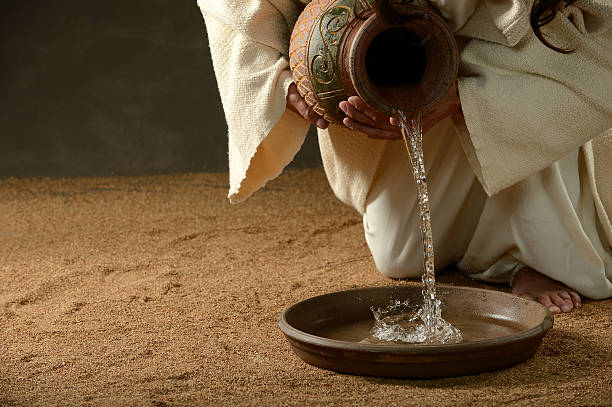
This is what the author of the Letter to the Hebrews is telling us in the second reading, of Jesus the Son of God, our eternal high priest exceedingly better and perfect than any high priest “able to deal patiently with the ignorant and erring, for he himself is beset by weakness” (Heb. 5:2). Jesus is the Son of God who transforms not only water into wine or bread into His Body but most especially us like the blind Bartimaeus into whole persons again. The key is to keep our sights on Him, to see Him more clearly so that we can follow Him closely.

Photo by Dra. Mylene A. Santos, MD, Katmon Nature Sanctuary & Beach Resort, Infanta, Quezon, 2020.

Jesus said to him in reply, 
"What do you want me to do for you?"
The blind man replied to him,
"Master, I want to see."

Jesus today is asking us too, “What do you want me to do for you?” What would our request be? What do we want? Jesus wants us to focus our sights to Him alone.

Discipleship is never about us but always Jesus, only Jesus who invites this Sunday to take a sincere look into ourselves like Bartimaeus, without alibis and excuses to root out whatever that keeps us from seeing Him truly like self-centeredness and selfishness or preoccupation with wealth and fame, or pleasures and comfort.

To see Jesus truly like Bartimaeus is to be like a child, to die into one’s self by “throwing aside” whatever we have, “springing up to come to Jesus”. That is when we discover too that the more we see Jesus, the more we realize that Jesus gives us more than what we ask Him because He is actually never far from us especially when we cry out to Him!

To see Jesus truly like Bartimaeus is to leave the sides and walk the main roads with Jesus to Jerusalem, up to His crucifixion. In doing so, we must learn to always stop for others struggling in their blindness to see Jesus too.

Most of all, to see Jesus like Bartimaeus is to keep on asking Him, “Master, I want to see” so that we keep on experiencing a new way of seeing Jesus in life’s many complexities these days that have rendered so many of us blinded by the enticing lures of the world. Amen. And, see yah! Have a new way of seeing life and others this week in Jesus!

Photo by the author, Pundaquit Mountains in San Antonio, Zambales at the back of Nagsasa Cove, 19 October 2024.

Is this meant for us or for everyone?

The Lord Is My Chef Daily Recipe for the soul by Fr. Nicanor F. Lalog II
Wednesday, Memorial of St. John of Capistrano, Priest, 23 October 2024
Ephesians 3:2-12 <*((((>< + ><))))*> Luke 12:39-48
Photo by author, Pampanga, September 2024.
Lord Jesus,
many times I find myself
like Peter asking You
so often with his same
question especially
when things get
so difficult,
so trying:

Then Peter said, “Lord, is this parable meant for us or for everyone?” And the Lord replied, “Who, then, is the faithful and prudent steward whom the master will put in charge of his servants to distribute the food allowance at the proper time? Blessed is that servant whom his master on arrival finds doing so” (Luke 12:41-42).

Forgive me, Jesus,
when there are times I exclude
myself from the rest,
when I exempt myself
from your teachings,
when I unconsciously demand
from You some perks
and privileges for following You;
let me be your faithful servant
who takes care of others
even if my other fellow servants
are remiss of their responsibilities
or worst when those You have
entrusted with authority
forget to be humble,
throwing their weight
around us,
insisting on their powers.
Give me the grace, Jesus,
to imitate St. Paul
of ably dispensing God's grace
and mystery of salvation
to everyone despite the
many hurts and pains
that often come with it.
Amen.
Photo by author, Pampanga, September 2024.

Unity in Christ

The Lord Is My Chef Daily Recipe for the Soul by Fr. Nicanor F. Lalog II
Tuesday, Memorial of St. John Paul II, Pope, 22 October 2024
Ephesians 2:1-10 <*[[[[>< + ><]]]]*> Luke 12:35-38
Photo by author, mountain range off the coast of Nagsasa Cove, San Antonio, Zambales, 19 October 2024.
Glory to You,
O God our most loving Father
for this blessed Tuesday
as we celebrate the Memorial
of one your great servants in modern
time, Saint John Paul II,
the Pope who truly worked so hard
to spread the Good News
of Jesus Christ our Savior,
especially to children and young people,
to the sick and suffering.

Oh how we miss him so much
most especially in his efforts to
promote unity in the real sense
without bending Church teachings
and traditions like St. Paul
who taught the unity
effected by Jesus Christ:

So then you are no longer strangers and sojourners, but you are fellow citizens with the holy ones and members of the household of God, built upon the foundation of the Apostles and prophets, with Christ Jesus himself as the capstone. Through him the whole structure is held together and grows into a temple sacred in the Lord; in him you also are being built together into a dwelling place of God in the Spirit (Ephesians 2:19-22).

Grant us through your Son
Jesus Christ the grace to have Him
always at the center of our lives
and in our efforts to bridge people
together despite their many differences
so that we may truly build the Body of
Christ here on earth.
Like St. John Paul II,
let us be faithful servants,
let us "gird our loins
and light our lamps"
awaiting your presence,
Lord Jesus,
of your coming
among people who open themselves
to building unity,
to coming together in your name
to promote peace and harmony
not a unity for the sake of appeasing
modern thoughts and trends,
nor to win favors or be popular
but truly standing firm in Jesus
and His teachings because truly,
as St. John Paul had taught us,
"Unity not only embraces diversity,
but is verified in diversity."

Amen.
Pope John Paul II, using his crosier for support, celebrates an outdoor Mass in Slovenia, Sept. 19, 1999. (photo: Gabriel Bouys / AFP via Getty Images)