Lawiswis Ng Salita ni P. Nicanor F. Lalog II, Ika-22 ng Pebrero 2024
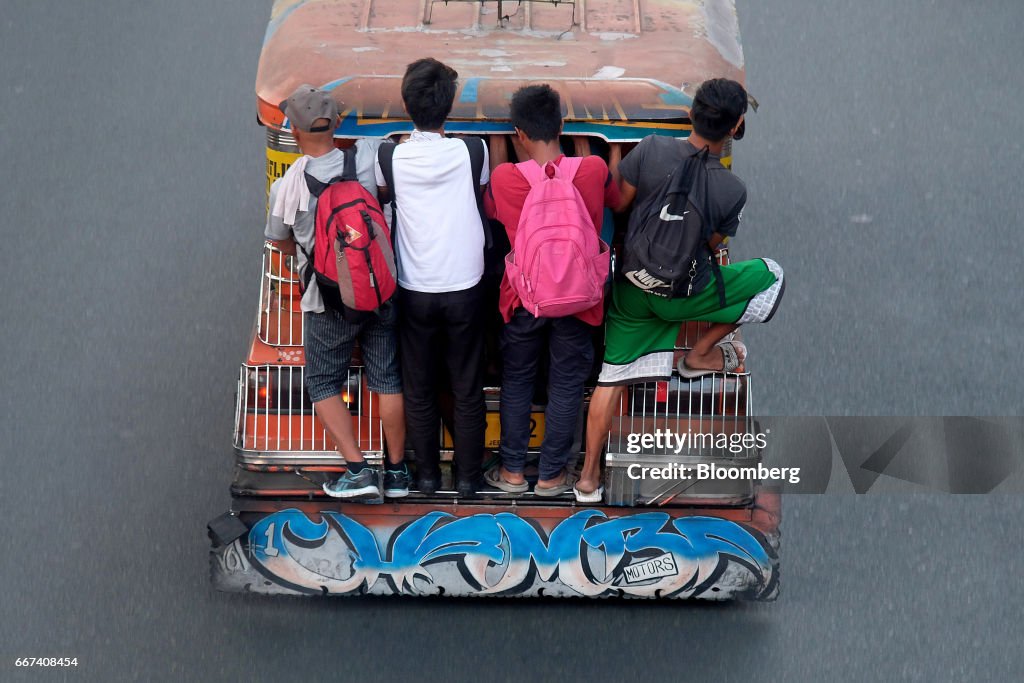
Larawan kuha ni Stefano Rellandini ng Reuters sa Manila Cathedral, Enero 15, 2015. Binatikos at binash (dapat lang) ng mga netizens mga pari noong Misa ni Papa Francisco sa Manila Cathedral nang mapansing walang tigil nilang pagkuha ng mga video at larawan, di alintana kasagraduhan ng Banal na Misa.
Ang demonyong cellphone palaging nasa loob ng simbahan hindi upang magsimba o manalangin kungdi upang tayo ay linlangin mawala tuon at pansin sa Diyos na lingid sa atin, unti-unti na nating ipinagpapalit sa demonyong cellphone na halos sambahin natin!
At iyan ang pinakamalupit na panunukso sa atin ngayon ng demonyong cellphone na ating pahalagahan mismo sa loob ng simbahan habang nagdiriwang ng Banal na Misa at iba pang mga Sakramento gaya ng pag-iisang dibdib ng mga magsing-ibig!
Isang kalapastanganan hindi namamalayan ng karamihan sa kanya-kanyang katuwiran gaya ng emergency, importanteng text o tawag na inaabangan, higit sa lahat, remembrance ng pagdiriwang: nakalimutan dahilan ng paqsisimba pagpapahayag ng pananampalataya sa Diyos na hindi tayo pababayaan kailanman; kung gayon, bakit hindi maiwanan sa tahanan o patayin man lamang o i-silent sa bag at bulsa ang demonyong cellphone?
Hindi man natin aminin ang demonyong cellphone ang pinapanginoon, pinagkakatiwalaan ng karamihan kaysa Diyos at kapwa-tao natin kaya pilit pa ring dadalhin, gagamitin sa pagsisimba at pananalangin!
Kung tunay ngang Diyos ang pinanaligan habang ating pamilya at mga kaibigan ang pinahahalagahan, bakit hinahayaang mahalinhan ating buong pansin ng pag-atupag sa demonyong cellphone tangan natin?
Pagmasdan sa mga kasalan sa halip ating maranasan kahulugan ng pagdiriwang, kagandahan at busilak ng lahat, asahan aagaw ng eksena demonyong cellphone kahit mayroong mga retratista naatasang kunan at ingatan makasaysayang pagtataling-puso kung saan tayo inanyayahan upang ipanalangin na pagtibayin pagmamahalan haggang kamatayan na ating tuluyang nakalimutan matapos tayo ay nalibang at nalinlang ng demonyong cellphone.
Sa bingit ng kamatayan naroon ating "last temptation" ng demonyo sa anyo pa rin ay cellphone upang sa halip na ipanalangin naghihingalong mahal natin, demonyong cellphone pa rin sa kahuli-hulihan ang hawak habang kinukunan huling sandali ng pagpanaw Diyos na ating kaligtasan, tinalikuran!
40 Shades of Lent by Fr. Nicanor F. Lalog II Thursday, Feast of St. Peter's Chair, 22 February 2024 1 Peter 5:1-4 <*{{{{>< + + + ><}}}}*> Matthew 16:13-19
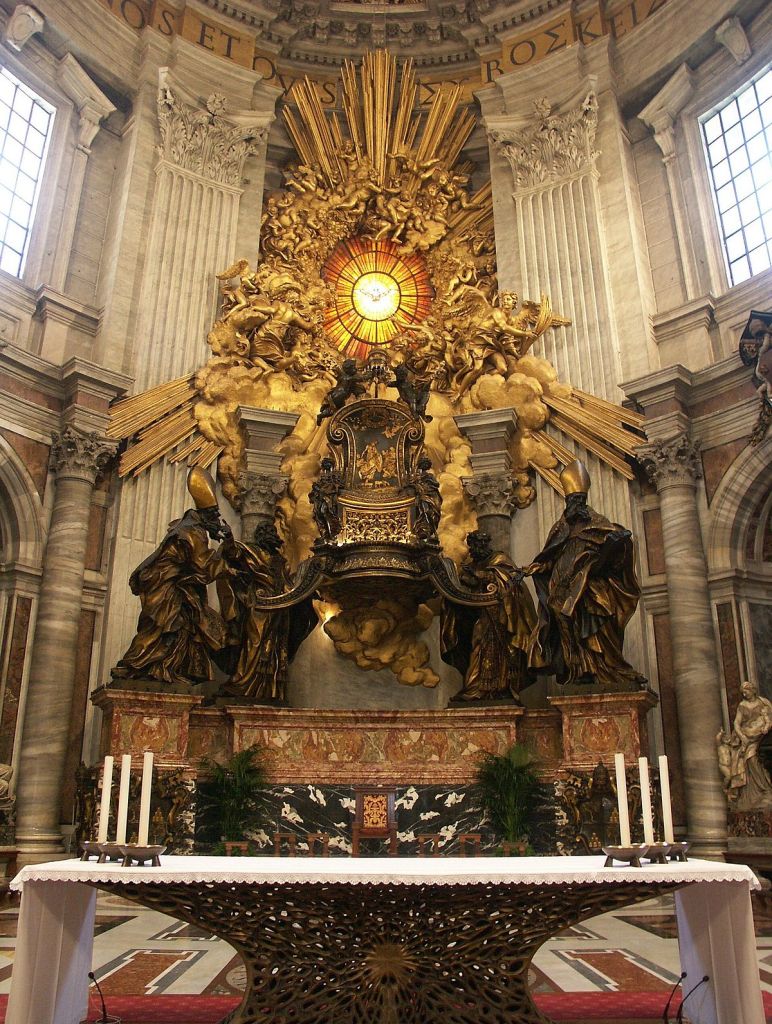
Photo by author, Chapel of the Holy Family, Sacred Heart Novitiate, Novaliches, 2018.
My Lord Jesus, on this Feast of St. Peter's Chair when the Church's authority especially of the Pope and bishops is put into question, even challenged, you remind us also your priests that “the primacy of Peter symbolized by his chair atop the magnificent altar at the Vatican is the primacy of faith and the primacy of love” (Pope Benedict XVI, "Images of Hope", Ignatius Press, 2006).
These beautiful words by your servant Pope Benedict XVI remind us too that discipleship and life itself are about where we stand not about where we are seated; make us realize, dear Jesus, that like St. Peter and all the saints who served you faithfully in love, we need to make a stand as witnesses of your gospel values of love and justice, mercy and kindness; no one can truly be your disciple nor be fruitful in life by remaining seated comfortably by the roadside; let us do our mission not profession, be concerned with persons not programs, focused on ministry and services not in perks and positions. May we remain standing by your Cross, Jesus, even when the world prefers to avoid pains and sufferings, sacrifices and sharing, inefficiencies and waiting. Amen.
Photo by author, Chapel of the Holy Family, Sacred Heart Novitiate, Novaliches, 2018.
Lawiswis ng Salita ni P. Nicanor F. Lalog II, Ika-21 ng Pebrero 2024
Larawan mula sa forbes.com, 2019.
Ang demonyong cellphone tukso at ugat ng pagkakasala sa maraming pagkakataon; mga chismis, maling impormasyon kinakalat agad namang kinakagat ng marami sa pag-iisip at pang-unawa ay salat.
Ang demonyong cellphone hindi mabitiwan hindi maiwanan palaging iniingatan mga tinatagong lihim larawan at kahalayan ng huwad nating katauhan.
Ang demonyong cellphone istorbo at pang-gulo panginoong hindi mapahindian napakalaking kawalan kung hindi matandaan saan naiwanan, katinuan nawala nang tuluyan.
Ang demonyong cellphone winawasak ating katahimikan nawala na rin ating kapanatagan sa halip maghatid ng kaisahan pagkakahiwa-hiwalay bunga sa maraming karanasan pinalitan pamilya at kaibigan.
Ang demonyong cellphone lahat na lang ibinunyag wala nang pitagan ni paggalang sa kasagraduhan ng bawat nilalang ultimo kasamaan nakabuyangyang, pinagpipistahan.
Ang demonyong cellphone palagi nang namamagitan sa ating mga ugnayan atin nang nakalimutan damhin kapanatilihan pinalitan nitong malamig na kasangkapan pintig ng kalooban.
Sa panahong ito ng Kuwaresma iwanan at bitiwan ang cellphone dumedemonyo, nagpapagulo sa buhay nating mga tao; manahimik katulad ni Kristo sa ilang nitong ating buhay upang Siya ay makaniig at marinig Kanyang tinig ika'y iniibig!
Ang painting na “Temptation in the Wilderness” ni Briton Riviere (1840-1920) mula sa commons.wikimedia.org.
40 Shades of Lent by Fr. Nicanor F. Lalog II Tuesday in the First Week of Lent, 20 February 2024 Isaiah 55:10-11 <*((((>< + + + ><))))*> Matthew 6:7-15
Photo by author, 2019.
Jesus said to his disciples: "In praying, do not babble like the pagans, who think that they will be heard because of their many words. Do not be like them. Your Father knows what you need before you ask him. This is how you are to pray: Our Father in heaven, hallowed be thy name," (Matthew 6:7-9).
What a great segue, so seamless!
Jesus said you know what we need before we ask you yet he tells us too how we must pray by calling you "Our Father"!
If you know what we need, Father, then, why should we pray at all?
In this blessed season of Lent, teach us Lord to go back to you in prayer because in prayer, you let us know what we really need to be fulfilled, to be at peace, to be fruitful and that is you, dear Jesus; in prayer, you make us realize that more than things, what we really need is a relationship with you who loves, who feels, who is like us in everything except sin; in prayer, we are disarmed of our many defenses and pretensions, making us humble to be more loving while in need of a lot of loving too only you can give.
Yes, God, you know everything we need before we pray to you but we need to pray because we simply need you whose words are "like the rain and snow that come down and do not return there till they have watered the earth, making it fertile and fruitful, giving us seeds and bread to eat, achieving the end for which you sent your word" (cf. Isaiah 55:10-11). Amen.
Photo by Mr. Vigie Ongleo in Virginia, January 2024.
The Lord Is My Chef Daily Recipe for the Soul by Fr. Nicanor F. Lalog II Monday in the First Week of Lent, 19 February 2024 Leviticus 19:1-2, 11-18 ><))))*> + + + <*((((>< Matthew 25:31-46
Photo by Mr. Jay Javier in Quiapo, Manila, 09 January 2024.
Today I pray dear God to your directive since the Old Testament until the coming of your Son Jesus Christ: "Be holy , for I, the Lord your God, am holy" (Leviticus 19:2).
But, what is really to be holy, what is to be like you, God?
There are so many other traits and characteristics I can think of you as being holy, O God, that we have to imitate to be like you that makes holiness so difficult, elusive, and impossible!
Who can really be like you when we are so different from you? But, thank you in sending us Jesus who not only made it possible for us to be holy like you, God, but also made it simpler:
“Amen, I say to you, whatever you did for one of these least brothers of mine, you did for me… Amen, I say to you, what you did not do for one of these least one, you did not do for me.”
Matthew 25:40, 45
On this blessed season of Lent, teach us to fast and be empty of ourselves, of our pride, and of our sins so we may be filled with YOU; holiness is first of all being filled with you, O God, that we feel, we see, we think of others like you, that is, of seeing you in each one of us.
When we begin to realize and experience that you fill us, O God, then we learn to be generous in sharing more of ourselves, of our time, of our talent, of our treasure, and most of all, of you dear God dwelling in us with others; we can only be holy not when we try being like you but more of finding you first in us in order to find you in others too!
Then, maybe we stop fighting, committing every sin against each other if only we can see you dwelling, filling each one of us. Amen.
Forty Days of Lent by Fr. Nicanor F. Lalog II Ash Wednesday, 14 February 2024 Joel 2:12-18 + 2 Corinthians 5:20-6:2 + Matthew 6:1-6, 16-18
Illustration from Archdiocese of Galveston-Houston, 14 February 2018.
This is not the first time that Valentine’s Day falls on Ash Wednesday, the start of the holy season of Lent of 40 days before Holy Week in preparation for Easter. The last time they coincided was in February 14, 2018.
Actually, there is no problem at all with both happening together on the same date. Both celebrations have the heart as its focus, inviting us to examine how much love we have in our hearts, because, ultimately when we die and face God our Creator, He will judge us on how truly we have loved while here on earth.
And because they both speak of love, Ash Wednesday and Valentine’s Day confront the reality of death.
Ash Wednesday reminds us that we all die which is the meaning of the imposition of the ash on our foreheads while the priest says, “Remember that you are dust, and to dust you shall return.” But, we do not merely die and end life on earth. Notice how the ashes imposed on us are shaped as cross because Ash Wednesday assures us that we die in the love of Jesus Christ our Savior who leads us into eternal life.
Meanwhile, Valentine’s reminds us of our undying love for those bonds of love we make throughout our lives as lovers, friends, and admirers. Lovers and couples pledge – with or without God – their love for each other “til death do us part.” Anyone who truly loves and had truly loved knows that death is love’s final test. And the whole world is filled with so many beautiful stories and magnificent buildings and structures that remind of us one’s undying love like the Taj Mahal in India.
Therefore, today is a wonderful celebration, an amazing juxtaposition of the sacred Ash Wednesday and the secular Valentine’s Day on this February 14 so that we may purify the love in our hearts, that our love is not merely expressed in words but most especially in deeds.
From Sisters of Providence of Saint-Mary-of-the-Woods.
For his Lenten Message this year, the Holy Father had chosen the theme of freedom in his reflection by going back to the Exodus experience of the Israelites. Indeed, love and freedom go together. Always.
Lent is the season of grace in which the desert can become once more – in the words of the prophet Hosea – the place of our first love (cf. Hos 2:16-17). God shapes his people, he enables us to leave our slavery behind and experience a Passover from death to life. Like a bridegroom, the Lord draws us once more to himself, whispering words of love to our hearts.
Pope Francis, “Through the Desert God Leads Us to Freedom” (Lent 2024)
Love is most true when there is freedom. We cannot truly love if we are not free. And the more we love, the more we are free, that is, free to love, free to be caring, free to be kind, free to be honest and true, free to be sincere.
From simchafisher.com.
Remember your first crush or your first love. Amid all the exciting feelings and “kilig moments” we have had every time our eyes met those of our crush or when our skin touched each other, one thing we always made sure was to keep it a secret.
During our time, it was imperative that we boys and men keep our feelings to our selves about our crush and love interests because, the moment our love, our feelings are made known, problems happen. Everyone in the class or barkada starts teasing, making us unnatural in our words and actions as they dictate us on what to do and what to say. Our crush or beloved then gets irritated and uncomfortable with all the attention she gets not really from us but from every Maritess and Marisol around!
I have realized later in life that when something so deep is so true, most often we treasure it in our hearts, keeping it in secret not for anything else but to make it grow and mature. In this case, into selfless love. People who brag their love or crush or just everything in life are often the most untrue and unfree. Everything is just a show or palabas for them, a front that is not real which is what we see on social media. Jesus tells us true love that is free is something more of the inside than of the outside appearances:
Jesus said to his disciples: ”Take care not to perform righteous deeds in order that people may see them; otherwise you will have no recompense from your heavenly Father. When you give alms, do not blow a trumpet before you… When you pray do not be like the hypocrites, who love to stand and pray in the synagogue and on street corners so that others may see them… When you fast, do not look gloomy like the hypocrites… your Father who sees what is hidden will repay you.”
Matthew 6:1-2, 5, 16, 18
Photo by author, Our Lady of Fatima University-Laguna, 19 January 2024.
Love and freedom go together. Love grows and deepens only when there is freedom because love is a grace from God that naturally flows out from us, from our being. There is no need to make noise about it or be dramatic for everyone to see. Just let your love flow as the song from the 1970’s said.
When we “manipulate” our love, we become self-conscious instead of being mutual. Love is always other centered as the late American Trappist monk Thomas Merton said, “the sign that we truly love is when we love somebody more than ourselves.” When we have so much of ourselves, when we are selfish, that is when we reject God and eventually others. That is why every sin is essentially a refusal to love which bothers us inside as we feel guilty and become unfree to be who we are, beloved and loving.
Lent invites us to love and be free through conversion, a turning of our hearts away from the wrong loves we have pursued and led us to loneliness, emptiness, and sadness within. Love and freedom come from within our hearts where God dwells; hence, the call of the Prophet Joel to turn our hearts back to God:
Photo by author, Lent 2019.
“Even now, says the Lord, return to me with your whole heart, with fasting, and weeping, and mourning; rend your hearts, not your garments, and return to the Lord, your God.”
Joel 2:12-13
To speak of the heart is to speak of the whole person whose only fulfillment is found in God. A heart that is far from God is a person separated not only from God but also from others, even from himself. Only a heart that is inclined to God is able to truly love and be truly free. A heart without God is a heart without love, a heart that is not free because it had gone cold and dead.
Conversion then leads us to reconciliation, to being one again in God in Jesus Christ as St. Paul admonished in the second reading, “We implore you on behalf of Christ, be reconciled to God” (2 Cor. 5:20). To be reconciled with God is to be one with Him in our hearts through prayer, almsgiving, and fasting that are the hallmarks of the Season of Lent that lead us to true freedom that deepens our love for God and others.
Prayer enables us to pause and regain our freedom to examine our real selves, of how truly free are we especially in this world when there are so many voices dictating us on everything that have left us alienated, lost, and confused within.
Almsgiving sets us free from greed and helps us regard our neighbors as brothers and sisters. It deepens our love for God because our daily encounters with those who beg for our help point us to God Himself who provides us with everything we need.
Fasting on the other hand weakens our tendency to be self-centered, “disarming” us of our false selves, removing the masks we put to impress others so that we can grow and mature as it makes us more attentive to God and others.
As we begin our 40 days of Lent today, let us journey into our hearts and into the heart of God so we can truly be free to love like Jesus Christ His Son who died on the Cross on Good Friday.
Ash Wednesday on a Valentine’s Day is the perfect reminder to us all that the Cross is the best expression of love symbolized by the heart that is free and willing to suffer and die for a beloved. May we “not receive the grace of God in vain” (2 cor. 6:1). Amen. Have a blessed week ahead.
The Lord Is My Chef Sunday Music by Fr. Nicanor F. Lalog II, 11 February 2024
Photo by Mr. Vigie Ongleo in Virginia, 02 February 2024.
It’s the final Sunday in Ordinary Time before we begin our 40-day journey of Lent this Ash Wednesday which falls on February 14th, Valentine’s Day. That is why we have chosen a music that is light and easy and romantic, though poignant about those big what ifs in life, What Might Have Been by Grammy-nominated Lou Pardini.
Co-written with jazz vocalist Ms. Kevyn Lettau, What Might Have Been is Pardini’s most popular song especially here in the Philippines and Asia that was included in his first solo album Live and Let Live released in 1996. Unknown to many, Pardini’s first composition ever recorded was also Smokey Robinson’s most popular song, Just To See Her released in 1987. It earned Robinson a Grammy while Pardini was nominated to a Grammy too for the composition. From 2009-2022, Pardini was the lead vocalist and keyboardist of Rock and Roll Hall of Fame band Chicago. He had collaborated too with almost major bands and vocalists in his career with some stints in Hollywood providing music in some movies and TV shows.
What Might Have Been tells us the story of a love lost and the resulting regrets by the singer. Most of all, it touches one of everyone’s favorite subject and theme or question in life: ”what might have been” our lives be had we made the right choices or have been better or wiser, perhaps more faithful or understanding?
Somewhere lost in the wind I’m watching you Sunlight touching your hair And I remember
Somehow We said that we would never stray But somehow we lost our way Promises to often spoken
Are easily broken apart I’m ready this time I know that I’m No longer undecided
Don’t want to be a fool wondering… … What might have been Trace of forever lingering Drawing me closer to you
A new beginning Now I know There is no doubt I understand
Just how fragile love can be I can’t forget Your memory found me Now I know where I belong…
I’m ready this time I know that I’m No longer undecided Don’t want to be a fool wondering…
… What might have been
I love that last stanza saying, “I’m ready this time/I know that I’m/No longer undecided/Don’t want to be a fool wondering…/What might have been/.” We find this stanza so appropriate and close with the lessons of this Sunday’s gospel when a leper approached Jesus, knelt before him and begged, “If you wish, you can make me clean.” Moved with pity, Jesus stretched out his hand, touched him, and said to him, “I do will it. Be made clean” (Mk. 1:40-41).
Many times in life, we are afraid of approaching the love of our life, even God, for so many reasons but later we find them not important at all. Worst, there were times the other person was just waiting for us to make the move or to approach her/him or them.
Jesus is passing by everyday in our lives, welcoming us even in our worst selves or situations like that leper (https://lordmychef.com/2024/02/10/approaching-jesus-approachable-like-jesus/). Let us approach him, go to him and express what’s deepest in our hearts no matter what these may be. Jesus loves us so much. He wants us to come to him and join him in his journey. Let us leave our comfort zones like our past with all of its mistakes and failures, pains and hurts to start anew in him again. It is Christ’s will too that we be better.
Like in that beautiful lines by Pardini, let us be ready this time, decide once and for all to come to Jesus and follow him instead of wondering what might have been. Don’t let this chance to pass again. Jesus is waiting for us. Have a lovely Sunday, friends!
The Lord Is My Chef Sunday Recipe for the Soul by Fr. Nicanor F. Lalog II Sixth Sunday in Ordinary Time, Cycle B, 11 February 2024 Leviticus 13:1-2, 44-46 ><}}}}*> 1 Corinthian 10:31-11:1 ><}}}}*> Mark 1:40-45
Photo by Ms. Analyn Dela Torre in Caypombo, Santa Maria, Bulacan, 04 February 2024.
We have seen these past two Sundays Jesus Christ’s personal manner of relating with everyone. It had always been Jesus coming, touching, and speaking directly to the man possessed with unclean spirit at the synagogue in Capernaum on a sabbath and later the sick mother-in-law of Simon Peter at home.
Jesus has always been coming to everyone – to us – in the most personal manner. And he would always ensure all “barriers are down” around him so that we too can approach him like in our gospel this Sunday when a leper came to him for healing.
A leper came to Jesus and kneeling down begged him and said, “If you wish, you can make me clean.” Moved with pity, he stretched out his hand, touched him, and said to him, “I do will it. Be made clean.” The leprosy left him immediately, and he was made clean.
Mark 1:40-42
From vaticannews.va
For the third consecutive Sunday, Mark tells us another healing by Jesus at the start of his ministry in Galilee. This is the last in the series but this is so unique because it was the sick who approached Jesus.
Most of all, that sick was afflicted with leprosy, the worst disease considered at that time when people believed (until now) that any sickness and handicap was a punishment from God for sins committed. Leprosy was the worst because it reminded them of the boils God inflicted on the Egyptians when the pharaoh refused to let them go home to their Promised Land with Moses as leader.
More than the ugly sight of the disease, leprosy became the perfect metaphor for sin and punishment. That is why God himself in the first reading personally issued the health guidelines for anyone with leprosy and similar diseases of the skin. Though God’s prescriptions were more of hygienic purposes, these took on a deeper spiritual meaning for the Israelites especially when lepers have to be separated from the community that it seemed for them, it was indeed a punishment for a grave sin.
Jesus radically changed that perception in this healing of the leper who had approached him.
A leper came to Jesus...
From wikipedia.commons.
Inasmuch as Jesus comes to us everyday as we have seen these past two Sundays, Jesus assures us today that we can always come to him like that leper.
See how this scene was unimaginable because lepers were given strict orders at that time to never approach anyone while people were supposed to drive them away. Where were the four disciples supposed to be following Jesus? And, wasn’t anyone there to restrain that leper from getting close to Jesus?
It seemed Jesus was by himself when the leper approached him as Mark never bothered to tell us of any witnesses at all nor the exact time and location of this incident because this scene happens everyday in our lives. The fact that the leper was able to get near Jesus who welcomed him warmly that day is actually the good news today - Jesus wants us to leave our comfort zones to join him in the middle of the street of his journeys!
Jesus comes to us in the most personal way everyday. And the good news is, nothing can keep us away from Jesus, even our sins which leprosy signified in this story. All barriers are down when Jesus comes and calls us to approach him. No restrictions nor appointments needed to see Jesus who simply wants us to get closest with him like when he “indignantly” told the disciples to let the children come to him (Feast of Sto. Niño, Jan. 21, 2024, Mk. 10:14).
What prevents you or keeps you away from approaching Jesus who passes by everyday?
"I do will it. Be made clean."
Painting by James Tissot (1836-1902) of “Healing of Lepers of Capernaum” from catholic-resources.org.
In his healings these past two Sundays, recall how Mark presented them to us who seemed detached or far from Jesus like spectators watching, astonished and amazed with his authority as the Son of God, all-powerful and beyond us.
This Sunday, Mark shatters all those feelings within us, telling us to dismiss all those thoughts of Jesus being hard to reach when a leper came to Jesus and kneeling down begged him and said, “If you wish, you can make me clean.” Moved with pity, he stretched out his hand, touched him, and said to him, “I do will it. Be made clean.”
Imagine Jesus and you as the leper in this beautiful scene, experiencing the power of his words and hands together!
The words, “I do will it. Be made clean” shows us again the authority of Jesus in his words being sufficient to effect healing like when the Roman centurion declared to him, “only say the word and my servant will be healed” (Mt. 8:8/Lk. 7:7) or when he told the unclean spirit in the man in a synagogue, “Quiet! Come out of him!” (Mk. 1:25).
What is most unique in this Sunday healing is how Jesus felt deep inside that strong love for the leper -for each of us today – that he was filled with compassion to be “Moved with pity”. It was more than an emotion or a feeling within. To be moved with pity is to have one’s heart stirred or disturbed – the literal meaning of the Latin misericordia or mercy. See now the progression from the heart of Jesus, in his compassion and mercy, he stretched out his hand, touched him, and said to him, “I do will it. Be made clean.”
So beautiful! And that happens everyday if we approach Jesus no matter how dark our sins are, no matter how sad we may be or even devastated. Come to your worst like that leper and Jesus will gladly welcome you, heal you, forgive you because he loves you so much!
Photo by Ms. Analyn Dela Torre in Caypombo, Santa Maria, Bulacan, 04 February 2024.
"Be imitators of me, as I am of Christ." (1 Corinthians 11:1)
Oh, how easy it is to approach Jesus for sinners and weak people like us but is there anyone like Jesus who puts all barriers down to be approachable through our parents and siblings, teachers and friends, and priests to express what’s deepest in our hearts?
Is there still a St. Paul among us who can humbly declare, “Be imitators of me, as I am an imitator of Christ” who welcomes modern lepers getting near for love and affection, even company?
St. Paul may seem to be boasting to us modern people these days but if we try to understand the context of our second reading, we realize the great apostle was simply being humbly honest and true. The Christians at Corinth never saw Jesus like St. Paul. They needed a model to imitate Christ which St. Paul ably provided them with. After all, St. Paul had truly conformed himself to the crucified Christ (Gal. 2:19) as attested by the early Christians.
And while it is true we are all called to imitate Jesus, we priests are expected to be more like the Crucified Christ – approachable especially by the sick and the poor. How sad when we priests are more seen with the rich and powerful, in all their lavish parties but never or rarely with the poor. The same is true with church workers and volunteers when those at the margins find them difficult to approach. Something is gravely wrong with us if people find us priests and lay Christians difficult to approach because, clearly, we are not imitators of Christ. Have a blessed week ahead as we approach Jesus this Ash Wednesday for the 40-day journey towards Easter. Amen.
The Lord Is My Chef Sunday Music by Fr. Nicanor F. Lalog II, 04 February 2024
Photo by author, Our Lady of Fatima University-Laguna Campus in Sta. Rosa, 19 February 2024.
Our gospel this Sunday speaks a lot about the importance of person-to-person communication, of the healing wonders of the sense of touch and its deeper implications in our relationships when Jesus healed the mother-in-law of Simon Peter.
On leaving the synagogue Jesus entered the house of Simon and Andrew with James and John. Simon’s mother-in-law lay sick with a fever. They immediately told him about her. He approached, grasped her hand, and helped her up. Then the fever left her and she waited on them.
Mark 1:29-31
See how the evangelist narrated in details the healing by Jesus who “approached, grasped her hand, and helped her up.” More than the actual touching and face-to-face or actual encounter, the scene speaks so well of deep personal relationships among us. That is why we have chosen Rupert Holmes’ 1976 single Touch and Go.
Nobody said that Life is always fair Sometimes it clips your wings While you’re in mid-air But there’s a thread Between your life and mine And when you’re losin’ hope This rope won’t unwind
REFRAIN: Hold on tight ‘Cause life is touch and go It’s sink and swim But never doubt If you’re out on a limb I’ll get the call To break your fall I’ll never leave you Even when life Is touch and go Or hit and run We’ll never break If we take it as one I’m here to stay, I pray you know I’ll never touch I’ll never touch and go
Someday you’ll find There’s nothin’ in the night That wasn’t there before You turned out the light Straight from your mind The monster ‘neath your bed The voices in the hall They’re all in your head
A gifted musician with a knack in story-telling, Holmes’ songs are always imbued with his deep insights about life he had gathered from ordinary experiences like his earlier hit Terminal (1974) and his two hit singles Escape (The Piña Colada Song) in 1979 and Him in 1980. These three are all dashed with humor that can tickle our bones but disturb our conscience too.
In Touch and Go, Holmes goes philosophical, sounding a bit like Job in today’s first reading of how life can sometimes be unfair that “Sometimes it clips your wings while you’re on mid-air” while assuring his beloved of his deep love and dedication that no matter what happens, he would always be there by her side to save her.
That is exactly what Jesus tells us in the gospel this Sunday, of how he would always approach us, grasp our hand and help us up when we are down. The question is, are we in touch with Jesus too? Or, we always go and leave him especially when things are doing great in our lives?
If us humans like Holmes can boldly assure our beloved of always being there, of being in touch and connected especially in times of trials and sufferings, all the more is Jesus Christ who had come to empower us by connecting us with God and one another always in loving service (https://lordmychef.com/2024/02/03/real-power-empowers/).
It is a Sunday. Don’t forget to celebrate Mass or go to your places of worship to get in touch with God and with others in your community. Here is Rupert Holmes to help you chill more on this cool February Sunday amidst life’s many “touch and go, sink and swim” situations.
The Lord Is My Chef Sunday Recipe for the Soul by Fr. Nicanor F. Lalog II Fifth Sunday in Ordinary Time, Cycle B, 04 February 2024 Job 7:1-4, 6-7 ><}}}}*> 1 Corinthians 9:16-19, 22-23 ><}}}}*> Mark 1:29-39
Photo by The Good Brigade/Digital Vision/Getty Images via cnn.com.
There’s another “war” happening that had actually started a long time ago but only now recognized by the powerful US Senate in Washington DC when they summoned last week the owners of big tech companies to a hearing on the harmful effects of social media.
It is a war that at first seemed to have been neglected or even unrecognized when parents and experts have long been complaining about the ill effects of social media. Finally, authorities are doing something about it.
“Great power comes with great responsibilities.”- Spiderman. Photo from peakpx.com.
Though the issues at hand are very contentious because of the many benefits too of social media, the US Senate hearings are a big step in demanding more social responsibilities from tech owners who have become so powerful with their products’ wide reach and influence.
Of course, much responsibilities are also in the hands of parents and users of social media but one thing has always been clear these past 20 years when experts and ordinary folks have been raising the red flag on social media being so impersonal in nature where persons are often considered as objects than subjects to be loved and respected.
Our ability to communicate is a sharing in the power of God, a sharing in his authority meant to foster union among peoples as persons. Despite the efficiency of social media, it cannot and must not replace the human person in every communication. This we have seen last Sunday when people were “astonished” and “amazed” one sabbath as Jesus spoke with authority in their synagogue in Capernaum. From there, Jesus moved into the home of Simon Peter, staying for a while in Capernaum before moving on to other locations to continue his ministry of teaching and healing.
On leaving the synagogue Jesus entered the house of Simon and Andrew with James and John. Simon’s mother-in-law lay sick with a fever. They immediately told him about her. He approached, grasped her hand, and helped her up. Then the fever left her and she waited on them.
Mark 1:29-31
Photo by author, ruins of the neighborhood around the synagogue of Capernaum where Jesus used to preach; underneath the Church are believed to be the ruins of the home of Simon Peter where Jesus healed his mother-in-law.
It was still the day of sabbath and we could feel the great joy and pride of the four disciples with Jesus that they “immediately told him” about Simon’s mother-in-law who “lay sick with a fever.”
Notice Mark’s detailed report on the healing of Simon’s mother-in-law by Jesus: He approached, grasped her hand, and helped her up. Then the fever left her and she waited on them. In this continuation of a slice in the life of Jesus last Sunday, Mark is presenting us again another important aspect of Christ’s authority and power that is personal which empowers others.
To empower means to raise up a person from one’s lowliness in order to restore his/her well-being. To empower means to make a person whole again as he/she discovers and experiences anew his/her giftedness in God and as a person.
Photo from kimaldrich.com
Now, imagine this in the light of the powers of social media made possible by the internet through various devices: Jesus could have healed anybody who was sick within a 100 or 200 meter radius from the synagogue of Capernaum with his great powers being the Son of God. He could have just sent off signals like a router to heal more sick people instead of making them flock to the home of Simon Peter. Even today, perhaps, we could just come to the church, stay in a specific spot like the confessional to get connected to Jesus and voila – get healed!
But, Jesus never did that kind of healing and would never do it. Recall how Jesus would always approach and touch, speak and meet the sick before healing them. When a woman was healed of her hemorrhages after touching his clothes while they were in a crowd, Jesus stopped and searched for her to have a personal relationship. Unlike the internet, Jesus came in order to personally connect with us and connect us with the Father in the most personal manner.
In every healing by Jesus, there is always something deeper than restoration of one’s health which is salvation, a personal encounter with the Christ who leads us to fulfillment as persons. In every healing of body, there is the forgiveness of sins in one’s soul and being. Healing is more wholistic in nature than being being relieved of headache or any discomfort. Many times, our sickness can leave us deformed, disabled and even invalid without any cure at all yet deep inside us we still experience freedom and joy. That is healing because we are assured of being loved and cared for by another person and most of all by Jesus, personally.
So unlike the powers of any human or professional nor even by the social media so much around us that may be indeed so strong and efficient with its great speed but could never uplift us or restore our well-being. For sometime, they can offer us with relief but the deep longings and emptiness within us lingers on. Why? St. Augustine expressed it perfectly when he wrote in his Confessions, “You have made us for yourself, O Lord, and our hearts are restless until they rest in you.”
From Pinterest.com
This Sunday, Mark is telling us that Jesus comes to us daily right in our hearts where our home is, always “approaching us, grasping our hands, helping us up” from all our burdens and pains, sufferings and miseries. Are we present to meet Jesus? Do we “immediately” tell him our problems like Simon Peter when his mother-in-law had fever?
The only essential and vital connection we must keep and maintain in this life is our personal connection with God in Jesus Christ who exemplified this well at the end of this Sunday’s gospel when “Rising very early before dawn, he left and went off to a deserted place, where he prayed” (Mk. 1:35).
Last Friday we celebrated the Feast of the Presentation where Simeon and Anna showed us too how they remained personally connected with God in their daily prayers and fasting at the temple so that when Joseph and Mary came with the Child Jesus, both were led by the Holy Spirit to meet them. Imagine the crowd at the temple at that time plus Simeon and Anna being both old with the usual woes but were both never distracted in their focus on God and his promise of salvation in Christ before dying.
Photo by Vigie Ongleo in Virginia, USA, 02 February 2024.
There will always be suffering in life as the first reading reminds us. Like Job, we go through many setbacks in life, making us wonder all the more at the mystery – and scandal – of human sufferings, of how it could befall us if we have a powerful and loving God. St. Paul meanwhile tells us in the second reading how imperfect our world is when we sometimes have to make sacrifices to keep the unity of our family and community.
Both Job and St. Paul in their sufferings and sacrifices remained connected with God, bore everything in silence to become “all things to all men” (omnia omnibus) by sharing God’s power and authority in their weaknesses even in death that have empowered countless men and women through the ages including us in our own time.
Let us pray:
Lord Jesus Christ, our true healer of all sickness in body, heart, mind and soul: keep us connected in you especially in moments of trials and difficulties so that we may be filled with your personal powers as we too empower others when they are weakest. Amen.