Lord My Chef Daily Recipe for the Soul by Fr. Nicanor F. Lalog II Thursday after Pentecost, 28 May 2026 Feast of Our Lord Jesus Christ, the Eternal High Priest Genesis 22:9-18 <*{{{{>< + ><}}}}*> Matthew 26:36-42
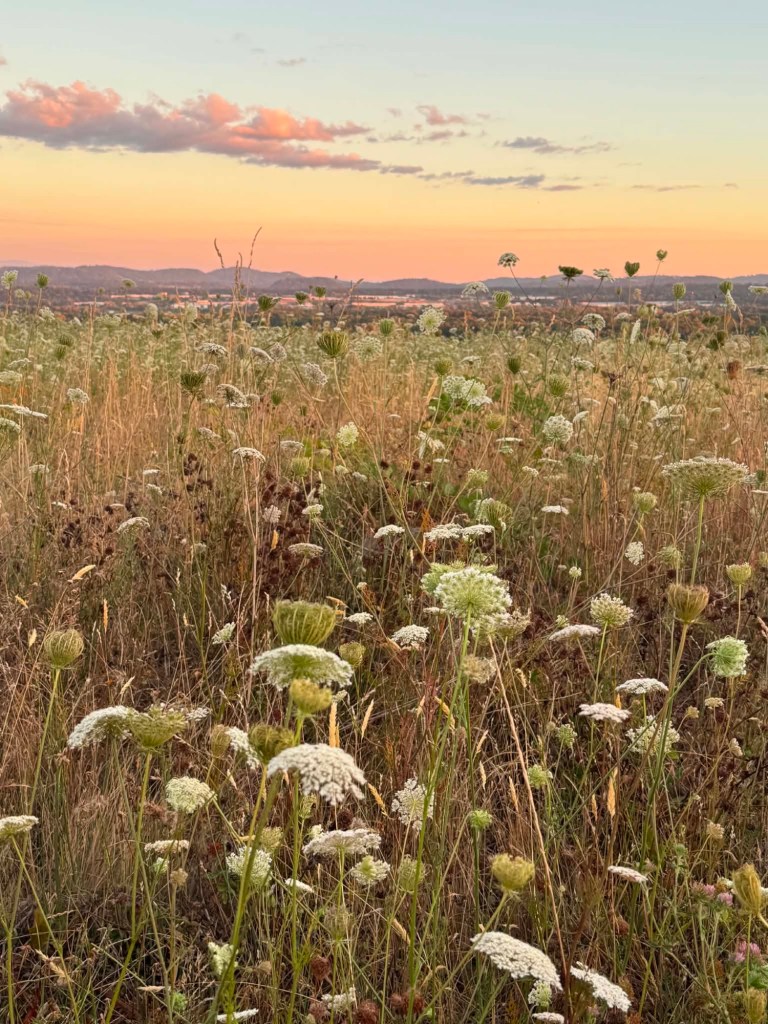
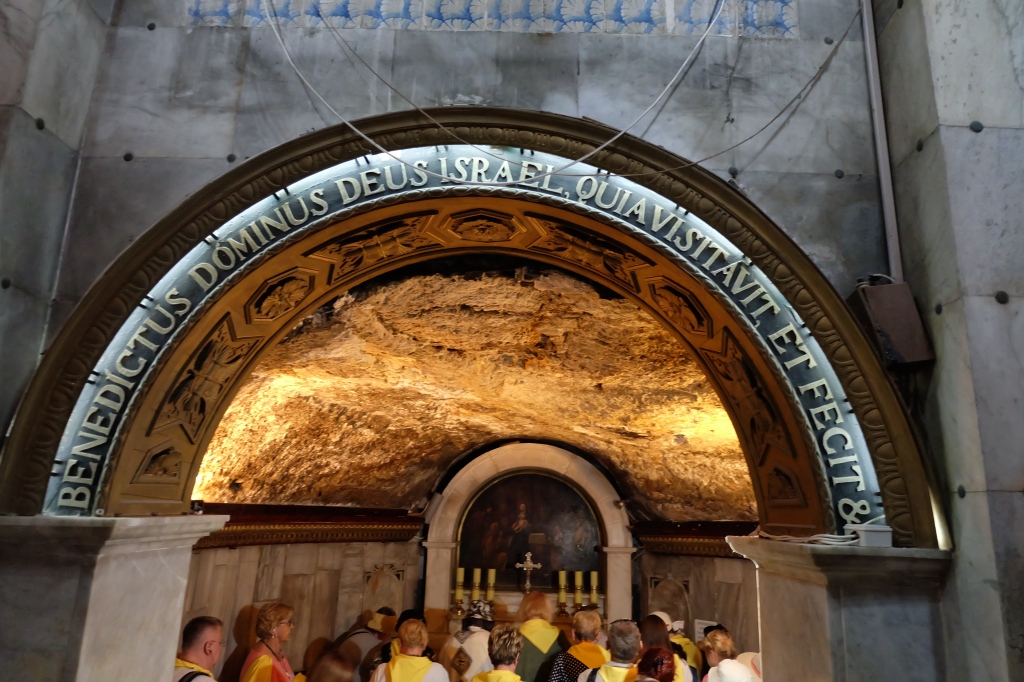
Photo by author, Dominus Flevit Church overlooking Old Jerusalem, May 2017.
Lord Jesus Christ, our Eternal Priest who calls and sends us daily to spread your Good News of salvation to everyone with our giving of self like You, bless us your priests in these troubled times: everywhere we find and hear selfishness and conceit, lies and dishonesty, infidelity and injustice; we say the world has gone mad and evil with all these darkness enveloping us...
And where are we, Your priests in the midst of all these?
Jesus went with the disciples to a place called Gethsemane, and he said to his disciples, “Sit here while I go over there and pray.”
And he came to the disciples and found them sleeping; and he said to Peter, “So, could you not watch with me one hour? Watch and pray that you may not enter into temptation; the spirit indeed is willing, but the flesh is weak.” Again, for the second time, he went away and prayed, “My Father, if this cannot pass unless I drink it, thy will be done.” (Matthew 26:36, 40-42)
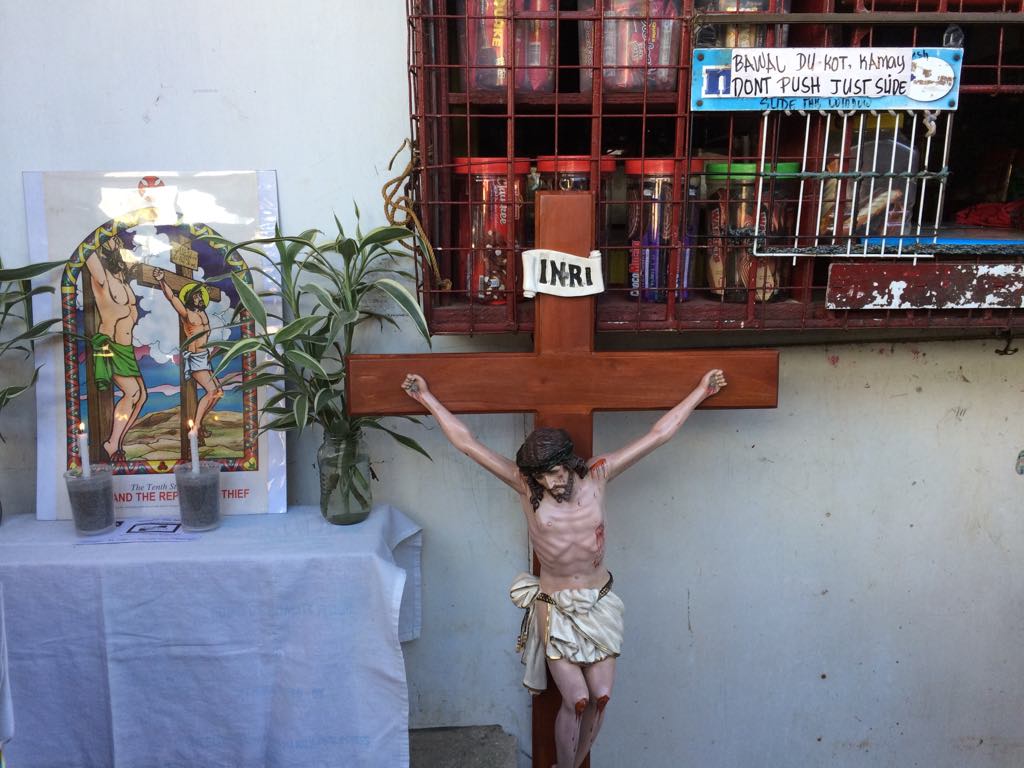
Photo by author, Garden of Gethsemane, the Holy Land, May 2017.
Forgive, us dear Jesus, when we Your priests cannot keep up with You in prayer; oh, we are so busy watching the world going by, watching the corruption in government unfolding, watching the decay in our society but unfortunately, we cannot look squarely into our own mess in the Church - in our parishes and communities, in our ministry that has become more of a work often for performance and clout; worst of all, we have lost that intimacy in You, Jesus.
We no longer pray, Lord Jesus.
We can't stay with You even for an hour every day because we are busy with social media like everyone.
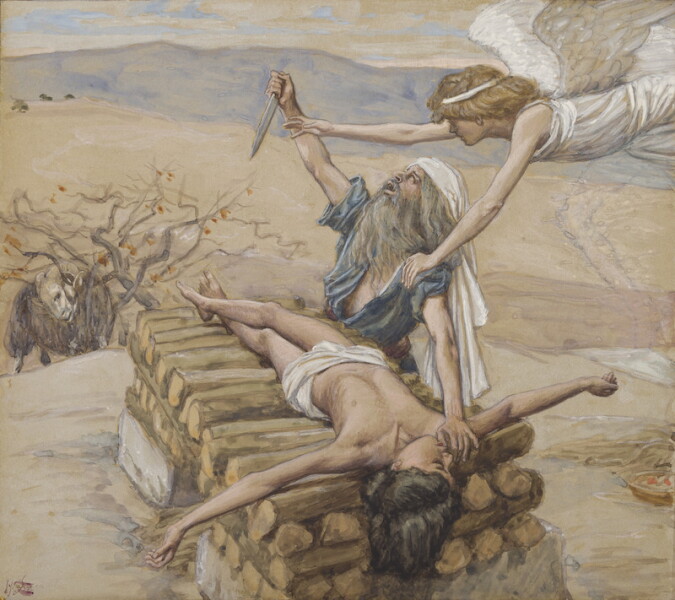
Help us find our way back to You, Lord Jesus: let us imitate Abraham who prefigured your own self-offering in giving his beloved son Isaac to the Father without any question at all; many times, we Your priests reason out with many excuses and alibis while at the other extreme, many of us disregard reasons at all in our mission and ministry.
Keep us in love with You, Jesus our Eternal Priest, especially our bishops supposed to have the fullness of priesthood but cannot lead nor guide us, much less inspire us; give us the grace of Abraham that we can always answer Your call with a firm and unwavering "Here am I." Amen.
“The Offering of Abraham” (c.1896-1902) painting by James Tissot, kept at the Jewish Museum in New York via moa.byu.edu
Sampung buwan na 'kong hindi natutulog Kasi naman, ang ingay ng aming kapitbahay 'Pag gabi, disco house at videoke Kaya't sorry na lang kung wala sa aking sarili Mahal kita, pero miss na miss na miss ko na
Ang aking kama at ang malupit kong unan Ba't 'di ka na lang sumama? Hihiga tayo at kakanta
I have always loved the Eraserheads whose songs are like vintage wines that get better with age like Kamasupra from their thrid studio album considered as the best Pinoy rock album, “Cutterpillow” released in 1995.
See the genius and artistry of Ely Buendia in composing Kamasupra, a witty play of words and ideas, of the bed we call kama in Filipino and that bible of erotica Kama Sutra from ancient India.
More than a furniture, the bed is also an altar of the highest order in every home where we perform our final acts as humans at the end of each day – of retiring and of dreaming while entrusting ourselves, consciously or unconsciously to God. In the same manner, it is on our bed where we also desecrate our very selves and those dearest to us.
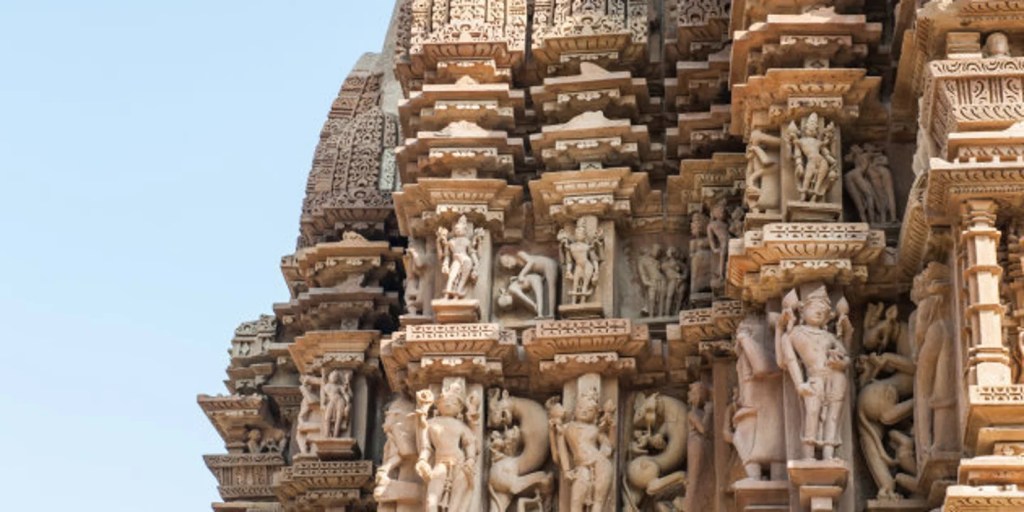
Photo from LightRocket via Getty Images Erotic sculptures of the Khajuraho group of monuments, part of the UNESCO World Heritage Sites in India.
Please. There’s nothing bastos with both Kamasupra and Kama Sutra; both speak of the joys and sanctity of our relationships, of our being with our loved ones in bed that leads us to eternity as every old and dying person would tell you.
I know. I have met so many of them being a chaplain in a hospital for five years now. Whether in our home or in the hospital, the bed is always the final step board of every soul going to eternity.
Whenever I would bless the master’s bedroom in a new home, I say a prayer of blessing on the couple’s bed and before sprinkling it with Holy Water, I ask them to first bless it so that they would feel its sanctity as an altar where they give themselves to each other completely.
Hence, only them the husband and wife can sleep in that bed and nobody else, not even the children.
I do the same ritual of blessings in the other rooms of the children, praying that they would find rest of body and soul in their bed with a strict reminder that no visitors can stay inside their bedroom because it is sacred. Period.
This is most true for the bed of every priest. Notice how in most parish rectories and convents of nuns you find the sign “Private” to indicate no visitors allowed in their private quarters.
The priest’s bedroom and bed are literally his “inner sanctum” where only he and Jesus can be together at all times. Usually in silence too.
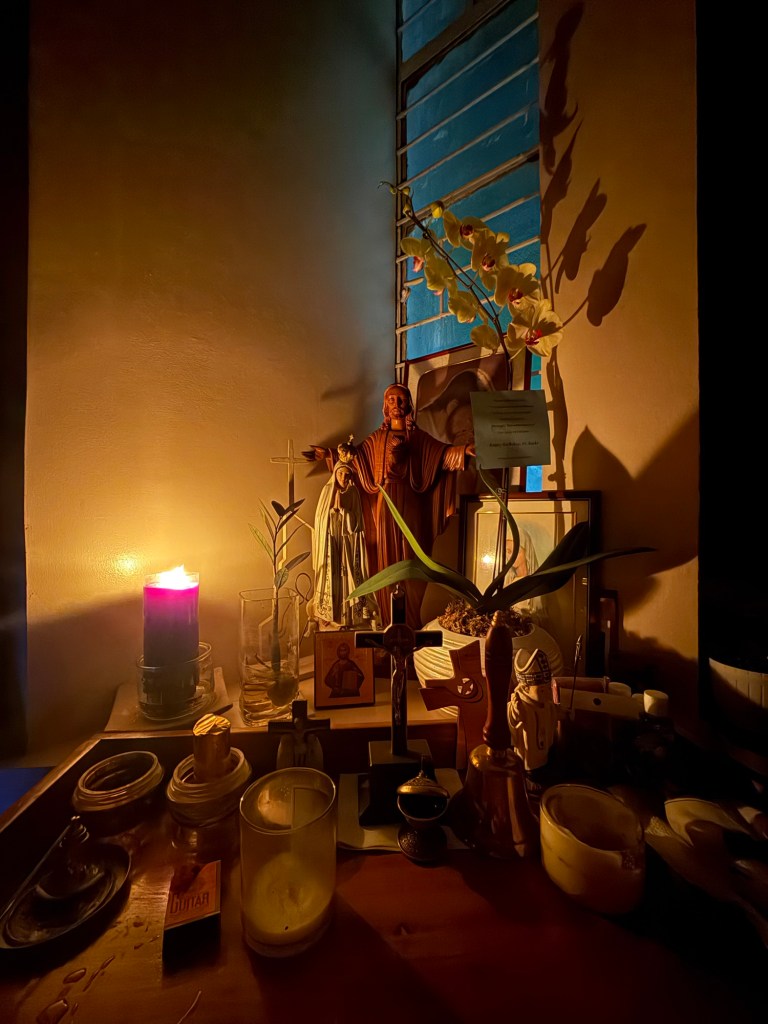
That is why I tell young priests to first have an altar in their bedroom where they could pray first thing in the morning and just before hitting the sack. Next to our breviary, the bed is the priest’s most beloved and blessed partner in life.
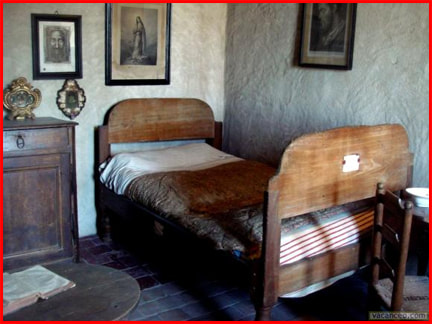
Most of all, the priest’s bed should always be “celibate” too like himself – that is, single-size only. No need to have big beds nor expensive ones because a priest’s bed is a reflection of his vows in the ministry – celibacy, poverty, and obedience.
Photo by author, personal altar in my bedroom.
Some of my most memorable images and experiences as a priest happened when I accompanied two elderly priests of our diocese in their deathbeds.
First was Msgr. Macario Manahan who died on 16 March 2014, the Second Sunday in Lent that year. I was by his side when he died that Sunday afternoon as he lived near my previous parish assignment. The second priest was Msgr. Vicente Manlapig who was confined in our hospital where I serve as chaplain. He died a few hours after my last visit to him on a Sunday morning, 26 February 2023, the Second Sunday in Lent.
Yes. They both died in Lent that is why since 2023, I have kept on telling people that life is a daily Lent, a preparation for Easter.
Bed of St. John Marie Vianney, Patron of all priests; from devotiontoourlady.com
It was at their deathbeds when I strongly realized that our bed is also our altar especially when we get sick and old, where we shall celebrate the Holy Sacrifice of the Mass, where we meet and receive Jesus Christ in the Holy Viaticum when too weak to celebrate the Eucharist.
It is on the bed of a dying priest I have felt deeply and truthfully the vocation in the priesthood – of how we were called by Jesus to become his priest that in the end he shall be calling us again as his priest to join him eternally.
And there in our bed comes the painful truth of how when we were young and strong we were called to do everything for Jesus and his Church, often lording it over the flock, so powerful as if like a god until all of a sudden without any warning, we just find ourselves already old or sick and weak, bedridden.
That’s when we hear anew Christ our Eternal Priest calling us, this time not to do anything at all but simply hang there on the cross with him like the two thieves at the Calvary.
That is when in our deathbeds we priests call on Christ anew like Dimas, the good thief, admitting all sins and faults while confessing our faith in Jesus.
The priest’s bed is where the priest cultivates his intimacy with Jesus too – his very celibacy and purity, his poverty and simplicity, as well as his docility and obedience not only to his bishop but ultimately to God.
Because it is also on that bed where the priest wages all kinds of battle in his life and ministry until the end, where the devil begins and ends all temptations to displace Christ from the side of the priest.
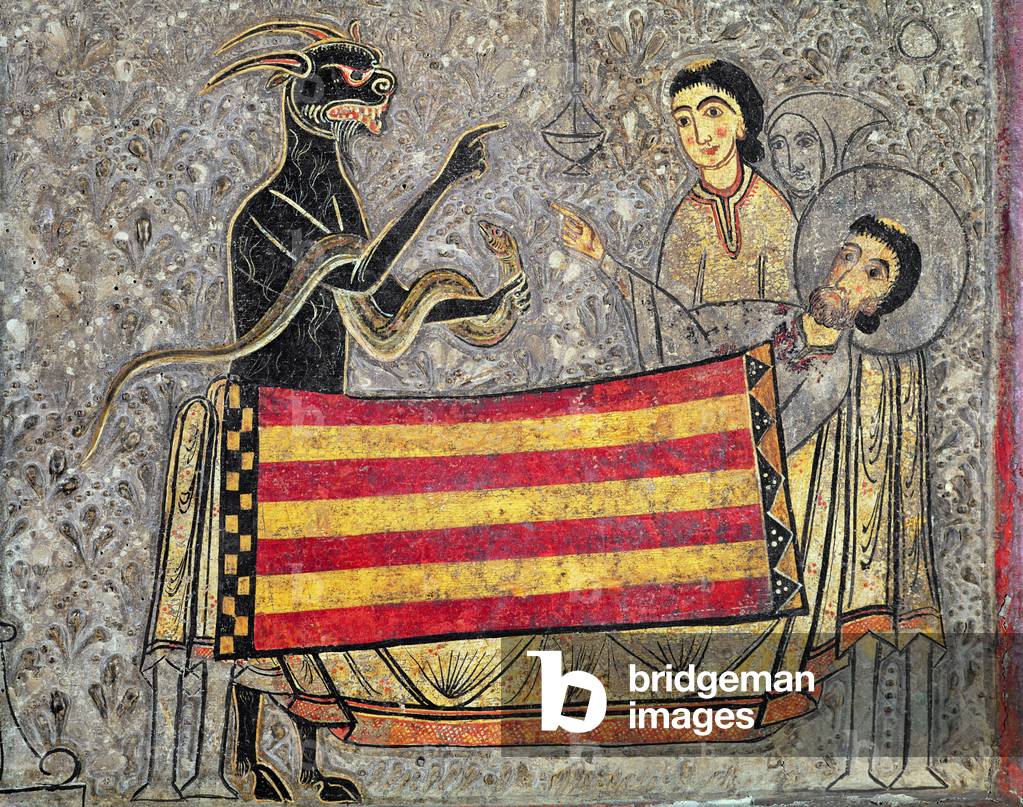
The Death of St. Martin of Tours, detail from an altar frontal from the Church of Saint Martin in Chia, 1150-1200 (tempera on panel) by Johannes Pintor, Ribagorça Workshop (fl.1150-1200); Museu Nacional d’Art de Catalunya, Barcelona, Spain ; (add.info.: Saint Martin on his deathbed, covered with a blanket in the colours and stripes of Aragon, rebukes the devil;).
It is said that when St. Martin of Tours, our patron saint in Bocaue, Bulacan, was dying in Candes (France) surrounded by his disciples, the devil appeared at his bed side, trying to claim his soul. Having lived a life of intense spiritual warfare, most likely some of it in his own bed, St. Martin rebuked the devil with his firm faith in Jesus Christ. The devil vanished and St. Martin died on November 11, 397 AD.
Every night towards the end of our Compline, we pray Simeon’s Canticle, the Nunc Dimittis (Lk.2:29-32) with an antiphon that goes like this: “Protect us, Lord, as we stay awake; that awake we may keep watch with Christ and asleep rest in his peace.” We then close our prayers with the final words, “May the Lord grant us a restful sleep and a peaceful death. Amen.”
It does not really matter whether one is a priest or not. Most of all if your bed is comfortable or not. What is important is that on that bed we are at peace with ourselves, with others and most of all, with God. So, keep your bed sacred at all times.
Lord My Chef Daily Recipe by Fr. Nicanor F. Lalog II
Wednesday in the Second Week of Advent, 10 December 2025
Presbyteral Anniversary Homily of former parishioner and students
Isaiah 40:25-31 <*{{{{>< + ><}}}}*> Matthew 11:28-30
Advent is seeking the face of God – and so is the priesthood. The joy of our priesthood to a large extent is our continuous seeking for the face of God. It is part of human nature that we always seek and associate a face behind every name and voice.
When we were called to the priesthood, we first heard a “voice” that led us into the high school seminary. That’s why priesthood is a vocation, a call from the Latin verb “voco, vocare, vocavi”.
But, we pursued further our vocation into the major seminary, some had to leave for a while while others were sent out in order to see the face behind this voice, this call because the most essential in priesthood is the Caller Jesus Christ, not really his call.
In our search for Jesus and his face, it is hoped that eventually we as priests become the face of Jesus to everyone, speaking to them those same gentle words to “Come to me, all you who labor and are burdened, and I will give you rest” (Mt.11:28).
Thank you very much for inviting me again to speak to the three of you – Fr. RA, Fr. LA, and Fr. Howard. (Can we call you as Fr. HA so that your name finally rhyme with the two as in “Hahahaha”?)
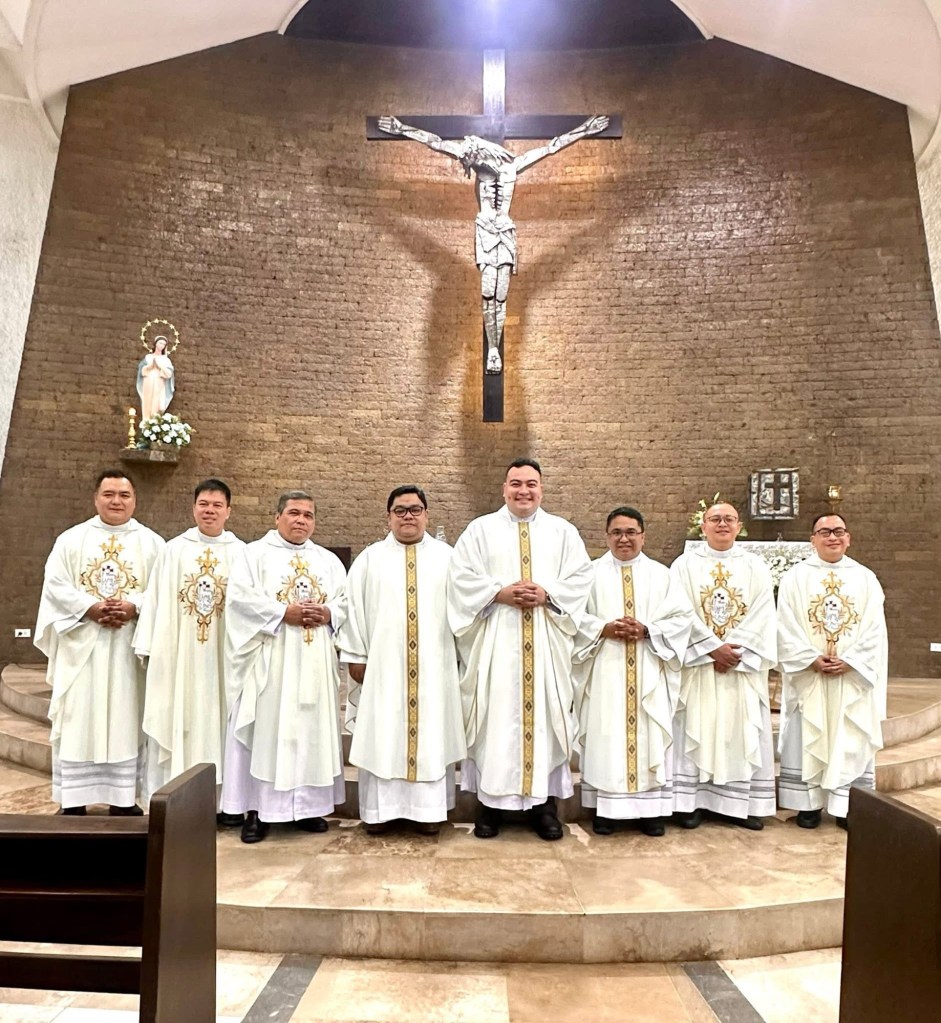
Sixth Presbyteral Anniversary of Fr. Ra, Fr. LA, and Fr. Howard, 10 December 2025, ICS Chapel.
Congratulations on your sixth presbyteral anniversary. They say the first five years of priesthood is the “honeymoon stage”; so now, you enter the reality stage when many times you will be disillusioned in the ministry, especially with your brother priests who are supposed to be the face of Christ – but not!
That is why the readings for today on your sixth presbyteral anniversary are so appropriate as they offer the Advent message of comfort and encouragement, and a promise of salvation – the message every priest needs to hear these days when our leaders in government and yes, even in the church seem to be so weak and without direction, far from Jesus our Eternal Priest.
The Lord invites us through the Prophet Isaiah to look up and pray – to see the stars in the heavens, the bright constellations that form objects and animals like “faces” on the dark skies of the night.
Photo by author from the Dominus Flevit Church overlooking Jerusalem, May 2017.
“To whom can you liken me as an equal? says the Lord” (Is.40:25).
Do we still pray and reflect on the mystery of God’s power and care? Or are the priorities of the day a constant distraction?
We shall never see the face of Christ in ourselves nor in the people we serve no matter how dedicated we are if we do not pray. It is our prayer life, especially those intense moments of silence before the Blessed Sacrament that will show us the face of Christ. According to Abp. Fulton Sheen, the more we pray before the Blessed Sacrament, the more we look like Jesus. Before Pope Benedict XVI died, he wrote that all these sex scandals that have rocked the Church in the past decades are largely due to fewer priests making time for Christ in the Blessed Sacrament.
Before our ministry came, there was Jesus first calling us to be with him, to be one in him in prayers. Palagi nating unahin si Jesus higit sa lahat. Our efforts find meaning only in Christ as Isaiah tells us, “Though young men faint and grow weary, and youths stagger and fall, they that hope in the Lord will renew their strength, they will soar with eagles’ wings; they will run and not grow weary, walk and not grow faint” (Is.40:30-31).
It is funny that when you invited me last month Fr. RA and Fr. Howard, I asked you if it is the anniversary of our GC? Yes, these three crazy men keep a GC, just the three of them and to make it more like a group, they included me into their folly.
First Mass of Fr. RA in our Parish in Bagbaguin, Sta. Maria, Bulacan six years ago.
That is the landscape of our Church today when we live our faith in a mass-mediated culture where we find images especially faces so prominent more than ever as in Facebook. There lies hidden the hidden schemes of the devil to mislead us priests in exposing more our faces than being the face of Christ.
A friend in media recently asked me if those priests in that grand procession are really priests as she wondered why they wear those elaborate vestments they look like Poon and imahen.
I felt what she was driving at – rampa pa more! Isn’t she right?
Except for the Nazareno in Quiapo and Sto. Nino in Cebu, most of our Church processions have all turned into pageantries with all the pomp and gaiety of a show, a palabas.
Puro palabas na tayo, wala nang paloob which is the deeper meaning of the “face”: not as something outside o panglabas but more of the inside. Face is image and likeness, that thing that identifies us. Our identification or ID is Jesus Christ. That is the reason the new Ratio in seminary formation had renamed the theology department as “configuration” stage.
Be the face of Jesus to the people you serve, Fr. RA, Fr. LA and Fr. Howard.
First priest of St. John Evangelist Parish in Bagbaguin; actually second after Bp. Bart Santos who was ordained when Bagbaguin was still under La Purisima.
Be the face of Christ too to us priests because these days, many priests follow and show other faces than Christ’s. As I used to tell you, kapag ang pari mabuti sa kapwa pari, tiyak na mabuting tao siya; pero kapag ang pari kahit anong bait (hindi buti, ha) sa mga tao pero masama sa kapwa pari, hindi yan mabuting tao.
St. John the Evangelist, the Patron Saint of Fr. RA in Bagbaguin wrote in one of his letters that “No one has ever seen God. Yet, if we love one another, God remains in us, and his love is brought to perfection in us” (1Jn.4:12).
So beautiful! It is when we truly love, especially like Jesus our Eternal Priest, that we become the face of Christ, when we see the face of Christ. Amen. And cheers to six years in priesthood!
Lord My Chef Daily Recipe for the Soul, 25 August 2025 Monday, Twenty-first Week in Ordinary Time, Year I 1 Thessalonians 1:1-5, 8-10 <*((((>< + ><))))*> Matthew 23:13-22
Photo from The Fatima Tribune, Red Wednesday at the Chapel of Angel of Peace, Our Lady of Fatima University, Valenzuela City, 27 November 2024.
Today I wonder, God our Father, what if Paul your Apostle or Jesus Christ your Son were to visit our church today, what would they find out? Would Paul be proud of us like the Thessalonians of his time?
We give thanks to God always for all of you, remembering you in our prayers, unceasingly calling to mind your work of faith and labor of love and endurance of hope of our Lord Jesus Christ, before our God and Father, knowing, brothers and sisters loved by God, how you were chosen… In every place your faith in God has gone forth, so that we have no need to say anything (1Thessalonians 1:2-4, 8).
Oh how I envy the Thessalonians that Paul along with Silvanus and Timothy were so proud of their "faith and labor of love and endurance in hope"; most of all, of their "conviction" that he had no need to say anything, as in, "walang masabi". So beautiful! How I wish Paul could say the same things today to our parish, to our community of believers with their vibrant faith, hope and love.
What I dread, O Father is when Jesus comes and begins speaking the same way to us his priests and bishops:
Jesus said to the crowds and to his disciples: “Woe to you, scribes and Pharisees, you hypocrites. You lock the Kingdom of heaven before men. You do not enter yourselves, nor do you allow entrance to those trying to enter (Matthew 23:13).
Shame on us, Lord Jesus, your priests and bishops! If you were here today, you would surely say the same things to us: many of us your priests do not pray at all that many have forgotten to pray properly and celebrate liturgy meaningfully; many would rather go on vacation and recreation than celebrate Mass and sacraments for your people; yes, Lord Jesus, "woe to us" your servants for many of us have no plans of going to heaven at all with the kind of Eucharist we celebrate that people have lost faith in you and your church. Forgive us, Jesus, your priests for being blind fools, following the limelight of the world than your path of the Cross; lead us back to you, Jesus, so that your flock may be enlivened again in their faith, hope and love like the Thessalonians of your great Apostle Paul. Amen.
Fr. Nicanor F. Lalog II Our Lady of Fatima University Valenzuela City (lordmychef@gmail.com)
Photo from The Fatima Tribune, Red Wednesday at the Chapel of Angel of Peace, Our Lady of Fatima University, Valenzuela City, 27 November 2024.
Salamuch again to your prayers and greetings on our priests’ day last August 4, the Memorial of our patron, St. John Baptiste Marie Vianney. With a Bible in hand in silent prayers that morning, I realized two of Jesus Christ’s important works as a priest we continue today.
First is to make God closer to people. And vice versa.
It is not my original; got it from Pope Benedict XVI’s Jesus of Nazareth series where he repeatedly mentioned Jesus Christ’s main achievement in his coming here on earth was bringing God closest to us humans. Recall how during that time in Israel when people felt God so far from them due to the legalisms of temple worship that sadly continues even in the church today that is worsened by trends in modernism like digitization that miss out the very essence of the personal aspect in our ministry of the priesthood.
Photo by author, Chapel of the Angel of Peace, Our Lady of Fatima University, Valenzuela City.
Jesus came and continues to come to us on a person to person basis. It is the foundation of our interpersonal relationships, especially for us priests. Hence, before we priests can bring God closer to others, we must be the first to be closer to him. The way priests deal with others is a reflection of the kind of relationship priests have, or do not have with Jesus. What kept the Lord so close with the people was a result of his union and intimacy with the Father. Solidarity with the poor and marginalized in the real sense is always a grace from Jesus that first comes in every priest’s intimacy with Christ in prayers.
This is the major challenge to us priests these days in an age of too much technologies that ironically set us more apart than closer with each other. We promised to be celibate to offer our whole selves for the flock but sadly, many of us have become too hyphenated with many other duties that we are more professional than personal. Some could not even affix their personal signatures on letters and documents, preferring the e-signature that is so impersonal with the usual excuse it is easier and faster, totally forgetting about our life of sacrifice in such small thing.
While we priests need to take breaks, it is a different story when the pastor becomes engrossed into sports and recreation to the detriment of the pastoral needs of parishioners. When focus is more on the minister and his needs forgetting the ministry, problems arise. Most likely, the pastor is already in a crisis like when Masses even on Sundays are passed on to other priests for dubious excuses or reasons. Watch out for those red flags among pastors of souls who are too difficult to gather for clergy meetings and sick calls but so quick in rest and recreation, especially in going out-of-town or even abroad. Watch out too when pastors are more knowledgeable in politics and telenovelas than the scriptures and the faith, when the homily is more like a sing-along concert.
The kind of our intimacy with Jesus in prayers determines the kind of our relationships with his flock entrusted to us.
According to studies, most people spend an average of seven hours a day of screen time on their cellphone. So, seven hours a day multiplied by seven days a week equals 49 hours. That means most people, including us priests, lose about two days and one hour every week by just scrolling and interacting on our cellphones! How much time is left for us, especially priests to pray and serve the parish? Some would argue that those people we interact with in our cellphones are also the same people we serve; but, whatever happened to our person-to-person interactions?
See how the gospels teem with many stories of Jesus touching, doing other gestures of personally being with the people of his time especially in healing the sick. What a tragedy that we cannot freely be that personal like Jesus with people especially children following the sex scandals that have rocked the church that was largely due to priests’ lack of a prayer life. Every genuine relationship with people starts with intimacy with God like Jesus who would always go by himself to deserted places to pray.
That is why it is also important for us priests to educate our people to value our prayer time especially at night. We priests do not have a night life. Period. We may go out sometimes with laypeople and brother priests but never all the time. Though Jesus dined with the rich and sinful during his time, it was never social in nature; his simple acts of joining meals or visiting people were always apostolic in nature that led to conversion into faithful followers of his hosts. Do we keep that apostolic character in our frequent lunch or dinner buffets in expensive restaurants that some priests post in social media without any deference to the majority of our people struggling to make ends meet?
The second important work of Christ as a priest during his time on earth we priests today must continue is to inspire and organize people in keeping his work of bringing God to people and vice versa.
How sad to see the Church has become more like a bureaucracy with some dioceses a microcosm of the Republic of the Philippines with priests and bishops acting like politicians. Maybe next to the government, the Church comes close in churning out the most documents and statements nobody reads nor cares at all to implement. Actually, there is a book on social teachings of the Church aptly called “The Church’s Best Kept Secrets”.
How can synodality happen when priests are detached from the people in the first place? This is very evident in the composition of many Parish Pastoral Councils (PPC) who are never replaced at all except only when one finally dies. Some parish workers and volunteers are as old as their parish that some of them brag “bisita pa lang ito naglilingkod na ako!”
Is it really that difficult to inspire and find new workers and volunteers in the parish? Our faith teaches us that the Lord always provides us especially with fellow workers in his vineyard. Problem is when pastors refuse – not really fail – to attract and inspire more new volunteers and workers in the parish because that will require a lot of their time and presence. A parish that does not change its sets of officers and volunteers for years and years is a dead parish. It just exists for its traditions of devotions and fiestas people see every year and are most likely so fed up too.
Photo by author, Sacred heart Novitiate, Novaliches, QC, March 2025.
This is perhaps the reason why despite our being a Christian nation that we still remain poor because even in parishes not many are given the chance to do the work of Christ. How can we imbue future leaders of both the country and the church with the gospel of Christ if we just allow a small circle, or sadly a clique involved in our parish affairs and activities? One reason Rome fell was the failure of the empire to prepare its next generation of leaders.
Likewise, “recyling” parish leaders and volunteers only continue the vicious circle among us Filipino Christians of being baptized but not evangelized. Notice how our parishes and dioceses have become mini-Republic of the Philippines that are so alive during calamities and holidays for ayudas and gifts but rarely involved in good governance and leadership or management. We priests and state officials are so good in building edifices and complex but that do not make the church nor the government at all. The more priests are personally involved with their parishioners, the more the people realize their importance in being a part and fellow builders of the Body of Christ, of the need for them to be involved in helping their pastors in bringing God to more people and in leading others to God.
Jesus gathered and formed those considered the least during his time to continue his work of bringing God closest to the people and the people closer to God. His Apostles and followers have no experiences in religion at all nor with evangelization. They simply knew how to pray and have faith in Christ above all that we priests and lay people must first do and keep on doing.
Priesthood is doing the work of Jesus Christ; it is not ours but the Lord’s. We are just his hands and limbs, mouth and body in doing his works. The good news is, Jesus our Eternal High Priest loves us so immensely that despite our weaknesses and sinfulness, he continues to call us to come to him, to find rest in him, to learn from him for he is gentle and humble in heart (Mt.11:29). Let us pray and do the work of Christ as priests with our lay people so that each day may be a Pentecost for us in the ministry. Amen.
Lord My Chef Daily Recipe for the Soul, 04 August 2025 Monday, Memorial of St. John Baptiste Marie Vianney, Priest Numbers 11:4-15 <*{{{{>< + ><}}}}*> Matthew 14:13-21
People complain and ask me why our patron saint, St. John Baptiste Marie Vianney is always portrayed “unattractive” as old, balding and so thin who seemed to be so tired, even sad. Para daw hirap na hirap.
Usually I smile at them because when I entered the seminary, I felt the same way too upon seeing his images. But as I learned about his life and teachings, the more I realized St. John Baptiste Marie Vianney is actually one of the original “rock star” saints of the Church with his white, balding hair so much like Jimmy Page of Led Zeppelin!
There is something so deeply within him when we try to feel and observe his portrayals in the arts as more than images but a reality and experience of a man deemed weak yet so strong with an intensity of a Michael Jordan in his life and ministry. He was another St. Paul who had truly let “Christ lived in him” (Gal. 2:20), “strongest when weakest” (2Cor.12:10) who declared with conviction that “the priesthood is the love of the heart of Jesus.” Hence in my prayers last night and today, I asked Jesus to give me a heart “so big, so wide to welcome everyone and life’s many challenges” (https://lordmychef.com/2025/08/03/praying-with-our-patron-saint-john-baptiste-marie-vianney/).
Detail of a painting of the Sacred Heart of Jesus at Visitation Monastery, Marclaz, France from godongphoto / Shutterstock.
The readings this Monday of the eighteenth week in Ordinary Time perfectly jibed the celebration of the Memorial of St. John Baptiste Marie Vianney as they spoke of the heart of the priest.
In the first reading we heard of Moses lamenting to God of the difficulty in dealing with his people who were so stubborn and refused to recognize God’s immense love for them, so similar with us priests in many occasions when we feel so frustrated and sad when parishioners fail to see the good things we are doing for them.
When Moses heard the people, family after family, crying at the entrance of their tents, so that the Lord became very angry, he was grieved. “Why do you treat your servant so badly?” Moses asked the Lord. “Why are you so displeased with me that you burden me with all this people?”… I cannot carry all this people by myself, for they are too heavy for me. If this is the way you will deal with me, then please do me the favor of killing me at once, so that I need no longer face this distress” (Numbers 11:10-11, 14-15).
Many times, we priests feel like Moses who cannot voice out problems with the people who would never understand it at all. Worst, people would even blame us priests why we work so hard or why do we bother at all with their lives. “Pabayaan na lang ninyo kami…sanay na kami” are what they often say. It can be frustrating when people refuse to match the fire and ardor of their priests.
In this scene, we find one of the many instances in the life of Moses that was centered on God in prayers. The heart of the priest is a heart in prayer. The attitude of Moses in the first reading conversing with God in prayer shows us that in our life and ministry, there is no one to turn to except God alone with whom we can be our most personal self, even dare God to “take us” or “kill us” when we are so fed up. The good news is, God never took those words seriously as he knew Moses and the prophets including us who spoke to him that way never knew what we were saying at all.
There is a saying that goes, “if you can’t bear the heat, leave the kitchen”; but, it cannot be applied with the priesthood that is neither a profession nor a job one can easily walk out from and start into another venture or career. Priesthood is a call or a “vocation” from God; however, priesthood is more of the Caller than the call. It is a life centered on prayer to become like Jesus Christ who alone feels and understands and appreciates all our ups and downs in the ministry. The more we get closer to Jesus in the Cross, the more we experience fulfillment that we would never dare to trade it for anything or anyone else, not even the prettiest woman on earth.
Photo by author, Chapel of St. Francis Xavier, Sacred Novitiate, Novaliches, QC, March 2024.
Priesthood is the love of the heart of Jesus that continues to be wounded and hurt by sins of men and women in this modern age so selfish and materialistic. Thus, every priest is called to be a “wounded healer” too like Christ who in his woundedness healed the wounds of others. We remind people of the paradox and scandal of the Cross of Jesus, of life itself by taking into heart Christ’s teaching, “For whoever wishes to save his life will lose it, but whoever loses his life for my sake will find it” (Mt. 16:25).
Let us now reflect on our gospel.
When Jesus heard of death of John the Baptist, he withdrew in a boat to a deserted place by himself. the crowds heard of this and followed him on for from their towns. When he disembarked and saw the vast crowd, his heart was moved with pity for them, and he cured their sick (Matthew 14:13-14).
Observe the brevity of Matthew in narrating the situation at the scene without losing its very soul and meaning especially for us priests: Jesus did not have any intentions to go after Herod nor to challenge him for his execution of John the Baptist who spoke the truth.
Instead, Jesus sought solitude. Like Moses in the first reading, Jesus turned to God in his grief and anguish of the death of John the Baptist. He crossed the lake to pray and be one with the Father to pour out his sadness and most of all, to reflect on what to do next after John’s death.
Jesus shows us in this scene of his going into solitude that our low points in life as priests are also our high points like Christ’s Transfiguration. Every prayer moment is a transfiguration moment because that is when we get closest with Jesus. It has been consistently proven in our collective and personal experiences as priests verified by studies that crises in the priesthood happen when we stop praying because that is detaching from Jesus Christ, our Caller.
Priesthood is not only difficult but very difficult starting with the vestments we have to wear. What a shame when priests prefer to do away with the proper vestments as well as wearing of shoes during celebrations of the Mass and other sacraments because the weather is so hot. What then are we going to bear if the weather is already a big issue for us? One of the teachings of St. John Vianney that I have always followed is the value of putting on good vestments in the celebration of Sacraments because they are a homily in themselves, proclaiming the glory and love of God for us all.
Many times, people forget priests have personal concerns and problems too, that we get hurt, get lonely, get sick and grieve at the death of family and friends. Despite all these lows in our life as priests, we go and follow the Caller Jesus Christ when people come and ask for our help and service. Woe to our brother priests who forget this and think more of themselves especially of their comfort!
See how when Jesus was praying in solitude and the crowd followed him, it was not difficult for him to forget his own worries that his heart was moved with pity upon seeing them disembarked from their boats. Despite his sadness at the death of John, Jesus taught the crowd who have followed him and healed the sick among them. And when the Twelve told him to drive away the crowd to search for their own food and lodging, Jesus told them to give them food themselves. What followed was the great miracle of the feeding of over five thousand people from five loaves of bread and two pieces of fish. It was the event that prepared the Twelve and the people to the Last Supper of the Lord and the road to Emmaus where Jesus was recognized at his “breaking of bread”.
The whole life of St. John Baptiste Marie Vianney was a prayer of praise and thanksgiving to God in Christ’s priesthood. He had a heart so big and wide, hearing confessions daily up to 16 hours! Pray for us your priests to have big hearts too to bear all the wounds and hurts because only the heart that suffers, that is “broken” can truly sing of the joys and pains of living, of the sense and meaning of serving to the point of being emptied, and of the healing and transforming power of Christ’s love and mercy. Amen. Pray for us your priests. Salamuch. Fr. Nicanor F. Lalog II, Our Lady of Fatima University, Valenzuela City (lordmychef@gmail.com).
have not been to France nor do I know French but while searching for images of St. John Marie Vianney, I found this from the French website, https://www.notrehistoireavecmarie.com/; it is perhaps the depiction of the new pastor speaking to the young Antoine whom he asked for directions to Ars.
Lord My Chef Daily Recipe for the Soul, 04 August 2025 Monday, Memorial of St. John Baptiste Marie Vianney, Priest Numbers 11:4-15 <*((((>< + ><))))*> Matthew 14:13-21
I have not been to France nor do I know French but while searching for images of St. John Marie Vianney, I found this from the French website, https://www.notrehistoireavecmarie.com/; it is perhaps the depiction of the new pastor speaking to the young Antoine whom he asked for directions to Ars.
On this feast of our Patron Saint, John Baptiste Marie Vianney, I praise and thank you dear Jesus for the gift of vocation to the priesthood; thank you for calling me to become your priest; thank you for the courage and strength to accept your call; most of all, thank you for your patience in me despite my repeated sins and failures as your priest.
Onn this feast of our Patron Saint, John Baptiste Marie Vianney, I pray to you Lord Jesus our Eternal Priest to give me a big heart, a heart so wide to welcome everyone and life's many challenges.
When Jesus heard of death of John the Baptist, he withdrew in a boat to a deserted place by himself. the crowds heard of this and followed him on for from their towns. When he disembarked and saw the vast crowd, his heart was moved with pity for them, and he cured their sick (Matthew 14:13-14).
O Jesus, only a heart so wide like yours can take those kind of "beatings" - to withdraw in silence, perhaps cry in silence, to be hurting alone with the pain of the suffering and death of a brother in ministry; you bore all our pains and went straight to the Father to find solace and strength for the terrible news nobody else would really feel nor understand; make me a good, loving brother to other priests, Jesus; on the other hand, despite your grief and sadness, you did not drive away the crowd so eager to have you in feeding them with your words and teachings, in healing their sick notwithstanding the pains you have in the death of John the Baptist; where did you get that kind of immense feeling of oneness with the crowd that when you saw them, your "heart was moved with pity for them" and cured their sick and eventually fed them not only with your words but with true bread!
That is why I pray for a bigger heart as your priest, Lord Jesus - a heart so big to willingly accept and bear every pain and hurt in your name because only a wounded heart like yours can truly sing of the joys and pains of living, of the sense and meaning of serving, of the healing power of your love.
Detail of a painting of the Sacred Heart of Jesus at Visitation Monastery, Marclaz, France from godongphoto / Shutterstock.
Forgive me, Jesus, when many times I feel like giving up, complaining to you like Moses in today's first reading, hurting deep inside when your people could not see and realize all the good things you have been doing for them; hence, I pray for a big heart to bear the pains and disappointments of your people even if they are not reasonable nor valid at all; most of all, give me a big heart, Lord, because according to St. John Baptiste Marie Vianney, "the priesthood is the love of the heart of Jesus." Amen.
St. John Baptiste Marie Vianney, Pray for us priests! Amen.
Fr. Nicanor F. Lalog II, Our Lady of Fatima University, Valenzuela City (lordmychef@gmail.com).
The Lord Is My Chef Daily Recipe for the Soul by Fr. Nicanor F. Lalog II Simbang Gabi-9 Homily, 24 December 2024 2 Samuel 7:1-5, 8-12, 14, 16 <*((((>< + ><))))*> Luke 1:67-79
Photo by author, Advent 2022.
Finally! This may be the word and expression today, the 24th of December. Finally, a lot of you would be bragging about having completed the nine-day novena to Christmas. Finally, it would be Christmas day. And finally, we could sleep longer.
But then, finally what?
When Zechariah’s tongue was loosened after naming his son John in fulfillment of the angel’s instruction to him, it was not the word “finally” that came from his mouth but “Blessed be the Lord, the God of Israel!”(Lk.1:68). After being mute for nine months, Zechariah’s silence became praise with gratitude and wonder giving him the voice to speak again.
Zechariah his father, filled with the Holy Spirit, prophesied, saying: “Blessed be the Lord, the God of Israel, for he has come to his people and set them free. He has raised up for us a mighty Savior, born of the house of his servant David. Through his prophets he promised of old that he would save us from our enemies, from the hand of all who hate us, He promised to show mercy to our fathers and to remember his holy covenant. This was the oath he swore to our father Abraham: to set us free from the hand of enemies, free to worship him without fear (Luke 1:67-74).
Photo by author, birthplace of St. John the Baptist underneath the church dedicated to him in Judah.
We have reflected last Thursday that Advent and Christmas is a journey that begin in the church, in the celebration of the Mass as Luke opened his Christmas story with the annunciation of John’s birth to Zechariah during their Yom Kippur at the Jerusalem Temple.
Luke’s artistry and mastery in weaving stories brought us right into every scene leading into Christmas – from Jerusalem to Nazareth then to the hill country of Judah in the home of Zechariah until John’s birth where our scene remains today. Tonight and tomorrow, he will be leading us along with Matthew and John to Bethlehem for the birth of the Lord.
But this journeys Luke recounted to us were not only about places but most of all an inner journey into our hearts. As we all know, the destination does not really matter but the journey, the trip. It is most true with our Simbang Gabi too – it is not about completing the nine-day novena that matters most but what have we become!
After tonight and tomorrow’s Masses, our churches would be empty again, only to be filled up on Ash Wednesday, and then Palm Sunday and Holy Thursday. How tragic that on Easter which is “the Mother of all feasts in the Church”, people are miserably absent because they are out in the beach and resort enjoying summer. In fact, more people come to Christmas (Pasko ng Pagsilang) than with Easter (Pasko ng Pagkabuhay) when it is actually the very foundation of our faith.
With our students after Simbang Tanghali last year at the Medicine Lobby of Our Lady of Fatima University, Valenzuela City.
So, what have we become after these nine days of waking up early or staying up late at night, praying, listening and reflecting on the word of God, sharing our material blessings in the collections and gift-giving if we stop going to Mass the whole coming new year?
American Trappist monk Thomas Merton wrote that seeking God is not like searching for a “thing” or a lost object because God is more than an intellectual pursuit or a contemplative illumination of the mind. Merton explained that God reveals Himself to us in our hearts through our communion and fellowships in the Church.
We come to church to celebrate the Mass and pray with the whole community to express our communion with one another in Jesus Christ. It is in this communal aspect of prayer we become holy, when we are transformed and as Zechariah prophesied, we are “set free” by Jesus Christ who is the main focus of his Benedictus.
Who are those enemies Zechariah mentioned twice in his Benedictus? Who are those enemies we have to be set free for God and free to love?
Photo by author, Church of St. John the Baptist, Israel, May 2019.
Again, look at this minute detail Luke used in composing Zechariah’s Benedictus when he spoke twice of the word “enemies”: first of “saving us from our enemies, from the hand of all who hate us” (Lk.1:71) and then, the fulfillment of God’s promise to Abraham “to set us free from the hand of enemies, free to worship him without fear” (Lk.1:74).
Surely, those “enemies” were not just the Romans and other pagans around Israel at that time nor the Pharisees and scribes, the priests and Sadducees of the temple who had hands in Christ’s death for they are now gone. The gospel accounts were written in the past but remain true and relevant at all time in history, especially now more than ever in our own time.
Are we the “enemies” within who think only of our selves even in our religious and spirituality, manipulating God, controlling God?
A friend asked me last week if their priest was right in saying that the Simbang Gabi is the most effective means to obtain special favors from God. I emphatically told her “no”, adding that their priest’s claim is misleading. We cannot dictate God. God blesses everyone, including sinners who do not even go to Mass. We do not need to multiply our prayers as Jesus warned us because God know’s very well our needs before we pray. Then, why pray at all?
We pray and most especially celebrate the Mass especially on Sundays to know what God wants from us because we love God. Period. And that love for God must flow in our loving service and kindness with others. If gaining favors is the main reason we go to Mass or even pray, then, we are the “enemies” who prevent ourselves to freely worship God!
Mr. Paterno Esmaquel of Rappler rightly said it in his Sunday column:
“We are a society obsessed with achievement and success, command and control… Even we who try to complete the Simbang Gabi can plead guilty. During the Simbang Gabi, for example, we are tempted to focus on achieving all the nine days and succeeding for another year. By fulfilling this tradition, we can then ask God (or “command” God, like a genie) to grant our wishes. We can therefore wield greater control over life that is otherwise unpredictable (https://www.rappler.com/voices/thought-leaders/the-wide-shot-missed-simbang-gabi-found-christmas-grace/).
And who are feeding all these misleading and erroneous thoughts on the people? We your priests and bishops!
How sad as we have mentioned last week when many priests have totally lost any sense at all of the sacred in the celebration of the Mass. Some of them not only come unprepared for the celebration without any homily, even so untidy and shabbily dressed and worst of all, make fun of almost everything and everyone that the Mass has become a cheap variety show. Online Masses continue not for evangelization for “shameful profits” in the Sacrament through “likes” and “followers” that some priests are now more concerned in finding ways to be trending and viral instead of how to effectively evangelize the people with our good liturgical celebrations flowing into our witnessing of life.
Yes, we priests and bishops are the enemies right here in the church when we align more with the rich and powerful, when we have no qualms asking/receiving gifts and favors from politicians and still, would want to collect more money and donations from people with our endless envelops that have totally alienated the poor from the church. The poor are the ones who suffer most, paying for the corruption of the politicians who help the clergy in their projects for the poor. Poor Jesus Christ!
Perhaps, on this last day of our novena to Christmas, let us all force ourselves – especially us priests and bishops – to go into silence to identify, to weed out those enemies within and outside us that prevent us from welcoming Jesus Christ in our hearts.
Let us pray to God that He may set us free from these enemies within us, around us so we can be like John the Baptist who will “go before the Lord to prepare his ways, to give his people knowledge of salvation.” Amen.See you tonight or tomorrow, Christmas in the Holy Mass!
Photo by author, Dumaguete City Cathedral, November 2024.
Quiet Storm by Fr. Nicanor F. Lalog II, 05 December 2024
Pope Francis waves to pilgrims as he enters St. Peter’s Square for his general audience on Wednesday, Dec. 4, 2024. Credit: Julia Cassell/CNA
Pope Francis again called on us priests to keep our homilies short during his General Audience at the Vatican yesterday, December 04, 2024. He said, “Preachers must preach an idea, a feeling, and a call to action. Beyond eight minutes the preaching starts to fade, it is not understood.”
According to the Catholic News Agency, the pilgrims applauded the Pope’s remarks that is again sweeping the social media circles of many Catholics especially in the Philippines. It is trending, in fact, because our people are so fed up with our long, boring homilies.
However, I find the Pope’s reminder lacking in substance, in what is most essential.
Photo from Catholic News Agency, 12 June 2024.
This is the second time this year since June and the third since 2018 that Pope Francis urged priests to be brief with their homilies. It is actually an echo to the recommendations by Archbishop Nikola Eterovic’s 2010 book on the 2008 Synod on the Word of God that advised bishops to keep their homilies to eight minutes or shorter to avoid “improvisations” at the pulpit.
(Now you see, the problem actually is with the bishops who mostly give poor homilies but effective tranquilizers. In fact, Pope Francis’ homily last Holy Thursday was over 20 minutes, but, of course, he is the Supreme Pontiff…)
Instead of focusing on the duration of the homily, Pope Francis should have adopted St. Augustine’s stance: the priest must first and foremost pray to give a good homily. Duration and length of homily is secondary when the priest’s homily is the fruit of his prayers (and studies).
From Pinterest.com.
In the fourth book of his Doctrina Cristiana, St. Augustine said that “every homily is from God” when truly prayed upon by the priest and deacon. He admitted that not every priest is gifted in preparing good homilies that is why he encouraged priests to share homilies that others may imitate. St. Augustine categorically wrote that there is no problem in copying the homily of other priests; what is unacceptable (and sinful) is when the priest’s homily and life do not jibe, when the priest does not walk his talk.
That is why when people ask me what is the most difficult part of priesthood, I always say since my first year as a priest, it is the prayer life – not celibacy nor poverty. Both are hinged on the priest’s prayer life.
Prayer is always difficult because it is the work of the Holy Spirit, demanding our time and total self. When we pray, we strip ourselves naked before God, facing our true selves minus our many pretensions and masks as a person. And a priest.
Hence, whatever we preach is the fruit of our prayer which is very scary. When we priests deliver our homily, we subject ourselves to your scrutiny. And that’s how we are judged by the people: does this priest practice what he preaches?
I have been a priest for more than 26 years but I still get nervous and scared before every celebration of the Mass, specially in delivering the homily.
When the Alleluia is sung and we bow our heads before the altar to recite our silent prayer – “Lord, cleanse my heart and my lips that I may worthily proclaim the Gospel” – I always add the words of John the Baptist to Jesus at Jordan before His baptism, “Lord, let me decrease so that you will increase.”
We priests are the first to be affected by our preaching. Kami ang unang nasasaktan at tinatamaan sa katotohanang ipinahahayag namin. That is when true connection with people and the gospel happens which Pope Francis discussed lengthily in his 2013 Apostolic Exhortation “Evangelii Gaudium”, giving practical tips in preparing homilies in its third chapter, “Proclaiming the Gospel”. Always at the very core of every homily and of the priesthood in particular is prayer, our communion with Jesus Christ, our Eternal Priest.
When the priest lacks the passion in celebrating the Sacraments particularly Holy Eucharist and Confession, when he habitually skips giving a homily, and worst, when he avoids celebrating the Mass daily – he is no longer praying. That is 100% sure. Most likely, Father is in crisis, deep into a vice, or a relationship.
Therefore, instead of zeroing into the duration of the homily, the Holy Father must encourage – or demand – us priests and bishops to have a prayer life, to go back to Jesus in prayer as the late Pope Benedict XVI had insisted until shortly before his death in December 2022.
And this falls upon you, too, our dear lay people. Please stop inviting us priests too often to late night socials and coffee. Give us the space and time to be home before 9PM or better, to keep us in our rectory in the evening to study and pray for our celebration of the Holy Mass the following day. We may go out at night but not so often. It is not our way of life.
Let me end this with another worthy lesson from St. Augustine in his other book about teaching catechism called De Catechizandis Rudibus, “the catechist is the lesson himself/herself.” In the same manner, “the priest is the homily himself”, too! Pray for us your priests and help us remain holy and prayerful.
Quiet Storm by Fr. Nicanor F. Lalog II, 19 August 2024
“Christ and Rich Young Ruler” by Heinrich Hofmann from en.wikipedia.org.
The volcanic smog from Taal that has shrouded the south since early Monday morning inspired me tonight to share with you this short reflection from the gospel:
Jesus said to him,”If you wish to be perfect, go, sell what you have and give to the poor, and you will have treasure in heaven. Then come, follow me.” When the young man heard this statement, he went away sad, for he had many possessions (Matthew 19:21-22).
I have been trying to imagine not only the sad face of the young man but most of all, the sadness of Jesus. Most often, the first image of a sad Jesus who comes to our mind is when he was in His Passion and Crucifixion.
That’s understandable.
Try imagining, reflecting Jesus sad when we are sad like at the death of His friend Lazarus. The beloved disciple tells us in his gospel account that upon seeing the sisters Mary and Marta, Jesus became more sad not only with the death of a good friend.
If there is one thing we can always be sure of, Jesus shares our feelings too! When we are sad, Jesus must be most sad too. And how unfair when we fail to see the sadness too of Jesus as if we suffer or grieve alone. Perhaps, it is a part of our pa-victim syndrome, of us being on the distaff side always of the story. Let us not forget Jesus because failing to experience and realize the sadness of Christ means we are still filled with pride, so self-centered and most likely, after overcoming our sadness, we would still keep our “possessions”. What a tragedy that has become a vicious circle with us priests.
Photo by author, Chapel of the Angel of Peace, 25 June 2024.
When is Jesus sad?
As we begin our retreat tonight here in Tagaytay, I feel Jesus saddest when we His priests are sad in celebrating the Mass and other sacraments, in doing our ministry. Jesus cries so hard in shame when we priests are not only sad but also angry, even insolently ministering to the people especially when they are poor.
How easy it is for us priests to readily identify with the young man being sad even with our admission or confession of having many possessions. That’s very easy, like saying sorry from the nose. But, are we ready to let go of our attachments so we become joyful in Christ again as seen in the way we celebrate especially the Mass?
When we priests are sad in our ministry, people are more sad that makes Jesus most sad of all! In the first place, no one – nobody – among the people must be saddened by priests or by the Church as an institution. Priesthood is the joy of Jesus Christ!
It is a grave contradiction that we ever be that rich young man in the gospel portrayed as sad due to many possessions. Its deepest pain and cut is found in the very reason of this sadness: Jesus is most sad when we priests are sad because He knows very well we are no longer His.
Photo by author, St. Scholastica Spiritual Center, Baguio City, August 2023.
This kind of sadness which is so negative (because we can be sad too like everyone) starts subtly when we priests are inconvenienced, when we have to sacrifice and suffer, forgetting that it is the life we have freely embraced in the first place. Some priests presumed we can suspend for a while our commitments and vows, and simply be human, whatever that means. So, they stop praying, stop sacrificing, stop living out the vows of poverty, obedience and celibacy.
As priests sink deeper into sadness, they find themselves already trapped in a festering evil and sin, becoming angry and lazy, making so many alibis and excuses from celebrating the Mass especially funerals for poor parishioners.
When there is the confluence of sloth and anger, then it becomes a point of no return because sadness detaches us priests from Jesus and His people. That is the saddest part of this sadness, of priests living in their make-believe world of vanities and all kinds of possessions. Worst part of this is how the sad priests are totally oblivious to the fact they have infected with their sadness the people they were sent to help liberated from burdens and miseries. That is when people come to the Mass and sacraments because they just have to fulfill an obligation to God that is most sad because God sent priests to bring joy, not sadness.
If a priest is making you sad, pray hard for that priest. You are not alone. Priests are sad when their brother-priests are sad in the ministry too.
But, Jesus is most sad when His priest is sad. Pray hard for His priests especially those who seem to enjoy and laugh with the “good life” but sadly empty inside. A priest is supposed to be a leaven to the people, someone who would help others to rise and grow. And glow in Jesus. Let us pray:
Lord Jesus Christ, our Eternal Priest, sorry for making you sad; most of all, for being sad because of my many possessions; help me find my way back to you to be filled anew with your joy. Amen.