Lord My Chef Daily Recipe for the Soul by Fr. Nicanor F. Lalog II
Wednesday, First Week in Ordinary Time, Year II, 14 January 2026
1 Samuel 3:1-10, 19-20     <'[[[[><  +  ><]]]]'>     Mark 1:29-39
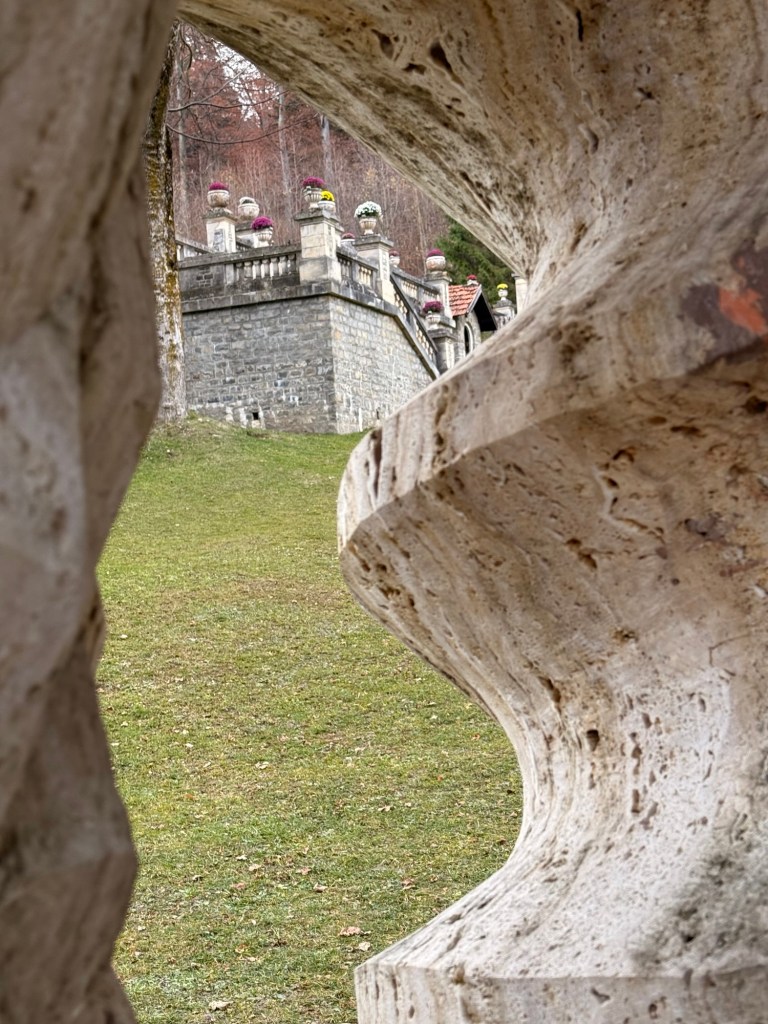
Photo by author, Bgy. Ubihan, Meycauayan City, January 2022.
How lovely are your words
today, Lord Jesus Christ,
the Word who became flesh
and dwelled among us!
Thank you very much
in sharing with us the power
of your words; in fact,
we are the only ones with whom
you have gifted with this power;
the world and everything in it
was created simply by God speaking
the words that came to exist.
Teach us, Jesus
the value of listening to you,
letting you speak first
so that like Samuel,
you may "not permit any word
we speak to be without effect"
(1 Samuel 3:19); may we truly share
in your prophetic ministry
by "enfleshing" the words we speak
by walking our talk;
likewise, heal us,
dear Jesus
of our many infirmities
and sickness due to sins
and evil that make us
speak too much
that instead of building up
others we destroy one another;
like those demons you drove out
from the sick you have cured
in today's gospel,
keep our mouths shut,
"do not permit us to speak"
(Mark 1:34)
when not necessary.
Amen.
Lord My Chef Daily Recipe for the Soul by Fr. Nicanor F. Lalog II
Tuesday, First Week in Ordinary Time, Year II, 13 January 2026
1 Samuel 1:9-20     <*{{{{><  +  ><}}}}*>     Mark 1:21-28
Photo by author, Sabbath Place, Assumption Baguio, January 2019.
“It isn’t that, my lord,” Hannah answered. “I am an unhappy woman. I have neither wine nor liquor; I was only pouring out my troubles to the Lord” (1 Samuel 1:15).
How often people misread
what is really inside us,
Lord Jesus,
especially when we pour out
our troubles to you;
and yet,
you have always been so kind
with us,
so gracious
in listening
and most of all in
granting our prayers
and desires.
Teach us, dear Jesus
to open ourselves more
to you,
to bare our souls to you
to be cleansed and refreshed
in your healing mercy
and abounding love.
Most of all,
help us to pour things out
to you, Jesus
those sins and evil
we keep inside,
those which we have buried
deep inside us that
continue to bother and
destabilize us
including the pains
and hurts in the past
that have imprisoned us
and prevent us from experiencing
your liberation and freedom,
salvation and fresh start
like that man with an unclean spirit
in today's gospel.
Amen.
Photo by author, Sabbath Place, Assumption Baguio, January 2019.
Lord My Chef Daily Recipe for the Soul by Fr. Nicanor F. Lalog II
Monday, First Week in Ordinary Time, Year II, 12 January 2026
1 Samuel 1:1-8     <*((((><  +  ><))))*>     Mark 1:14-20
Photo by author, San Juan, La Union, 09 January 2026.
After John had been arrested, Jesus came to Galilee proclaiming the Gospel of God: “This is the time of fulfillment. The Kingdom of God is at hand. Repent, and believe in the Gospel” (Mark 1:14-15).
Thank you dear Jesus
for this brand new week,
for this start of Ordinary Time
in our liturgical calendar;
how wonderful to remind us
it is the time of fulfillment,
of completion and wholeness
in you, O Lord because it is only
in you lies our fulfillment.
Teach us to open our hearts
and souls to your call, Jesus
like the brothers Peter and Andrew,
James and John,
your first disciples;
was it really that quick and easy
for them to leave everything behind
including the father of James
and John just to follow you?

Yes, dear Jesus,
like them,
we felt incredulous
and even fearful with your call,
not only last year
but even this year;
in fact, as we begin
our Ordinary Time this Monday,
the more I felt your calling
continues everyday
because without you
we shall never be complete.
Like Hannah,
our lives will never be complete
and fulfilled without having you
that may take several forms
like a child for Hannah;
many times Lord we wonder
why we cannot have what we
are specifically praying for
like Hannah who has become
a subject of ridicule by others
for being barren and childless;
but, inasmuch as your call continues
for us, then you hereby assure us too
of your continuing works in our
many deficiencies if we can only
be patient and persevering in you
in awaiting your calls.
Amen.
Photo by author, San Juan, La Union, 09 January 2026.
Lord My Chef Sunday Recipe for the Soul by Fr. Nicanor F. Lalog II
Feast of the Baptism of the Lord, Cycle A, 11 January 2026
Isaiah 42:1-4, 6-7 ><}}}}*> Acts 10:34-38 ><}}}}*> Matthew 3:13-17
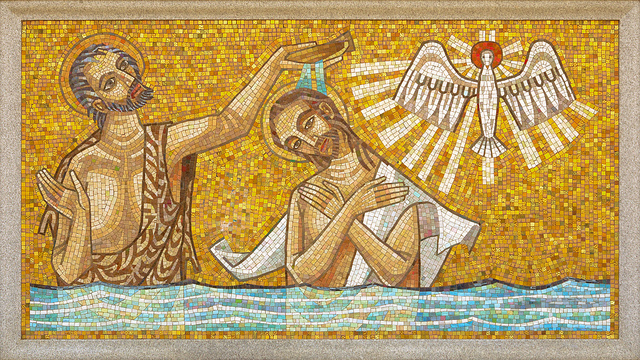
Mosaic of the Lord’s Baptism by John at the Neonian Baptistery, Ravenna, Italy; from wikimedia commons.
Still, our greeting today is a blessed Merry Christmas until the last Mass tonight when we close the Christmas Season with this Feast of the Lord’s Baptism. Tomorrow we shift into the Ordinary Time with the green motif back in our liturgy.
Most often during this time of the year, many of us make “new year’s resolutions” that always end up unfulfilled, discarded, and forgotten because these are merely based on whims or fads or anything less than a matured decision. A decision is the making up of the mind and heart to act firmly on something; hence, it connotes a sense of determination in fulfilling that decision made.
In this Feast of the Lord’s Baptism, Jesus invites us to reflect our decision-making process as we embark on another journey of twelve months in him with Matthew as our guide so we can be more matured in our faith and as a person.
Jesus came from Galilee to John at the Jordan to be baptized by him. John tried to prevent him, saying, “I need to be baptized by you, and yet you are coming to me?” Jesus said to him in reply, “Allow it now, for thus, it is fitting for us to fulfill all righteousness.” Then he allowed him (Matthew 3:13-15).
From wikimedia.org.
See the brief and direct reportage by Matthew of the event that immediately followed his story last Sunday of the Lord’s Epiphany to the world represented by the wise men from the East as we meet Jesus today all grown up, so matured as a man in his decisions.
And what do we find so remarkable in his decision-making process we can all emulate? His obedience to the Father!
All throughout his ministry, Jesus always made known to everyone that whatever he said and did were not his but the Father’s will. From his coming here at the first Christmas until his death on the Cross, it was all about Christ’s obedience to the Father. In fact, there was no need for him to be baptized by John for it was a baptism of repentance because Jesus is sinless, being the Son of God. Yet, he decided to be baptized “to fulfill all righteousness” as planned by the Father. In a similar manner, see John’s obedience too to Jesus and the Father when he could had insisted not to do it because Jesus is the Christ.
Photo by author, 2025.
Fulfillment of every aspiration and mission in this life becomes difficult when we insist on what we know or what we prefer rather than what God wills for us.
Obedience is one virtue that is vanishing in this modern age so characterized by everyone wanting to be in control of everything, of one’s life and even of others expressed in those handheld gadgets as well as cars and other vehicles. See how everyone would want to “drive” one’s own life, totally disregarding those in authority especially God.
The word obedience is from two Latin words “ob audire” that literally means “to listen attentively”.
One cannot be obedient without first learning to listen that begins with our willingness to to be silent. Jesus is obedient because he always listens to the Father through frequent and long periods of prayers. Even the Blessed Mother as we reflected last January first exemplified the virtue of obedience when she listened intently and treasured in her heart the words spoken by the shepherds who came to adore the new-born Jesus in Bethlehem.
It would be nice this 2026 that we start cultivating a prayer life by embracing silence to listen attentively to God’s plans for us so that we could make the right decisions in life.
The opposite of “ob audire” in Latin is “absurdus” – exactly what we are when we make the wrong decisions and become absurd.
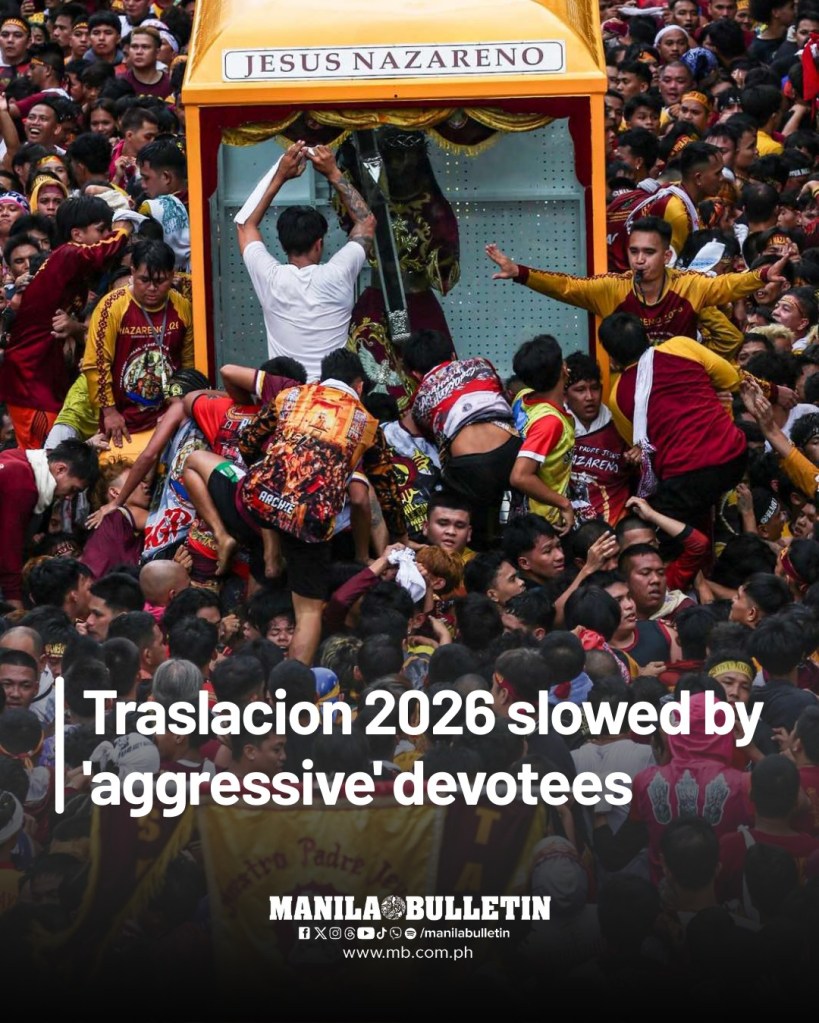
And sorry, that’s how we can describe this year’s Traslacion – absurd. In fact, every year, it becomes more absurd than ever and something drastic even radical has to be done in the real sense of the word, that is, by going back to its very roots.
When the devotees refused to obey the priests to stop at the San Sebastian Church and insisted on bringing the Poon Nazareno to Quiapo regardless of its many safety and practical implications, it was a clear case of misplaced devotion. It is fanaticism. Selfish and un-Christian. Despite the many defenses and theologizing by many, it is about time Nazareno devotees examine themselves about this devotion, of their panata that admittedly have been so baffling that if our faith in God is such intense, why are we still electing corrupt and evil officials?
Obedience is always a virtue because everything that is good follows when we are obedient, like being more loving at its truest sense. Whenever we decide out of obedience to God and parents and superiors, it is most often because of love.
Photo by Ryan Jacob, Paco, Obando, Bulacan, 2023.
This is the second characteristic of Jesus Christ’s decision-making process that is based on his love for the Father expressed in his love for us.
Again, there was no need for Jesus Christ to be baptized by John in the river Jordan because he is sinless but, he chose to be baptized there as a sign of his solidarity, of his oneness with us sinners and weak people. It was all because of love.
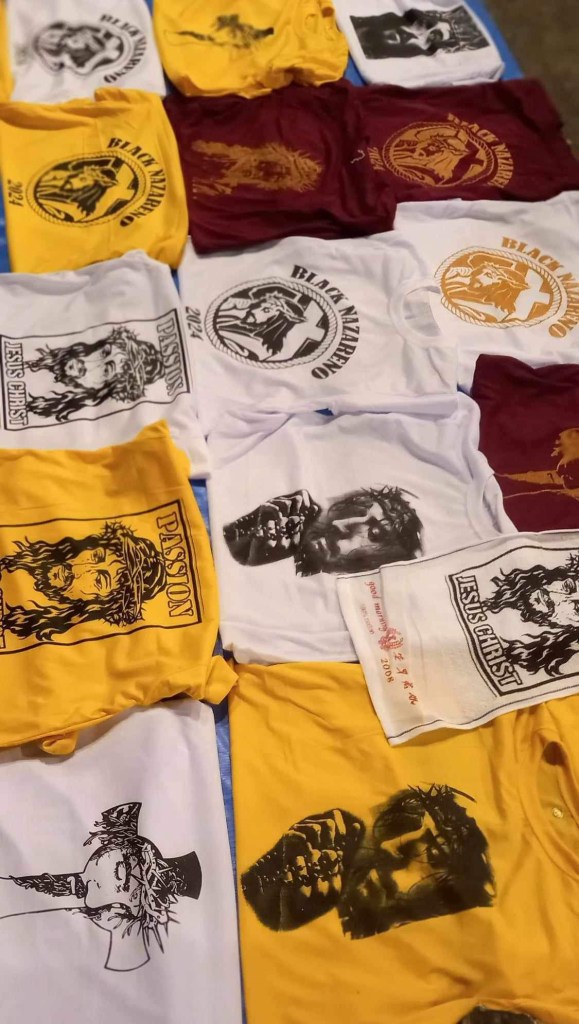
Jesus chose to be baptized even there was no need because he loves us and wants to be one with us. Jesus chose to die on the Cross, as depicted in the Black Nazarene of Quiapo, because he loves us and wants to carry our burdens. Jesus chose to be eaten as bread in the Holy Mass all because he loves us too so that we may have eternal life.
When Jesus went down to Jordan river, out of obedience and most of all out of love for all of us, he became one with us in our pains and hurts and sickness and failures and even sins which St. Peter realized personally that he declared after Pentecost that “God shows no partiality” (Acts 10:34) that we are all loved by God and are called to be obedient to him always by loving one another as he loves us. That is our mission, to love and be like Jesus Christ, the “Suffering Servant” who was “sent to bring forth justice… to open the eyes of the blind, to bring out prisoners from confinement, and from the dungeon, those who live in darkness” (Is.42:1,6-7).
Photo by Mr. Boy Cabrido, January 2024.
In going down into the dirty waters of Jordan River that signifies this earth, this life, Jesus showed us his mission of redeeming us so that we can become like him, God’s beloved child with whom he is well pleased. Every morning when we wake up, this scene at Jordan happens anew. The choice is ours to make by being like Jesus Christ who throughout his earthly life was a total obedience and yes to God because of love.
Last week I went to Baguio to facilitate a retreat with some of my kababata or teenage friends from my hometown of Bocaue. Being the youngest among them at 60 years old, I reflected about our senior years. Two things I shared with them:
First, as senior citizens, let us stop thinking of getting old because we are already old. Stop saying pagtanda ko… matanda na nga tayo. Let us face the reality we are old and find most especially the grace of God of reaching this stage. Being senior is to look with gratitude to our youth and to our past as we look forward to finding and meeting God who continues to call us to him.
Second, I told them to stop saying or thinking about our coming death because we are already dying. Huwag na nating isipin yung “kapag namatay tayo” kasi namamatay na nga tayo. Being senior is doing away with all those bucket lists, of things to do or places to visit before we die. We are already dying; hence, do whatever you can do now!
Perhaps the same propositions are applicable to anyone of any age. What matters is how much we love God and others expressed in our obedience to them like Jesus Christ. Let us keep following Jesus in the next twelve months of this 2026 to be filled with himself. Amen. Have a blessed week ahead.
Lord My Chef Sunday Recipe for the Soul by Fr. Nicanor F. Lalog II
Solemnity of the Epiphany of the Lord, 04 January 2026
Isaiah 60:1-6 ><}}}}*> Ephesians 3:2-3, 5-6 ><}}}}*> Matthew 2:1-12
After the Nativity of the Lord and the Solemnity of Mary, Mother of God, comes now the third major celebration of Christmas Season, the Epiphany of the Lord we celebrate this Sunday. It is still the Christmas Season, so, continue greeting one another with Merry Christmas!
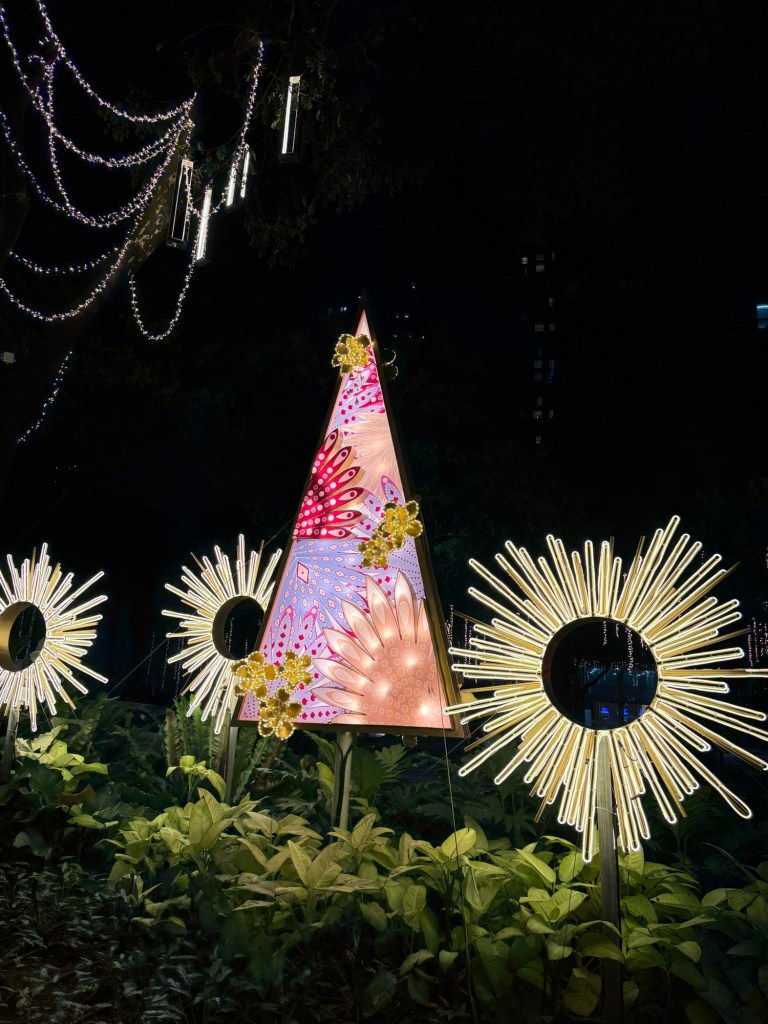
Had the rare opportunity of spending the past week after Christmas with my two nieces and only nephew in a staycation in Makati. I requested them to bring me to the Mind Museum inasmuch as I wanted to stroll at the BGC too after 20 years since I last hanged out there!
And that was when I realized the irony of our Christmas celebrations when we unconsciously leave Christ behind because the harder we try to be “in” Jesus from our Simbang Gabi to our shopping and noche buena, the more we actually push Jesus “out” as we think more of ourselves than of Him and others. This is most sadly true at how so many benighted Catholics imitate the westerners led by these giant malls in removing Jesus from Christmas in their more “inclusive” greeting of “Happy Holidays” instead of the Merry Christmas.
Photo by author, Ayala Triangle, 28 December 2025.
The more we celebrate Christmas, the more we think of our selves as we are so concerned with everything new and beautiful like our clothes and gifts, forgetting the poor and marginalized as well as the sinful and outcasts for whom Jesus actually came for. Of course, Jesus comes and dwells in our hearts but let us not forget that Christmas is not being “in” but being “out” in Him by thinking less of ourselves, more of Him and of His love and mercy.
Christmas is getting out of our comfort zones inside our old, usual self to meet Jesus outside the box so to speak.
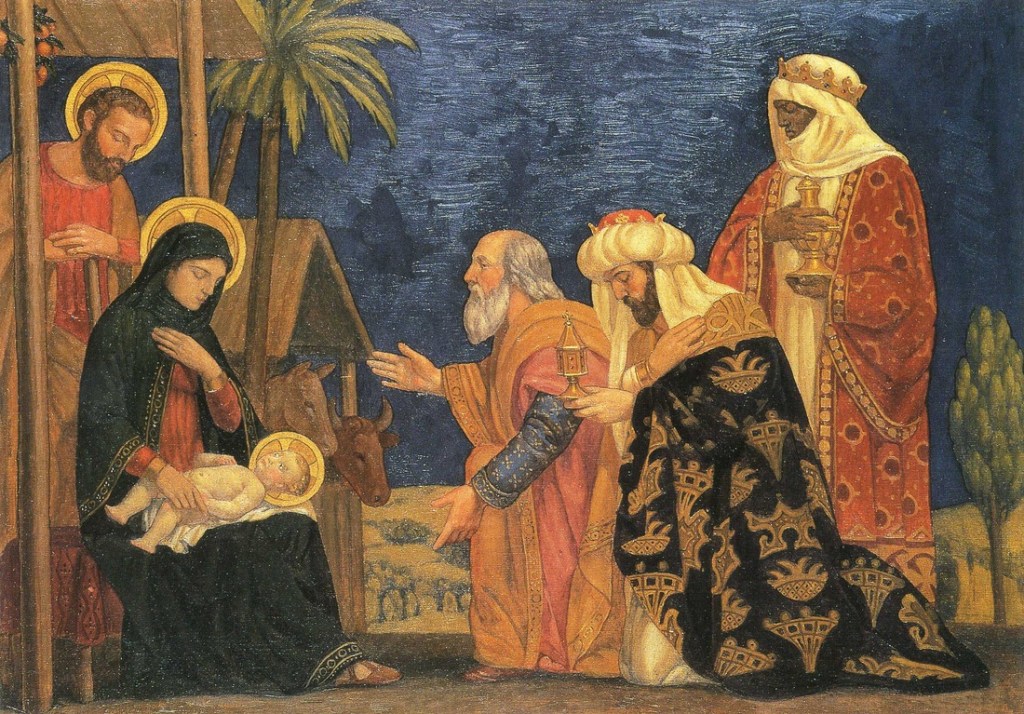
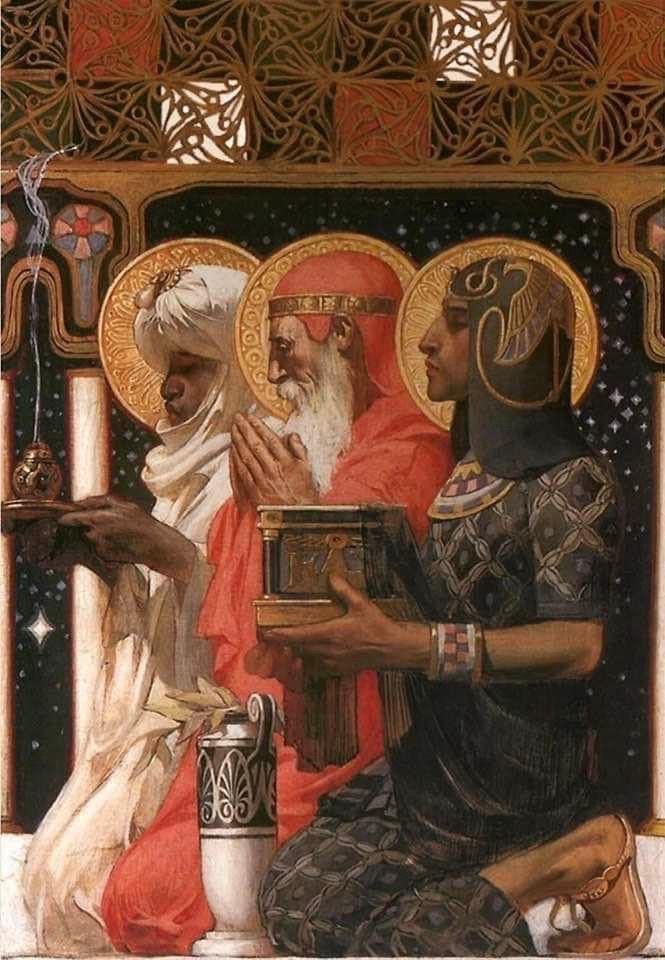
And that is also the meaning of our celebration today, the Epiphany or Manifestation of the Lord to the Nations of the world represented by the magi. For us to find Jesus who manifests Himself in so many ways daily, we need to get out of ourselves like the magi and avoid being locked inside and held captive by our fears like King Herod and the people of Jerusalem.
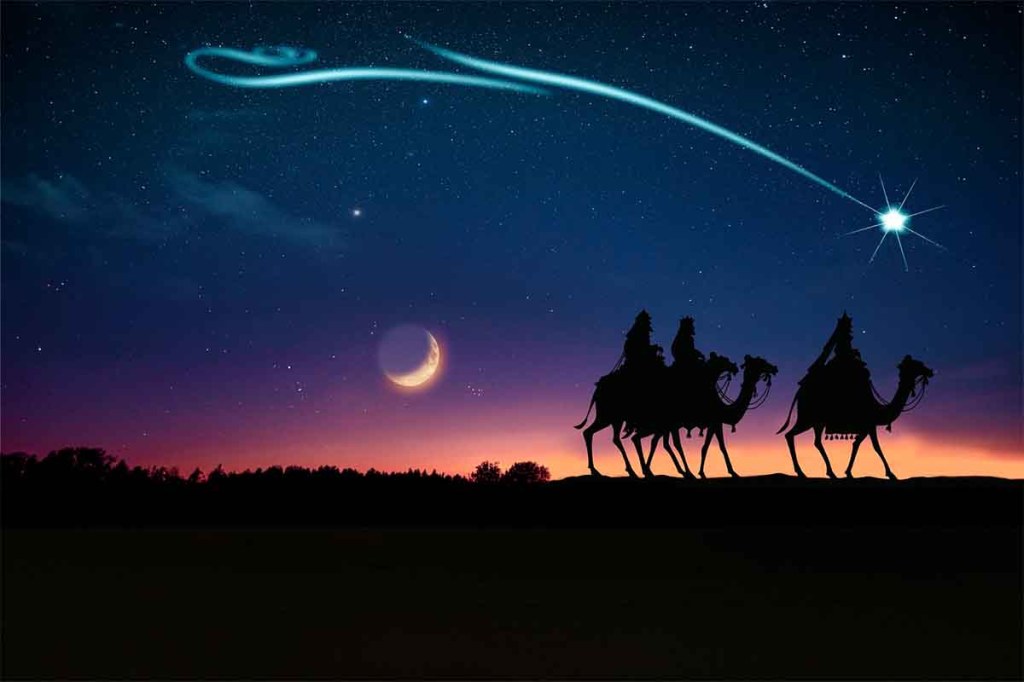
When Jesus was born in Bethlehem of Judea, in the days of King Herod, behold, magi from the east arrived in Jerusalem, saying, “Where is the newborn king of the Jews? We saw his star at its rising and have come to do him homage.” When King Herod heard this, he was greatly troubled, and all Jerusalem with him (Matthew 2:1-3).
It was totally odd that when the magi inquired about “the newborn king of the Jews”, Herod and the people in Jerusalem were troubled instead of at least checking on their statements like looking up to see if there was indeed that star leading them, or ask for clarification about what kind or who was the king they were talking about. Instead of being troubled, the strongest feeling one could have would be perplexed or baffled, with the familiar reactions of “what?” or “duh…” or “huh” or as we would always say, “ha, ano daw iyon?”
This is what we mean of Christmas more as being “out” than “in”: instead of going out to check on the inquiry by the magi, to look up the sky to see for themselves about the star, Herod and the people of Jerusalem went inside themselves and got locked in their positions!
They were troubled because they felt the status quo would be altered that could throw them off their comfort zones. And the biggest irony is that they who have the answers in the scriptures remained locked inside their own selfish worlds, refusing to get out and meet the newborn king!
How often does it happen with us especially in our parish, in our Church, in our families that we are so stuck into our old beliefs even traditions that we refuse to go out and meet Jesus Christ Who have come into the world more than 2000 years ago to set us free from all forms of slavery caused by sins? Herod and the rest of Jerusalem were troubled simply because they were not interested with Jesus Christ which tragically continues to happen these days on many occasions in our lives when we do not really search for the Lord as we are more intent in pursuing our own stars of fame and glory.
Epiphany in Greek means manifestation, appearance and revelation. On Christmas day, we celebrated the birth of Jesus Christ while Epiphany today is telling us the identity and mission of the Lord, that is, He is the Son of God, the Messiah or “Anointed One” (Christos in Greek) who had come to set all people free from sins.
Jesus fulfilled the longings of the people since the Old Testament time as heralded by Isaiah’s prophecy in the first reading which St. Paul beautifully explains in the second reading in his concept of “the mystery made known by God to him.” Mystery in this sense is not something hidden but revealed so that in Christ Jesus, the mystery of God, His plan for us is revealed or made known for everyone not only the Jews but for all peoples of the world represented by the magi.
Yesterday, GMANews reporter Joseph Morong posted an experience at a burger stand when he told the server to “keep the change” of ₱50.00. According to Mr. Morong, the server refused to accept his gift because the amount was so big. That’s when the reporter commented “may mali sa ating mga Filipino”: yung nasa burger stand hiyang-hiyang tanggapin yung tip na ₱50 habang yung mga corrupt sa gobyerno at congress, di masiyahan sa ₱50-M at ₱50-B!”
So true! Many of us keep on looking inward, of what is for us that we forget Jesus found among the poor and marginalized. Today’s celebration of the Epiphany is reminding us how Jesus Christ continues to reveal and manifest Himself to us today outside in our daily lives to lead us back to the Father.
Are we willing to be like the magi who dared to leave everything behind, unmindful of the long and perilous journey to make in order to meet Jesus Christ?
In meeting the Lord like the magi, are we willing to give up everything we have especially the most precious ones and offer these to Him?
Most of all, upon finding God, are we willing to go back home by “another way” like the magi as instructed in a dream never to return to Herod?
The Lord continues to manifest Himself to us in so many ways every day, often in the simplest occasions and things. May we have the courage to meet Jesus Christ so that we may see the light and beauty of this New Year He has for us. Amen. May your new year be filled with Jesus Christ’s peace and grace!
Lord My Chef Daily Recipe for the Soul by Fr. Nicanor F. Lalog II
Friday, Memorial of Sts. Basil the Great & Gregory Nazianzen,
Bishops and Doctors of the Church, 02 January 2026
1 John 2:22-28     ><))))*> + ><))))*> + ><))))*>     John 1:19-28
Photo by author, Hagia Sophia, Istanbul, Turkiye, 01 November 2025.
Lord Jesus,
today I feel like John
being asked by priests
and Levites sent by Jews
from Jerusalem:
"Who are you?"

What a great question
we all have to confront
at the start of the new year
because unless we truly know
and accept who we are,
we can never give the right
answer in making you known,
Jesus; many times,
we fail to make you known
not because you are difficult to
know but simply because we do not
know who we are unlike John;
we cannot give a definitive answer
"I am not the Christ"
because even if we do not
claim it verbally, unconsciously
we pretend as the Christ;
many times, Lord
you are not known
not because you are so far
but because our lives are so far
from you that people could not
believe what we say about you;
most often, you are not known
Jesus not because your teachings
are hard and difficult but because
we ourselves are lost and could not
find the way into our true selves
to be the voice of one in the desert
like John crying out,
"Make straight the path
of the Lord."
At the start of this new year,
dear Jesus,
help me to be like John
or St. Basil or St. Gregory
who knew themselves very well,
embracing everything about me
especially my sins and weaknesses
so that like John,
I can declare "I am not the Christ"
and therefore, stop from pretending
or acting or speaking as the Messiah;
let me embrace the limitations I have,
the darkness and emptiness
within me so that
I may remain in you
and your grace only.
Amen.
Photo by author, detail of John the Baptist from the Deesis Mosaic in the hagia Sophia in Istanbul, Turkiye, 01 November 2025.
Lord My Chef Daily Recipe for the Soul by Fr. Nicanor F. Lalog II
Thursday, Solemnity of Mary, Mother of God, 01 January 2026
Numbers 6:22-27 ><}}}}*> Galatians 4:4-7 ><}}}}*> Luke 2:16-21
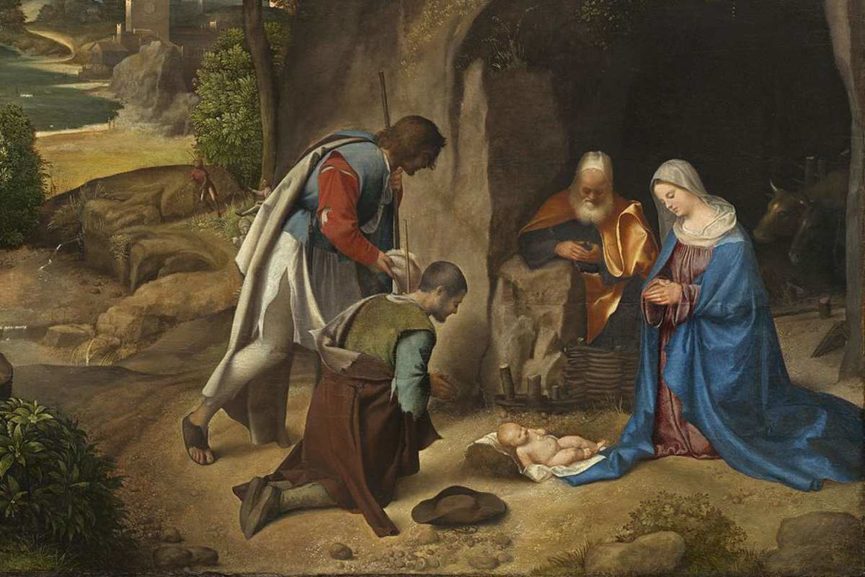
“The Adoration of the Shepherds”, a painting of the Nativity scene by Italian artist Giorgione before his death at a very young age of 30 in 1510.
Still a blessed Merry Christmas to everyone! Please continue greeting one another with a Merry Christmas until January 11, 2026, the Feast of the Lord’s Baptism that closes the Christmas Season.
Keep greeting Merry Christmas even on this new year’s day because what we celebrate today is the Solemnity of Mary, Mother of God – not the New Year! Remember we had our new year last first Sunday of Advent, evening of November 29 and the 30th.
Stop announcing our New Year’s Mass. Our Mass today is Solemnity of Mary, Mother of God which is the Eighth Day within the Octave of Christmas.
It is the oldest feast of the Blessed Virgin Mary that celebrates the mystery of her being the Mother of Jesus Christ who is true God and true Man following the Council of Ephesus in 431 AD. Since Jesus remained fully God and fully human in his conception by the Blessed Virgin Mary, it is right and proper too as the Council affirmed to call Mary the “Mother of God” (Theotokos). Since the birth of Christ is also our point reference in reckoning time that we have the terms “BC” (Before Christ) and “AD” (Anno Domini or Year of the Lord), this celebration teaches a lot on how to welcome this 2026 like Mary.
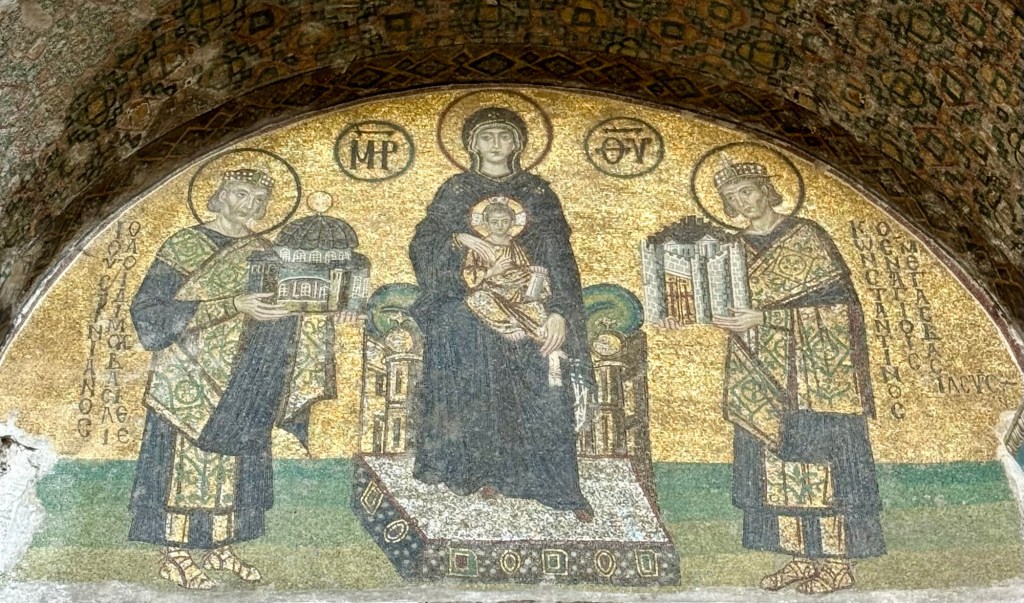
Photo by author, mosaic of Mary with Jesus, Hagia Sophia, Istanbul, Turkiye, 01 November 2025.
First lesson the Blessed Virgin Mary teaches us this new year in Christ is what we have mentioned last Christmas – if there is anything that merits haste, it is those of things of God. How sad that these days we are so preoccupied with what is trending and viral or we race for what is “in” in fashion and everything. In an age of instants, we rush everything that we miss out life itself, God and one another, especially our very selves.
The shepherds went in haste to Bethlehem and found Mary and Joseph, and the infant lying in the manger. When they saw this, they made known the message that had been told them about this child (Luke 2:16-17).
Mary went in haste too for the Lord. Recall her response to the Angel at the Annunciation, “Be it done unto me according to your word.” Her response was immediate. She did not dare the Angel like Zechariah. After the Annunciation, Mary went in haste to visit her cousin Elizabeth pregnant with John the Baptist.
Photo by author, December 2020.
It is true that “haste makes waste” because doing things too quickly leads to mistakes that result in greater losses in time, effort, and materials. The great St. Francis Sales cautioned us that haste is the biggest enemy of growth in spirituality.
However, during the Christmas season, we find that haste is not that totally bad at all.
As shown to us both by Mary and the shepherds, there is something so good with making haste to find Christ, to share Christ, to be with Christ.
We have a prayer formula now rarely used in public prayers wherein the leader says “O God come to my assistance” with the people responding, “O Lord make haste to help me” while making the sign of the Cross like in the praying of the Rosary. It is a beautiful prayer that tells us how God would always hasten to come to us even before we have called Him!
How sad that we rush to everything and everyone except to Jesus our Lord and God! More sad is the fact so many people have been in making haste to these days for the more mundane things without even spending some quality time in the church to pray.
This 2026, let us go in haste in the Lord for He has so many things in store for us as the shepherds and Elizabeth realized.
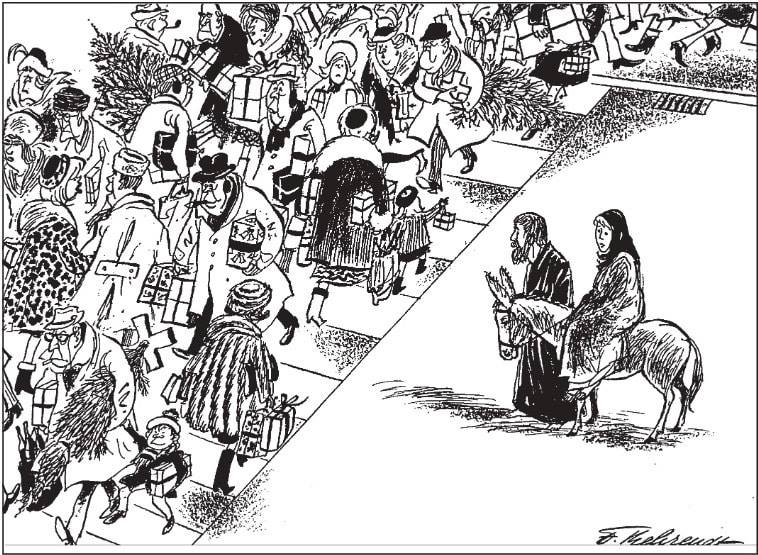
From forwarded cartoon at Facebook, December 2020.
Second important lesson the Blessed Mother is teaching us in welcoming Jesus Christ this new year is the value of silence which is a prerequisite in cultivating a prayer life, in making haste to God.
Though I grew up from the very barrio that manufactures most of the pyrotechnics sold in my hometown of Bocaue in Bulacan dubbed as the fireworks capital of the Philippines, I never liked these popular products every new year. Aside from being so dirty, these are so dangerous as I have seen many of our neighbors who have lost their arms, hands or fingers in manufacturing and playing with fireworks. Worst of all are the many lives of people lost following explosions of some factories in our barrio.
When I became a priest, I kept telling people including my barrio folks that welcoming the new year with fireworks is pagan practice, not Christian. And the most Christian way of welcoming new year like Mother Mary is always in silence, silent prayer like before the Blessed Sacrament.
Photo by Ar. Philip Santiago, Chapel at the Angels’ Field in Bethlehem, October 2025.
All who heard it were amazed by what had been told them by the shepherds. And Mary kept all these things, reflecting on them in her heart (Luke 2:18-19).
It is very interesting that Luke had told us how people were amazed at what the shepherds spoke about that night on the birth of Jesus Christ they have found on a manger with his Mother Mary and her husband Joseph. Keep in mind that the shepherds were among the least trusted people of that time but their story went “viral” and “trending” so to speak. Amid all these talks was Mary, the Mother of Jesus, silently meditating everything in her heart!
Tonight or today, try to spend some silent moments of prayer before the Blessed Sacrament to thank God for all the blessings of 2025 as well as to listen to Christ’s instructions and plans for us this 2026. Jesus has always something to tell us but we always go in haste somewhere else or to somebody else. Jesus is right there in our hearts, the faintest voice you always dismiss and take for granted.
Let us cultivate a prayer life like Mary who always kept in her heart the words and experiences she had with Jesus. Let us not be like the shepherds who were there only at Christmas, never came back to Jesus specially when he was preaching in Galilee and when crucified on Good Friday wherein his constant companion in silence was Mary his Mother.
Photo by Ar. Philip Santiago, Basilica of the Annunciation, Nazareth, October 2025.
Third important lesson the Blessed Mother Mary is teaching us this first day of 2026 is to have faith in God in Jesus Christ His Son our Savior. Therefore, please stop all those superstitious beliefs of pampasuwerte like feng shui and fortune telling that are pagan practices.
When eight days were completed for his circumcision, he was named Jesus, the name given him by the angel before he was conceived in the womb (Luke 2:21).
Mary was very much like us when Mary gave birth to Jesus on that first Christmas: she too was totally unaware of what was in store for her, of what would happen to her Son. She was totally unaware of what would happen in the future. The only thing she was certain was the name to be given to her child, “Jesus” which means “God is my Savior”.
All blessings come only from God, not from any other spirits. We drive all the malas and bad spirits and negative vibes of the past year not with noises and blasts of trumpets or fireworks but with silence that is rooted in deep faith in Christ Jesus.
Such was the attitude of Mary on that first Christmas until her glorious Assumption into heaven: she never knew Jesus would be betrayed by one of his trusted friends and apostles; she was never told by the angel how after Jesus would feed and heal so many people He would later be arrested and crucified like a criminal except that she believed in Him until the end, remaining with Christ at the foot of the Cross.
All Mary had was a deep faith in Jesus as told her by the angel as the name to be given to her child is also the child of the Most High. Like Mary, let us keep our faith in Christ alone, not to round fruits nor stones nor other stuffs peddled to us to bring luck this new year.
Let us imitate Mary, the Mother of God, so human like us except in sin who was always in haste with things of God, silently meditating his words and workings, and most of all, trusting wholly in her Son Jesus. Amen. May your new year be filled with Christ’s peace and grace!
Photo by Ar. Philip Santiago, Basilica of the Annunciation, Nazareth, October 2025.
Lord My Chef Sunday Recipe for the Soul by Fr. Nicanor F. Lalog II
Feast of the Holy Family of Jesus, Mary & Joseph, Cycle A, 28 December 2025
Sirach 3:2-6, 12-14 ><}}}}*> Colossians 3:12-21 ><}}}}*> Matthew 2:13-15, 19-23
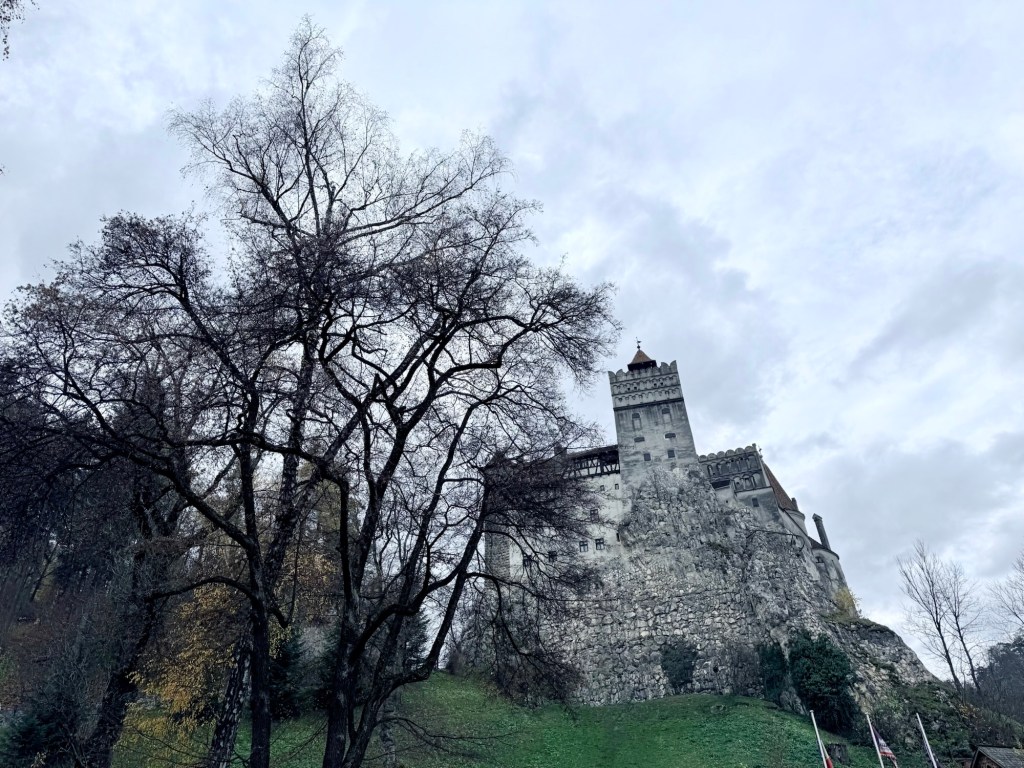
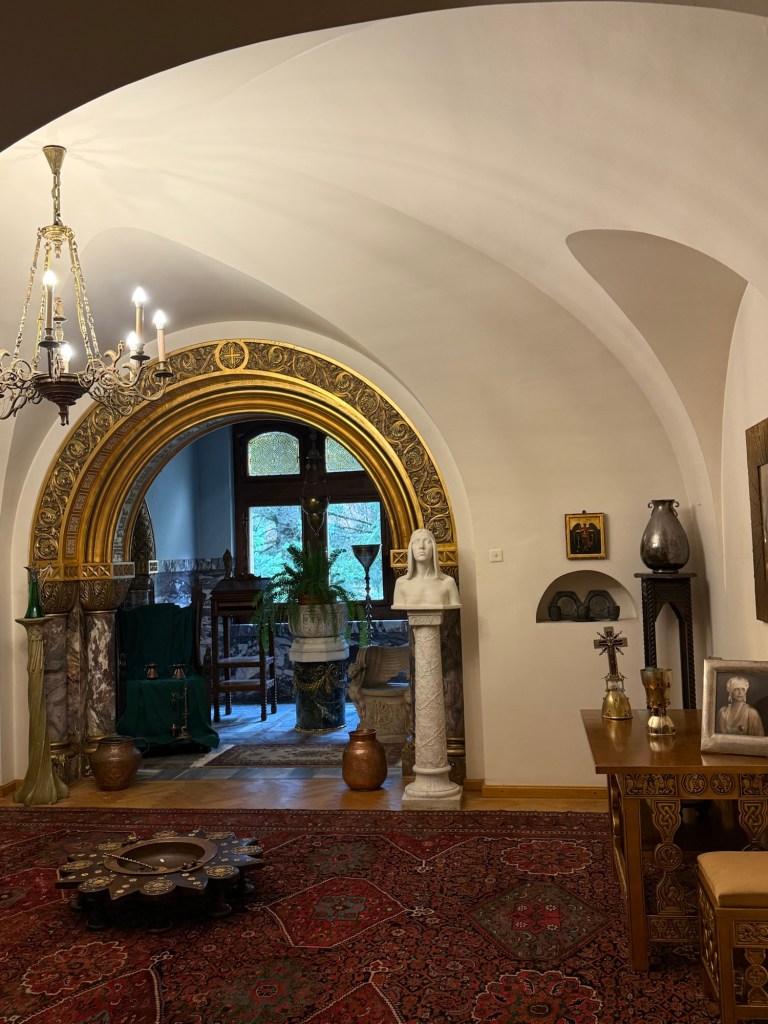
Last November we were blessed to have visited Romania’s three famed castles at Transylvania region: the Bran Castle considered as the home of Count Dracula in Bram Stoker’s stories; the Cantacuzino Castle owned by one of Romania’s wealthiest family which is the setting of Netflix’s Wednesday series; and the Pelisor Castle which is the smallest but loveliest for me due to its romantic story behind.
I remembered these Romanian castles because of our gospel today about two kings: one is a ruthless, old king named Herod so “greatly troubled” upon hearing the news of the “newborn king of the Jews”, our Lord Jesus Christ (Mt.2:2, 3).
Very often when we hear of kings and royalties living in castles, so many images of affluence and power come into our minds. And indeed they are so true when we went inside those castles with its wonderful interiors and amazing artworks; however, as we learned more of its history especially of the lives of its occupants, our wonder and excitement dissipated. It was really more like a fairy-tale, or a horror story in the case of Bran Castle.
Photo by author, Cantacuzino Castle, Romania, 06 November 2025.
It must have been so lonely and sad living in those palaces; however, let us admit how often the presence and reality of Jesus whom we take for granted like when he was born in Bethlehem more than 2000 years ago invite us into those parts of our lives where we like to rule like kings or queens.
I find this important and even essential before reflecting about the Feast of the Holy Family because it is right in our homes – ironically or tragically – where we are first exposed to evil and sins. It is inside our homes when the father or mother or siblings take on their “power trips”, insisting on their rules, even flexing their powers over each other that in the process we hurt each other. Sometimes, the trauma that comes after may last a lifetime.
Would we rather choose a kingdom or a home? Be a Herod or a Baby Jesus?
Of course, our answers are so obvious as we would generally choose a home than a kingdom and be a Baby Jesus than a Herod. This we can do by imitating St. Joseph.
When the magi had departed, behold, the angel of the Lord appeared to Joseph in a dream and said, “Rise, take the child and his mother, flee to Egypt, and stay there until I tell yo. Herod is going to search for the child and destory him.” Joseph rose and took the child and his mother by night and departed to Egypt… When Herod had died, behold, the angel of the Lord appeared in a dream to Joseph in Egypt and said, “Rise, take the child and his mother and go to the land of Israel, for those who sought the child’s life are dead.” He rose, took the child and his mother, and went to the land of Israel. But when he heard that Archelaus was ruling over Judea in place of his father Herod, he was afraid to go back there… He went and dwelt in a town called Nazareth, so that what had been spoken through the prophets might be fulfilled, He shall be called a Nazorean (Matthew 2:1314, 19-22, 23).
Photo by author, site of the Nazareth home of the Holy Family underneath the Church of St. Joseph in Nazareth, Israel, 2017.
Remember how Matthew described St. Joseph as a righteous man? Here after the birth of Jesus Christ, we find Joseph’s holiness most shining. See how before this scene, Matthew described to us the attitudes of Herod and the experts in Jerusalem vis-a-vis the Magis from the East: Herod and company were all disturbed while the Magis were all sincere and so open in their search for the Christ.
That’s what we were saying earlier: of how we play so much on our turf and power, on how we want to make our “rule” as sovereignty felt always right in our home, in Jerusalem that was then the seat of power and of worship. Very clear at that time, the temple was already so untidy that needed Christ’s cleansing thirty years later.
When sin especially pride fills us, it is difficult to recognize Jesus. Moreover, even the smallest and harmless or weakest person like a child or a woman would always disturb anyone filled with one’s self, feel threatened like Herod that one’s rule is being taken away. How sad when a father or a husband, a mother or a wife including the eldest children would dare challenge everyone at home, asking who is the father or who is the one supposed to be in command? Sino ba and tatay (o nanay) dito na dapat masunod? It is the most scariest tactic of all not because of what the power trippers can do but actually it was a proof enough they are immatured and lacking of proper understanding about power and authority.
Photo by author, March 2024.
Joseph was clearly not of the same kind. He readily left his home and moved the Infant Jesus and Mary to Egypt. Remember that Bethlehem as the town of David is Joseph’s turf so to speak being from royal Davidic lineage himself. It must have been so difficult for him to leave Bethlehem and be a refugee in Egypt!
But Joseph had none of those airs of rule and superiority. For him, the only rule was God and that meant always the good of Jesus and Mary. That is why Joseph twice “rose” to obey the angel’s instructions to him to take the Infant Jesus and Mother Mary to Egypt and then back to Israel after some time.
Joseph’s rising was actually an act of bowing low to the power and authority of God, most of all to the Son of God he had named as “Jesus”.
Can we imitate Joseph’s “rising” from our selfishness and ordinariness of petty quarrels and assertions of power or “rule” especially in our homes? To imitate the Holy Family, we need to be like Joseph who rose not just literally from his sleep and comfort but rose above his very self. Jesus is inviting us this Sunday to rise too above our pride and self-centeredness to give way to his love and mercy, kindness and understanding for each other so that everyone remains safe and unharmed like the Infant Jesus and Mary following Joseph’s selflessness.
Photo by author, St. Joseph Parish Church, Pacdal, Baguio City, 28 December 2024.
Home is where the heart is. This is most true when we get into the origin of the Filipino equivalent of home which is tahanan which is from the root word tahan that means to stop crying. When children cry, we tell them to tahan na, tahan na… or stop crying.
Home is where we stop crying because that is where we are most safe, that is where we find the people who love us, believe in us, the one who would still accept us and forgive us when we have sinned. Home is our safest place because that is where there are people willing rise above their selfishness, to rise above their painful memories, and rise to let go of their comforts for others in distress and more difficult plight and situation in life.
Jesus, Mary and Joseph all rose from their very selves for each other to be safe. Most of all, they rose above themselves because they love so much for each other, a reflection of their great love for God the Father. Amen. May your family be blessed!
Lord My Chef Christmas Eve Recipe, 24 December 2025
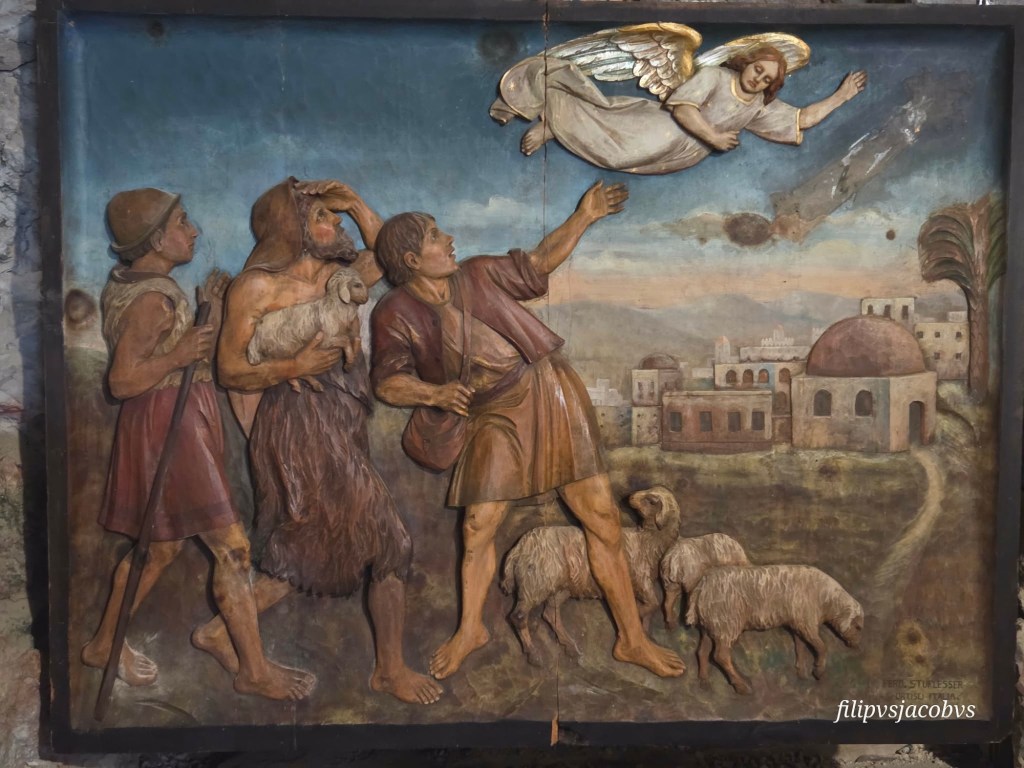
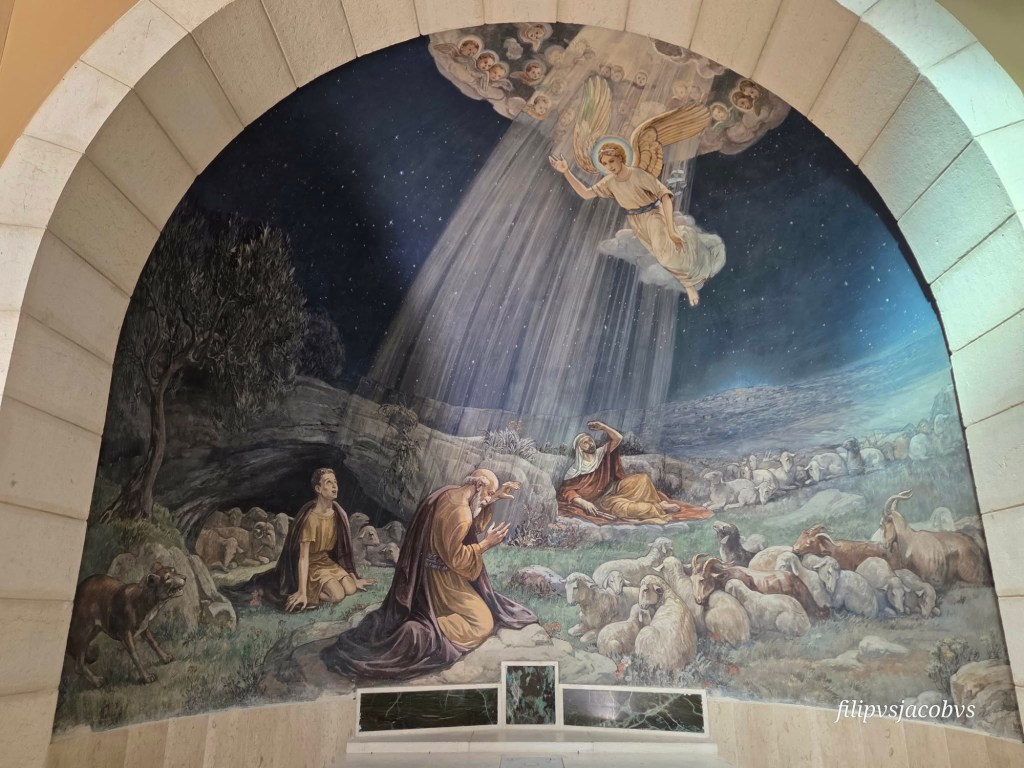
Photo by Ar. Philip Santiago, a mural of angels announcing the birth of Jesus Christ to shepherds in the field, Angels’ Field Chapel in Bethlehem, October 2025.
A blessed Merry Christmas, friends ad relatives, especially our followers. In our Monday’s Simbang Gabi when Mary sang her Magnificat during her Visitation of Elizabeth, we reflected how songs not only express our innermost thoughts and feelings but reveal our very person, too.
Allow me this Christmas to share with you a song I have recently heard to reflect on the meaning of Jesus Christ’s birth. The song is called “My Lord Has Come” written in 2010 by Will Todd, a renowned contemporary British composer and pianist who blends melodic classical compositions with jazz elements. Check YouTube to feel its moving music but for now, experience the sense of wonder in its inspiring lyrics.
Shepherds, called by angels,
called by love and angels:
No place for them but a stable.
My Lord has come.

Sages, searching for stars,
searching for love in heaven;
No place for them but a stable.
My Lord has come.

His love will hold me,
his love will cherish me,
love will cradle me.
Lead me, lead me to see him,
sages and shepherds and angels;
No place for me but a stable.
My Lord has come.
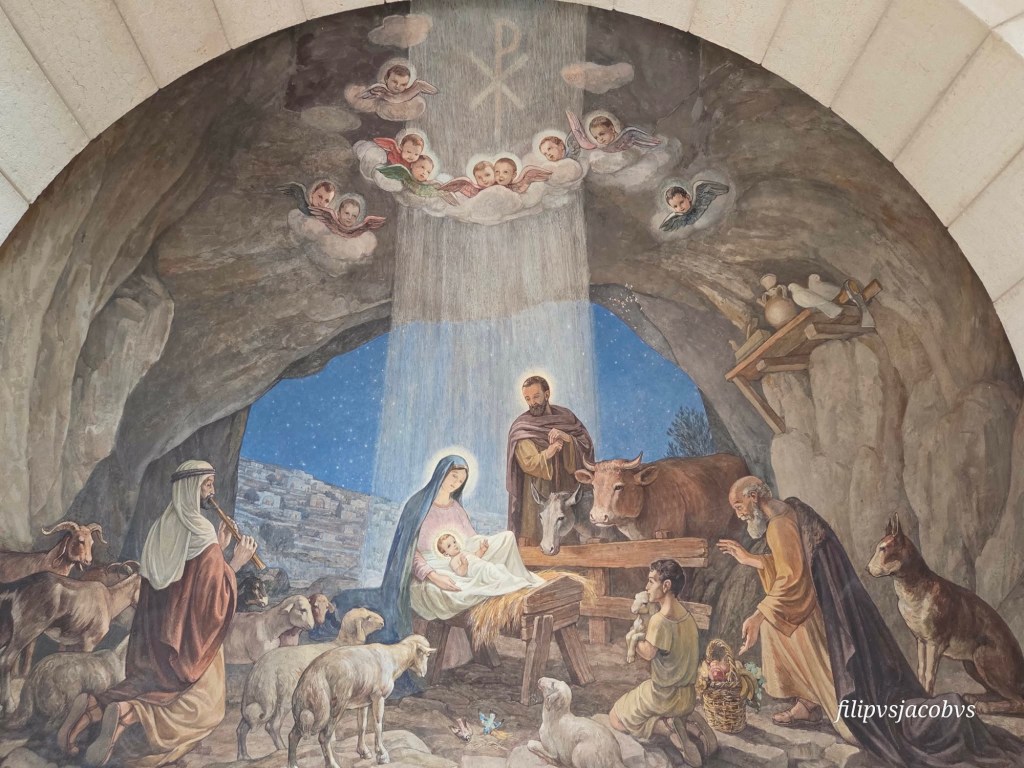
Photo by Ar. Philip Santiago, a mural of shepherds as first visitors to the newborn King of kings, Angels’ Field Chapel in Bethlehem, October 2025.
I learned and heard this song last week while researching for materials this Christmas. And the word “stable” struck me.
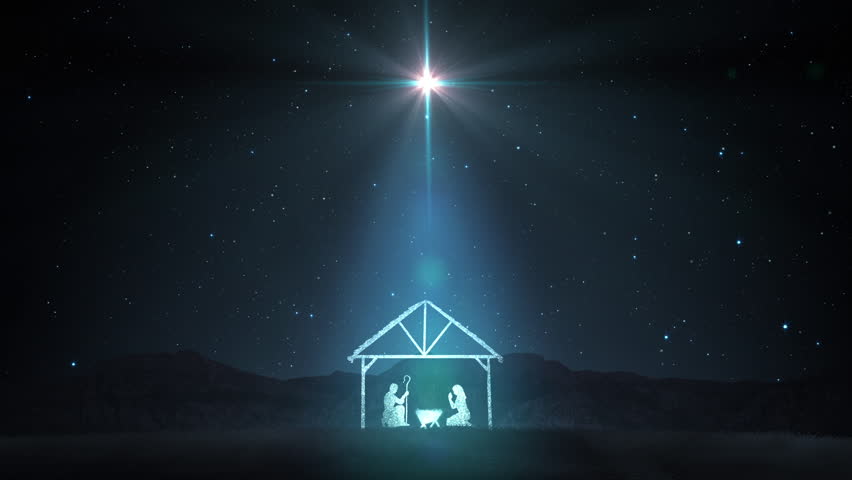
See its varied meanings. First, “stable” means firm and sturdy, unshakeable like a stable table, stable ground, and stable truth or opinion. But during this period, we know a “stable” also refers to the Nativity scene or creche which we Filipinos call as a Belen that is actually a translation of the Lord’s birthplace of Bethlehem.
In those days a decree went out from Caesar Augustus that the whole world should be enrolled. This was the first enrollment, when Quirinius was governor of Syria. So all went to be enrolled, each to his own town. And Joseph too went up from Galilee from the town of Nazareth to Judea, to the city of David that is called Bethlehem, because he was of the house and family of David, to be enrolled with Mary, his betrothed, who was with child. While they were there, the time came for her to have her child, and she gave birth to her firstborn son. She wrapped him in a manger, because there was no room for them in the inn(Luke 2:1-7).
How lovely that God manifested to us in the most humble way, being born on a manger, at a stable for animals!
And see now why Christmas is the greatest exchange gift of all time when God became human like us born in a stable so that we too may become divine like Him.
But, it is no easy exchange gift we often do in our Christmas parties when we just have to buy gifts that fall within the range of prices we have agreed upon. Jesus Christ the Son of God came not for any price that can be bought and paid by humans for He came with His whole life and being.
Picture the Christmas stable, of how the eternal entered the temporal, the infinite and perfect became flesh and bones and blood among us, so intimate with life and all the mess and chaos of living including death itself. He was born because He loves each one of us immensely.
And listen now to Will Todd telling us, “The Lord has come in a stable… anyone searching for Him – whether angels or shepherds or sages like the Magis, there’s no place except the stable.
Even for me and for us searching for stability in life, meaning in life, direction in life that can be found only in the stable where the Lord has come. How lovely!
In the silence of the darkest night of the year, amid the loud claims of everyone being the greatest and most powerful, the best and brightest, unknown to them the only true great and mighty one is in the stable.
In the gospel we heard too how the shepherds went in haste to visit the newborn Messiah in the stable, rejoicing afterwards at the great sight and good news they have found.
But, how about us today? How sad nobody cares at all to go to the Holy Mass which is actually the modern Christmas stable of Bethlehem which means “house of bread”. Jesus is the Bread of life as He preached later in life in the Gospel of John. On the eve of His death at the Last Supper, Jesus gave Himself as the Bread broken and shared for all lifetime to lead us to eternity.
How sad that we search for life’s meaning and sense in the most unstable of all instances like science and technology, new thoughts and ideas that overextend our rights without any regard for responsibilities and true freedom. If there is anything that merits haste these days, it is the things of God like the Mass and prayers and Sacred Scriptures. Not social media and all those viral and trending reels of our follies and stupidities we love to follow.
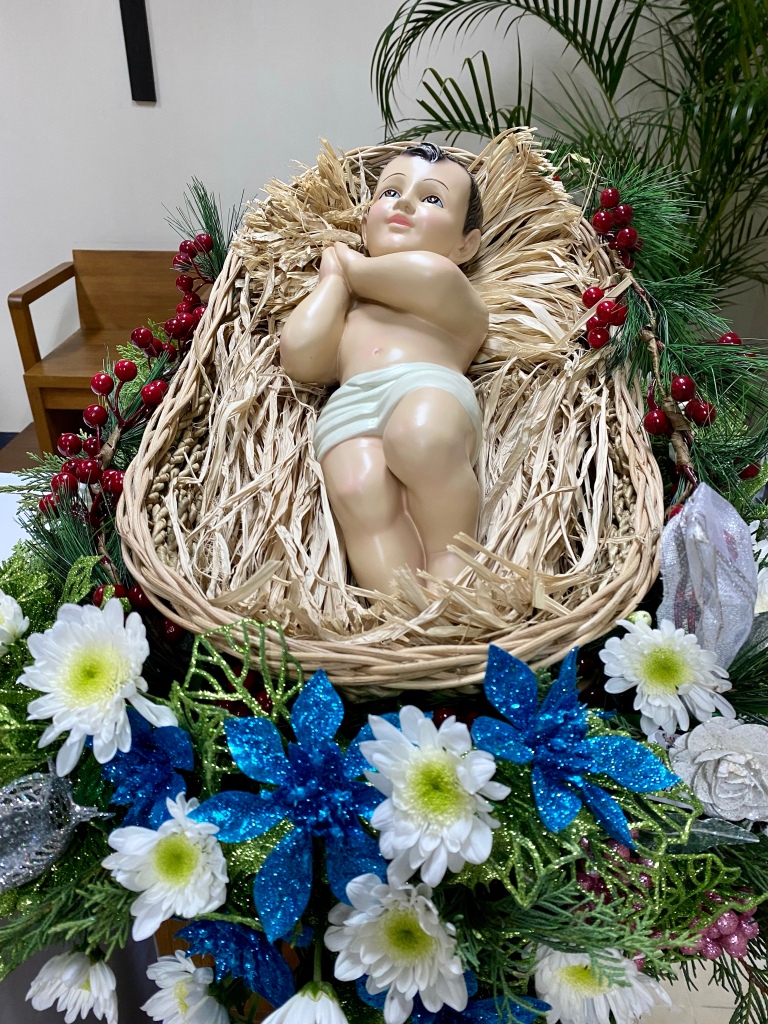
Photo by author, Christmas 2021 at Basic Education Department Chapel, OLFU-Valenzuela City.
See also the animals in the Christmas stable especially the ox and donkey who all symbolize our blindness to God who humbly came to us in the stable. Isaiah and the other prophets in the Old Testament lamented how animals particularly the ox and donkey “know” so well where to go when hungry and thirsty which is the stable while we humans wander far because we are so blinded by many things.
Christmas tells us humans to stop looking so far as Will Todd insists in his great composition My Lord Has Come inspired by our readings last night and today: it is only in Bethlehem that we find the true stable reality of life where the Son of God was born so that we now reckon time according to His birth with BC and AD because humans and civilizations do not last. “Jesus Christ is the same yesterday and today and forever” (Hebews 13:8).
Our only stability in life is found in the Christmas stable especially when the nights are dark and long. Amen. A blessed and stable Merry Christmas to you!
Lord My Chef Simbang Gabi Recipe for the Soul by Fr. Nicanor F. Lalog II
Wednesday, Simbang Gabi-XIX, 24 December 2025
2 Samuel 7:1-5, 8-12, 14, 16     <*((((>< + ><))))*>     Luke 1:67-79
Photo by author, sunrise at Lake of Galilee, the Holy Land, May 2019.
Being an early riser or “madrugeño” in Spanish, I have always loved and preferred early morning Masses because churchgoers at that time are mostly silent, either still sleepy or simply truly reverent.
Though sunsets are more colorful and dramatic like a spectacular show – a palabas in Filipino -sunrise is different because it is more of paloob, of inside movement that is subtle yet intense when light steals into shadows as the sun isgradually breaking open the darkness to reveal what is unseen. Our local term for sunrise or breaking of dawn says it all, pagbubukang liwayway.
There lies the beauty of our Simbang Gabi especially on this final day of our novena when we are slowly seeing the light of Christ’s coming. It is hoped that in these nine days of prayers and reflections on the Sacred Scriptures, we have been enlightened about the the true meaning of Christmas, of how it continues to come and happen in our modern time so darkened by sin and evil.
On this final day of our Simbang Gabi, we reflect on the wonderful aftermath of the assertions by Elizabeth and later by her husband Zechariah on the name “John” meaning “God is gracious” being given to their child as instructed by God. Suddenly, Zechariah who was rendered deaf and mute following his unbelief in having a child, sang praises to God!
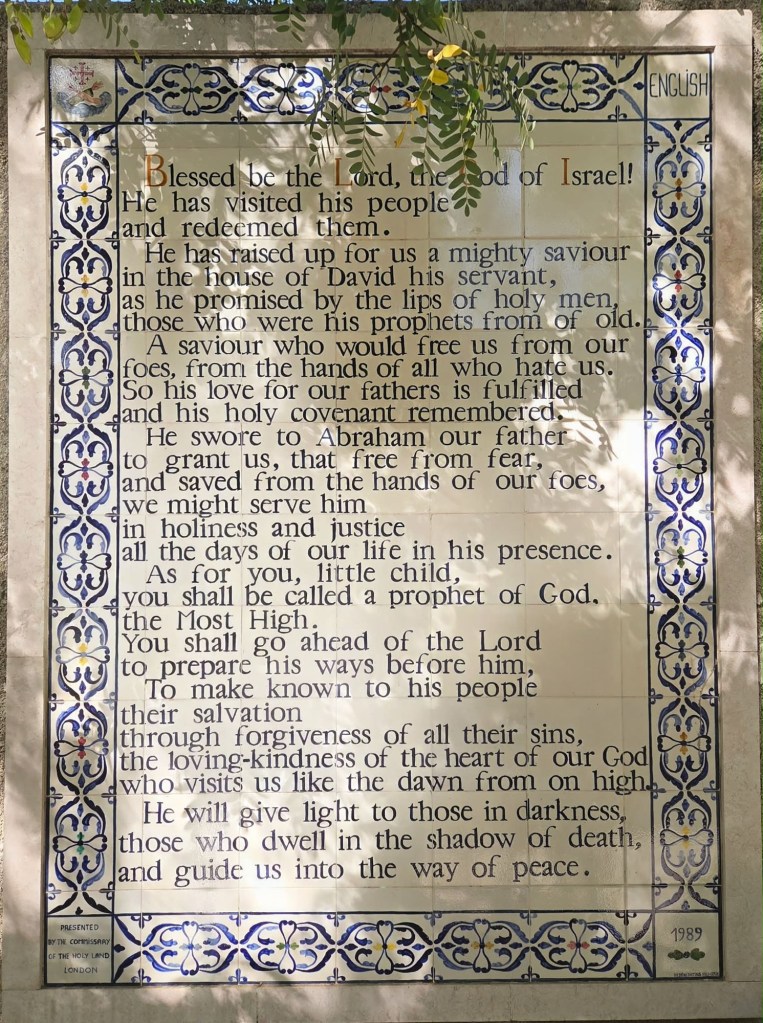
Zechariah his father, filled with the Holy Spirit, prophesied, saying: “Blessed be the Lord, the God of Israel; for he has come to his people and set them free. He has raised for us a mighty Savior, born of the house of his servant David… In the tender compassion of our God the dawn from on high shall break upon us, to shine on those who dwell in darkness and the shadow of death, and to guide our feet into the way of peace” (Luke 1:67-68, 78-79).
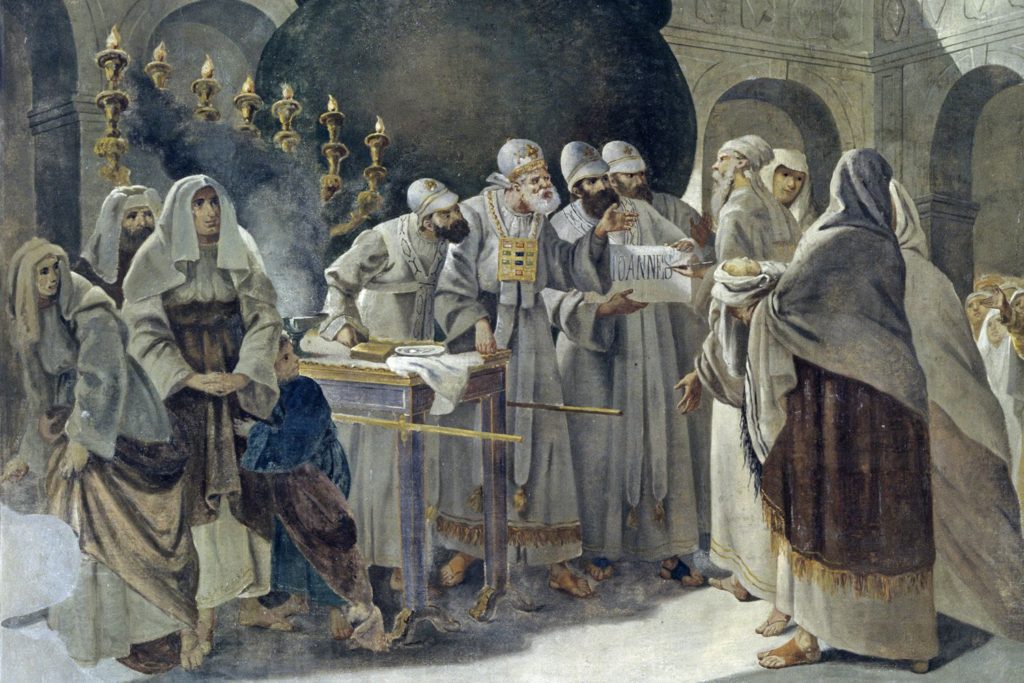
Painting by Italian Riccardo Cessi in 1892 of Zechariah giving name to his son John;from commons.wikimedia.org.
In singing the Benedictus, Zechariah affirmed and confirmed in himself the reality and truth of God being present in our lives.
Many times we are like Zechariah that even if we pray, celebrate the Masses, do all the devotions but still deep inside, doubt God’s reality that we simply do all this sacred rites and traditions just for the sake of doing them. Last week at the start of our Misa de Gallo, we have invited you to reassess and examine the reason why we are keeping this sacred tradition. Is it because of special favors we are asking from God or is it because we want to see God?
The late American Trappist monk Thomas Merton said in one of his writings that seeking God is not like searching for a “thing” or a lost object because God is more than an intellectual pursuit or a contemplative illumination of the mind. Merton explained that God reveals Himself to us in our hearts through our communion and fellowships in the Church.
Photo by Ar. Philip Santiago, Benedictus on the wall of the patio of Church of St. John the Baptist in Ein-Karem where he was born.
In singing the Benedictus, Zechariah realized God’s presence and His coming communion throughout Israel’s history, from the Patriarchs down to the birth of his son John who would prepare the way of Jesus Christ. The Benedictus describes to us the coming of the Christ as expected by the people of Israel in the Old Testament and that is why, unlike Mary’s Magnificat, it is in the future tense. While Zechariah mentions the mission of his son John, the main focus of the Benedictus is Jesus Christ who was about to be born six months later at that time.
Therefore, when we who believe in Jesus as the Christ or Messiah expected by the people of Israel in the Old Testament, the Benedictus becomes an affirmation of God’s presence in us and among us today and forever.
It is in this most sublime expression by Luke we find Christ’s coming like the breaking of dawn like shafts of light bursting forth, “In the tender compassion of our God the dawn from on high shall break upon us, to shine on those who dwell in darkness and the shadow of death, and to guide our feet into the way of peace.” It is in this breaking of dawn we find and experience the poetry of sunrise that is more of the heart than of the eyes we mentioned earlier.
After seeing the coming of the Christ in the birth of his son John, Zechariah now summarizes to us the very essence of Jesus our Savior, of God Himself: tender compassion or in the original Greek, splaghna or “tender mercy” of God.
It is not just compassion which is to suffer with us but at the same time be filled with tenderness that one is so moved to reach out, to do something by going down with the one suffering.
Like courage, mercy is a movement in the heart called misericordia in Spanish from the Latin mittere, meaning to be moved, to be stirred. It is something dynamic, not static. It is a deep feeling that moves toward someone in pain and suffering. An identification of Jesus with every person going through so much hardships and sufferings in life.
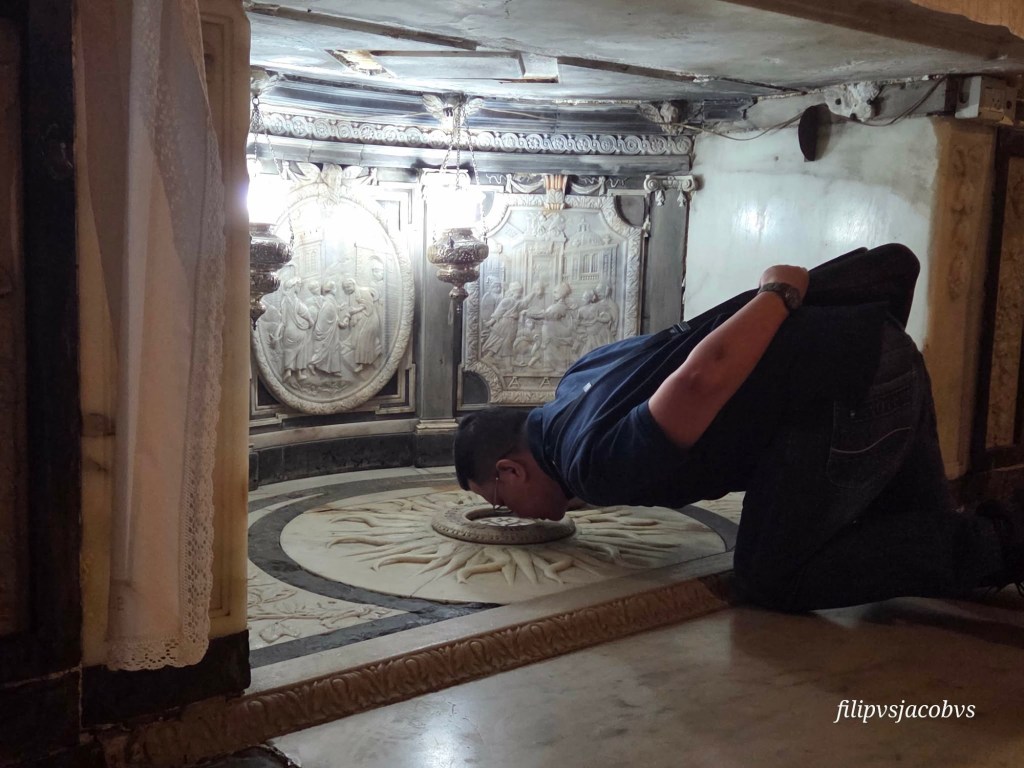
Ar. Philip Santiago reverently kissing the very site of John’s birthplace in Ein-Karem, October 2025.
See now the culmination of movements we have mentioned in Luke’s Christmas story: last Saturday at the Annunciation to Mary, the Angel mentioned the “overshadowing of Holy Spirit” on her in bearing our Savior; today in the Benedictus, there is the moving or stirring of the heart in Zechariah. Whenever we allow God to overshadow with His powers, our hearts are moved to love more, to be tender like God.
Zechariah’s heart is no longer hardened with negativity and cynicism – it was so stirred by God that he mentioned His tender mercy or compassion because he had personally felt it as he recovered his voice and speech. With the birth of John, he now believes that God’s love for his suffering people is deep and personal.
And that is perhaps one of the things we sorely lack in our history as a nation especially during the decadent years of the last Administration – the utter lack of tenderness by our officials and their kawatan in corruption. Wala silang awa at habag sa taong-bayan.
Recall the tender compassion, tender mercy of Jesus, how during His ministry all four evangelists would narrate Jesus was moved with pity and compassion to the people who were lost, tired and sick “like sheep without a shepherd” that no matter how tired He may be, He would always find time to teach them, heal their sick, and even feed them. That is the mercy of God that Jesus had brought forth to us in His coming, experienced by Zechariah himself that he could foresee its coming at the birth of John.
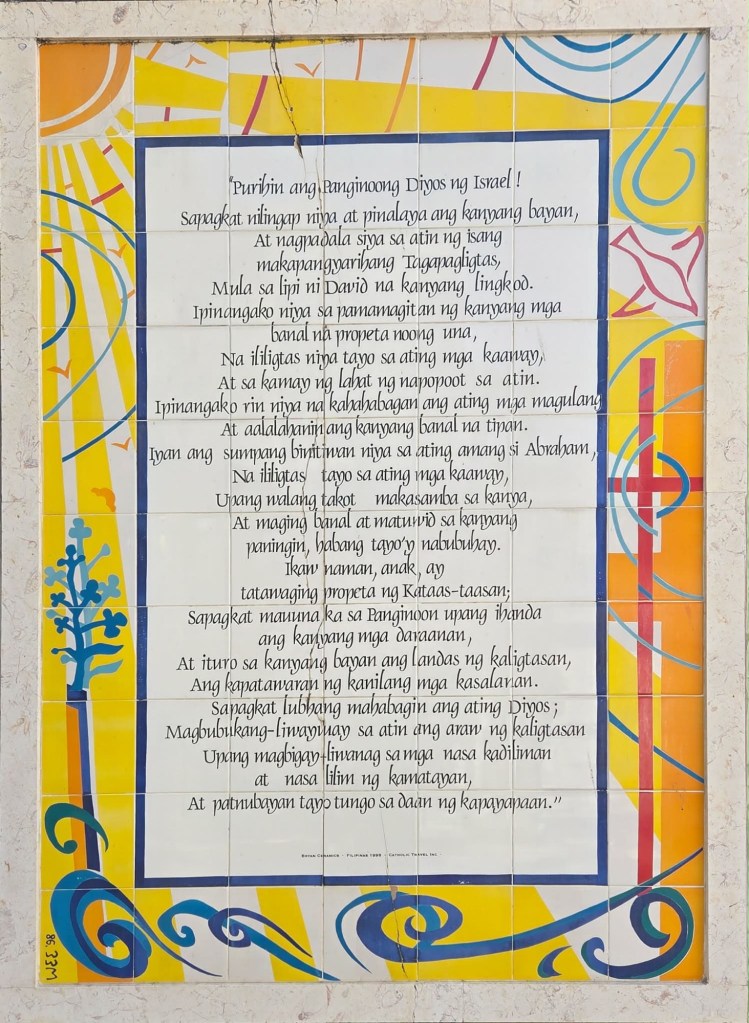
Photo by Ar. Philip Santiago, Filipino translation of the Benedictus on the wall of the patio of Church of St. John the Baptist in Ein-Karem where he was born.
That is the Benedictus, the song of every faithful disciple of Jesus introducing His coming, His birth. So many people have forgotten God, do not know God, refused to believe in God because many among us He had lavishly loved have refused to share His love with others, choosing to remain in the darkness of the night, thinking more of themselves and of their hurts and pains that they revenge with by stealing billions of money.
How lovely to think that God’s tenderness moves in us like the breaking of dawn, of shafts or streaks of lights slowly penetrating, bursting forth through cracks in the skies, in our homes and even right in our very selves. Bask in that light saw by Zechariah, shared by John the Baptist his son. Amen. Have a blessed and meaningful Christmas! Thank you for following our reflections. Share it and let it be shafts of light to somehow illumine the darkness in others.














 lordmychef.com