Lord My Chef Daily Recipe for the Soul by Fr. Nicanor F. Lalog II
Wednesday, Memorial of Our Lady of Lourdes & World Day of Sick,
11 February 2026
Isaiah 66:10-14     ><}}}}*> + ><}}}}*> + ><}}}}*>     John 2:1-11
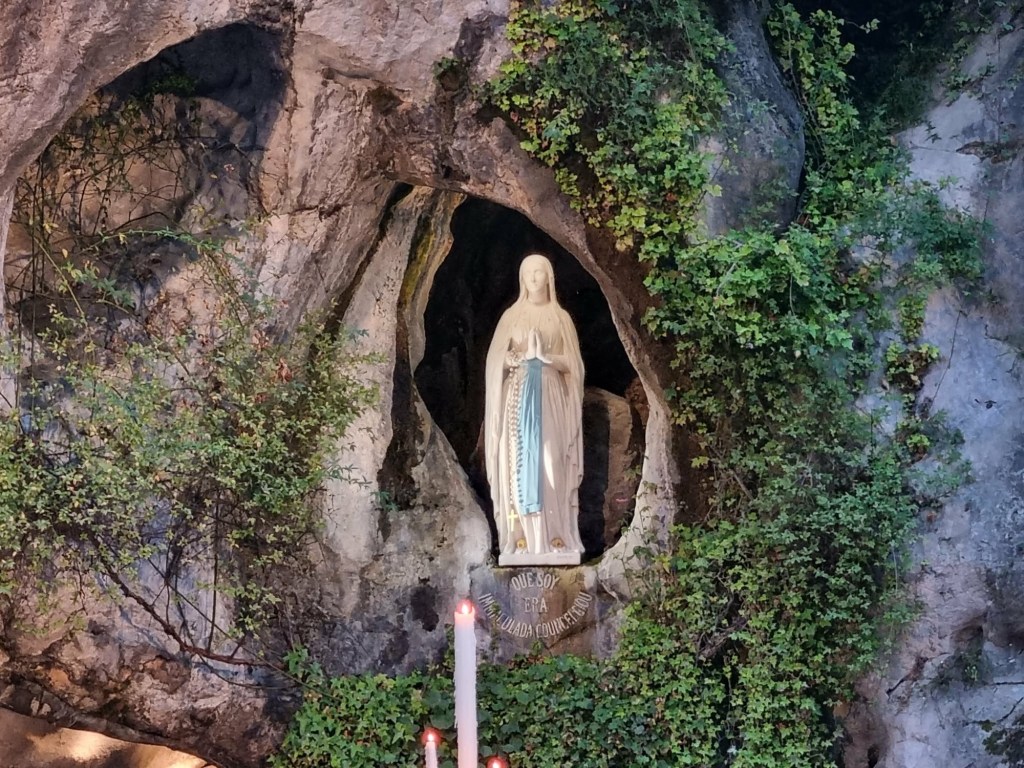
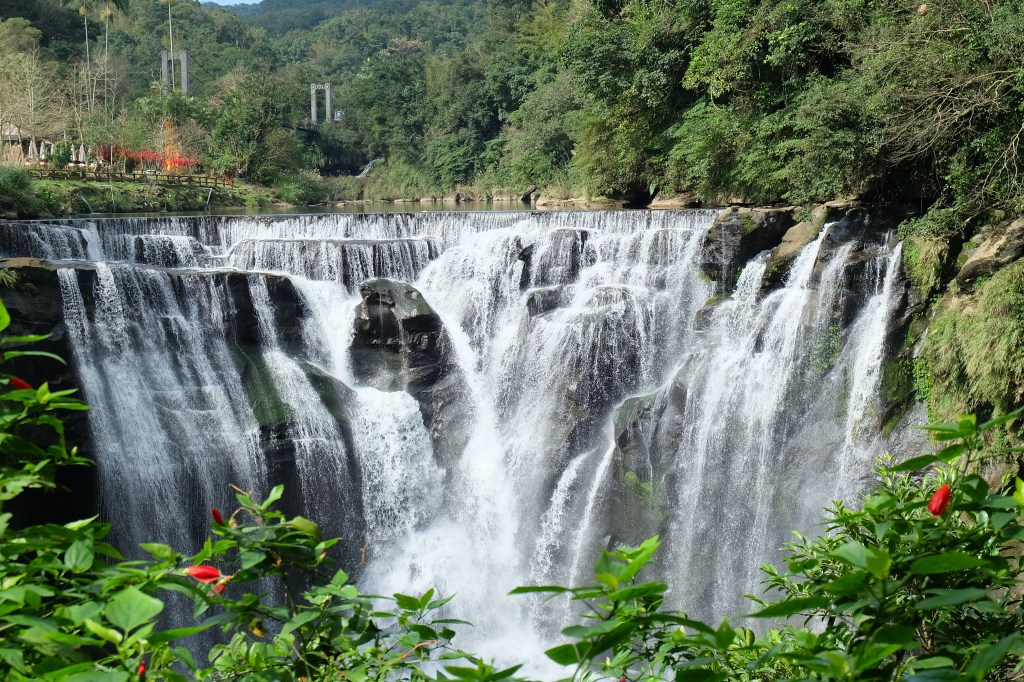
Photo by Architect Philip Santiago, Lourdes, France, October 2025.
Praise and glory to you O God,
our loving and merciful Father
who has given us a wonderful
and most kind Mother in Mary
the Blessed Virgin through
Jesus Christ your Son.
From the beginning
since Jesus Christ began his ministry
to our present time,
the Blessed Virgin Mary
has always been with Jesus
showing us your great signs
of presence,
of generosity,
and of life
first anticipated
at the wedding feast at Cana.
On the third day there was a wedding in Cana in Galilee, and the mother of Jesus and his disciples were also invited to the wedding. When the wine ran short, the mother of Jesus said to him, “They have no wine.” Jesus said to her, “Woman, how does your concern affect me? My hour has not yet come.” His mother said to the servers, “Do whatever he tells you.” Jesus told them, “Fill the jars with water” (John 2:1-5, 7).
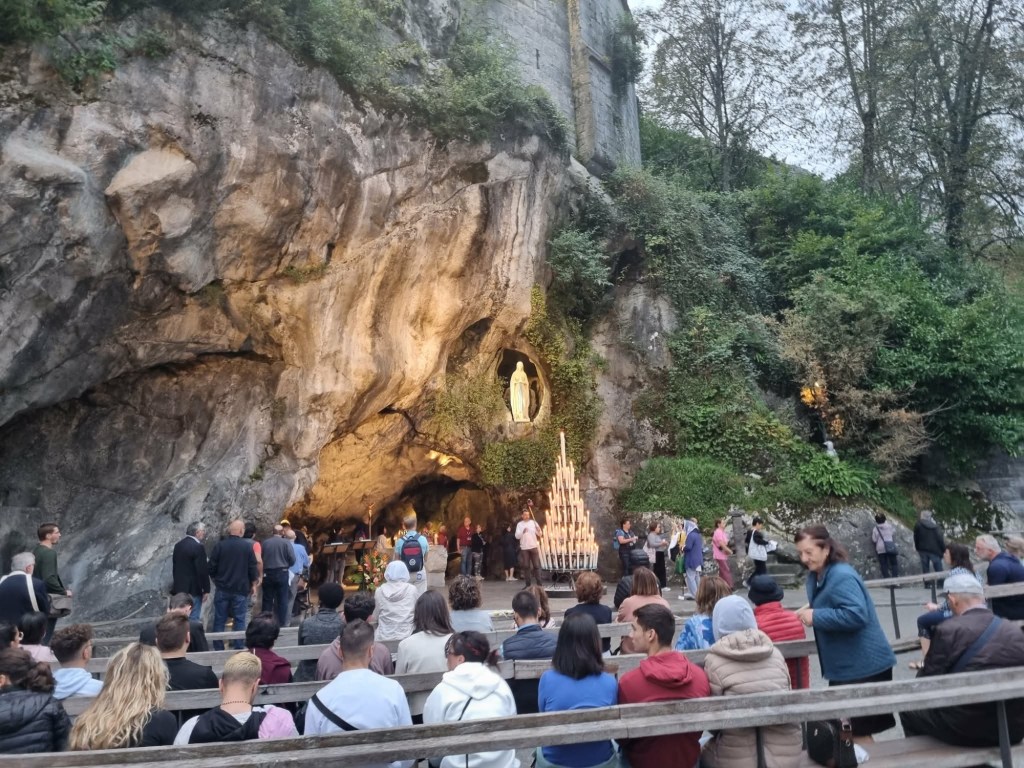
Photo by Architect Philip Santiago, Lourdes, France, October 2025.
How wonderful
to recall and meditate
 on this first miracle of Jesus
of turning water into wine
 at the wedding feast at Cana
 through the intercession
 of his Mother,
 the Blessed Virgin Mary.
Through Mary,
 your abundant blessings,
 O God, have continued
to overflow upon us
 even after she is now
with you and Jesus
 as Queen
of heaven and earth.
How true were your words
 to the Prophet Isaiah
 that you shall send Israel a mother
 who shall comfort us,
 a mother in whom you shall
 spread prosperity and blessings
 (Isaiah 66:10-14).
How lovely that
more than 1800 years after Cana,
another miracle happened anew
using the same element of water
through Mary in Lourdes, France;
how amazing in both Cana
and Lourdes, Jesus asserted
water as the primordial element
 of life and symbol of humanity;
most amazing Lord Jesus
that since that miracle at Cana,
your life continues to overflow
upon us through Mary your
Mother and our Mother too
in Lourdes, France.
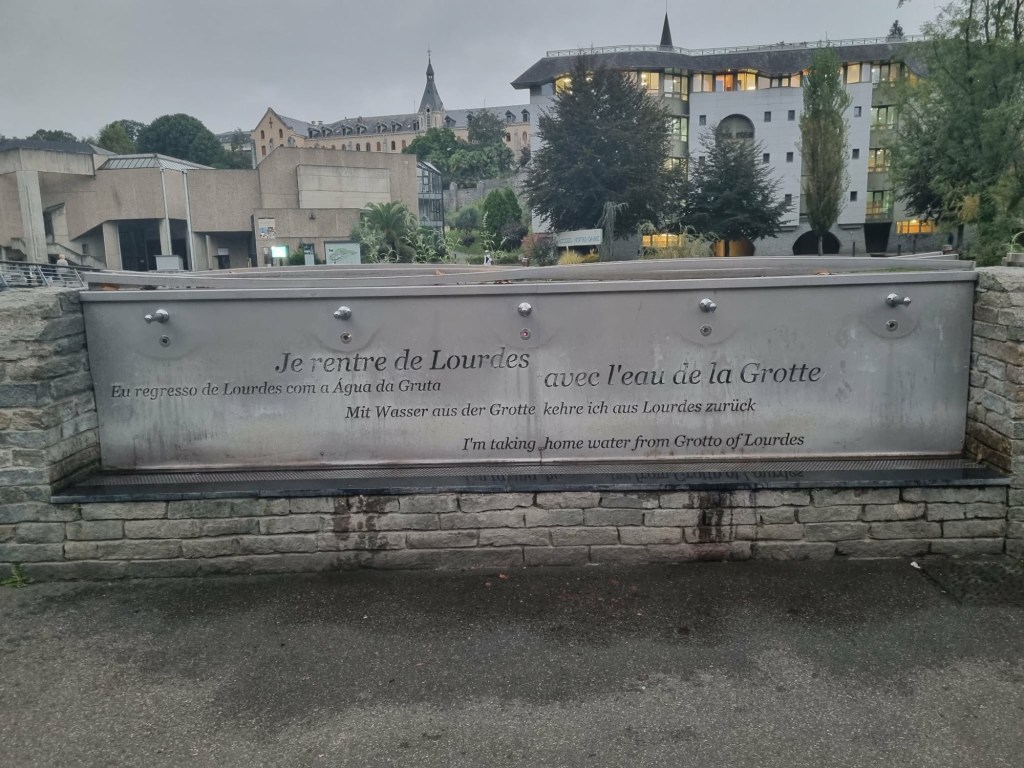
Photo by Architect Philip Santiago, Lourdes, France, October 2025.
Like the servers at Cana,
Mary told the young St. Bernadette
at Lourdes to dig on earth
so water may burst forth as spring,
like life coming out of the womb of the earth;
until now, that spring has been
the source of many healings
and other miracles
among generations of peoples
from all walks of life and nations;
these waters of Lourdes
remain as symbols
of fruitfulness and of healing,
of maternity in Mary
who cares most to us
and the sick
in Jesus our Savior.
Give us the grace,
dear Jesus
the gifts of purity
and cleanliness
in our hearts
so that we may become
like Mary at Cana and Lourdes,
a vessel of your healing
and compassion
especially for the sick
of the world.
Grant us,
dear Jesus,
the gift of listening
and docility like the servers
in Cana and
St. Bernadette in Lourdes
to always "do whatever
you tell us."
Amen.
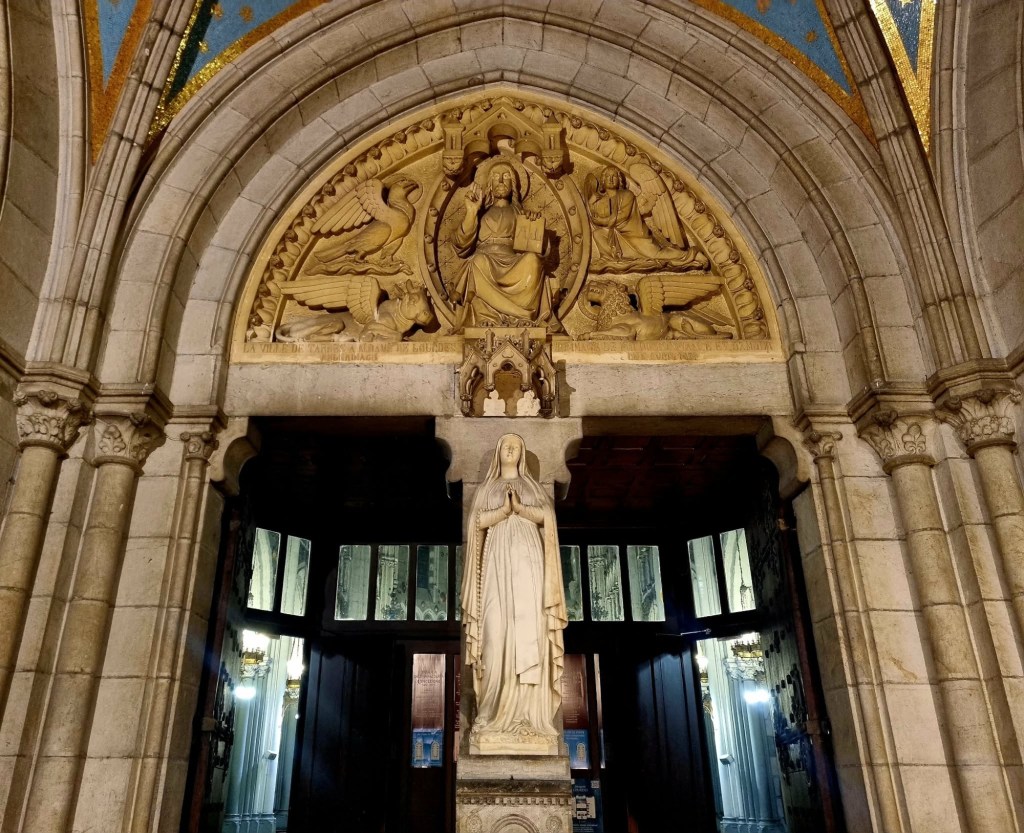
Photo by Architect Philip Santiago, Lourdes, France, October 2025.
Lord My Chef Daily Recipe for Soul by Fr. Nicanor F. Lalog II
Tuesday, Memorial of St. Scholastica, Virgin, 10 February 2026
1 Kings 8:22-23, 27-30     ><]]]]’> + ><]]]]’> + ><]]]]’>     Mark 7:1-13
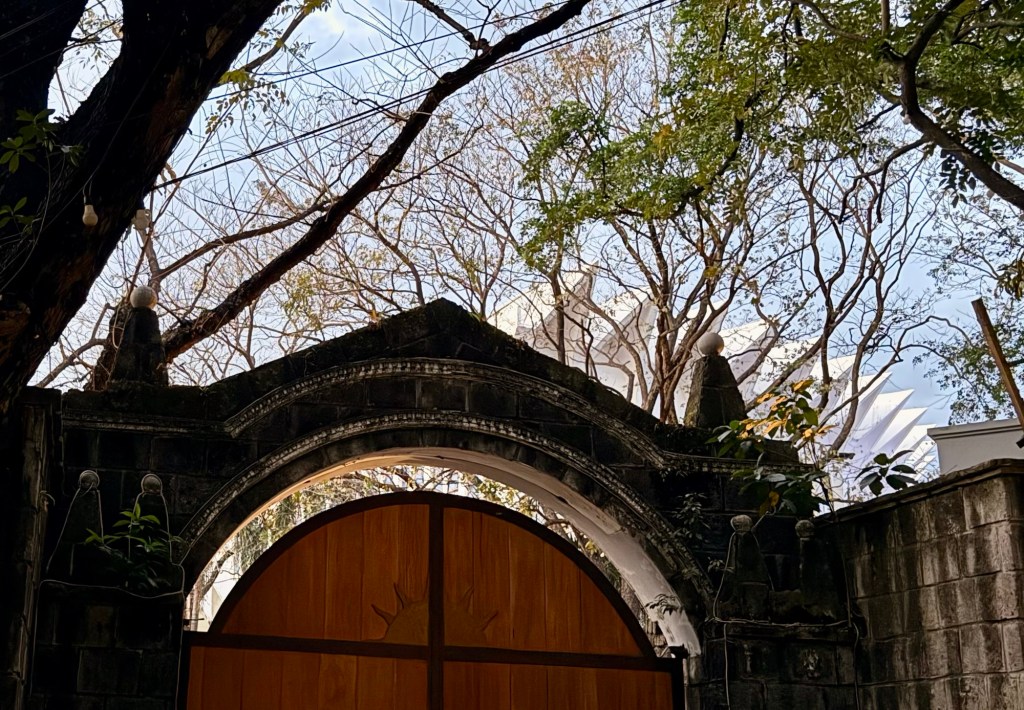
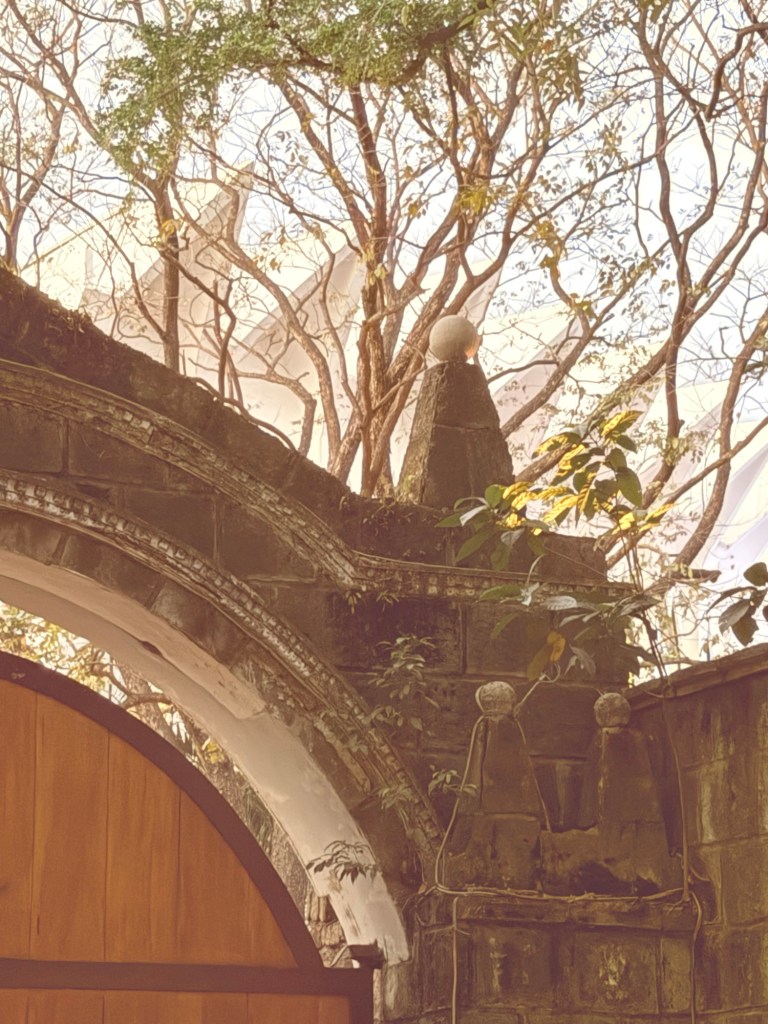
Photo by author, Museo de Valenzuela’s replica of “Arkong Bato” with the pointed facade of the National Shrine of Our Lady of Fatima as background, 21 January 2026.
How true were the words
of your great King and Servant
Solomon, O God our mighty Father,
that nothing like "the heavens
and the highest heavens"
can contain you
much less the temple he had built
or anything that we have
in this time;
yet, you have promised us
to hear our prayers when we come
to pray to you,
to call on you
in temples and churches
human hands have made
that are not enough to have you.
Forgive us, Lord,
when we try to "contain" you,
"keep" you in specific places
not just churches and temples
and oratories;
most of all,
forgive us, Lord,
when we lack
the reverence and intimacy
we must have with you
when inside the church
and other sacred places;
Jesus' words in today's gospel
cuts us to the heart of our hypocrisies,
"This people honors me with their lips,
but their hearts are far from me;
in vain do they worship me,
teachings as doctrines human precepts"
(Mark 7:6).
O dear Jesus
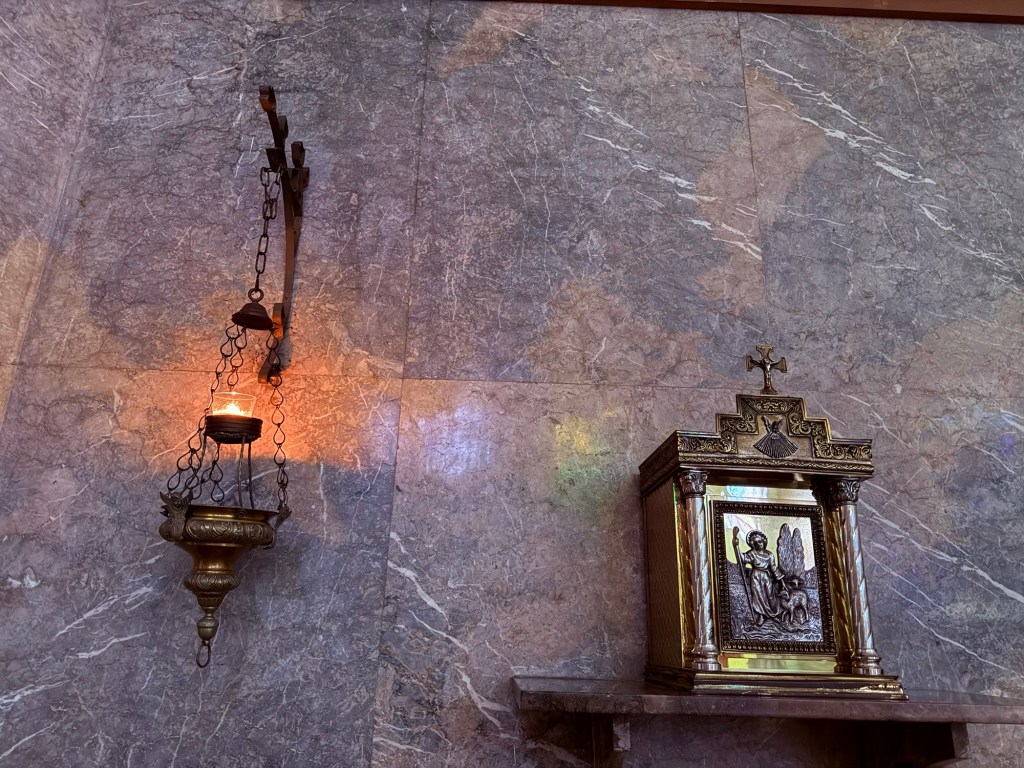
present in the Blessed Tabernacle,
empty me of my pride
so that You may reign
in my heart
always.
Amen.
Photo by author, Chapel of the Carmel of the Holy Family Monastery, Guiguinto, Bulacan, 23 January 2026.
Lord My Chef Daily Recipe for the Soul by Fr. Nicanor F. Lalog II
Monday, Fifth Week in Ordinary Time, Year II, 09 February 2026
1 Kings 8:1-7, 9-13     <*((((><  +  ><))))*>     Mark 6:53-56
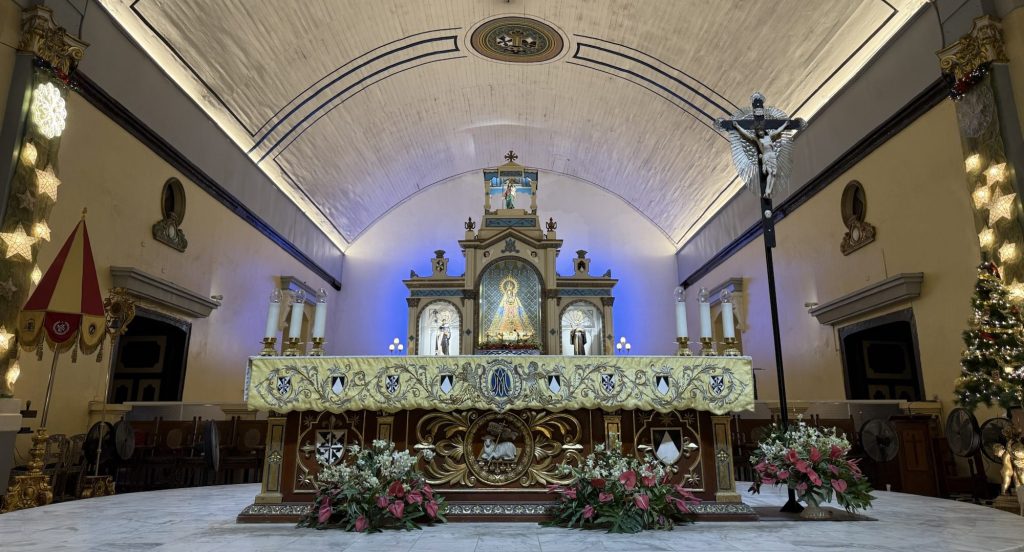
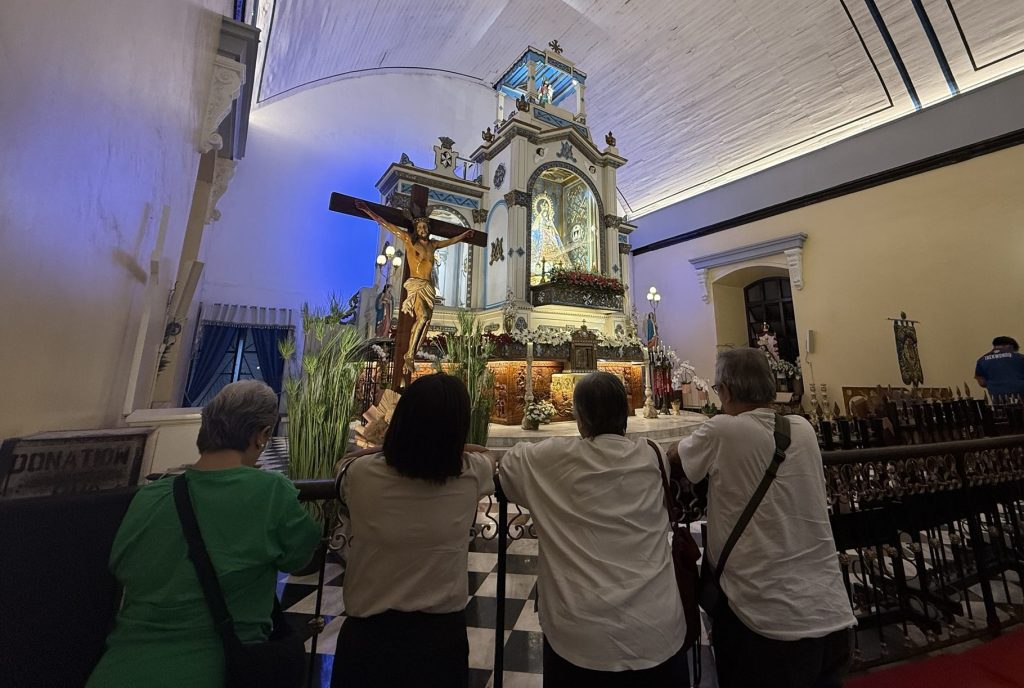
Photo by author, Minor Basilica of Our Lady of Manaoag, Pangasinan, 09 January 2026.
God our loving Father,
your words today in the first
reading and gospel are
both quick-paced,
everything seemed to happened
so fast: the arrival and
enthronement of the Ark of the
Covenant in the Temple of Jerusalem
and of people rushing to Jesus
at Gennesaret after crossing
the lake of Galilee.

Both scenes are exactly like
my life today - everything is
happening so fast
and I feel left behind,
tired and exhausted;
if I could just touch
Jesus Christ's cloak
to be healed,
to be comforted,
to be renewed.
When the priests left the holy place, the cloud filled the temple of the Lord so that the priests could no longer minister because of the cloud, since the Lord’s glory had filled the temple of the Lord. Then Solomon said, “The Lord intends to dwell in the dark cloud; I have truly built you a princely house, a dwelling where you may abide forever” (1Kings 8:10-13).
The dark clouds remain
above me, Jesus
and thank you for staying,
for remaining in me;
thank you, Jesus,
for being close to us,
for allowing yourself to be
interrupted
 by our many concerns
that we can touch you
like in Genessaret
where people lived freely
and joyfully regardless of their
faith and culture
as they were simply present
in each moment like when you
crossed over the lake
and allowed yourself
 to be interrupted
even led by them;
teach me to be true to myself
like those in Genessaret
expressing to you my desires
not just what I want;
let me be present with you
as you are present in me each day.
Amen.
Photo by author, Minor Basilica of Our Lady of Manaoag, Pangasinan, 09 January 2026.
Lord My Chef Sunday Recipe for the Soul by Fr. Nicanor F. Lalog II
Fifth Sunday in Ordinary Time, Cycle A, 08 February 2026
Isaiah 58:7-10 ><}}}}*> 1 Corinthians 2:1-5 ><}}}}*> Matthew 5:13-16
Photo by author, Carmelite Monastery, Guiguinto, Bulacan, 22 January 2026.
We continue today Jesus Christ’s Sermon on the Mount that started last Sunday when he called “Blessed” are the poor in spirt, those who mourn, the meek, the hungry and thirsty for righteousness, the merciful, the clean of heart, the peacemakers, those persecuted and insulted falsely.
These blessed ones are not different kinds of persons but every disciple of Jesus Christ who is the truly Blessed One who is poor and meek, hungry and thirsty, merciful and clean of heart. Blessedness is an inner disposition, a being than doing.
And so this Sunday, Jesus reminds his disciples that include us today, of our dignity and responsibility in being blessed, as if telling us, “Blessed are you… You are the salt of the earth… You are the light of the world.”
We whom Jesus called “blessed” already possess the kingdom but in a hidden manner; that is why we as his disciples must make it shine upon the world in our lives, in our witnessing especially in this age that has turned away from God and holiness.
Jesus said to his disciples: “You are the salt of the earth… You are the light of the world. A city set on a mountain cannot be hidden. Nor do they light a lamp and then put it under a bushel basket; it is set on a lampstand, where it gives light to all in the house. Just so, your light must shine before others, that they may see your good deeds and glorify your heavenly Father” (Matthew 5:13, 14-16).
Last February two we celebrated the Feast of the Presentation of the Lord at the Temple that is also known as Candlemass or Candelaria where Simeon recognized the Child Jesus as the “light of the nations”.
It is one of the beautiful feasts we have with the blessing and lighting of candles outside the church; then, led by the priest, the people enter the church with lighted candles to signify Jesus Christ as our only light and fulfillment in this life.
Jesus asserts that this Sunday. The Bible itself teems with so many references of God being the source of light with Israel as bearer of that light. This explains our first reading today from the Prophet Isaiah:
Then your light shall break forth like the dawn, and your wound shall quickly be healed; your vindication shall go before you, and the glory of the Lord shall be your rear guard. Then you shall call, and the Lord will answer, you shall cry for help, and he will say: Here I am! If you remove from your midst oppression, false accusations and malicious speech; if you bestow your bread on the hungry and satisfy the afflicted; then light shall rise for you in the darkness, and the gloom shall become for you like midday” (Isaiah 58:8-10).
So beautiful! And what a prophecy fulfilled in Christ that continues to happen today among us, his blessed ones as disciples!
To be a Christian especially nowadays is to be the bearer of the light of Christ, to illumine the darkness among us especially in this world that has become so fascinated with artificial lights like studio lights that emphasize and focus on men and women, on their fame and glory and wealth. How ironic that the more artificial lights we flood the world these days, the darker life becomes with more crimes, more abuses, and more emptiness and meaninglessness within us.
Photo by author, Mt. St. Paul ?Retreat House, La Trinidad, Benguet, January 2025.
Bringing the light of Christ, sharing his light is being holy, being good, being a blessed one, doing what is right, what is true, what is good as Isaiah reminded the people in the first reading.
Bringing the light of Christ, sharing his light is sharing Jesus to the world that we become the God’s answer to the cries and pleas of his people for mercy and justice, for healing and comfort.
Hence, bringing the light of Christ, sharing his light is actually to bring out Jesus within us who had come to us sacramentally in Baptism and continues to come to us in the Sacraments especially the Holy Eucharist we celebrate on Sundays.
Problem is we keep on hiding Jesus within us. This is why he calls us not to hide him like a lamp placed under a bushel basket but let him be like a lampstand that illumines the house.
We are the light of Jesus Christ who shines before others with our good deeds that make God known to others. Not the other way around. Young people call them as “performative” like performative couple, performative student or performative employee. They are all performance, all for the show or the content. Puro palabas, walang paloob kaya walang laman. These are the very ones that Jesus warned to “take care not to perform righteous deeds in order that people may see them” (Mt. 6:1) which we shall hear soon in Lent.
How sad that many people today have become “performative” – pakitang-tao as we say in Filipino who would go to great extent of publicizing everything they say and do like many of the so-called content creators and vloggers. This is most painfully true in the Church of priests and laypeople posting in social media everything they do or “perform” that are always empty of meaning and any sense at all.
Bringing the light of Christ, sharing his light always leads to God’s glory, not to us humans.
Let us keep in our hearts the words of St. Paul today in our second reading:
When I came to you, brothers and sisters, proclaiming the mystery of God, I did not come with sublimity of words or of wisdom. For I resolved to know nothing while I was with you except Jesus Christ, and him crucified (1 Corinthians 2:1-2).
Photo by Architect Philip C. Santiago, Basilica of the Annunciation, Nazareth, Israel, October 2025.
Being the light of Christ in the world is to bring Jesus Christ himself, not ourselves. It is being one in Jesus in his Cross where there is more of inner fulfillment and joy than mere success and happiness.
Being the light of Christ in the world is more than having all those quotable quotes and lofty proses and poetry nor of those grand plans and visions and programs left on paper but never materialized in reality.
Bringing the light of Christ in the world is being wounded and scarred by the Cross, always fading from the light so that only Jesus remains.
Like John the Baptist his Precursor, may his words be our prayer always: “Jesus must increase and I must decrease. Amen. Have an enlightening and illumining week ahead brothers and sisters in Christ!
Lord My Chef Daily Recipe for the Soul by Fr. Nicanor F. Lalog II
Friday, St. Pedro Bautista & Companion Martyrs in Japan, 06 February 2026
Sirach 47:2-11     ><))))*> + ><))))*> + ><))))*>     Mark 6:14-19
Photo by author, sunrise in San Juan, La Union, 09 January 2026.
How easy it is for many of us
to believe in the existence of a
"parallel universe" existing with
our own universe that is a part of
a larger "multiverse" than seeing our
lives in the light of Jesus Christ.
Thank you dear God
in sending John the Baptist
the Precursor of the Lord,
the first to suffer,
the first to die for what is
true, what is good and
what is just;
I can't help notice the
many parallelisms in his life
and in Jesus Christ
that all indicate your immense
love for us, dear God.
Help us realize
these parallelisms are
the only ones we can hold on
with ourselves: our lives and
mission are always in parallel
with Jesus inasmuch as we
have to share in his passion,
death and resurrection;
keep our hearts open always
to your prompts and coming,
Lord Jesus, so we may proclaim
and make you known with others
in our witnessing to your gospel;
most of all, cleanse our hearts
and purify us like King David
who despite his many grave sins
against you was forgiven and
more remembered as one who loved
God so much.
As we commemorate
the memorial of the martyred
Franciscan and Jesuit missionaries
in Japan led by San Pedro Bautista
and St. Paul Miki,
strengthen us like them
in our firm resolve to stand
by our Catholic faith especially
in this age of indifference and
antagonisms against what is moral
and virtuous; may we find parallelisms
in our calls and mission
from Jesus Christ.
Amen.
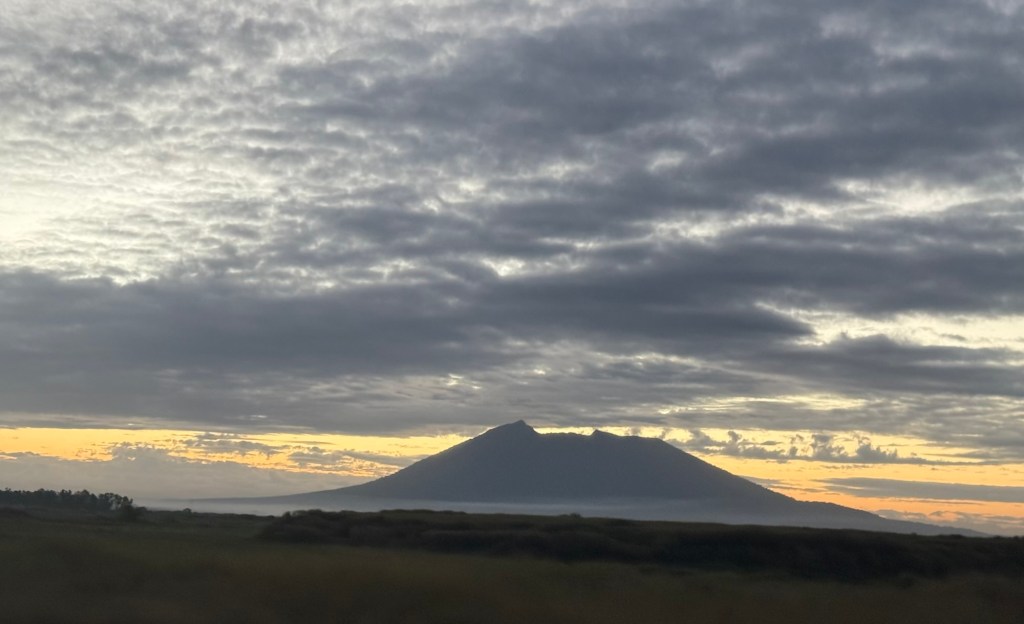
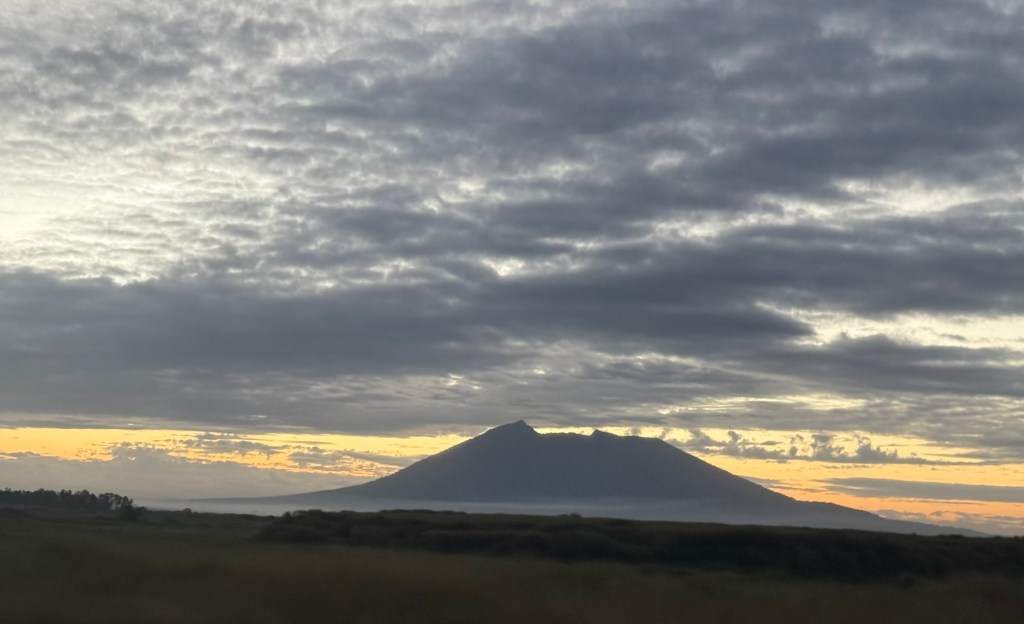
Photo by author, sunrise at Mt. Arayat in Pampanga, 31 January 2026.
Lord My Chef Daily Recipe for the Soul by Fr. Nicanor F. Lalog II
Thursday, Memorial of St. Agatha, Virgin & Martyr, 05 February 2026
1 Kings 2:1-4, 10-12     <*((((><  +  ><))))*>     Mark 6:7-13
Photo by author, Taiwan, 15 February 2019.
Thank you, dear God
our loving Father
for the gift of freedom
we often misinterpret
as doing whatever pleases us;
the prophets and kings of
Old Testament like David before
his death reminded everyone to
remain faithful to you, O God,
to always choose you and your ways
and commandments but since then
until now, we abuse our freedom
and still refuse to choose what is good,
refusing to follow and obey you,
O God.
When the time of David’s death drew near, he gave these instructions to his son Solomon: “I am going the way of all flesh. Take courage and be a man. Keep the mandate of the Lord, your God, following his ways and observing his statutes, commands, ordinances, and decrees as they are written in the law of Moses, that you may succeed in whatever you do, wherever you turn, and the Lord may fulfill the promise he made on my behalf….” (1 Kings 2:1-4).
We know what happened with
Solomon and the rest of all
their kings with a few exceptions:
they all turned away from you,
O God that disaster fell on them
not as your punishment
but as consequences
of their abuse of freedom;
teach us in Jesus Christ
who had come to show us the way
to true freedom by choosing you,
O God,
doing your will,
doing and being good
by being faithful.
How wonderful,
O God,
that despite our abuse
of freedom,
you have remained faithful
to us,
loving us,
forgiving us like King David,
and still calling us to follow
you in Christ Jesus;
let us trust you more
by choosing you and your ways,
letting go of our baggage
and other false securities
so we can travel light
and preach effectively,
totally free
 and faithful
to you through others.

Through the intercession
of St. Agatha who witnessed
Christ and his gospel
at a very young age,
may we have the courage
to remain true to your call
and teachings.
Amen.
Photo by author, Mt. St. Paul Retreat House, La Trinidad, Benguet, February 2020.
Lord My Chef Daily Recipe for the Soul by Fr. Nicanor F. Lalog II
Wednesday, Fourth Week in Ordinary Time, Year II, 04 February 2026
2 Samuel 24:2, 9-17     <*((((><  +  ><))))*>     Mark 6:1-6
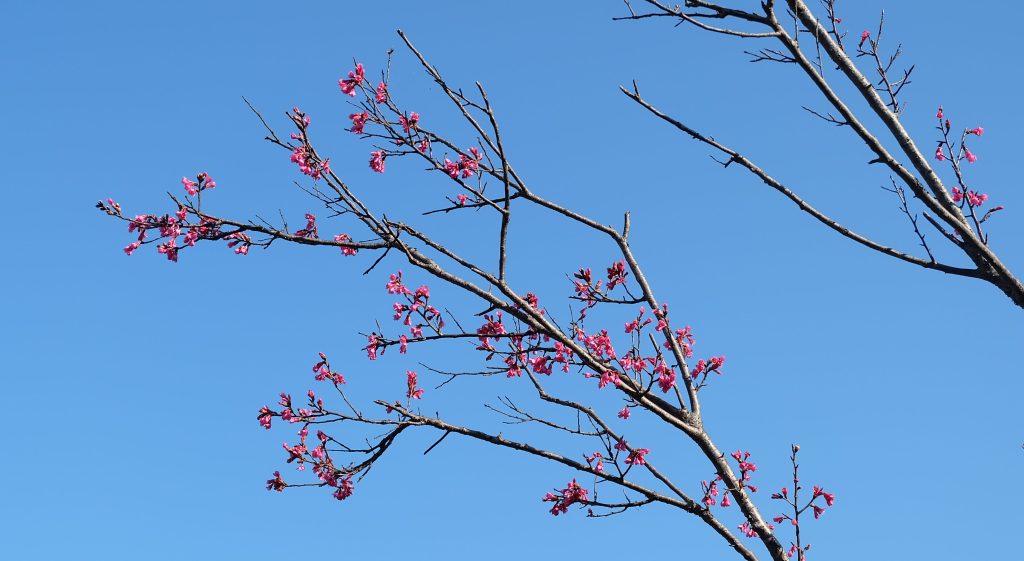
Photo by author, Sakura trees in Taiwan, February 2019.
God our loving
and merciful Father:
teach us today to have
the courage and most of all
the maturity not only to say sorry
when we have sinned and erred
but most especially to admit and own
our sins and mistakes
like King David
in today's first reading.
When David saw the angel who was striking the people, he said to the Lord: “It is I who have sinned; it is I, the shepherd, who have done wrong. But these are sheep; what have they done? Punish me and my kindred” (2 Samuel 24:17).
Teach us to grow in Jesus,
dear Father because for as long
as we are blinded by our greatness
we measure in our stature
and income,
accomplishments
and accolades,
we shall always be like
King David in the first reading
believing only in our selves,
hiding in so many ways like
census the subtle arrogance
that rules our lives,
forgetting or disregarding
your grace and mercy in our
achievements in life that when
things go wrong,
we blame others
and point fingers at everyone
except our selves.
Let us be true and sincere
dear Jesus today to
find where we put
our security
in our day to day living
so that we may also
find where you,
O God, sad to say,
"fit" into our lives
due to our lack of faith
in you.
Amen.
Quiet Storm by Fr. Nicanor F. Lalog II, 03 February 2026
Photo by author, 31 January 2026.
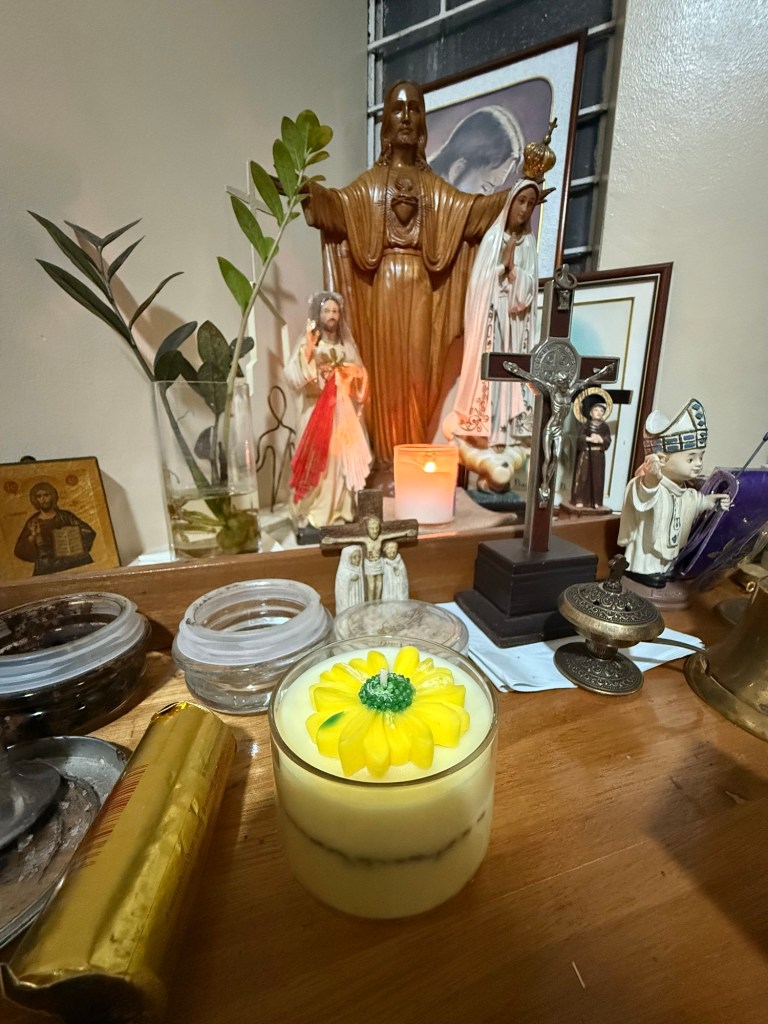
One of the Christmas gifts I have received last year was a scented candle personally made by one of our nurses who accompanies me in visiting our patients on Sundays.
Though I had already thanked her when she handed me her gift last Christmas, I had to thank her again last Sunday because I had it unboxed only recently. Most of all, because I loved it so much as I light candles on my altar when praying.
Yesterday was the Feast of the Presentation of Jesus to the Temple (February 2) also known as the Feast of the Candlemass wherein candles were blessed outside the church after which the people led by the priest enters to begin the Mass in a procession with lighted candles.
Candlemass is a beautiful celebration, especially when done properly by priests. Its origin dates back to more than 1500 years ago in France where it started when people incorporated the blessing of candles into the Feast of the Presentation then known with its Eastern title as “the Encounter” to refer to how Simeon with the Prophetess Anna met the child Jesus being offered by his parents Joseph and Mary to the temple 40 days after Christmas.
According to St. Luke, Simeon sang the following upon meeting the child Jesus Christ.
“Now, Master, you may let your servant go in peace, according to your word, for my eyes have seen your salvation, which you have prepared in sight of all the peoples, a light for revelation to the Gentiles, and glory for your people Israel” (Luke 2:29-32).
In proclaiming Jesus Christ as the “light” of salvation for the nations, the early French Christians thought of having the blessing of candles and procession of lighted candles to signify Jesus as the only and true light of the world. Hence, it came to be known also as “Candlemass” or Candelaria in the Spanish-speaking countries.
Although candles are no longer used as a major source of lighting in homes and other places, it is still used in almost all churches, monasteries and other houses of worship around the world, gaining a renewed popularity lately among the younger generation. It is a most welcomed development in our modern time as more and more people are rediscovering the need for spiritual growth of whatever label. And right in the midst of this is the candle as a tool for better prayer periods.
Unfortunately, this beautiful tradition of the candles is dying in our country. How ironic that we who belong to the Third World have switched to electric vigil lamps and candles while those in the First World still use the traditional candles in their homes and churches.
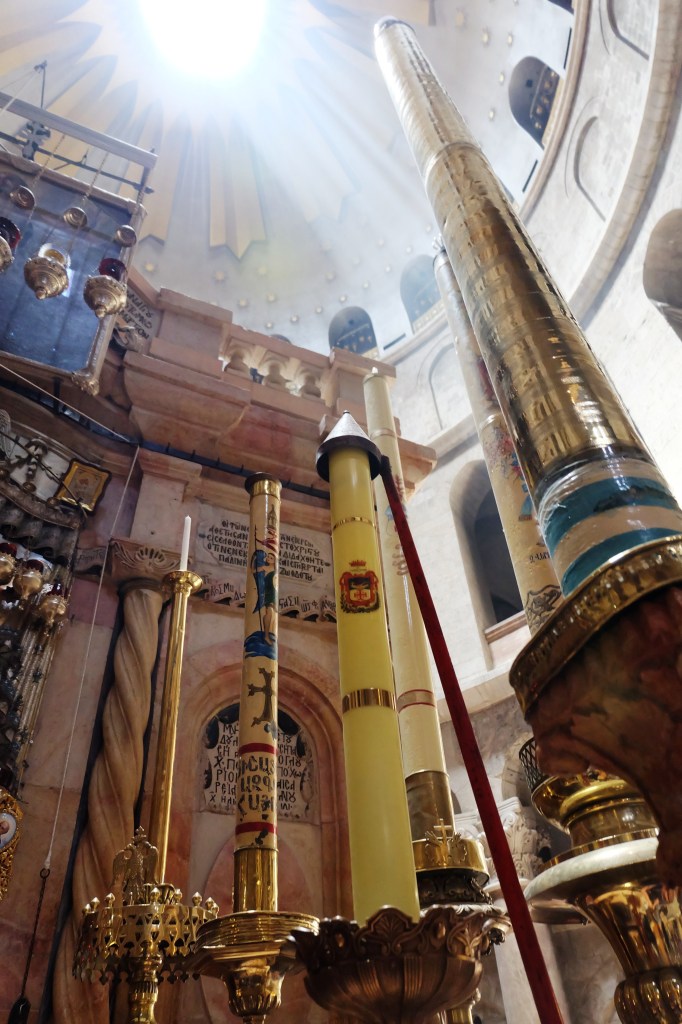
Photo by author, Jerusalem, April 2017.
How I envy churches in North America and Europe with their plethora of all kinds of candles used and sold even in the simplest churches and stores! During a Holy Land pilgrimage in the 2017 Easter Season, one of the things I appreciated and admired next to the pilgrim sites were the lovely and regal designs of paschal candles in the churches we visited that made me wonder why nobody makes them here in our predominantly Catholic country.
Candles have always have a special place in the life of our faith and the Church since its early beginnings. From the Latin words candere and candela that mean “to shine”, it evolved into the Middle and Old English words candele and candel.
Aside from lighting the gatherings of the early Christians especially in the catacombs to evade arrests during the persecution, candles have always been used to signify Christ as the light of the world guiding our paths as Christians in every celebration, from Baptism to Weddings and Funerals.
Candles do not only make rooms shine but most especially the souls and the hearts of those who cultivate a prayer life. It has that unique warmth that can soothe and calm those who are agitated or worried with life’s many trials and challenges.
Every time we light a candle during prayer periods, our inner selves are made brighter as they evoke in us so much feelings of the Divine presence. Their little lights that flicker remind us of our feeble selves whose life could be easily snuffed out with a single blow.
The scent of burning candle permeates our senses, calming us within, inviting us to leave all our worries in life as we lay our cards out in the open to God. A candles warmth can dissolve every hardness within us, purifying us within and becoming empty and open for God’s grace to work in us.
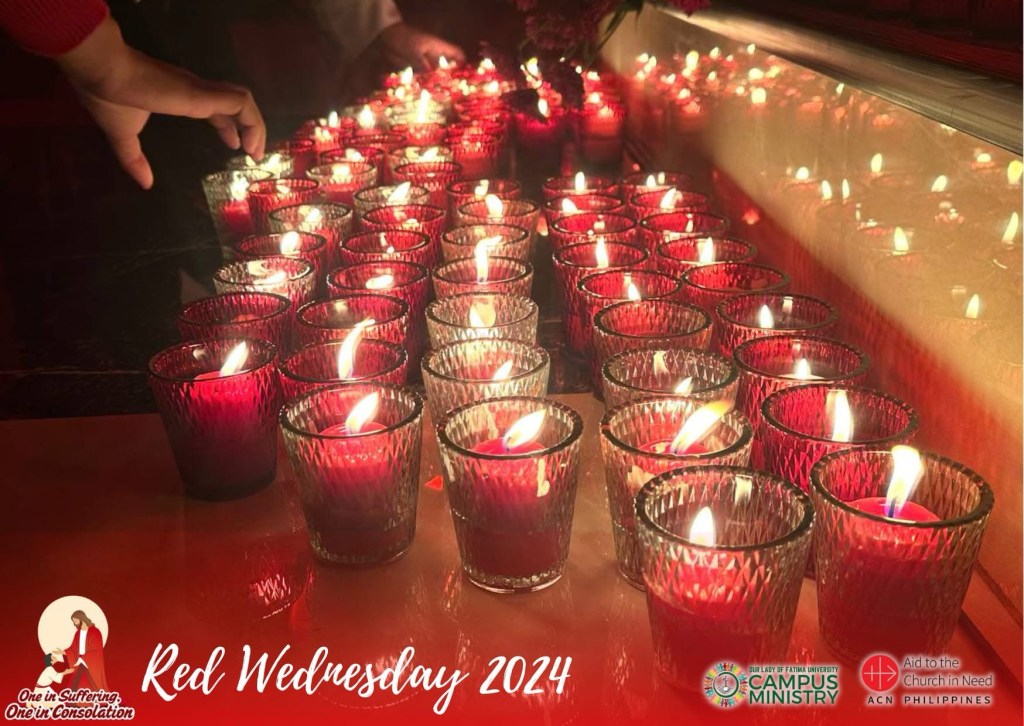
Photo by author, Mt. St. Paul Retreat House, La Trinidad, Benguet, January 2025.
In a sense, candles may be considered as a sacrament too which is defined as a visible sign with invisible power.
The very act of lighting a candle is already the start of prayer, something like the making of the sign of the Cross. I strongly recommend for those who wish to aid their prayer periods with candles to use matches not lighters that are artificial.
Lighting a candle for prayer especially in the morning can rouse our senses. The striking of the match with its sudden burst of light to kindle the candle is like an angel had suddenly come down to assure us that our prayer is heard by God, that God is with us at the very moment or at least reminds us we have turned into the mode of praying.
The strong scent of the burning matchstick also adds flavor and aroma to the prayer period especially in the early morning when the whole world is still dark and everyone still asleep with you as the only one awake with God.
Lighting a candle first thing first upon waking up can help us avoid from getting our cellphones or turning on the radio or the TV. A lighted candle can prevent us from being distracted by these modern gadgets that keep us away from God and from one another.
Lighting a candle during a prayer period in our room or home works like the candlelight dinner that sets us to a lovely communion with God our beloved. The slow burning of a candle reminds us even in our busiest morning that we are at prayer in the presence of God, that we need to slow down too in our lives, to be conscious of our selves, surroundings and time so we can set our sights to God alone like a beloved in a candlelight dinner date.
At night time, the sight of the candle burning in one’s room is most dramatic as we close the day. Actually, it is during night time that the Church prays the Canticle of Simeon.
A painting of Simeon with the Child Jesus from the dailyprayerblog.blogspot.com
Imagine that scene at the temple when Simeon sang as he held the Child Jesus in his arms – of his readiness to die, to go in peace, after seeing Christ the light of salvation. In the darkness of the night punctuated only by a burning candle, we are able to examine our hearts of the many things we have done and failed to do the whole day. These become clearer in the light of the candle that penetrates our hearts and conscience, piercing and rending our souls to remove the darkness within us, exposing the festering anger or bitterness and sadness hiding inside, melting them away with its warmth so we may go to sleep clean and ready to continue with life – here or hereafter like Simeon.
One last note about candles as we end this reflection.
Monks use a candle snuffer in extinguishing candles in their chapels and monasteries. These are long metal instruments with tips like a bell that monks hover above a candle, slowly covering it until its light is snuffed out, hence, the name candle snuffer.
My candle snuffer at the foreground of my altar.
If you want to be serious in praying better with lighted candles, you may buy those small candle snuffers for home use available at some candle shops in the malls. If there is no candle snuffer, one may use the cover of the candle to snuff out the light. What is important is that as we close our prayers with the lighted candle as companion, we don’t simply blow its light to abruptly end its glow.
When blowing the candle used in prayer, do it slowly as if you are whispering. Do it with solemnity.
Every candle used at prayer becomes blessed, demanding some sort of reverence as companions in our prayer life and journey. Of course, it would be good if you can have your candles blessed by the priest for use at home to ward off negative vibes but more important than that is we grow in our prayer life, we become like lighted candles who give light to others in Christ. Like our candles, we also become a prayer to God in our very selves. Amen.Have a blessed week.
Lord My Chef Daily Recipe for the Soul by Fr. Nicanor F. Lalog II
Friday, Third Week in Ordinary Time, Year II, 30 January 2026
2 Samuel 11:1-4, 5-10, 13-17     <*((((>< + ><))))*>     Mark 4:26-34
Photo by author, Museo Valenzuela & the National Shrine of Our Lady of Fatima, Valenzuela City, 21 January 2026.
Thank you Lord Jesus
for the Friday break,
the penultimate day of this month
of January 2026;
it was a heavy week
and a very long month
for most of us we thought
would never end.
We are thankful Lord
today because we are still
with you with many of us
struggling in our prayer lives,
persevering in being good
and everything like being king
and understanding and forgiving;
indeed, like your parable today,
everything good begins so small
like the seed scattered in the field
that sprout and grow while the farmer
sleeps and rises night and day
without really knowing how;
but that is how it is also with
sin and evil that always begins
so small, so subtle
like in the experience of
David in the first reading:
he had been complacent
in his life falling into temptations
of lust that led into murder.
Dear Jesus,
remind us always
to never take little things
for granted -
whether small deeds that
lead to holiness or small
sins that may leave us stuck in
a moment we can't get out of
according to Bono of U2:
You've got to get yourself together
You've got stuck in a moment
And now you can't get out of it
Don't say that later will be better
Now you're stuck in a moment
And you can't get out of it
We pray, Lord Jesus
for those feeling stuck in
a moment or a sin or a vice
or a relationship that they can't
get out of;
give them the courage to quit
and return to you,
even little by little.
Amen.
*I know what you are thinking but this is a good piece from U2's 2000 album "All That You Can't Leave Behind"... it might help you pray better.
Lord My Chef Daily Recipe for the Soul by Fr. Nicanor F. Lalog II
Thursday, Third Week in Ordinary Time, Year II, 29 January 2026
2 Samuel 7:18-19, 24-29     <'[[[[><  +  ><]]]]'>     Mark 4:21-25
Photo by author, Mt. Arayat, Pampanga, 28 January 2026.
How lovely it must be,
dear Jesus,
if there were few sunrise
each year like in other
places of the world;
maybe everybody would be up
very early for those few mornings
we can witness a sunrise
to see and behold;
as I have told you Lord
last Sunday,
I have always loved sunrise
with its subtle yet intense
appeal of light slowly bursting forth,
light breaking out to brighten
the earth and life in it.
Jesus said to his disciples, “Is a lamp brought in to be placed under a bushel basket or under a bed, and not be placed on a lampstand? For there is nothing hidden except to be made visible; nothing is secret except to come to light… To the one who has, more will be given; from the ones who has not, even what he has will be taken away” (Mark 4:21-22, 25).
Thank you,
dear Jesus for that
reassurance today of God
continually pouring out his grace
on us today as he reveals further to us
his glory and majesty in you,
our light,
the true light of the world
never hidden and finally
brought out to the world;
grant me the grace of courage
to bring out your light in me,
Jesus; enough with too much
hiding of you,
now is the time to reveal you
Jesus in me,
through me;
take away my being too shy
even ashamed and afraid
of letting your light shine in me,
Jesus in this time everybody is
so fascinated with the artificial lights
of the world that dazzle us at first
and slowly blinds us until
we could not see the realities
anymore; like King David
in the first reading,
make us realize that it is in
our weaknesses when you,
O Lord, can shine most
and work most.
Amen.
Photo by author, La Paz, Tarlac CLLEX, 28 January 2026.






 lordmychef.com