Good Friday is thirsting for God

Good Friday Reflection by Fr. Nicanor F. Lalog II, 18 April 2025
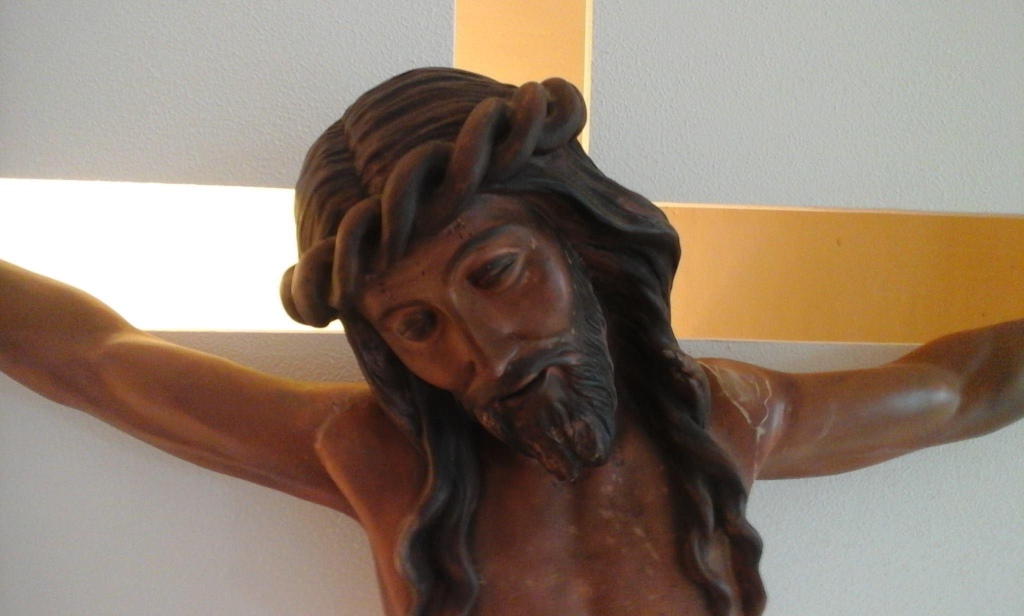
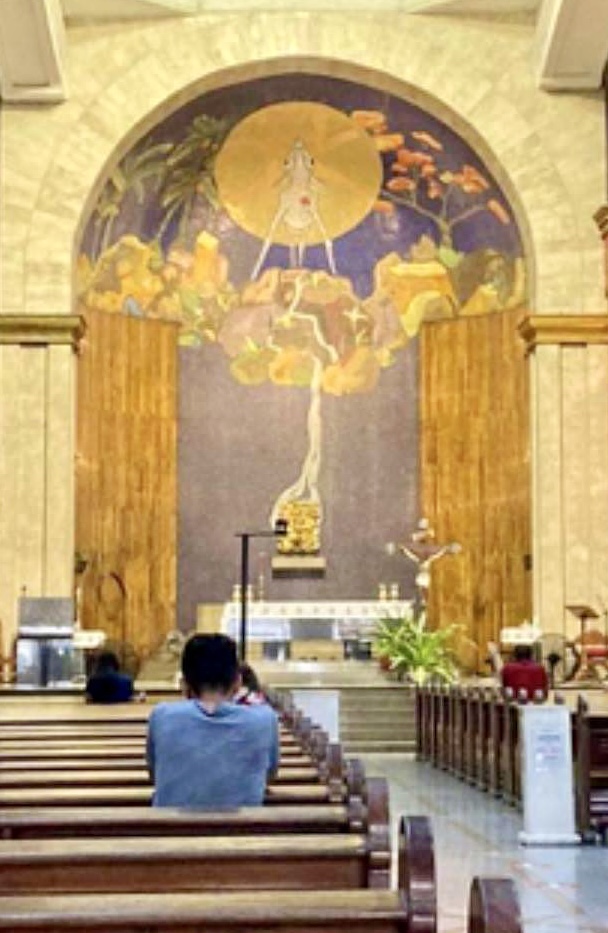
Photo by author, Sacred Heart Novitiate, Novaliches, QC, 17 March 2025.

Twenty-seven years ago today, I was ordained as priest with my six other classmates at the Malolos Cathedral by Archbishop Rolando J. Tria-Tirona. I was 33 years old at that time (and less than 200 pounds in weight).

One thing prevailed in me on the eve of that most beautiful event in my life: Jesus Christ died on the Cross when he was 33 years old. Is my ordination my crucifixion too? Maybe. But due to the euphoria that followed after my ordination, I forgot all about it until I approached the age of 40 and my honeymoon stage in the priesthood waned with all the trials and difficulties – and crises – that followed.

It was at that time every year my birthdays and anniversaries came, I prayed only one thing from God – that I would have a more worry free year, that the following year would be a banner one for me. “Sana naman Lord ngayon ako naman ang panalo, ako naman ang bida, ayoko na sa ilalim ng gulong ng palad. Sana ako naman ang nasa itaas.”

God never heard my prayers. They never came. Actually, the opposite happened as I went through more trials, more difficulties, more pains and hurts that many nights in my prayers I felt like Jesus Christ crying on the Cross on that Good Friday, “I thirst” (John 19:28).

Photo by author, Sacred Heart Novitiate, Novaliches, QC, 17 March 2025.

Many times in life, our prayers to God are cries like that of Jesus on the Cross, “I thirst.”

Those are the times we thirst for love and kindness, for care and understanding, sometimes the most simplest recognition as a person or a brother/sister or a friend from our family and friends.

This is the second time Jesus felt thirsty in the fourth gospel. The first time was when he asked the Samaritan woman for water at Jacob’s well where in fact, it was Christ who gave her the “living water” – himself – in the wonderful conversation that followed.

See that in the fourth gospel, water is one of the significant signs used by the evangelist to portray Jesus Christ like in his first miracle at the wedding at Cana when he turned water into wine. In his conversation with Nicodemus one night, Jesus spoke of the power of water in cleansing us into a new person in Baptism.

The thirst of Jesus Christ on that Good Friday on the Cross is also our thirst for love, for kindness, for faith, for life and for one another. And here is the mystery and paradox: that thirst can only quenched by Christ if we too remain in him, with him on the Cross. That is why after he head died, blood and water flowed from his side pierced with a lance by a soldier. All throughout his life, especially while on the Cross, Jesus never ceased from being good, from doing good, from loving us all, giving us even at his death life and love.

After 27 years as a priest now on my senior year, I have realized this as the only thing I desire most in life – Christ, the only water who can quench all my thirst as a person, as a priest. Life is love which is following Jesus on the Cross. To thirst for love is to desire more the Cross which is to love more the one Crucified, Jesus Christ.

The joy and meaning, the peace and fulfillment we long for in life, we thirst for always are found in the Cross, not in material things nor in fame and glory as the soldiers had mistaken on the Good Friday. Unfortunately, many of us are exactly like those Roman soldiers who give money and material things to those crying “I thirst” to us.

Photo by author, Sacred Heart Novitiate, Novaliches, QC, 17 March 2025.

The Cross of Jesus Christ has always been described as a paradox. And that is really what the Cross is – a paradox and mystery of life at the same time.

When you are on the cross, like this sweltering summer, what is one thing you desire or cry for? Water, is it not?

It is during that time when we are on the Cross of intense pains and sufferings when we truly feel how valuable every drop of water is. It is when we are up against the wall when we realize the most important, the most essential in life like love found in persons who all enable us to feel God’s reality in his loving presence.

This Friday is called Good. The only Friday that is Good in the whole year because that is when we remember, when we make present again in our very lives our being one with Jesus at the Cross like the beloved disciple and his mother, the Blessed Virgin Mary when in our intense thirst, there we experienced the refreshing and life-giving living water Jesus Christ himself. This Good Friday as we reflect on the suffering and death of Jesus on the Cross, what is that one thing you also desire from God?
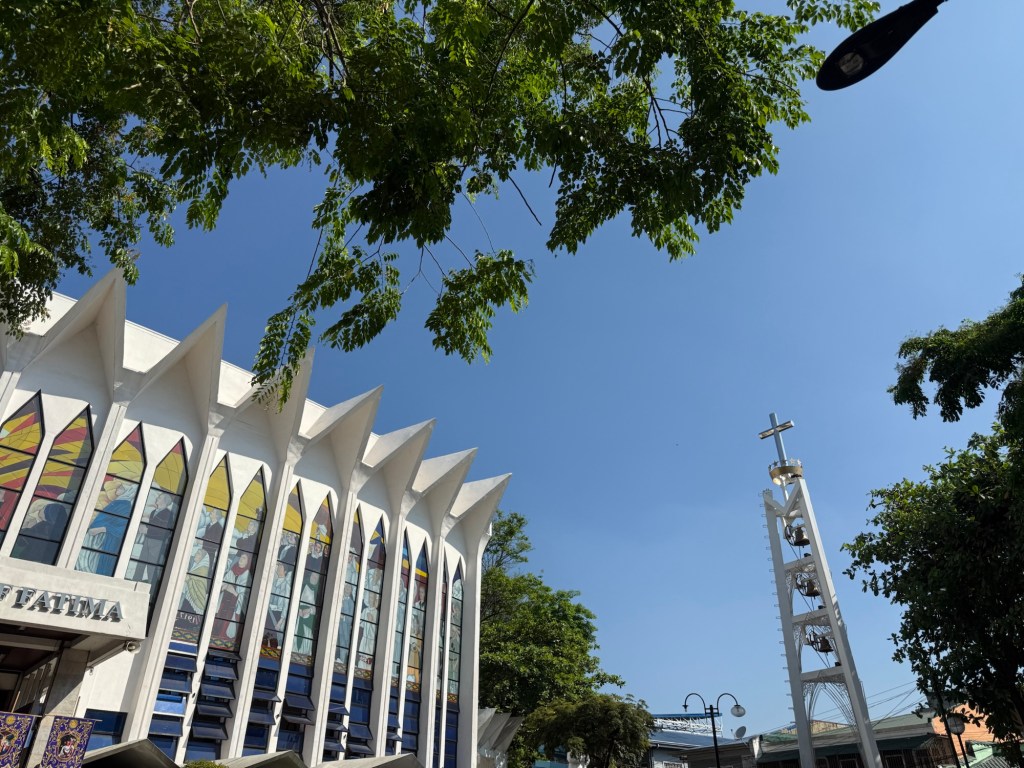
Photo by author, National Shrine of Our Lady of Fatima, Valenzuela City, Good Friday 2025.

We all thirst.

When we thirst, thank God because that means we desire him who is love himself. When we truly thirst like Jesus, that is when we too are on the Cross with him; then, you are at the right place at the right time because it is only on the cross can our thirst be truly quenched in Jesus. Let us follow him always in the Cross for that is what to be loving in the first place which is to be with the One who died on the Cross this Good Friday. Amen.

Pinawi ni Jesus ating uhaw sa Krus

Lawiswis ng Salita ni P. Nicanor F. Lalog II, 25 Marso 2024
Ikalimang Huling Wika ni Jesus
Larawan kuha ni Dean Mon Macatangga ng Our Lady of Fatima University, Valenzuela, 2023.

Pagkatapos nito, alam ni Jesus na naganap na ang lahat ng bagay; at bilang katuparan ng Kasulatan ay sinabi niya, “NAUUHAW AKO!” May isang mangkok doon na puno ng maasim na alak. Itinubog nila rito ang isang espongha, ikinabit sa sanga ng isopo at idiniit sa kanyang bibig.

Juan 19:28-29

Ito ang ikalawang pagkakataon na si Jesus ay nauhaw na bukod tanging makikita lamang natin sa ikaapat na ebanghelyo. Unang nauhaw si Jesus nang Siya ay makiinom sa babaeng Samaritana sa balon ni Jacob sa bayan ng Sychar sa Samaria (Jn.4:7). Sa tagpong iyon naganap ang napaka-gandang usapan sa pagitan ng nauuhaw nating Panginoon at ng babaeng Samaritana nauuhaw sa Diyos, sa pag-ibig at habag.

Mahirap ang mauhaw. Hindi tulad ng gutom na maaring idaan sa tulog. Tiyan lang ang kumakalam kapag tayo ay gutom ngunit kapag tayo nauhaw, dama ng buong katawan ang panghihina. Ramdam na ramdam at nanunuot sa laman at buto ating pagkauhaw. Kaya naman, malalim ang kahulugan ng pagiging uhaw na maaring hindi lamang sa tubig kungdi sa iba pang mahahalagang bagay kailangan ng ating kalooban.

Pagmasdan at damang-dama pagkatao tulad natin ni Jesus nang sabihin Niyang “Ako’y nauuhaw” higit pa sa tubig kungdi ang Kanyang pagkauhaw sa ating pagmamahal at pansin.

Alalahaning sa Ebanghelyo ayon kay San Juan, ang tubig ang isa sa mga pangunahing tanda ni Jesus bilang Kristo. Doon sa kasalan sa Cana nang gawin alak ni Jesus ang mga sinalok na tubig sa banga una Siyang nakilala bilang Kristo. Pagkatapos nito ang sumunod na eksena ang pagbisita sa gabi ng Pariseong si Nicodemo kay Jesus na noon unang binanggit ang tungkol sa pagbinyag o pagsilang muli sa tubig at espiritu (Jn.3:5). Sumunod na eksena doon ang paghingi ni Jesus ng tubig sa babaeng Samaritan kung saan Siya ay nagpakilala bilang “buhay na tubig” (Jn.4:10).

Sa pagsasabi ni Jesus doon sa Krus na Siya ay nauuhaw, Kanyang ipinahahayag di lamang ang pagkauhaw sa tubig kungdi higit pa! Kay laking kahangalan nang bigyan Siya ng ordinaryong alak ng isang sundalong Romano upang mainom. At madalas ay ganoon din tayo kay Jesus na nangakong “ang uminom ng tubig na ibibigay ko ay hindi na muling mauuhaw. Ito ay magiging isang bukal sa loob niya, babalong, at magbibigay sa kanya ng buhay na walang hanggan” (Jn.4:14).

Maliwanag higit pa sa tubig kungdi pag-ibig at malasakit ang kinauuhaw ni Jesus doon sa Krus. Noon at hanggang ngayon.

Si Jesus ang nauuhaw na misis at ina sa pagmamahal at kalinga ng kanyang taksil na kabiyak at mga lapastangang anak na walang iniisip kungdi kanilang mga sarili.

Si Jesus ang nauuhaw na mister at ama na OFW nasa ibang bahagi ng mundo na walang inaasam-asam kungdi ang mga simpleng tawag at texts ng pamilya na papawi ng kanyang pagod at lungkot.

Si Jesus ang nauuhaw na lolo at lola na pakiramdam ay nag-iisa at nawawala dahil sa Alzheimer’s o sa stroke na walang pumpansin sa loob mismo ng kanilang tahanan.

Si Jesus ang nauuhaw na kabataan naghahanap ng panahon at malasakit ng magulang at mga kapatid upang magkaroon ng direksiyon ang buhay, higit pa sa mga binibigay sa kanilang mga gadgets, damit at mga salapi.

Si Jesus ang nauuhaw na maaring katabi mo ngayon naghahanap ng papansin sa kanya, na ngingiti sa kanya at magpaparamdam na siya ay welcomed at, masarap mabuhay!

Huwag nating tularan ang mga sundalong Romano o ang babaeng Samaritana na naghagilap ng mineral water para kay Jesus na naroroon sa bawat taong nakakasalamuha natin.

Ang pinakamainam at masarap na tubig nating maiaalok sa sino mang nauuhaw ay nanggagaling sa kaibuturan ng ating puso at kaluluwa kung saan nanahan si Jesus sa atin na puno ng habag at pag-ibig. Mauhaw tayo kay Jesus dahil tanging Siya lamang makapapawi at makatitighaw sa ating pagka-uhaw.

Manaling tayo.

Minamahal kong Panginoong Jesus,
patawarin po Ninyo ako
kapag pinapawi ko aking pagka-uhaw
sa kung ano-anong alok ng mundo
na kadalasan lalo lamang ako
nauuhaw,
tuyot,
at hungkag;
punuin mo ako ng IYONG SARILI
upang higit KITA na maibahagi
sa kapwa ko nauuhaw
dahil IKAW lamang
ang makakapawi
sa aming pagkauhaw
sa kahulugan
at kaganapan
ng buhay.
Amen.

Only God can quench our thirst

Quiet Storm by Fr. Nicanor F. Lalog II
The Seven Last Words, 05 April 2023
Photo by author, Chapel of the Holy Family, Sacred Heart Novitiate, Novaliches, Quezon City, 2014.

After this, aware that everything was now finished, in order that the scripture might be fulfilled, Jesus said, “I thirst.” There was a vessel filled with common wine. So they put a sponge soaked in win on a sprig of hyssop and put it up to his mouth.

John 19:28-29

This is one of the remarkable scenes in the fourth gospel, our Lord Jesus Christ feeling thirsty, the second time as recorded by John. The first was in the town of Sychar in Samaria when Jesus sat by Jacob’s well at noon and asked a Samaritan woman who came to draw water, “Give me a drink” (Jn. 4:7). A beautiful conversation followed between Jesus who was thirsty and the Samaritan woman, thirsting for God, for love and mercy.

Unlike being hungry for food which we can always bear because its feeling is localized in the stomach that we can easily forego by catching some sleep, thirst is different. When we are thirsty, we feel our whole body sapped dry even to our fingertips that we feel so weak, even affecting our mental faculties. That is why, thirst means more than physical but something deeper that concerns our very soul and being.

Here we find Jesus truly human, thirsting not just for water like us but most of all, for love and attention.

See also that for John, water is one of the most significant signs of Jesus Christ. His first “sign” as John would call his miracles was at the wedding feast at Cana when Jesus turned water into wine. After that wedding, Nicodemus came to Jesus at night where he first mentioned the need to be born in water and spirit (Jn. 3:5). It was after that night when Jesus went to Sychar and asked water from the Samaritan woman with whome he identified himself as “the living water (Jn. 4:10)”.

Here again is Jesus thirsty, but not just asking for water.

How foolish are we in responding to him like the Roman soldiers who gave him an ordinary wine. Worst, there are times we give him tepid, or perhaps turbid water that tastes so awful like that ordinary wine offered by the Romans at Golgotha.

Here is our living water, Jesus Christ who promised that “whoever drinks the water I shall give will become in him a spring of water welling up to eternal life” (Jn. 4:14) thirsting for us, for our love and attention because he alone can quench our thirsts in life.

Jesus is the wife and mother who thirsts for the love and affection of her unfaithful husband and wayward son or daughter who think only of themselves.

Jesus is the husband and father who thirsts for simple calls and expressions of concern from his family those back home while toiling abroad or in the high seas as an OFW or thirsting for understanding and care from those around him when he forgets so many things due to Alzheimer’s or paralyzed by a stroke or handicap.

Jesus is the young man or woman who thirsts for time and presence of a sibling or parents who could not find meaning and directions in life despite the money, clothes and gadgets the world offers.

Jesus is the person nearest to you thirsting for warmth and company, or simply a smile or a friendly gaze that assures him or her that “you are welcomed”.

Let us not be like those Roman soldiers or that Samaritan woman looking for material water to give Jesus present in every person we meet. Many times, the best water is found inside our hearts, deep in our souls where Jesus dwells with his abounding love and mercy, kindness and forgiveness. Let us thirst more for Jesus for he alone can quench our thirsts!

Let us pray:

Dearest Lord Jesus,
forgive me
when I quench my thirst
with things the world offers
that often leave me 
more thirsty,
more dry,
more empty;
let me have more of YOU
to share more of YOU
our living water 
who quenches our
deepest thirsts
for life's meaning
and fulfillment.
Amen.
Photo by Mr. Jim Marpa, 2018.

Ang ating banga, ang panalok ni Hesus, at ang balon ng Diyos

Lawiswis ng Salita ni P. Nicanor F. Lalog II, Ika-14 ng Marso 2023
Larawan kuha ng may-akda, Ikatlong Linggo ng Kuwaresma 2019.
Ang kuwento noong Linggo
ng babaeng Samaritana
at ni Hesus sa balon ni Jacob
ay larawan ng buhay natin
na hitik sa mga palatandaan
napakayaman sa kahulugan.
Tayo ang Samaritana
umiigib sa tuwina
banga ay dala-dala
upang sumalok ng tubig
na papawi sa maraming
nilulunggati nauuwi
sa pagiging sawi;
palaging ubos,
hindi sumapat
upang maampat
pagbuhos at pagtapon
ng inigib na tubig
upang matighaw
maraming pagka-uhaw;
palibhasa laman nitong
ating banga ay mga kasalanan
kaya sa katanghaliang-tapat
tayo ma'y sumasalok
gaya ng Samaritana
upang ikubli
sa mga mata ng iba
ating pagkakasala.
O kay ganda marahil
katulad ng Samaritana
matagpuan sa katanghaliang
tapat itong si Hesus
pagod at naghihintay
sa ating pagdating
upang tayo ang kanyang
painumin ng mga salitang
nagbibigay buhay
at tunay na tumitighaw
sa lahat ng ating pagka-uhaw;
panalok ng Panginoon
ay sariling buhay
sa atin ay ibinigay
doon sa Krus nang
kanyang ipahayag
siya man ay nauuhaw,
isang magnanakaw
kasama niyang nakabayubay
doon din sa krus
sa kanya ay nakiinom
sa Paraiso humantong!
Itong balon ni Jacob
paalala ng matandang tipan 
binigyang kaganapan ni Hesus 
nang ipako siya sa krus
noon ding katanghaliang tapat
ng Biyernes Santo;
sa kanyang pagkabayubay 
at pagkamatay sa krus
siya ang naging balon
at panalok ng tubig
na nagbibigay-buhay
dito na sa ating puso at
kalooban bumabalong;
kung sa bawat pagkakataon
tayo ay tutugon
sa kanya doon sa balon,
atin ding mararanasan
at malalaman na sadyang higit
at di malirip ang tubig niyang bigay 
sinalok ng sariling buhay
upang tayo ay makapamuhay 
ng walang hanggan!  Amen.

Dalawang anyo ng pag-aayuno

Lawiswis ng Salita ni P. Nicanor F. Lalog II, Ika-13 ng Marso 2023
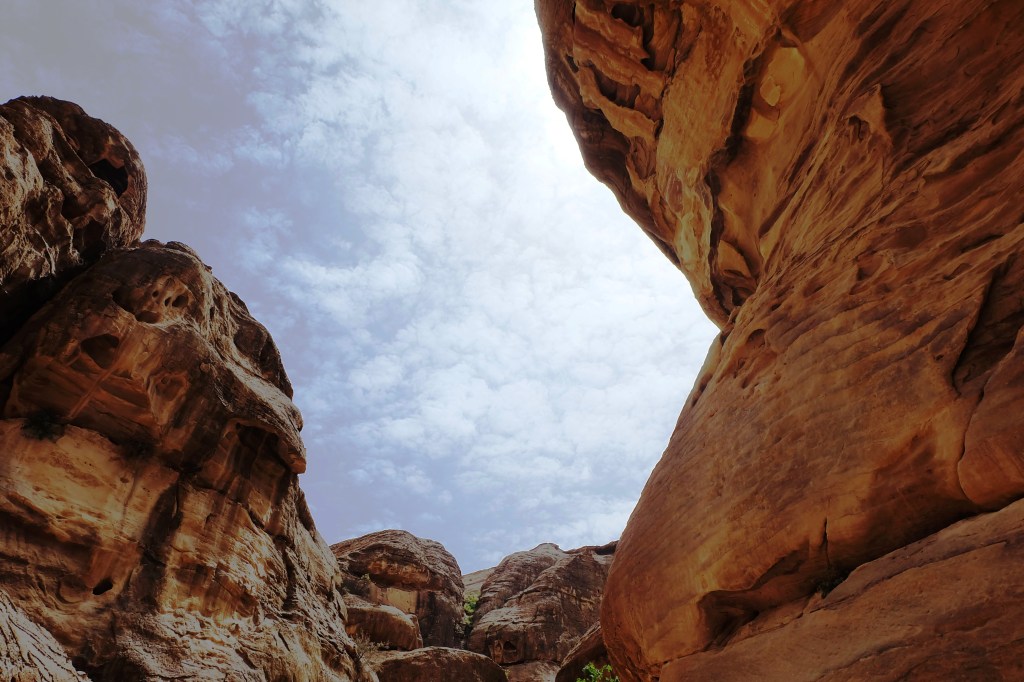
Larawan kuha ng may-akda sa ilang ng Jordan, Mayo 2019.
Apatnapung araw 
nag-ayuno si Kristo
tinukso ng diyablo sa ilang:
“Kung ikaw ang Anak ng Diyos,
Gawin mong tinapay itong bato.”
Bagaman kanyang tiyan
ay walang laman,
hindi nalito si Kristo 
sa tukso ng diyablo
naging matibay 
tulad ng bato
na buhay ng tao 
di nakasalalay
sa tinapay 
kungdi sa
Salita ng Diyos 
na tunay 
nating buhay at gabay.
Dapat nating pakatandaan
na hindi sapat
at lalong di dapat
mapuno tayong lagi 
at mabusog 
ng mga bagay ng mundo
dahil sa maraming pagkakataon 
tayo ay nababaon sa
balon ng pagkagumon
kung laging mayroon tayo;
sa pag-aayuno 
tayo napapanuto
tumitibay ating pagkatao
tuwing nasasaid 
ating kalooban
nawawalang ng laman
nagkakapuwang sa Diyos
na tangi nating yaman!
Nguni't mayroon pang isang anyo
itong pag-aayuno
higit pang matindi
sa pagkagutom
na madaling tiisin
kesa pagka-uhaw
na nanunuot
sa kaibuturan
ng ating katawan
hindi maaring ipagpaliban
gagawa at gagawa
ng paraan
upang matighaw
panunuyo ng labi
at lalamunan
madampian
kahit tilamsikan
ng konting kaginhawahan!
Maraming uri ating
pagka-uhaw:
pagka-uhaw ng laman
at sa laman
nahahayag
sa kayamanan,
kapangyarihan,
at katanyagan
na pawang mga anyo lamang
ng iisa nating pagka-uhaw
sa Diyos at Kanyang pag-ibig
sana sa atin may pumansin
at kung maari
tayo ay kalingain,
intindihin,
at patawarin,
mga lihim nating mithiin,
inaasam, hinihiling.
 
Kay sarap namnamin
paanong si Hesus
ating Diyos at Panginoon
nag-ayuno upang
magutom at
mauhaw din
tulad natin
upang ipadama
pag-ibig Niya
sa atin; Siya lamang
ang pagkaing bubusog
sa atin
at inuming titighaw
sa pagka-uhaw natin
kaya pagsikapang
Siya ay tanggapin
at panatilihim sa 
kalooban natin!
Larawan mula sa reddit.com.

Lent is quenching our deepest thirst, God

40 Shades of Lent by Fr. Nicanor F. Lalog II
Third Sunday in Lent-A, 12 March 2023
Exodus 17:3-7 + Romans 5:1-2, 5-8 + John 4:5-15, 39, 40-42
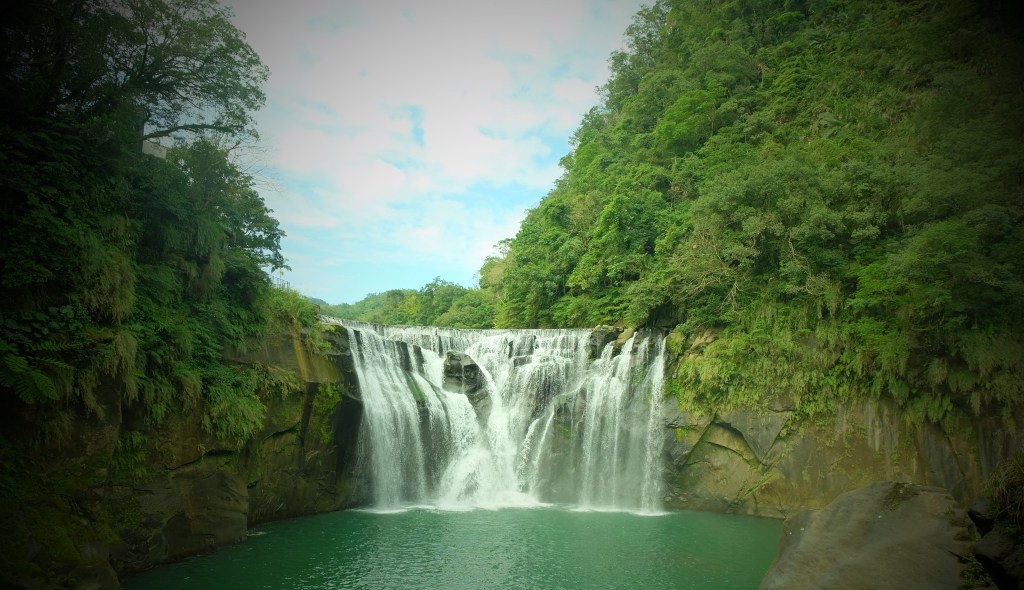
Photo by author, Taiwan, January 2019.

Thirst for water is something more intense for us humans than hunger for food. Thirst is something too strong we could feel affecting us deep down to the most remote and minutest parts of our body unlike hunger that is localized in the stomach area. Thirst moves us to search for water, even sending us to scamper even for droplets of water to quench our thirst unlike hunger we often dismiss by sleeping in the hopes of forgetting it, even overcoming it.

But not our thirst for water, something we would always quench by all means.

That is why, thirst would always mean more than physical but also something deeper that concerns our very soul and being. This is the beautiful meaning of our gospel this Sunday – from the wilderness of temptations to the summit of a high mountain of his transfiguration – we now join Jesus into a Samaritan town for some water after a very tiring journey on his way to Jerusalem to fulfill his mission. Here we also find Jesus thirsting for us humans, sinners as we are, like on the Cross at Good Friday.

Jesus came to a town of Samaria called Sychar, near the plot of land that Jacob had given to his son Joseph. Jacob’s well was there. Jesus, tired from his journey, sat down there at the well. It was about noon. A woman of Samaria came to draw water. Jesus said to her, “Give me a drink.” His disciples had gone into the town to buy food. The Samaritan woman said to him, “How can you, a Jew, ask me, a Samaritan woman, for a drink?” – For Jews use nothing in common with Samaritans. – Jesus answered and said to her, “If you knew the gift of God and who is saying to you ‘Give me a drink,’ you would have asked him and he would have given you living water.”

John 4:5-10
Photo by author, an old well somewhere in the desert of Egypt, May 2019.

There are a lot of interesting details in this opening lines of this long story of Jesus with the Samaritan woman. Very notable is Jesus coming into a Samaritan town and talking to a woman that are both a big no, no for Jews at that time as the evangelist explained in verse 9, – For Jews use nothing in common with Samaritans.

It is very clear that what we have here is more than a geographical setting but a revelation of God’s immense love (and thirst) sending Jesus for us all especially the sinners and those neglected by the society, living in the margins like women and children, the poor and the elderly.

That Samaritan woman symbolizes us whom Jesus searches to return home to the Father.

Notice that Jesus comes to the well at the hottest time of the day, at noon when the Samaritan woman would come to draw water. Why? Because as we have seen in the story, the woman was a sinner, living with her sixth “husband” as pointed out to her by Jesus himself. She drew water at that time when no one was at the well to avoid the Marites of the town who would always feast with gossips about her scandalous lifestyle!

Is it not the same with us too? Jesus comes to us right in the heat of our sinfulness, of our infidelities, of our cheating, of our unkindness and unforgiving? It is when we are hot in sin when Jesus comes thirsting for us, inviting us to return to him. And too often, he works wonders to win us over, even sometimes allowing us to feel like the Samaritan as so special in doing him a favor.

A woman of Samaria came to draw water. Jesus said to her, “Give me a drink.” His disciples had gone into the town to buy food. The Samaritan woman said to him, “How can you, a Jew, ask me, a Samaritan woman, for a drink?”

John 4:7-9
Photo by author, Third Week of Lent 2019, Parokya ni San Juan Apostol at Ebanghelista, Bagbaguin, Sta. Maria, Bulacan.

Here we find Jesus working subtly, even playing by our games while we are in the heat of our sins and other pursuits in life when he would ask us favors, namely, asking for a drink.

In response, the Samaritan woman opens herself to a dialogue with Jesus rather than outrightly dismissing him as a nuisance. She felt that in giving Jesus a drink, she would do him a favor when in fact, as we have seen later, it was the Lord who did her the most favor as we shall see too on the Cross at Good Friday especially with Dimas.

Are we not like this Samaritan woman when we are in the heat of our sinfulness with our bloated ego that we even dare think of doing God a favor by entering into a dialogue until suddenly, for good reasons, we are swept off in our feet, finding ourselves in his merciful and loving arms?

Like the Samaritan woman, in opening to Jesus to a dialogue when we are in the noontime of our sinfulness or simple ordinariness, that is also when we allow the Lord to do us a great favor.

That is why I always tell people to give us priests a chance to do something good, never to compensate our services and ministry with remunerations. Very often, people say they feel so blessed with our ministry and presence but the truth is, we priests are the ones more blessed when we are able to selflessly serve you our flock!

This I have always felt in hearing confessions and anointing the sick especially since last year as a chaplain at the Fatima University Medical Center here in Valenzuela City. I have instructed our nurses to always insist to the family of patients to never give me anything after visiting their sick. They do not realize the tremendous grace and blessings I experience when I visit the sick, hear their confessions and anoint them with oil. Even when patients die, because as my former Parish Priest Fr. Ersando used to tell me as a young priest 24 years ago, confessing and absolving the sins of the dying and anointing them with holy oil are the most meritorious acts of a priest in preparing the faithful in meeting God our Father. This I have experienced so true in the recent death of Msgr. Teng Manlapig whom I have shared last week.

Many times in our lives, it is through the many “inconveniences” we experience that Jesus comes to invite us to open ourselves to receive his abundant graces and blessings not necessarily material in nature. God is never outdone in generosity and everything is pure grace in him because we are always blessed with more than we give when we offer him the gift of our self to do his will.

Remember always Jesus Christ’s words to the Samaritan woman at the well which are the same words he tells us especially when we are hot in our personal pursuits in life, “If you knew the gift of God and who is saying to you ‘Give me a drink,’ you would have asked him and he would have given you living water.”

In the first reading we have heard how “In those days, in their thirst for water, the people grumbled against Moses” (Ex. 17:3), quarreling among themselves and testing God.

How sad that until now, we grumble and quarrel and test God because of our many thirsts for things and pleasures we thought would complete us. Sometimes we feel as if God owes us so much that we feel so entitled in this life, deserving all the good things without realizing how God knows us so well, even the sins we hide most. We keep on thirsting and desiring so many other things when it is only God whom we must desire first of all, actually desire and thirst most all like the deer that yearns for streams of running water (Ps. 42:2).

Photo courtesy of Rev. Fr. Herbert Bacani, 2023.

One of my favorite churches of all time is the Sta. Cruz in Manila. It is one of the most beautiful churches that has remained unchanged, never altered. As a child more than 50 years ago until now, I am still fascinated by its sanctuary of a painting or a mosaic of Jesus Christ the lamb slain and offered as sacrifice whose blood is like the waters of a spring flowing into us through the Blessed Sacrament.

Notice that this story of Jesus with the Samaritan woman comes after his meeting with the Pharisee named Nicodemus at night where the Lord first discussed the symbolism and importance of being born again in water of Baptism and the Spirit to become a new person in him. This time at Jacob’s well Jesus promised the Samaritan woman water that becomes in the one who drinks it a source springing up into eternal life so that whoever drinks it will never be thirsty again.

This has become possible because Jesus “died for us while we were still sinners” (Rom. 5:8) on the Cross when he said again, “I thirst” (Jn. 19:28-29)!

May we continue to thirst for God by entering into dialogue with Jesus especially when he comes to us, also thirsty, asking us for some small favors from us in order to gift us with his bigger favors we have never imagined. Amen.