
The Lord Is My Chef Simbang Gabi Recipe-7 for the Soul
by Fr. Nicanor F. Lalog II
Tuesday, Advent Week IV, 22 December 2020
1 Samuel 1:24-28     >><)))*>   +   <*(((><<     Luke 1:46-56

When I was about to enter the high school seminary, an aunt would always comment on our way to school how I would become a priest when I am a big fan of rock and roll music. You know, the usual stuff ever since with old folks about rock music as evil and everything…
Looking back, I just imagine what if I had told her and my other relatives the meaning of Steely Dan that is my most favorite band? Most likely they would have fainted! And I would tell tell them too that I am the only priest who had played Stairway to Heaven in Radio Veritas where I used to co-anchor a show, playing only good, old rock n’ roll to the delight of many listeners despite protests from management.
Lately I have been blogging every week linking secular music with the Sunday gospel that had enabled me to reach new and younger generations I hope had rediscovered Jesus in the music I had offered them.
The German philosopher Arthur Schopenhauer had said that “music is the food of the soul” and it is very true for it transcends cultures and languages that even if you do not understand the lyrics, music always touches the soul.
Meanwhile, the great English playwright William Shakespeare is said to tell his audience at the start of his plays that “If music be the food of love, play on.” That’s very beatiful. Like love, music is best served with another person; when we sing, it is always to pour our hearts out. We let others hear our song even if we sing alone because that is what music is all about – it is meant to be shared.
This is the reason why Mary sang her Magnificat during her Visitation of Elizabeth, not by herself in Nazareth after the angel had left after announcing to her the birth of Jesus.
Mary said: “My soul proclaims the greatness of the Lord; my spirit rejoices in God my savior. For he has looked upon his lowly servant. From this day all generations will call me blessed: the Almighty has done great things for me, and holy is his Name.”
Luke 1:46-49
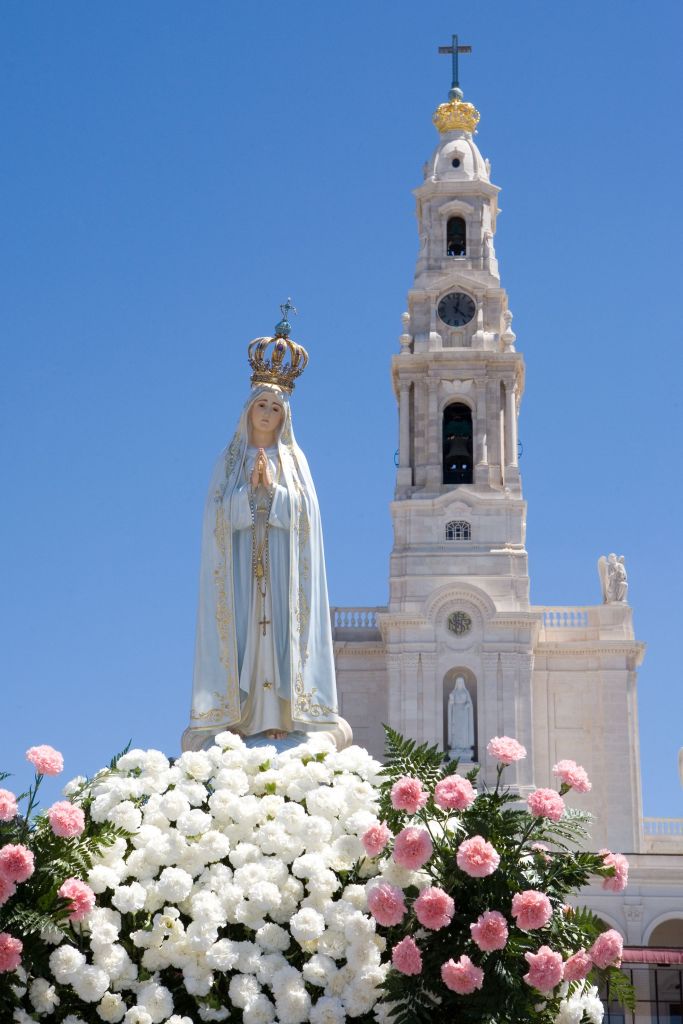
Mary praised and thanked God with her “Magnificat”
Recall how Elizabeth praised Mary twice and her baby Jesus in the womb once yesterday at the Visitation. Naturally for us, when we are praised we always return it by praising too whoever spoke nicely of us.
But that was not the case with Mary. She took the occasion to praise and thank God for all His goodness and salvific work in her and in Elizabeth. Like Hanna in the first reading and responsorial psalm today who sang praises to God in giving her a son in the prophet Samuel, Mary while filled with the Holy Spirit sang this canticle, narrating how God worked in her and through her.
Our lives is a song of thanksgiving always to God who never stops doing great things for us not to make us famous but to bring His divine will into fulfillment. Mary affirmed this when she admitted her own blessedness, “From this day all generations will call me blessed: the Almighty has done great things for me, and holy is his Name.”
Yesterday we have reflected that true blessedness is to trust in God. Likewise, Mary added another dimension in what is to be blessed before God and that is being His servant, His slave or in her very words to the angel at the annunciation, “Behold, I am the handmaid of the Lord. May it be done to me according to your word.”
A handmaid is the feminine form of “slave” but more than being poetic in her identification as a female slave of God, Mary through her Magnificat showed us a glimpse of the lives of the early Christians at that time who were considered “weird” and “odd”, even “bizarre” among the Roman pagans who could not understand why they worshipped Jesus Christ they saw as “a crucified criminal”.
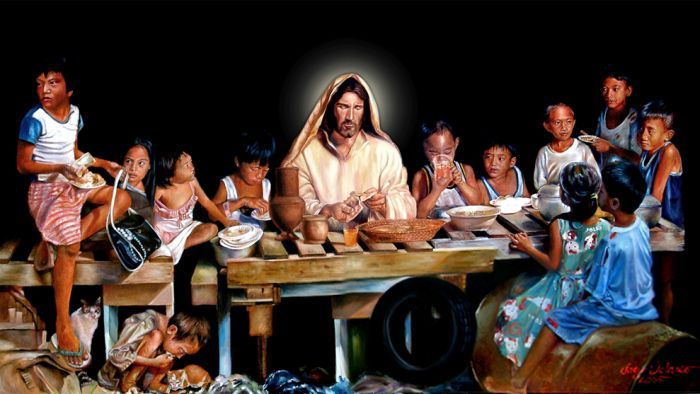
Worst of all for the pagans, they could not understand why the early Christians who were mostly poor would give themselves to Jesus in loving service to others like the sick, the elderly, the hungry, widows and orphans and those living in the margins.
In fact, the Roman historian Pliny recorded in his writings how during the persecution the emperor’s soldiers rounded up Christians in every town and city by looking for anybody doing good, serving the poor and needy! It is something to think about for us Christians today: Would any one of us be arrested because we are doing something good like serving the less fortunate?
Mary, the first model disciple, the first to live out the Gospel
In singing her blessedness by God, Mary had assumed her being the spokeswoman of the early Christians, the poor ones or anawim of Israel who were truly poor materially, trusting entirely on God.
Here lies her challenge to us who love to sing her Magnificat: do we allow God to work in us His salvation?
“He has mercy on those who fear him. He has shown the strength of his arm, and has scattered the proud in their conceit. He has cast down the mighty from their thrones and has lifted up the lowly. He has filled the hungry with good things, and the rich he has sent away empty. He has come to the help of his servant Israel, for he remembered his promise of mercy…”
Luke 1:50-54
Again, we find many similarities in the Mary’s Magnificat and Hanna’s song we heard in the responsorial psalm. But, more than that is the striking similarity of Magnificat with the Beatitudes to be preached by Jesus according to Luke.
In Matthew’s gospel, there are eight Beatitudes preached by Jesus at his sermon on the mount; Luke narrated it differently by citing only four Beatitudes he paired with four woes that Jesus preached in His sermon on the plain (this is due to the different audience Luke and Matthew addressed):
Blessed are you who are poor… Blessed are you who are now hungry… Blessed are you who are now weeping… Blessed are you when people hate you…
Woe to you who are rich… Woe to you who are filled… Woe to you who laugh now… Woe to you when all speak well of you…
Luke 6:20-26
Magnificat is the Gospel in a nutshell. See the works of God cited by Mary perfectly jibing with the Beatitudes of Jesus. Here we find again how Luke has shown us the consistency of Mary as a disciple of her Son Jesus Christ by witnessing to His teachings, living them out for which she was crowned as Queen of heaven and earth.
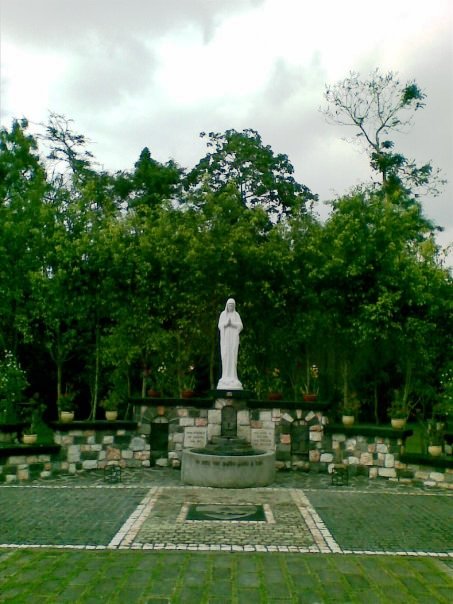
This is the reason why I love so much the image of Fatima and of Banneux known as Lady of the Poor with Mary portrayed as so simple yet so lovely and beautiful. What a scandal for the Church in our time with all those lavish processions and coronations of the Blessed Virgin Mary where the poor are left out, becoming more of a social function among the rich and famous. What a shame most especially amid the pandemic when some parishes can spend so much fortune in these rituals that look more as a show which the Blessed Virgin would definitely disapprove. Keep in mind how Mary identified herself as “handmaid of the Lord” — do away all those pomp and pageantries please!
Every night, we priests and the religious sing the Magnificat in our Evening prayers to examine ourselves if we have lived out the Gospel message of the Lord, if we have been poor and hungry, if we have allowed ourselves to be used by God to effect His salvation among the suffering.
The same is true with every disciple of Jesus: when we sing the Magnificat or “Ang Puso ko’y nagpupuri”, we have to do some soul searching how consistent we have been as a disciple of the Lord like His Mother Mary.

How sad late yesterday when some people -whether they are trolls or not – had come out expressing support to that cop who brutally shot and killed Sonya Gregorio and her son Anton in their home in Paniqui, Tarlac Sunday afternoon.
How can some people be not affected and even defend or belittle such unspeakable crime of a man supposed to uphold the law, protect civilians?
What had gone wrong with us as the only Christian nation in this part of the world?
Can we sing “Ang puso ko’y nagpupuri sa Panginoon, nagagalak ang aking espiritu, sa aking Tagapagligtas” while we rejoice and defend all forms of brutalities and violence around us?
As we strongly condemn this unspeakable crime and demand justice for Sonya and Anton, let us work hard and pray hardest to imitate Mary to effect change in the society we live in and create by being a voice of the poor and vessel of God’s salvation. Amen.