Lawiswis Ng Salita ni P. Nicanor F. Lalog II, Ika-22 ng Pebrero 2024
Larawan kuha ni Stefano Rellandini ng Reuters sa Manila Cathedral, Enero 15, 2015. Binatikos at binash (dapat lang) ng mga netizens mga pari noong Misa ni Papa Francisco sa Manila Cathedral nang mapansing walang tigil nilang pagkuha ng mga video at larawan, di alintana kasagraduhan ng Banal na Misa.
Ang demonyong cellphone
palaging nasa loob ng simbahan
hindi upang magsimba o manalangin
kungdi upang tayo ay linlangin
mawala tuon at pansin
sa Diyos na lingid sa atin,
unti-unti na nating ipinagpapalit
sa demonyong cellphone na halos
sambahin natin!
At iyan ang pinakamalupit
na panunukso sa atin ngayon
ng demonyong cellphone
na ating pahalagahan mismo sa
loob ng simbahan
habang nagdiriwang
ng Banal na Misa at iba pang mga
Sakramento gaya ng pag-iisang dibdib
ng mga magsing-ibig!
Isang kalapastanganan
hindi namamalayan
ng karamihan sa kanya-kanyang
katuwiran gaya ng emergency,
importanteng text o tawag
na inaabangan, higit sa lahat,
remembrance ng pagdiriwang:
nakalimutan dahilan ng paqsisimba
pagpapahayag ng pananampalataya
 sa Diyos na hindi tayo pababayaan
 kailanman; kung gayon,
bakit hindi maiwanan sa tahanan
o patayin man lamang
 o i-silent sa bag at bulsa
ang demonyong cellphone?
Hindi man natin aminin
ang demonyong cellphone ang
pinapanginoon,
pinagkakatiwalaan
ng karamihan kaysa Diyos
at kapwa-tao natin
kaya pilit pa ring dadalhin,
gagamitin sa pagsisimba
at pananalangin!
Kung tunay ngang
Diyos ang pinanaligan
habang ating pamilya
at mga kaibigan
ang pinahahalagahan,
bakit hinahayaang
mahalinhan ating buong pansin
ng pag-atupag sa demonyong
cellphone tangan natin?
Pagmasdan sa mga kasalan
sa halip ating maranasan
kahulugan ng pagdiriwang,
kagandahan at busilak ng lahat,
asahan aagaw ng eksena
demonyong cellphone kahit
mayroong mga retratista
naatasang kunan at ingatan
 makasaysayang pagtataling-puso
kung saan tayo inanyayahan
upang ipanalangin na pagtibayin
pagmamahalan haggang kamatayan
na ating tuluyang nakalimutan
matapos tayo ay nalibang at nalinlang
ng demonyong cellphone.
Sa bingit ng kamatayan
naroon ating "last temptation"
ng demonyo sa anyo pa rin ay cellphone
upang sa halip na ipanalangin
naghihingalong mahal natin,
demonyong cellphone pa rin
sa kahuli-hulihan ang hawak habang
kinukunan huling sandali ng pagpanaw
Diyos na ating kaligtasan, tinalikuran!
Lawiswis ng Salita ni P. Nicanor F. Lalog II, Ika-21 ng Pebrero 2024
Larawan mula sa forbes.com, 2019.
Ang demonyong cellphone
tukso at ugat ng pagkakasala
sa maraming pagkakataon;
mga chismis, maling impormasyon
kinakalat agad namang kinakagat
ng marami sa pag-iisip
at pang-unawa ay salat.
Ang demonyong cellphone
hindi mabitiwan
hindi maiwanan
palaging iniingatan
mga tinatagong lihim
larawan at kahalayan
ng huwad nating katauhan.
Ang demonyong cellphone
istorbo at pang-gulo
panginoong hindi mapahindian
napakalaking kawalan
kung hindi matandaan
saan naiwanan,
katinuan nawala nang tuluyan.
Ang demonyong cellphone
winawasak ating katahimikan
nawala na rin ating kapanatagan
sa halip maghatid ng kaisahan
pagkakahiwa-hiwalay bunga
sa maraming karanasan
pinalitan pamilya at kaibigan.
Ang demonyong cellphone
lahat na lang ibinunyag
wala nang pitagan ni
paggalang sa kasagraduhan
ng bawat nilalang
ultimo kasamaan
nakabuyangyang, pinagpipistahan.
Ang demonyong cellphone
palagi nang namamagitan
sa ating mga ugnayan
atin nang nakalimutan
damhin kapanatilihan
pinalitan nitong malamig
na kasangkapan pintig ng kalooban.
Sa panahong ito ng Kuwaresma
iwanan at bitiwan ang cellphone
dumedemonyo, nagpapagulo
 sa buhay nating mga tao;
manahimik katulad ni Kristo
sa ilang nitong ating buhay
upang Siya ay makaniig
at marinig Kanyang tinig
ika'y iniibig!
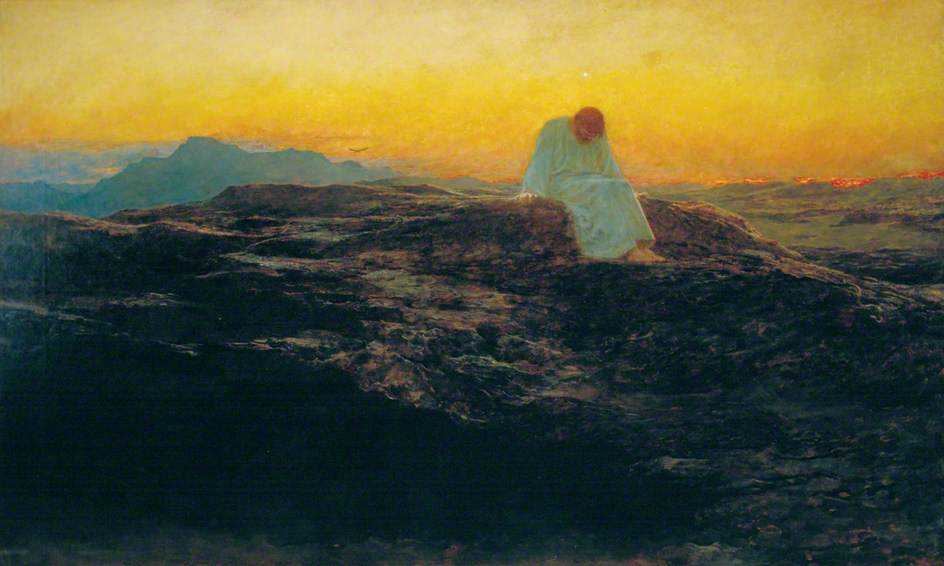
Ang painting na “Temptation in the Wilderness” ni Briton Riviere (1840-1920) mula sa commons.wikimedia.org.
Lawiswis ng Salita ni P. Nicanor F. Lalog II, Ika-26 ng Setyembre 2023
Larawan mula sa redditt.com ng iskulturang pinamagatang “Love” ni Ukrainian artist Alexander Milov naglalarawan ng inner child sa bawat isa sa atin na ibig palaging makipag-ugnayan sa kapwa.
Hindi po tungkol sa pulitika ang aking lathalain kungdi ukol sa tila lumalabis nang pagkahumaling ng mga tao sa computer at mga makabagong teknolohiya. Sa aking palagay ay sumusobra na pagsaklaw ng teknolihiya sa ating buhay at nawawala na ating pagkatao. Hindi ako magtataka na bukas makalawa, magkakatotoo na nga yata yung dating ipinangangamba na pananakop ng mga robot sa ating buhay o mismo sa ating mga tao!
Ang katotohanan po ay tumigil na akong kumain sa mga fastfood restaurant hindi dahil sa magastos at unhealthy nilang pagkain at inumin kungdi ang mga nakaka-inis na sisteng kailangang pa akong umorder nang nagpipindot sa mga screen nila ng kakanin gayong may mga crew naman sila.
Minsan pauwi ako mula sa pagmimisa sa lamay sa patay sa Bulacan. Hindi ako gaanong nakakain kaya dumaan ako sa McDonald’s sa Nlex Drive and Dine. Ayokong mag-drive thru para doon na rin makapagpahinga ng konti sabay pagpag na rin maski hindi ako naniniwala doon.
Sising-sisi ako at dumaan pa ako doon; sana nga pala ay nag-drive thru na lang ako kasi naman ay ganito po ang nangyari.
Larawan mula sa news.abs-cbn.com
Pagpasok ko sa McDonald’s doon ay tumambad sa akin ang mga higanteng screen na doon daw oorder. Kasinglaki ni Ronald McDonald yung mga screen pero hindi sila friendly kasi natakot ako. Aminado akong tanga at walang alam sa mga iyon. Hindi po ako techie. Kahit naka-iPhone ako, inaamin kong hindi ko pa rin alam hanggang ngayon kung paano ito gamitin. Di ko naintidihan yang mga hacks na iyan.
Wala akong nagawa kungdi sumunod sa crew na naka-ngiti naman. Binasa ko instructions. Pindot dito, pindot doon. Ewan ko. Naghalo na rin siguro gutom at katangahan, pabalik-balik ako sa simula at hindi maka-order. Mayroon akong nakasabay na engot din at lumapit sa amin yung guwardiya upang tulungan kami. Nawalan na ako ng ganang kumain sa inis sa screen, sa sarili ko na rin, at sa pamunuan ng McDonald’s. Bakit hindi na lang kinuha order ko kesa pinahirapan pa ako doon sa electronic counter na yun?
Bakit kailangang pilitin ang lahat na gumamit ng computer para sa pag-order? Hindi ba naiisip ng mga fastfood na ito na mayroong mga taong hindi pa rin gamay at handa sa gayong uri ng transsaksiyon? Ang pinaka-ayoko sa sisteng ito ng modernisasyon na ang lahat ay automated at computerized ay nawawala ang ating “pagkatao”, iyon bang human touch at humanness ika sa Inggles.
Larawan mula sa NLEX.
Sa expressway ay mauunawaan ko pa dahil upang mapabilis ang biyahe, mainam ang RFID. Ngunit may mga pagkakataon na hindi ako nagmamadali na pagkaraan ng nakakapagod na pagmamaneho sa trapik, ang ibig ko lang ay mayroong makitang isang kapwa-tao. Yung bang madama lang yung “warmth of another human person” ay malaking bagay na rin upang mapawi pagod at stress, na para bang nagsasabing hindi ka nag-iisa. Noong dati ay nakakausap ko pa ng kaunti mga teller sa Nlex sa paniniwala na makapagpasaya lang ako ng isa pang nilalang na maaring bigat na bigat sa problema. Ngayon, wala na yung koneksiyon na iyon kaya hindi kataka-taka, marami sa atin ang disconnected sa isa’t-isa maging sa sarili! Kaya sabog maraming tao ngayon. Siguro kung maibabalik lang natin marami nang nawalang human interaction, mababawasan yang mga road rage sa lansangan.
Isang nakakamiss para sa akin ang magpunta sa bangko at pumila, makahunta ilang mga tao doong kakilala pati na ang manager at magagandang teller. Iyon ang wala sa electronic banking. Totoong convenient at mabilis ang pagbabangko gamit ang cellphone o computer ngunit napaka-impersonal! Iyon na ba ang mahalaga sa atin ngayon, kaginhawahan kesa ugnayan sa kapwa tao?
Pakikipag-ugnayan ang layon ng komunikasyon. Para sa akin, ang pinakamagandang paglalahad ng kahulugan ng komunikasyon ay mula sa Pastoral Instruction na Communio et Progressio sa pagpapatupad ng dokumento ng Vatican II sa social communication na Inter Mirifica:
Communication is more than the expression of ideas and the indication of emotion. At its most profound level it is the giving of self in love. Christ’s communication was, in fact, spirit and life.
Communio et Progessio, #11
Sa lahat ng nilalang ng Diyos, tao lamang ang kanyang binahaginan ng kanyang kapangyarihang makipagtalastasan o komunikasyon. Ang aso ay tumatahol, pusa nagme-meow at ang baboy ay nag-o-oink-oink. Ngunit ang tao, nagsasalita, nangungusap. Naiintindihan, nauunawaan. At kapag nangyari iyon, nagkakaroon ng ugnayan at kaisahan. Communication, tapos communion.
Hindi ito nangyayari sa computer. Manapa, madalas pakiwari ko ay inuulol tayo ng mga ito! Ano kalokohan yung alam mo namang AI (artificial intelligence) o robot ang “kausap” mo tapos sasagot ka sa kahon na “I am not a robot”? At, mantakin mong utusan ka ng Waze o Google map na pakiwari mas alam niya lahat kesa iyo?
Kaya siguro maraming high blood din ngayon kasi nga kapag sumablay mga teknolohiyang ito lalo na ang mahinang signal, tapos na lahat ng usapan. Sa gayon, walang napagkakayarian, walang napagkakasunduan kaya wala ring kaisahan.
Ito rin ang hindi ko magustuhan sa ipinagmamalaki ng dati kong upisina at network, iyong kailang AI-sportscasters.
larawan mula sa gmanetwork.com.
Heto na yata ang rurok ng kalabisan sa pagkamaliw ng karamihan sa teknolohiya. Unang tanong natin dito ay ano po ba ang turing ng mga kumpanyang gumagamit nito sa kanilang mga taga-tangkilik? Tayo ba ay pinahahalagahan pa nila at ipinauubaya na lamang tayo sa mga robot?
Higit sa maraming mahuhusay na tagapagbalita, sa ganang akin walang puwang sa newscast o ano mang uri ng pagbabalita ang mga AI dahil ang komunikasyon ay ugnayan. Communication is a relationship, lalo na balita at isports. Kahit na maperfect pa ang teknolohiyang iyan, hindi mapapalitan at di dapat mapalitan ang tao sa pakikipag-ugnayan sa kapwa tao.
Ikalawa, ano ang dahilan para magkaroon ng AI na sportscaster? Magmalaki? Magyabang? Ano pa kaya gusto ng GMA-7 gayong wala na silang kalaban?
At dapat nilang asikasuhin ay mabigyan tayo ng buhay na mga programa, coverage na umaantig sa aming pagkatao, kayang hipuin kaibuturan ng aming sarili upang madama tuwa at lungkot ng bawat tagumpay at kabiguan saan mang larangan ng buhay. Maramdaman nating hindi tayo nag-iisa sa pag-aasam ng tagumpay at kaunlaran dahil mayroong kaming mga kalakbay sa biyaheng ito ng buhay. Iyon ang kahulugahan ng integrated news – buo. Paanong naging integrated news kung hindi naman tao ang sportscaster nila? Hindi ba doon pa lamang ay sira na ang kabuuan? Sila ba ay mayroong puso para ituring na Kapuso?
Ang kailangan ay isang kapwa na makakasama sa buhay lalo na sa media. Sa Inggles, tawag doon ay companion. Mula sa dalawang salitang Latin, cum na ibig sabihi’y with o kasama at panis na kahulugan ay bread o tinapay; sa literal na salin, ang companion – cum panis – ay kahati sa tinapay. “Someone you break bread with.” Ang tinapay naman ay tanda ng ating sarili, ng ating buhay. .
Samakatwid, ang companion o kasama ay isang kapwa na nagbabahagi ng kanyang sarili sa kapwa upang mabuhay din. Iyan ang dangal at karangalan ng pagbabalita na sadya namang maipagmamalaki ng GMA News mula marami nilang mahuhusay na newscasters at reporters. Kaya lahat ay nalungkot nang pumanaw si G. Mike Enriquez na naging bahagi ng buhay ng maraming kababayan natin sa kanyang estilo ng pagbabalita. Taong-tao siya, ika nga.
Larawan kuha ng may-akda, Our Lady of Fatima University, Valenzuela City, 13 Setyembre 2023.
Kaya rin naman sa Banal na Misa, ang tawag doon ay Banal na Komunyon, ang pagbabahagi at pagtanggap sa Katawan ni Kristo sa anyo ng tinapay. Nakiisa sa atin si Jesus sa lahat ng bagay sa ating katauhan liban sa kasalanan tulad ng gutom at uhaw, lungkot at hapis, kabiguan maging sakit at kamatayan upang makabahagi niya tayo sa kanyang buhay at tagumpay.
Walang ganyang umiiral sa mga AI na ito at computerization ng mga sistema sa ating buhay. Sana ay isaalang-alang ito ng mga negosyante at umuugit sa mga industriya lalo na sa media. Ang masakit na katotohanan kasi ay kunwari ay kaunlaran at kadalian o convenience ang kanilang dahilan (para kanino?) kungdi kitang kita naman, pera lang ang suma total. Sa gayon, sa landas na ito ng pagiging impersonal na kalakaran ng maraming bagay gamit ang teknolohiya, unti unti rin tayong nade-dehumanize, nawawala katauhan. Kapag nawala ang katauhan, ano ang pumapalit? Alam na natin iyan. Salamuch po.
Lawiswis ng Salita ni P. Nicanor F. Lalog II, Ika-25 ng Mayo 2022
Larawan mula sa gettyimages.com at bbc.com.
Huwag sanang masamain
aking pagkagambala
pagkahumaling sa app
na kung tawagin ay TikTok;
batid ko ang maraming kabutihan
dulot nito sa pakikipagtalastasan
at ugnayan ngunit bakit tila
nauungusan ng mga kahalayan
at kabastusan makabagong laruan?
Nakakaaliw mga katatawanan
at kalokohang napapanood
ngunit nakakabagabag mga
kalaswaan nilalarawan at
napapakinggang usapang
natutungahayan sa munting screen
buong kamalayan ang winawasak,
murang isipan nalilinlang
habang oras at panahon nasasayang.
Hindi sa pagmamarunong
ibig ko ring itanong,
"kailangan pa bang picturan"
maski sa lansangan, dalampasigan
at may pampang mga pasiklaban
sa pag-giling ng katawan at
suot-suot ay kakapiranggot?
"Kailangan pa bang picturan"
ipangalandakan kagandahan ng katawan?
Kung ating babalikan
sariling kapanahunan
dekada ochenta mayroong
lathalain kung tawagin Tiktik Magasin,
mga kuwento at dibuho pulos
seksuwal at kabastusan
pinararaan sa panitikan
bilang pagsasalang-alang
sa karamihang tao na maselan.
Ang kahalayan saan mang
paraan ipahayag ay masagwa
at masama pa rin; ngunit may
higit na banta sa lahat, lalo samga bata
nababantad sa mahahalay na
panoorin lalo na sa TikTok at Youtube:
mga mura nilang kaisipan at kamalayan
nasisira at nalalason na tila ang buhay
ay puro palabas na lamang.
Kaya sana ay pagnilayan
makabagong teknolohiya
sa pakikipagtalastasan
ay biyaya ng Diyos upang
mga tao ay mapaglapit at
mabuklod sa kanilang ugnayan,
mapalawak ang kanyang kamalayan
sa kagandahan nitong buhay at
sariling dangal bilang kalarawan ng Maykapal!
Quiet Storm by Fr. Nicanor F. Lalog II, 15 July 2019
Photo by John Bonding, Architecture&Design Magazine, 25 May 2019 via Facebook.
This is not another homily about yesterday’s Parable of the Good Samaritan. I am very sure you have heard so much about it. In fact, you must have memorized that parable, too. And most likely, you also believe there is nothing else new in that parable. Its conviction remains true that we are all neighbors, that the question we must be asking is not “who is my neighbor” but, “do I act as a neighbor to others”?
However, in this complicated age of tweets and hashtags when everything is shortened, either abbreviated or initialized, the question “who is my neighbor” has become very legitimate again these days when technology has taken the center stage of our lives and relationships.
Two months ago I officiated the wedding of a friend’s youngest brother who sent me a gist of their “love story” that I may incorporate in my homily. Fact is, I have already worked out the outline of my homily for his wedding except that I really had a hard time deciphering the meaning of the three letters he had mentioned about their love story: “LDR”.
After several minutes, I finally got what he meant with those letters that stand for “Long Distance Relationship”.
Okay, I admit being too old for those kind of talkies with so many abbreviations that litter Facebook posts from “OMG” to “ootd” with a host of other letter combinations that I really do not understand at all even when given with their meanings.
This sudden surge in usage of so many abbreviations and initials is spawned by modern technologies in communication that still continue to evolve. Truly, the medium is the message. When we were growing up in the 70’s and 80’s, typewriters reigned supreme. We knew only two important abbreviations that time, “cc” for “carbon copy” and “asap” for “as soon as possible”.
With the demise of Messrs. Remington and Underwood following the rise of PC’s and Macs along with smartphones that all use the venerable “qwerty” board of old, we are now deluged with all of these initials and abbreviations. At least, those hardly used signs on the typewriter keys like @, #, and _ finally came more alive in this age of dot.coms.
There is nothing wrong with these developments but when these abbreviations and initials as well as signs and symbols are applied onto humans, problems begin to happen. This is when people are “materialized” while things are “personalized”. See how the benighted souls on television, from program hosts and celebrities to journalists using the Filipino personal pronoun “siya” for he/she/his/her when speaking of food and typhoons like “masarap siya” (he/she is delicious) or “siya ay magbubuhos ng ulan” (he/she will pour rains). How insanely they use the Filipino demonstrative pronoun “ito” or this for persons like “ito ang nanay ko” (this is my mother instead of she is my mother) or “ito ang mahal ko” (this is my beloved instead of he/she is my beloved)!
You see how we have now come to regard persons as things and things as persons?
And worst, we now see persons as food to be eaten and consumed when good looking men and women are described as “yummy” and “delicious”. It is utilitarianism at its worst when people are seen like food as if they are good only when “fresh, hot and tasty” but when already old and sickly, they are regarded like leftovers kept on the fridge, even discarded. In the same manner, see how in our country we take people like ice cream with those belonging to the “AB” crowd or the rich and famous as “flavor of the month” or “all-time favorite” while those from the lower segment of the society, the “CDE” or “chineleas-duster-estero” crowd as “dirty ice cream” or sorbetes.
From Google.
Here lies the legitimacy of the question who is my neighbor? — when we not only shorten words for the sake of convenience and do the same to persons, shortchanging them with the respect and dignity we all deserve.
A friend and fellow blogger recently wrote a piece about the growing number of young people who are so inconsiderate in using specific lanes and counters reserved for seniors and PWD’s in malls and stores. Even in churches, there are also inconsiderate, and hypocrite or unChristian, able-bodied people occupying pews reserved for seniors and PWD’s, claiming they will just leave and move when they arrive?! How I really feel like adding to our notes that “This pew is reserved for seniors and PWD’s. And morons too.”
How ironic that in this age when almost everyone is supposed to be tech savvy, being able to read every sign and logo yet refuse to respect give way to our seniors and PWD’s. Here is a classic case of us having smartphones but not so smart people, guided missiles and misguided children. They are like the Levite and the priest in the parable of the Good Samaritan who simply “saw” the victim lying on the road, failing to see him as another person in need. Unlike the Samaritan who saw the victim and was moved with compassion to help him.
From Google.
The question “who is my neighbor” becomes more legitimate and pressing when we in the Church, in our own homes and family are overtaken by things of the world, from money and gadgets to fame and convenience that we not only forget one another but ultimately Jesus Christ our Lord and Master.
When we are more concerned with raising funds or earning money for more buildings, more gadgets, for more privileges and convenience, becoming vain even if beyond our means or not in our calling and state of life, that is when people start asking again “who is my neighbor” because nobody seem to care anymore. No one is with compassion and mercy anymore that everybody seem to have become robots and sadly, inhuman when all we see are things than persons.
The Church since Vatican II has always seen these modern means of communications as gifts from God meant to be used for the the “advancement and unity” of man (Communio et Progressio). Let us put technology and things at their proper place. And that is always at the service of mankind and glory of God.
Quiet Storm by Fr. Nicanor F. Lalog II, 02 January 2019
I come from the fireworks capital of the country, Bocaue in Bulacan about 25 kms. north of Manila. Unlike most of my town mates, I have always advocated for the total ban of manufacture and sale of fireworks and firecrackers long before I became a priest. My first reason is because I have seen firsthand how many lives were lost in the manufacture and use of these products meant to bring good luck and more life. My second reason is simply because it is a pagan practice. What an irony it is so widespread in our country considered to be the only Christian nation in this part of the world! The best way to welcome every New Year is to pray in silence to thank God for all the graces of the past year and to ask Him to keep us anew and to guide us through 2019.
My third reason why fireworks and firecrackers must be banned is the fact these destroy and damage our already fragile environment. While many are rejoicing that firecracker injuries are down by 68% this New Year celebrations, air quality almost everywhere remained dismal and even hazardous especially for the sick and elderly people. Coming home to my parish after midnight of January 01, I thought my staff members have forgotten to turn on the lights outside the church or worst, there was a brownout because our whole neighborhood was so dark. It turned out that thick smokes from the fireworks and firecrackers lit earlier to brighten our lives this 2019 have actually darkened our whole surroundings! The scene was very surreal that spoke a lot of our inconsistencies and stupidity as a nation and most of all, as Christians. How crazy that we as Christians are not only imitating the pagans in welcoming the New Year in the hope to better our lives when in fact we are destroying life itself in damaging the environment!
Jesus Christ was born more than 2000 years ago during the darkest night of the year at winter primarily to be our light. This is what Christmas reminds us at the end of each year as we usher in the new one that we have no other light but Christ alone. And the light of Christ shines not from any bright star or comet up in the sky but right from the faces and hearts of every believer to whom Jesus is born within. This is the daily challenge we all face that we must let the light of Christ shine in us so that people are illumined by His light not by our selfish, bloated ego projected by our supposed to be bright ideas. How sad that even in the Church and among us priests, what we really project is our own light not Christ’s. We cannot have the humility of John the Baptizer to admit that we are not the Christ because like during the first Christmas, so many modern day Caesars and Herods continue to claim these days that they are the Messiah or Savior of the world, even in the name of Jesus.
To be a light of Christ in the world requires us His disciples to first withdraw from the limelight and go back to Jesus in prayer and meditations. We are now living our faith in a mass-mediated culture but it does not mean we have to immerse into social media and other modern forms of communication. We in the Church, both the clergy and the lay people have to realize and understand that while these modern communications are a gift from God, we do not have to allow it to overwhelm us that eventually, unknown to us, become our guide replacing Jesus Christ. What a pity that many churches today look like conference halls with giant TV screens everywhere, tarpaulins covering every wall even the altar that people could no longer feel the sense of the sacred. See how some priests have become as entertainers even clowns with all the jokes and antics without delivering any homily at all. Or act like marketing agents using power points to deliver homilies without any point at all. There are churches that have become ballrooms in total disregard of the sanctity of the place complete with all kinds of lights for dramatic effects with giant ceiling fans hovering above that do not necessarily complement the interiors. People are rightly complaining of the commercialization of some churches that have become to look like a giant birthday cake than a house of worship due to so many decorations that are mostly cheap and kitschy. Worst of all are those churches that have become like a perya (fair) with all gimmicks and publicity stunts that fool people by heightening their feeling levels only to get more collections but never to share Jesus Christ.
What a shame! People come to church for Jesus, only Jesus and always Jesus. And they would always come because that is something natural within each of us, even unbelievers. The Church does not need public relations as advertisements for media mileage because we offer only Jesus Christ alive within each one of us. I have always believed that there are only two essential things needed to share Jesus Christ and let His light shine in a parish: meaningful liturgy and true charity and service to everyone. Our dignified worship and celebrations of the sacraments along with our loving service and kindness to everyone who comes to our parish are more than enough to be the presence of Christ, to beam His light. Stop making the church and everything in it a spectacle or a show we call palabas because Christ came in silent simplicity of the darkness of the night to be felt more deep inside by the heart not to be feasted on by the eyes. The late German-born thinker Eugen Rosenstock-Huessy who converted into Christianity from the Jewish faith after World War II said that “A Christian is a person to whom Christ speaks. The body of Christ is those who listen to him.” How beautiful! All we really need is Jesus Christ alone, not so much of things and gadgets, gimmicks and publicity stunts for He alone is our light who gives life. The beloved disciple said it so well last Christmas Day, “through him was life, and this life was the light of the human race; the light shines in the darkness, and the darkness has not overcome it” (Jn.1:4-5). Bring out that light of Christ in you this New Year!
*Photo by Dra. Mai Dela Pena, from a church in Sydney, Australia many Christmas ago. Used with permission.
Whether you choose to celebrate today’s Halloween in its truest, Christian sense that is sacred or in the more popular pagan manner that is scary, today’s feast that literally means All Hallowed (Holy) Eve reminds us of things that are not seen, always hidden. Hiddenness is a sacred presence where each one of us is all by one’s self focused on God who is the root of our being and existence no matter how one may call Him. In one of his writings which I could no longer recall despite the help of Google, St. John Paull II explained that God created man first to be alone with Him. And that is how it has always been even if people get married for eventually in the end, we die alone with God.
This gift of hiddenness within each one of us is manifested in our desire to once in a while be still, to go to the mountains or anywhere for a retreat or introspection, for “me” time to rediscover and “find” one’s self anew. Hiddenness is the passageway to the great gifts of silence and stillness that everyone needs to maintain balance in this highly competitive world filled with so much noise where everybody is talking, even cars, ATM’s, and elevators. How funny that we complain of not having enough time for ourselves but we never cease to stop talking and listening. And not only that: we have allowed everything about us not only heard but even seen on cameras. First came the Sony Walkman almost 40 years ago that became the ancestor of every gadget that have invaded our hiddenness; now, we have camera everywhere, shooting and recording everything that nothing is hidden anymore in us and from us. We have stripped ourselves of the innate mystery of being human, of the beauty and gift of personhood that some have tried to reveal using the camera but failed because we are beyond seeing and appreciation.
While it is true that cameras are essential in keeping our surroundings safe and secured that it is referred to as “big brother”, again we find here another case of abusing technology to the detriment of our humanity. As I have told you here last week (Respect In Digital Age), we need to put technology at its right place, particularly the camera that robs us of that essential thing we call respect. But the greatest threat and danger posed on us by the camera is how we have allowed it to invade our hiddenness with almost everybody wanting to be on camera without realizing it often backfires, sometimes painfully.
The camera is a projector, trying to show in a bigger picture deeper realities notably the plain truth. Here lies our quiet storm when we are so eager to project everything and everyone including our very selves on the camera when we do not realize nor examine what we are really showing. The great paradox is that the camera does not lie that always seem to show what is negative than what is positive in us. Keep in mind the TV is called “idiot box”because those inside the television presuppose everybody watching them is an idiot when in fact, they are more idiots. Watching television – news or entertainment – can reveal who are superficial and those with substance. Sometimes TV can be deceiving that we take some people and things appearing on the screen as good and credible without us realizing these are “presentations” that are manipulated to produce a desired effect called the hypodermic theory. This explains the popularity of YouTube as people prefer “raw footages” that show people and events “as it happened.” Even movie directors are adapting to this style to show action “as it is” to give the film a more realistic feel that contribute to the blurring of lines between reality and virtual reality.
We need to regain our hallowed hiddenness if we wish to grow and mature truly as persons – emotionally, psychologically and spiritually. With the camera always around us even in the church, sad to say, everybody and everything has become so ordinary and cheap. Even God has to keep His hiddenness simply because that is how He had created everything. See the beautiful speech of God before Job that can transport you to the sublime beauty of nature and creation. The beloved apostle also tells us of the hiddenness of Jesus Christ who “In the beginning was the word.” (Jn.1:1) All four evangelists likewise have no records of the “hidden years” of Jesus before the age of 30 except for Matthew and Luke who gave us little glimpses of the birth and childhood of the Lord. These are all meant to teach us of the value of hiddenness, of being rooted always in our being and with God. Appearances in life are very fleeting and for more impact, we have to spend more time in hiddenness as revealed to us by Christ, the saints, artists and other great men and women of the world who came to be known and popular only after upon death. So many times we have also experienced in the funeral of our relatives and friends that we discover their hidden goodness and kindness from stories of those condoling with us.
This November 1 and 2 as we remember all those who have left us in this world, let us keep its sacred origins: All Saints Day for those souls already in heaven and All Souls’ Day for those who have departed but still being purified or staying at the purgatory. Both dates invite us to hide also in some prayer, remembering God and our loved ones whom we shall surely follow someday without any camera at all. Like them in hiddenness from us, let us be focused more on God than on self and things that pass. Here is the late Fr. Henri Nouwen on hiddenness:
“In our society we are inclined to avoid hiddenness. We want to be seen and acknowledged. We want to be useful to others and influence the course of events. But as we become visible and popular, we quickly grow dependent on people and their responses and easily lose touch with God, the true source of our being. Hiddenness is the place of purification. In hiddenness we find our true selves.”
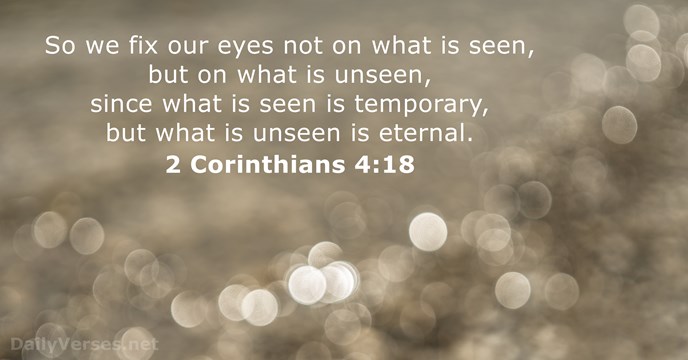
*Photo by Mr. Raffy Tima of GMA-7 News, sunset on a flight to Dubai, October 2018. Used with permission. Bible verse from Google.
The word “respect” is from the Latin terms “re” and “specere” that literally mean “to look again” from which came the words “spectacular” and“spectacles”. Hence, to respect a person, a place, and a thing means to look at them twice or thrice and see their dignity. On the other hand, disrespecting a person, a place, and a thing means refusing to recognize their worth because we only see ourselves and their differences. For us to be respectful, we need to look again and again at persons, things, and places so we could see and give them the respect they deserve, even when we are apart or when nobody is looking at us.
And here lies our “quiet storm”: respect is becoming rare with the coming of the ubiquitous camera phone. We no longer look at everyone and everything as persons and humans because all of our seeing and looking are now “mediated” by technology. We look at people not as subjects but objects caught on our camera screens, to be kept in memory cards than in our hearts to be cherished. We do not look at people anymore but simply “shoot” them to collect them into our “albums” or “folders” than engage them in conversations, exchanges that excite our souls and being. We no longer see each other eye to eye, person to person, but cellphone to cellphone or iPad to iPad.
Many people have become so accustomed these days to be consumed with their phones and other gadgets in the middle of meals, meetings, and conversations totally unmindful – and disrespectful – of the other persons they are with. We have become more fixed with machines that eventually we manipulate people as if they have buttons and touchscreens. See the folly of most weddings these days, of how phones and cameras shatter the solemnity and intimacy of the occasion, stealing the attention from the bride! Is it lack of common sense or respect, or both, that many guests seem to forget they were invited to personally witness and share in the joy of the new couple and not to take their pictures?
This loss of respect due to abuse of technology extends to our relationships with God, sadly fostered by many priests enslaved by gadgets. Remember how during the Mass presided by Pope Francis at the Manila Cathedral in 2015 when priests were seen on TV taking selfies and groufies from the start to the end of the solemn celebration! And it happens so often when clerics gather among themselves, unmindful (some ignorant) of the Pope’s repeated warning against priests taking pictures during the Mass. How can the people be expected to respect God especially during the Mass or respect sacred spaces like the church when the priests are preoccupied with mundane things like taking pictures or checking cellphones during liturgical celebrations? And so, respect is further lost right within the sphere of the sacred and holy, in the church when during celebration of the Sacraments, people are more concerned adjusting their gadgets than praying. Every celebration of the sacrament is a moment and experience of grace, of encountering God and His holiness among His people.
But the most disturbing area where there is massive erosion of respect due to abuse of digital technology is with how we regard the dying and the dead.
Recently I went to anoint a dying parishioner. His room was dimly lit and I could hardly read the prayers for the dying until a flood of white light in my direction came. Suddenly, it went off and when I looked back to request for the light again, it turned out to be coming from the camera phone of the dying patient’s only daughter who was “recording” my anointing of his dying father. It was a surreal experience that got me thinking after the rites if it was just a case of “generation gap” or a lack of respect and concern for persons? That experience held me for some time, especially when I recalled how I skipped breakfast to run to the side of the dying man, praying hard for his peaceful death with his neighbors while… his only daughter was busy filming his dying moments??? Every week I visit the sick in my parish, in the hospitals and in their homes where there is only one same scene: a deafening silence broken by intermittent cries or sobs of family members gathered around a dying loved one. Not until that sick call last Monday morning that was filmed and uploaded when the patient died later that evening.
And this situation gets worse during funerals where it seems to have become “normal” to have groufies – with all smiles – beside the dead. Are we not supposed to be mourning when we go to sympathize with the bereaved family? Where have all the respect, decency, and decorum or taste and common sense gone during funerals and wakes? TV news is more respectful in keeping its unwritten code to never show the deceased as a sign of respect. The only time this was skipped was during the wake of Ninoy Aquino in 1983 after his mother Dona Aurora allowed him shown on newspapers and television. And that was an extraordinary situation that eventually earned Ninoy tremendous respect.
There is a need to put technology in its proper use, especially in the Church and in our spiritual endeavors to keep our sense of respect, both for the living and the dead. The Book of Ecclesiastes reminds us that “there is a time for everything, a time to weep, and a time to laugh; a time to mourn and a time to dance.”(Eccl.3:1,4) Technology is a gift from God and Vatican II rightly noted in its document on social communications that “The Church recognizes that these media, if properly utilized, can be of great service to mankind, since they greatly contribute to men’s entertainment and instruction as well as to the spread and support of the Kingdom of God. The Church recognizes, too, that men can employ these media contrary to the plan of the Creator and to their own loss.” (Inter Mirifica #2) Let us limit technology in our interpersonal relationships so we can start looking into each other anew as persons to experience our humanity and rediscover our dignity and, along with it, the nobility of respect. (Photos from Google.)














 lordmychef.com