The Lord Is My Chef Sunday Music by Fr. Nick F. Lalog II, 03 October 2021
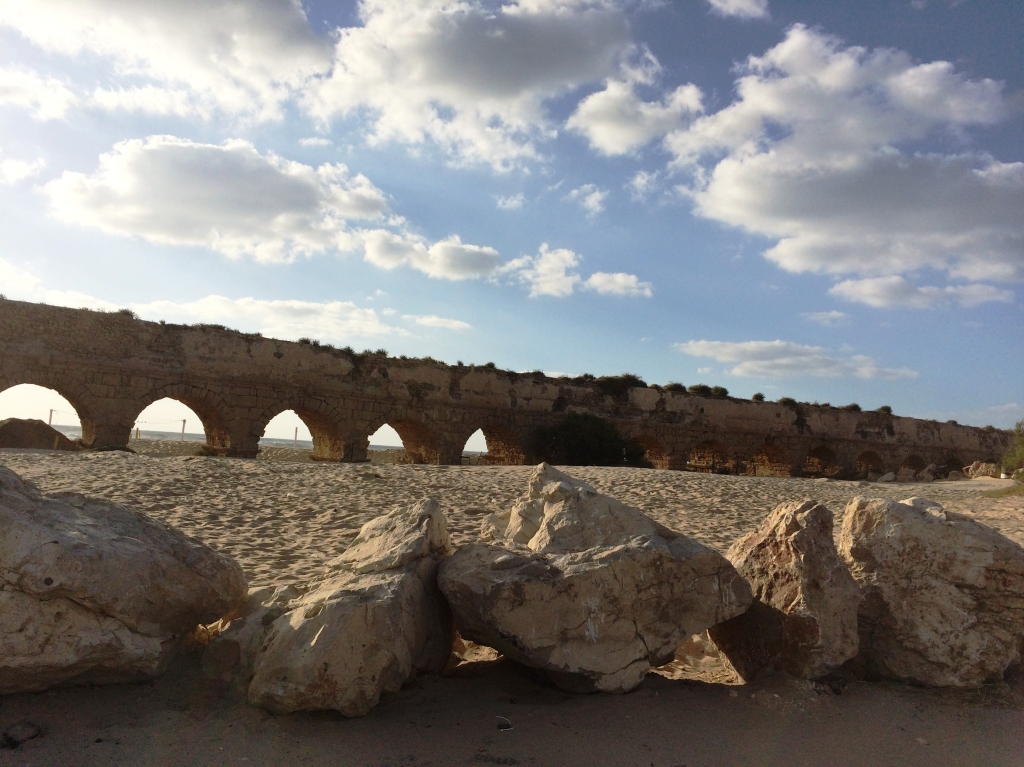
Photo by author, 2019.
It is a laid-back Sunday, perfect for some soul-searching while listening to great jazz music like the late Noel Pointer’s I Feel Your Soul from his 1981 album All My Reasons. Mr. Pointer is so well-loved in our country having gone about once or twice for a series of concerts before.
Born on December 26, 1954 at Brooklyn, New York, Mr. Pointer was only 13 years old when he did his first solo performance doing a Vivaldi with Symphony of the New World that was soon followed by other guest appearances in various orchestras across the United States. He began playing the violin while a high school student that by the age of 19 in college, he was already a session musician jamming with the great jazz bands of that time.
He died in 1994, two weeks before turning 40 years of age but have left such a great impact in the music scene with his life and compositions.
I Feel Your Soul blends perfectly with our Sunday gospel today which is more than just the beauty and sanctity of the sacrament of marriage but also of the need for our relationships to reflect God’s beauty and holiness. We are designed by God to enter into communion with others, to form human relationships based on love and respect, not on impulses of carnal and selfish desires (https://lordmychef.com/2021/10/02/we-are-one/).
Mr. Pointer beautifully expressed this in I Feel Your Soul which is to be a tribute to his one and only love of his life, his wife Chinita with whom he had two daughters and a son.
When people live in harmony, in true respect and love for each, it is not difficult to feel and see one’s soul that must be pure and simple, like that of a child.
We have searched the internet but could not find a copy of the lyrics of this wonderful song which we transcribed with my kinakapatid (son of my godfather) Dindo Alberto. See for yourself the eloquence of Mr. Pointer.
It happened today
when I looked in your eyes
state of amazement to utter surprise
as you smiled to me
it was revealed to me.

Nothing on earth could
have suited me more
just knowing finally you'd open
the door and you let me in
to the love within.

Now I clearly see
where your heart must be
I feel your soul
your beautiful soul.

I feel your soul
through the touch of your hand
your sweet caresses that you understand
when I am not myself
you finally lend your helping hand.
It is a feel good music that makes you experience the intensity of his voice and nobility of his love, especially the violin part played by Mr. Pointer who must be have loved his wife so much that after his death, Mrs. Pointer established the Noel Pointer Foundation, a nonprofit organization dedicated to bringing string music education to inner city students.
Let us be more true in our love for one another, especially family and friends who are all gifts from God we have to nurture and care for.
Have a blessed week ahead.
*We have no intentions of infringing into the copyrights of this music and its uploader except to share its beauty and listening pleasure.
The Lord Is My Chef Sunday Recipe for the Soul by Fr. Nicanor F. Lalog II
Sunday Week XXVII-B in Ordinary Time, 03 October 2021
Genesis 2:18-24 ><]]]]'> Hebrews 2:9-11 ><]]]]'> Mark 10:2-16
Photo by Ms. Isa Avendaño-Umali at UP-Diliman via reddit.com.
Part of my fond memory of traveling to old Baguio will always be that long stretch of road in Tarlac with the colorful caballeros or “fire trees” abloom every summer, their vibrant shades of hot orange and tangerine serving like a canopy to a magical tunnel.
Making the scene lovelier were the branches and treetops arching over the road as if trying to “connect” with the other trees at the opposite side to remind us of nature’s design that we are all created one.
This is the gist of this Sunday’s readings from Genesis as cited by Jesus in the gospel.
The Lord God said: “It is not good for the man to be alone. I will make a suitable partner for him.” So the Lord God cast a deep sleep on the man, and while he was asleep, he took out one of his ribs and closed up its place with a flesh. The Lord God built up into a woman the rib that he had taken from the man.
Genesis 1:25
Sometimes the Bible presents to us God acting so naive as if not knowing something at all like in this creation story when he said “it is not good for man to be alone”. Did he not know in his infinite knowledge and wisdom that man will only be happy with another human being like him “who is flesh of my flesh and bones of my bones”?
Of course, God knows everything but he wants us to realize ourselves – firsthand, that we can never be complete without another person, a fellow human being. There are times we learn our lessons best through our own experiences, the more painful and difficult, the better! Like this pandemic that has made us realize the value of persons, of family and friends over things like money and gadgets or any material possession.
Note that the creation account could have ended very well in man’s “discovery” of the woman but the author continued on with an explanation “That is why a man leaves his father and mother and clings to his wife, and the two of them become one flesh” (Gen. 2:24) to show not only the reality of marriage as a creation by God but also to remind us it is a part of our nature to reach out to the other person to enter into a communion. The “I-Thou” relationship put forth by philosopher Martin Buber has always been part of human nature until sin came and hardened the human heart, misleading us often by impulses of carnal and selfish instincts towards others.
The Pharisees approached Jesus and asked, “Is it lawful for a husband to divorce his wife?” They were testing him. He said to them in reply, “What did Moses command you?” They replied, “Moses permitted him to write a bill of divorce and dismiss her.” But Jesus told them, “Because of the hardness of your hearts he wrote you this commandment. But from the beginning of creation… Therefore what God has joined together, no human being must separate.”
Mark 10:2-6, 9
Wedding of my former student Lery with Micah in January 2020, Malolos City.
God made all things good and beautiful
Jesus and his disciples were still in Capernaum when some Pharisees approached him to test him about their legal debates on the issue of divorce. And though he was fully aware of their evil plans against him, Jesus answered their question so well without going down to their level of discussions based on petty quarrels and differences with each other.
See how Jesus was clearly focused to his mission by asserting to everyone that he had come to reveal the will of the Father, that God created everything good and beautiful with man and woman as the crowning glory of his creation that he had to cite to them the Book of Genesis. There was no need for him to involve into the legal debates of his time about divorce that unfortunately continues to this day.
For Jesus, divorce is clearly a result of man’s sins, of human weakness due to the “hardness of your hearts” which Moses tried to remedy.
And now that he has come as our Christ and Savior, Jesus assures everyone of his grace and help in overcoming our weaknesses and sins especially in upholding the purity of marriage and the Creator’s intention when he declared, “Therefore what God has joined together, no human being must separate” (Mk.10:9).
In bringing back to God as the starting point of the man and woman relationship, Jesus elevated marriage to a higher status than ever, making it a “sacrament” or a sign of his saving presence among us.
In the process, Jesus reminded his disciples and us today
 of the nature of human relationships as reflection of God's beauty and holiness.
Every human relationship is always a gift from God, a grace and a blessing
that must be nurtured with love and care.
More than the unity of husband and wife,
Jesus reminds us in today's gospel of our unity as humanity,
as children of the Father who loves us so much.
Photo by Mr. Jim Marpa, 2019.
But the beauty of Jesus Christ’s lesson on marriage continued as they went “in the house” in Capernaum, when his disciples asked him to explain to them what he had told the Pharisees.
In the process, Jesus reminded his disciples and us of the nature of human relationships as reflection of God’s beauty and holiness. Every human relationship is always a gift from God, a grace and a blessing that must be nurtured with love and care. More than the unity of husband and wife, Jesus reminds us in today’s gospel of our unity as humanity, as children of the Father who loves us so much.
How sad when we destroy, disfigure or alter this image of God in us and in our relationships that harm human life and nature that have led to endless cycles of disorder and imbalance like wars and conflicts in various forms as nations and peoples compete for supremacy.
This is the reason why Jesus reiterates today his central message of becoming like children to enter into the kingdom of God.
And people were bringing children to him that he might touch them, but the disciples rebuked them. When Jesus saw this he became indignant and said to them, “Let the children come to me; do not prevent them, for the kingdom of God belongs to such as these. Amen, I say to you, whoever does not accept the kingdom of God like a child will not enter it.” Then he embraced them and blessed them, placing his hands on them.
Mark 10:13-16
It was a fitting way to cap his lessons that day about marriage and unity of men and women with creation. Becoming “indignant” with the disciples who have “rebuked” their parents in bringing them to Jesus, he stressed anew the nature of the kingdom of God being open to those who are small and weak, those with the attitude like that of children who trust, depend and rely on the powers of those above them most especially God.
Photo by Mr. Red Santiago of his son, 2019.
It is deeply sad when couples separate or divorce, hurting the children most in the process. And indeed, it is the most tragic of all when priests and bishops abuse children when they are tasked by Jesus himself to care for the children as we have heard on many occasions in the gospel.
But, God has never stopped calling men and women to the sacred vocations of married life and priesthood even if he perfectly knows our weaknesses, including hardness of our hearts sometimes, or most of the time.
As the author of the Letter to the Hebrews had reflected, the more we must strive to be one in Jesus Christ who calls us all “brothers” and “sisters” having been consecrated to God as our origin and final end.
Last Sunday, Jesus told us “sky’s the limit in doing good” regardless of our religious affiliations “For whoever is not against us is for us” (Mk.9:40); sin is the only obstacle we must avoid, striving hard to stop its occasions when he metaphorically said it is better to enter heaven with just one hand or foot or eye than lose the body to the fires of hell.
This Sunday, Jesus is inviting us back to the very root of our relationships – God, the Supreme Good of all. Let us pray for the softening of our hearts to be more loving and forgiving, kind and understanding. Like at the beginning when he created everything, God trusts us and believes in us for we are all good like him, that his grand design of communion is very possible in Christ Jesus. Amen. Have a blessed week!
The Lord Is My Chef Sunday Music by Fr. Nick F. Lalog II, 26 September 2021
Photo by author, Singapore 2018.
Today’s featured music is one of our favorites by the great Paul Simon whose meaning we only realized now. We were discussing in our communication class last week the meaning of his classic Sound of Silence when I invited my senior high students to check this one too.
Released in 1986 from his seventh studio album Graceland that featured South African musicians, You Can Call Me Al according to Simon is inspired by a funny anecdote at a party he and his first wife Peggy Harper hosted in New York in 1970. Simon’s friend and fellow composer Stanley Silverman brought along the French composer and conductor Pierre Boulez who mistakenly referred to him as “Al” and his wife as “Betty”.
You Can Call Me Al became Simon’s first hit since 1980 which according to him is partly about himself and largely a man in a midlife crisis who went to South Africa at the midst of an economic embargo against that nation due to apartheid, so absorbed with so many mundane things that eventually ended up awakening to something extraordinary spiritual experience.
Filled with Simon’s poetic play with words that at first seem to be unrelated but by the time you are absorbed with his music, you realize how in this life God has blessed us with so many good things that we have marred with our selfish interests like labels and groupings, even names as Simon had experienced being referred to as “Al”!
A man walks down the street He says, “Why am I short of attention? Got a short little span of attention And, whoa, my nights are so long Where’s my wife and family? What if I die here? Who’ll be my role model Now that my role model is gone, gone?” He ducked back down the alley With some roly-poly little bat-faced girl All along, along There were incidents and accidents There were hints and allegations
If you’ll be my bodyguard I can be your long lost pal I can call you Betty And Betty, when you call me, you can call me Al Call me Al
A man walks down the street It’s a street in a strange world Maybe it’s the third world Maybe it’s his first time around Doesn’t speak the language He holds no currency He is a foreign man He is surrounded by the sound, the sound Cattle in the marketplace Scatterings and orphanages He looks around, around He sees angels in the architecture Spinning in infinity He says, “Amen and Hallelujah!”
In our readings today, we find how people would always resort to labels and tags, names and groups in determining what is good and best for everyone when God has total freedom in dispensing his blessings to everyone. All good gifts come from God which he gives us meant to be shared with everyone for the building up of the community. How sad that in our simplistic views, we feel that we are doing a great service in jealously guarding the generous prerogatives of God and others.
In this Sunday’s gospel, Jesus reminds us that “sky’s the limit” when it comes to doing good in the name of God. The only limitation and obstacle we have to guard against in this life is sin (https://lordmychef.com/2021/09/25/and-god-said-sanaol/).
Have a lovely Sunday and a blessed week ahead with Paul Simon’s feel good video to his 1986 hit You Can Call Me Al with his friend, actor Chevy Chase.
*We have no intentions of infringing into the copyrights of this music and its uploader except to share its beauty and listening pleasure.
The Lord Is My Chef Sunday Recipe by Fr. Nicanor F. Lalog II
Sunday XXVI-B in Ordinary Time, 26 September 2021
Numbers 11:25-29 ><]]]*> James 5:1-6 ><]]]*> Mark 9:38-43, 45, 47-48
Photo by author, 2019.
One word I recently learned during my two week quarantine due to colds is the expression “sanaol” – short for “sana all” which is from “sana lahat”. Formed by combining the Filipino expression in making wishes “sana” and the English “all” for everyone, sanaol is said when you hear the blessings received by another person, wishing everyone is also blessed with same good things that range from ordinary things like food and money to girlfriend or boyfriend!
As I prayed over our readings this Sunday, I realized it must have been God who originally expressed “sanaol” on two occasions, first through Moses while in the desert and secondly through Jesus while with the Twelve at Capernaum.
From Twitter.com, 2019.
With God, sky’s the limit in doing good…
It is so amazing this Sunday in our two readings how God sees us all as his children, his chosen people so blessed abundantly yet against this background is the human response of exclusivity and entitlement. Of pride and selfishness.
Consider how in the first reading when Joshua asked Moses to stop two men, named Eldad and Medad, from prophesying simply because they were not with him in the tent in meeting God while at the desert.
But Moses answered him, “Are you jealous for my sake? Would that all the people of the Lord were prophets! Would that the Lord might bestow his spirit on them all!”
Number 11:29
“Sanaol prophets!” could have been the resounding reply by Moses to Joshua who misunderstood God’s freedom in bestowing his blessings to everyone. So many times not only with God but even with our own family, relatives or friends who have been generous with others that we stop and prevent them from sharing their goods, thinking we are doing a great service in jealously guarding their prerogatives.
Again, here we find like last Sunday our failure to find God in our way and journey in life that even his gifts we try to limit to ourselves.
At the least, it is a simplistic and myopic view on God’s and other’s generosities while at its worst, a selfish attitude within us to constrict God and others in giving away whatever good things they have.
Let us not forget the basic truth on the nature of God’s gifts and grace as ways and means for being of service and for the good of the community. Why limit those blessed to share gifts and blessings? Besides, God or whomever is totally free to give away whatever they have without denying or impoverishing anyone by giving away goods to others.
Photo from inquirer.net, May 2021.
This is the teaching of Jesus to the Twelve who reported to him how they have tried to stop someone from exorcising in his name because he did not belong to their group.
Jesus replied, “Do not prevent him. There is no one who performs a mighty deed in my name who can at the same time speak ill of me. For whoever is not against us is for us.”
Mark 9:39-40
“Sanaol good and helpful!” could have been the Lord’s reply to his disciples, reminding them the most obvious truth that with God and everything that is good, there can be no labels and divisions or groupings. We are all one in God our Father who is the source of all good; hence, we must neither monopolize the right to do good nor belittle the good others do even if they are not one of us or do not belong to our fold.
The Lord knows very well his own, we need not worry about such petty things on who’s who or to whom belongs whatever. God knows everything. What matters most is we keep on doing what is truly good so that despite the limitations we have in this life, we continue to strive to create a just and humane society here on earth as envisioned by Vatican II in Lumen Gentium.
Sin: the only limitation
If sky is the limit in doing good with God, Jesus reminds us today that the only limitation and obstacle in our lives is sin. The Lord is very clear with this truth that he had to explain things in details to the the Twelve lest they fall into this big trap.
“Whoever causes one of these little ones who believe in me to sin, it would be better for him if a great millstone were put around his neck and he were thrown into the sea. If your hand causes you to sin, cut it off. It is better for you to enter into life maimed than with two hands to into Gehenna, into the unquenchable fire. And if your foot causes you to sin, cut it off. It is better for you to enter into life crippled than with two feet to be thrown into Gehenna. And if your eye causes you to sin, pluck it out. Better for you to enter into the kingdom of God with one eye that with two eyes to be thrown into Gehenna.”
Mark 9:42-43, 45, 47
“Sanaol understand” that all good gifts can come only from God, that is why we have to respect the freedom and conscience of everyone in the good deeds they do. Whoever keeps the laws of God faithfully are always blessed abundantly. No religious barrier nor label can hold that in check.
When pride and selfishness move into one’s heart, then everything is destroyed and made dirty. Recall how Jesus declared last month that “Nothing that enters one from outside can defile that person; but the things that come out from within are what defile” (Mk.7:15). We have to examine our selves closely so as not to destroy the beauty of goodness and ability to do what is good planted in each of us by God.
Photo by author, 22 September 2021.
Here we are challenged by Jesus to closely examine our being his disciples, of how close have we been in knowing him as our Lord and Master.
Is it Jesus whom we are following or our very selves, our own thoughts and ideas of who is Jesus Christ not as he is?
Notice how in our gospel this Sunday we are presented with contrasts, first, of doing good that is without limits and committing sins that delimit us doing what is good, not affiliations and labels.
But the most wonderful contrasts we can find that gives us a clearer picture of life are found in Jesus: his meekness especially the sinful contrite of their sins and his sternness with the self-righteous who highly regarded themselves like the Pharisees and scribes, assuring they would never enter the kingdom of heaven because of such attitude; his open-mind with those doing good outside his circle of disciples and his strict demands of being good that whatsoever you do to the least you have also done to him.
Here we discover there are no compromises with Jesus, no gray areas that he demands everyone to “say yes if you mean yes and no if you mean no” (Mt.5:37) because the more we get closer to him, the more we realize the coherence of his teachings and of his person as the Christ of God.
It is always the same Lord who speaks, who is truth and life himself. Unlike us humans who suddenly change our stand and views on everything when tempted with money and riches. This is the reason why we have this portion of the letter by St. James: we are dared to examine our attitude with regard to riches and material wealth because it clearly reveals our world view in life. A lot often, attachment to earthly goods show our lack of belief in eternal life toward which this temporal life is directed. Jesus himself we cannot follow him if we are slaves to money and riches for you cannot serve both God and mammon.
Photo by author, Caesarea in Israel, 2017.
Three Sundays ago at Caesarea Philippi, Jesus asked us like the Twelve, “who do you say that I am? (Mk.8:29)”. It is a very crucial question demanding from us a personal answer so we can truly enter into a deeper relationship with him and be able to forget ourselves, carry our cross and follow him.
The more we get to know Jesus, the more we can see him clearly, the more we will love him dearly, and the more we become like him eventually, willing to leave everything including wealth and riches of the world for the love of God through others. Amen.
The Lord Is My Chef Sunday Recipe for the Soul by Fr. Nicanor F. Lalog II
Sunday XXV-B in Ordinary Time, 19 September 2021
Wisdom 2:12, 17-20 ><]]]]'>James 3:16-4:3 ><]]]]'> Mark 9:30-37
Photo by author, Church of Dominus Flevit overlooking Jerusalem, 2017.
From the pagan capital of Caesarea Philippi where he revealed himself as the Christ or Messiah, Jesus turned back to travel south towards Jerusalem to fulfill his mission. He did not want people to know about his journey as he was intensively teaching the Twelve with important lessons before his approaching pasch.
For the second time, he mentioned to the Twelve of his coming Passion, Death and Resurrection but they did not understand it again; but, instead of asking Jesus for explanations, they argued among themselves who was the greatest, presumably thinking who would get the best post once Jesus becomes “king”.
Jesus and his disciples left from there and began a journey through Galilee, but he did not wish anyone to know about it. He was teaching his disciples and telling them, “The Son of Man is to be handed over to men and they will kill him, and three days after his death he will rise.” But they did not understand the saying, and they were afraid to question him. They came to Capernaum and, once inside the house, he began to ask them, “What were you arguing about on the way?” But they remained silent. They had been discussing among themselves on the way who was the greatest.
Mark 9:30-34
The pandemic as a prolonged sabbath
This whole pandemic period may be considered a prolonged sabbath for everyone when we, along with nature in some instances are asked to take a rest, be silent and still. And return to God. That is the beautiful imagery of Mark telling us last week how from Caesarea Philippi in the north Jesus and the Twelve took a U-turn to go back south towards Jerusalem, hidden and silent.
It is along this way that Jesus is inviting us also to spend these quarantine periods to rediscover him and his teachings. Primary of these lessons from him is the paradox of the Cross, of Christ’s glory in his crucifixion and death that has always been a great stumbling block for many of us throughout the ages.
Photo by Ezra Acayan/Getty Images, Baclaran Church, February 2020.
Any disciple of Jesus can easily identify with the Twelve, of not understanding why Jesus had to suffer and die first in order to rise again on the third day. And like the Twelve, we have learned our lessons so well at Caesarea Philippi not to question it or be clarified lest we too are rebuked by the Lord like Peter!
There are times we cry out or complain to God when we are going through sufferings and trials why we have to get sick, why we have to lose a loved one, why we have to fail, why we have to suffer so much when we have tried our very best to be good and honest, sharing our time, talent, treasures and very selves in loving service to others?
But, let’s accept that it is often a sense of entitlement on our part, of trying to manipulate God when we surreptitiously tell him as if he does not know what we are really thinking and feeling that we are following Jesus to avoid pains and sufferings, or at least to have lighter cross because we believe we are good and better than others, therefore, we deserve better treatment.
And this is also the reason why like the Twelve “along the way”, we argue a lot on who is the greatest because it is better to think of the coming glory than contemplate every Good Friday we go through as Christ’s disciples. Sad to say, there are times we “compete” with one another for having the most pain gone through.
It can happen that whenever we are passing through some difficulties in life that we really do not see Christ at all but our selves alone because we are more focused on the rewards and gains we may have for the efforts, not really sacrifices.
See how Jesus asked them, “What were you arguing about on the way?”; recall how he declared during the Last Supper in John’s gospel, “I am the way and the truth and the life” (Jn.4:16). How come we do not see him along the way?
How could we have missed that while we are on the way (of the cross), our thoughts are focused on the coming glory than on Jesus himself in every undertaking? This is the problem with “health and wealth” kind of preaching and ministry when Jesus is more seen as giver and dispenser of material blessings than Lord and Savior. It is a clear case of what Jesus told Peter last week, “you are thinking not as God does, but as human beings do” (Mk.8:33).
"...in this paradox of the cross lies another paradox,
that of human living wherein the more we try to live uprightly,
striving to be good and loving,
the more we are attacked and confused by the devil...
Holiness always engenders hatred
 among men and women filled with evil
as we have been witnessing in the news lately."
Photo by author, Dominican Hills, Baguio City, January 2019.
And no wonder, in this paradox of the cross lies another paradox, that of human living wherein the more we try to live uprightly, striving to be good and loving, the more we are attacked and confused by the devil through others as we have observed last week.
Holiness always engenders hatred among men and women filled with evil as we have been witnessing lately in the news. This had been foretold long ago by the author of the Book of Wisdom we have heard in the first reading:
The wicked say: Let us beset the just one, because he is obnoxious to us; he sets himself against our doings, reproaches us for transgressions of the law and charges us with violations of our training. Let us condemn him to a shameful death; for according to his own words, God will take care of him.
Wisdom 2:12, 20
Since the fall of Adam and Eve, see how man had always put God on trial like a criminal, being accused with all the miseries and sufferings on earth that reached its lowest point when Jesus was hanging on the cross with his enemies mockingly telling him, “If you are really the Son of God, come down and we will believe… He had saved others, now let him save himself!”.
The core of the paradox of the Cross
At the core of this paradox of the Cross is Jesus Christ’s central teaching of being like a child which he had first expressed clearly in his Incarnation and Birth by the Blessed Virgin Mary – the almighty God being born an infant, so small and so weak just like everyone of us! In coming to us a child and later dying on the cross, Jesus showed us that true greatness is in becoming small to become a part of the larger whole.
Then he sat down, called the Twelve, and said to them, “If anyone wishes to be first, he shall be the last of all and the servant of all.” Taking a child he placed it in their midst, and putting his arms around it, he said to them, “Whoever receives one child such as this in my name, receives me; and whoever receives me, receives not me but the One who sent me.”
Mark 9:35-37
To be a child means to owe one’s existence to another which we never outgrow even in our adult life. It is an attitude of being open to every possibility in life, an attitude of trusting others, of having clean mind and clean heart.
The world of men, of macho men we love to relish with delight in the secular and even religious world in all of its trappings of fads and fashion and “hard talks”, of external showmanships that we try so hard to project cannot hide the hypocrisies within, of keeping grips and control on everyone and everything like the disciples of Jesus.
The tragedy of that scene of the Twelve arguing who among them is the greatest to get the best position when Jesus comes to power continues to happen in our time with some people actually living in darkness are the ones who pretend to be seeing the light that in the process are misleading people towards darkness and destruction! Even in the church when we keep on referring to ourselves as “servants” of the poor when our lifestyles as priests and bishops, nuns and religious are that of the rich and famous!
The key to greatness is to be like a child – be simple, be trusting because children lack jealousy and selfish ambitions which according to James in the second reading are signs of the presence of “disorder and every foul practice” (Jas.3:16).
Photo by Mr. Jim Marpa, 2018.
This Sunday, Jesus is inviting us to examine ourselves truly why are we following him?
What have become of us in serving him – argumentative and divisive or welcoming of others especially the weak and marginalized?
Does my way of life speak of who I am as a disciple of Jesus, like a child, open to God and to others?
The Lord Is My Chef Sunday Music by Fr. Nick F. Lalog II, 12 September 2021
Photo by author, 2019.
It is very “bed weather” this Sunday in Metro Manila with the rains hopefully putting a stop to us all from going out unnecessarily to help lower the cases of COVID-19 that have set a new record in the country yesterday with over 26,000 infections.
Reflecting on the gospel this Sunday, right away we have thought of going instrumental with David Benoit’s 1982 title track for his album with the same title Stages from which came too his more popular songs Take A Look Inside My Heart and Promise Me A Carousel.
Benoit is an American jazz pianist, composer, and producer who has charted over 25 albums since 1980 and nominated for three Grammy Awards. A frequent visitor to Manila for concerts since the 1980’s, Benoit is best remembered as performer and music director of later adaptations of the Peanuts comic strip like The Peanuts Movie (2015).
Born in 1953, Benoit studied piano at age 13 and had himself immersed with great musicians and artists of his home state of California, particularly at Los Angeles where he is now based.
His music sounds sophisticated, very appealing as it incorporates classical beat into modern tunes that soothe the soul, giving you the right chill to meditate and free your mind and soul of negativities and many other things needed to be discarded so that you may be empty and be ready to be filled with fresher and better thoughts and ideas.
This we find perfect for us to answer Jesus Christ’s question to his disciples at Caesarea Philippi, “But who do you say that I am?” (Mk.8:29).
We can never grow deep in our knowledge of Jesus and faith in him unless we are able to say with personal conviction and commitment who he is. It is a lifelong process we go through “stages” (hence, Benoit’s music) that Jesus himself assured would be difficult and painful but fulfilling (https://lordmychef.com/2021/09/11/knowing-jesus-with-conviction/).
Stay home, stay safe, and let David Benoit’s music help you in your reflections.
Have a blessed week ahead!
*We have no intentions of infringing into the copyrights of this music and its uploader except to share its beauty and listening pleasure.
The Lord Is My Chef Sunday Recipe for the Soul by Fr. Nicanor F. Lalog II
Sunday XXIV-B in Ordinary Time, 12 September 2021
Isaiah 50:5-9 ><]]]]'> James 2:14-18 ><]]]]'> Mark 8:27-35
Photo by author, Parish of St. Joseph, Baras, Rizal (January 2021).
Last Wednesday as we celebrated the Birth of the Blessed Virgin Mary, a friend told me how on the eve of that feast her eldest son Andrei expressed to her his wish to gift Mama Mary with a cake but did not know how to get to heaven. “Bibili ko sana siya ng cake, mommy, pero paano ako mapupunta sa langit?”
My friend simply told her son how difficult it is to get into heaven because he has to get so many ladders to get there and see Mama Mary and Jesus.
What a beautiful question from a child filled with innocence, “how do we get into heaven?”
Ironically, it is a question we all know the answer but do not care nor take seriously for many reasons, primarily because of fear until this pandemic hit us, forcing us into facing again this reality of death – of going into heaven.
In today’s gospel, Jesus teaches us how we can get into heaven by knowing him truly with conviction, not just according to our own or somebody else’s thinking and ideas of him as the Christ.
Jesus and his disciples set out for the villages of Caesarea Philippi. Along the way he asked his disciples, “Who do people say that I am?” They said in reply, “John the Baptist, others Elijah, still others one of the prophets.” And he asked them, “But who do you say that I am?” Peter said to him in reply, “You are the Christ.” Then he warned them not to tell anyone about him. He began to teach them that the Son of Man must suffer greatly and be rejected by the elders, the chief priests, and the scribes, and be killed, and rise after three days.
Mark 8:27-31
Other’s opinion vs. my conviction
When we look at the gospel of Mark as a whole, we find it is a step-by-step revelation of who is Jesus Christ, following certain stages in his stories. Notice since the beginning Mark has been telling us how the people including the Twelve were asking among themselves who was Jesus for he spoke with authority that even the sea and the wind obeyed him while demons cried when exorcised by him. People were so amazed at his great powers, both in words and in deeds that everybody was getting near him to know him.
Photo by author, St. Catherine Monastery at Sinai, Egypt (May 2019)
It is at Caesarea Philippi where Mark’s gospel reaches the middle section, a turning point when Jesus reveals himself in stages.
From here on, Mark will take a faster pace in his narration and revelation of who is Jesus now making a U-turn from Caesarea Philippi to head towards Jerusalem to face his death. We too are expected to make a U-turn in our knowledge of Jesus, from mere opinions of others to a personal conviction of who Jesus is.
Observe the step-by-step manner by Jesus in revealing himself to his disciples at Caesarea Philippi.
First, Jesus surveyed the Twelve, asking them “Who do people say that I am?”.
Feel the uncertainty among them while telling Jesus what they have heard the people saying: John the Baptist? Elijah? One of the prophets?
We find a tinge of being unsure even in themselves in what to tell the Lord because they have also heard the questions and accusations by the scribes and Pharisees against their young teacher. “Kabado sila” as we say in Filipino.
But to their surprise, Jesus came up with a second question directly to each one of them at point blank, requiring a deep, personal conviction and commitment: “But who do you say that I am?”.
Like at Capernaum after the bread of life discourse when everybody left Jesus led by his disciples, here he is asking the Twelve -including us – again for a faith decision, to say what we really feel and think about him, without repeating what we have heard from others or read from any book.
Peter said to him in reply, “You are the Christ.” See in this statement by Peter the clear difference from the people’s opinions of Jesus. Feel the conviction of Peter in declaring “you are the Christ.” There must have been something he had experienced deep within that he felt Jesus so real, so new, so alive – not just any prophet from old who had come back but in fact the very one referred to by the prophets before!
Jesus is clearly distinct and different from what we have heard and read, so personal and so true. As we would usually tell others of how convinced we are of someone or something, “ah, basta!” which is akin to Archimedes’ “eureka” experience.
Like at Caesarea Philippi, our lives get on a turning point significantly once we have had that kind of experience of who Jesus Christ is. We can never grow deep in our faith in him and experience him personally without that Caesarea Philippi experience.
However, it is not everything. Even Peter would falter immediately after this turning point.
He spoke this openly. Then Peter took him aside and began to rebuke him. At this he turned around and, looking at his disciples, rebuked Peter and said, “Get behind me, Satan. You are thinking not as God does, but as human beings do.”
Mark 8:32-33
Photo by Mr. Jay Javier, Quiapo, January 2020.
Christ’s pedagogy of the Cross
It is not enough that we set aside sometimes what others say or write about Jesus; we also have to discard and forget whatever we have entertained in our minds and hearts on who Jesus could be. In telling Peter to “Get behind me, Satan. You are thinking not as God does, but as human beings do”, Jesus is telling us too that it is still a long way to go for us to truly know him.
Remember that in Jewish thought, to know someone is to have a relationship, an intimacy with the other person. Although the disciples have already taken a great step in knowing Jesus as the Christ following Peter’s confession that is so distinct from what others say, such knowledge leads us to the hardest and most difficult stage of knowing Jesus through his Cross.
It is can also be the most painful stage in truly knowing Jesus that is why he warned them not to tell anyone about him like what Peter realized that he reacted that way. Of course, we also know how Peter got to know Jesus more in the most painful way when he denied knowing the Lord thrice on the night he was arrested leading to Good Friday.
Remember, the more we get to know Jesus, the more we experience him so real in our lives, the more we follow him, the more the devil confuses us, the more the devil feeds us with so many thoughts or sends us with people like those in this Administration and politicians now campaigning with grand designs, with great intentions for Jesus and for the poor when in fact detract us from the path of the Cross.
Notice how Jesus insisted in his first prediction of his Passion, Death and Resurrection at Caesarea Philippi that “the Son of Man must suffer greatly and be rejected by the elders, the chief priests, and the scribes, and be killed, and rise after three days.” There is always that qualifier “must”in suffering and pain with Jesus for there is no shortcut nor easy way to get to heaven, to be holy, to be fulfilled in this life which is so unlike the promises of the devil acting in our selfish thoughts or among our politicians and government officials.
Jesus himself had shown us in his Passion, Death, and Resurrection the key to truly knowing him is to have a complete trust in the Father like him as the Servant referred to in the first reading from Isaiah who bore all insults and beatings but never felt disgraced because “the Lord God is my help.”
For so long in our country, many have been duped by politicians who have promised the people of a wonderful life minus sufferings by just electing them into office. All these miseries and misfortunes we are into show us clearly that hardly do we really know who is Jesus Christ as we keep on putting into office people we hardly know as demons in many disguises.
During this pandemic when we have so much time to reflect and pray, let us empty our hearts and minds, exorcise them of many evil thoughts to be penetrated by the divine thoughts found in the scriptures so we may know Jesus clearly, love him dearly, and follow him closely with our lives of faith expressed in works of charity as James exhorts us in the second reading.
It is the clearest sign that we truly know Jesus when our faith in him bears much fruits in works of charity and mercy. Amen.
Have a blessed week ahead!
Photo by author, close-up shot of the Seventh Station of the Cross at St. Ildephonsus Parish, Tanay, Rizal (January 2021). Notice one of the men wearing shades believed to be Caiaphas, the chief priest during the time of Jesus; we have to remove our shades to truly know Jesus especially when there are trials and sufferings in life. See our article, https://lordmychef.com/2021/02/04/road-trip-in-time-of-covid-19-the-company-we-keep-in-lifes-journey/
The Lord Is My Chef Sunday Music by Fr. Nick F. Lalog II, 05 September 2021
Photo by author, 2020.
The “ber” months are finally with us and despite the daily five-digit number of COVID-19 infections, so many of us seem to be so “out-of-touch” with so many who do not seem to care at all for their loved ones nor for the country like our corrupt officials. Or to God at all.
That is why we have picked Daryl Hall and John Oates’ 1984 hit Out of Touch from their album Big Bam Boom. It was the heydays of Hall and Oates who were then called the “dynamic duo” of the music world with so many hits before and after this song.
We were in college when Out of Touch came with a lot of extended and remixed versions due to its great sound that everybody loved this song.
But, behind that danceable groove and beat, Out of Touch lyrics are so in-touch with realities in life that unlike their other compositions, Hall and Oates sounded a bit philosophical here that we find it perfectly attuned with our Sunday gospel where Jesus touched the ears and tongue of a deaf to heal him of his sickness (https://lordmychef.com/2021/09/04/opening-our-ears-and-heart/).
Shake it up is all that we know Using the bodies up as we go I’m waking up to fantasy The shades all around aren’t the colors we used to see Broken ice still melts in the sun And times that are broken can often be one again We’re soul alone And soul really matters to me Take a look around
You’re out of touch I’m out of time But I’m out of my head when you’re not around
You’re out of touch I’m out of time (time) But I’m out of my head when you’re not around
Oh oh oh oh oh oh
Reaching out for something to hold Looking for a love where the climate is cold Manic moves and drowsy dreams Or living in the middle between the two extremes Smoking guns hot to the touch Would cool down if we didn’t use them so much, yeah We’re soul alone And soul really matters to me Too much
Aside from their usual poetry, Hall and Oates say something so deep using many metaphors in narrating how a wonderful romantic relationship had suddenly turned bad because the lovers had been out of touch with each other like with these lines:
I’m waking up to fantasy The shades all around aren’t the colors we used to see Broken ice still melts in the sun And times that are broken can often be one again We’re soul alone
Notice how in both stanzas they both mentioned the importance of the soul, of the heart and inner self. Or of spirituality, if you may:
Manic moves and drowsy dreams Or living in the middle between the two extremes Smoking guns hot to the touch Would cool down if we didn’t use them so much, yeah We’re soul alone
We said in our homily today that opening to God involves our whole person, our whole being. Not just our eyes and ears, but most of all our heart. And the first step for us is to take a break from our ordinary life, from our daily routines that have numbed us that we have lost our consciousness of the present moment, even of our very selves. To a certain sense, this is the grace of the pandemic – an opportunity for us all to spend more time with Jesus in prayers at home or in the church and to bond and fix those broken ties in our family. Before the pandemic, couples and children rarely have the chance to be together even at meals due to each one’s busy schedule; but, with COVID-19’s new mode of work and learning “from home”, many were thrown off balance because some have long lost their sense of being with family members.
Beginning this Sunday, let us get in touch with our true selves, with others and with God to pull through this pandemic before it gets us and tell us how out of touch we have been.
*We have no intentions of infringing on the copyrights of this music except to share its beauty and listening pleasure.
The Lord Is My Chef Sunday Recipe for the Soul by Fr. Nicanor F. Lalog II
Sunday XXIII-B in Ordinary Time, 05 September 2021
Isaiah 35:4-7 ><}}}'> James 2:1-5 ><}}}'> Mark 7:31-37
Photo by Ms. Mira MandalSibal, 08 August 2021.
Since the start of our Enhanced Community Quarantine (ECQ) last month, I have always admired the faithful people who continue to celebrate Mass with us outside our church as well as those in other places like Quiapo.
I have nothing against ECQ but I have always questioned the government decision in prioritizing churches in every lockdown when we have always been very strict in our protocols unlike malls and groceries. Most of all, it is during this time of crisis when we must give people the chance to express their faith in going to houses of worship to pray in silence and celebrate with the community while observing protocols.
It is very touching and inspiring to see people – young and old alike, healthy and sickly going to churches every Sunday, catching up with our Lord Jesus Christ even outside, rain or shine.
And that is why our gospel this Sunday is again very timely at this time we have reached the two-million mark in less than a year in the number of those infected with COVID-19 while those in government corruption are also breaking the billion peso mark in anomalous transactions! That is how evil those people are that while many are suffering in the pandemic, there those in government with gall to steal big time.
Has God forsaken us his people, especially at this time we are celebrating our 500th year of Christianization? Of course not!
Jesus Christ continues to come to us everyday not only to cleanse by washing our hearts of evil and sin as we have seen last Sunday in the gospel; today, Mark tells us how Jesus comes also to open our ears in order to hear and listen to his words that eventually open our hearts to freedom and salvation.
Again Jesus left the district of Tyre and went by way of Sidon to the Sea of Galilee, into the district of the Decapolis. And people brought to him a deaf man who had a speech impediment and begged him to lay his hand on him. He took him off by himself away from the crowd. He put his finger into the man’s ears, and spitting, touched his tongue; then he looked up to heaven and groaned, and said to him, “Ephphatha!” that is, “Be opened!”
Mark 7:31-34
“Jesus went by way of Sidon to the Sea of Galilee, into Decapolis“
Of the four evangelists, Mark is the only one who portrays Jesus as always on the go without even telling us details of his itinerary nor of the places he visited and people he had met. As the first gospel account written, Mark wrote in straight news style as he felt the urgency of proclaiming the gospel of Jesus.
However, when Mark gives even the slightest details of the places and people in the journeys of the Lord, it always means something else. Like in our gospel today.
Photo by author, Sea (Lake) of Galilee, 2017.
Again Jesus left the district of Tyre and went by way of Sidon to the Sea of Galilee, into the district of the Decapolis.
Mark 7:31
You will recall that in July when Jesus sent his disciples to their first missionary journey, they were told to seek the “lost sheep of Israel”, to not go to pagan and Samaritan lands.
Today, it is the Lord himself who left Tyre and Sidon in northern Israel to go into the pagan territories of Decapolis that literally means “ten cities”.
Here we find the universality of Christ’s mission, not just for his fellow Jews. His love is so encompassing covering all the peoples of all time, then and now.
Jesus seeks us out who are in totally alien territory in life like this pandemic because he loves us.
When we look back and reflect in our lives, we find so many instances in the past how it was in the most foreign and lost situations when we have actually found God, is it not?
Reflecting further in this scene in the Decapolis, Mark is reminding us how we could also be those people who have brought the deaf-mute to Jesus, begging him to heal the man.
And people brought to him a deaf man who had a speech impediment and begged him to lay his hand on him.
Mark 7:32
Those people who have begged Jesus to heal the deaf-mute are the same people who went out of their ways since the start of the pandemic helping others in their many needs and sufferings, those people who sacrificed time, talent and treasures for the less fortunate like the community pantry.
They were also those elder brothers and sisters who have helped their younger siblings to learn and thrive in the new mode of learning online that began last year.
Those people who begged Jesus to heal the deaf-mute were also the same medical health frontliners who have died or still continue to serve us despite our callous government officials led by the health secretary.
Though there were so many abusive people last year -mostly civil servants and police officials who have notoriously made headlines – there were still more generous and kind people who made Jesus present to someone in need during this pandemic.
How wonderful it is to realize – and relish this Sunday as we find ourselves in this unusual and surreal situation of the COVID-19 pandemic that Christ is also with us, staying with us, speaking to us.
But, are we listening to him? Are we not also the same deaf-mute who needs Christ’s healing?
Photo by author, Caeasaria in northern Israel, 2017.
“Ephphata” – Be opened!
Notice another significant detail that Mark has mentioned in this gospel scene. Aside from identifying the Lord’s coming to the pagan territory of Decapolis, Mark surprisingly tells us in details the unique and unusual manner of healing by Jesus there.
There must be something very important in this unique healing by Jesus whereas before, he would just lay his hands on the sick or most usually, he would merely speak. Remember that we could also be this deaf needing Christ’s healing.
He took him off by himself away from the crowd. He put his finger into the man’s ears, and spitting, touched his tongue; then he looked up to heaven and groaned, and said to him, “Ephphatha!” that is, “Be opened!” And immediately the man’s ears were opened, his speech impediment was removed, and he spoke plainly.
Mark 7:33-35
Opening to God involves our whole person, our whole being. Not just our eyes and ears, but most of all our heart. And the first step for us is to take a break from our ordinary life, from our daily routines that have numbed us that we have lost our consciousness of the present moment, even of our very selves.
This is why Jesus “took him off by himself from the crowd.”
Photo by Ms. Mira MandalSibal, 08 August 2021.
To a certain sense, this is the grace of the pandemic – an opportunity for us all to spend more time with Jesus in prayers at home or in the church and to bond and fix those broken ties in our family. Before the pandemic, couples and children rarely have the chance to be together even at meals due to each one’s busy schedule; but, with COVID-19’s new mode of work and learning “from home”, many were thrown off balance because some have long lost their sense of being with family members.
Prayer in fact is an awareness of our presence that leads us to God’s presence. Unless we learn to separate from others and the usual ordinariness of our lives characterized by madness and toxicity in everything, we can never experience the presence of God in Jesus Christ in us and among us as well as in the sacraments and prayers.
That putting of Jesus of his finger into the man’s ears and touching his tongue with a spit indicate the personal encounter of the Lord with each of us, of how he would reach out to us daily to feel and experience his presence but we are always “out-of-touch”.
It is said that our heart is the shape of two ears put together.
I believe so. Opening to God is opening our ears to Jesus speaking to us daily. He has been trying so hard to converse with us but we hardly notice him around us because of those ubiquitous ear pods and headphones always stuck into our ears. We shut ourselves from the world to be into our own world, separated from everyone including God. We would rather listen to influencers and personal playlists that confirm things we believe as true, no more room for others especially the poor and marginalized as James noted in his Letter we have heard proclaimed in the second reading.
Beginning this Sunday, let us set ourselves apart from the rest to open ourselves to Jesus to see his light and hear his words so we can walk his path of joy and peace because he is “the Way” (Jn.16:6).
Let our hearts be strong, not to fear this crisis because God has fulfilled his promise prophesied by Isaiah in the first reading on Christ’s coming with “vindication and divine recompense to save us” (Is.35:4).
It is the last Sunday of August, the month we celebrate our National Language as we offer an Original Pilipino Music (OPM) that perfectly fits our gospel today about sincerity of our heart against all forms of hypocrisy, Yano’s“Banal na Aso, Santong Kabayo” (Holy Dog, Saintly Horse).
Released in 1994, Banal na Aso, Santong Kabayo is a cut from the band’s first album simply titled “Yano”. The band is composed of Dong Abay on vocals and Eric Gancio in guitar.
Many think Yano is from the word “Probinsiyano” or one coming from the province (probinsiya) or rural area; but, according to the band’s founder Abay in one account, yano means “simple” in their old Tagalog spoken in Quezon province.
Yano’s music is a fusion of western and ethnic Filipino but what set them apart from the other bands of the 90’s was their deep social and political themes. Unlike some bands who were just cute, Yano had depth and meaning in their songs that were poetic and even eclectic expressed in casual Filipino. One can notice right away the conviction when Abay sings even if the melody may sound light and easy like Kumusta Na, even playful (Esem)or sometimes mischievous (Tsinelas and Senti).
Banal na Aso, Santong Kabayo is “spiritual” in a sense; it opens with a man laughing sarcastically with “Hihihihihi…” to introduce some vignettes of daily hypocrisies among us:
Kaharap ko sa jeep ang isang ale
Nagrorosaryo, mata n'ya'y nakapikit
Pumara sa may kumbento
"Sa babaan lang po", sabi ng tsuper, "kase may nanghuhuli"
Mura pa rin nang mura ang ale

Banal na aso, santong kabayo
Natatawa ako, hi-hi-hi-hi
Banal na aso, santong kabayo
Natatawa ako, hi-hi-hi-hi
Sa 'yo
Like today’s gospel, Banal na Aso, Santong Kabayo is timely during this pandemic when even if we have all the soaps and alcohol to wash our hands and all the prayers to recite to stop COVID-19, the virus will persist for as long as we have no regard for the dignity of every person. Washing of hands means washing of one’s heart, of cleansing ourselves of our sins and self-centeredness and other impurities (https://lordmychef.com/2021/08/28/two-hands-and-a-heart-in-between/).
May the music of Yano help you in examining your heart today.
Have blessed week ahead!
*We have no intentions of infringing on the copyrights of this music except to share its beauty and listening pleasure.