
Lord My Chef Sunday Music by Fr. Nicanor F. Lalog II, 04 October 2026
You must have noticed our blogs the other week when we were inspired incorporating music into our daily prayer reflections starting September 22 with “Everybody Hurts” that was actually the title of an REM song in 1992 (https://lordmychef.com/2026/09/21/everybody-hurts/); the following day, we borrowed the title and the 1962 song by Bob Dylan “Blowin’ in the Wind” (https://lordmychef.com/2026/09/23/blowing-in-the-wind-3/); then finally on that Friday we prayed and played Pete Seeger’s original take from the Book of Ecclesiastes which the Byrds recorded in 1965 as “Turn, Turn, Turn” (https://lordmychef.com/2026/09/24/turn-turn-turn-to-know-gods-time/).
As we have been saying since we started this blog in June 2018, we have always wished to show how God continues to speak to us in this modern time through secular music by linking our Sunday gospel with every genre like rock and jazz, punk and disco, R&B and even OPM (Original Pilipino Music).
And there have been many instances in the music scene when artists were actually inspired by the Sacred Scriptures in their composition like Seeger we have featured last week.
This Sunday, we go back to year 1976 with The Isley Brothers’ Harvest for the World whose title was a complete take from Matthew’s gospel.
In an interview published six years ago in The Guardian by Dave Simpson, composer Ernie Isley said he had just bought a new 12-string acoustic guitar and was trying it out in their basement in New Jersey in 1976 when words simply flowed that became the song’s first stanza:
All babies together, everyone a seed
Half of us are satisfied, half of us in need
Love's bountiful in us, tarnished by our greed
When will there be a harvest for the world
Ernie was still playing the song in his new guitar when his brother Marvin who played bass came to their basement with their brother-in-law and keyboardist Chris Jasper; they were so impressed with Ernie’s music and later they were joined by their other brothers O’Kelly Jr., Rudolph and Ronald who all contributed lyrics and additional musical arrangements to finally complete Harvest for the World.
According to Ernie, they were largely inspired by the news they have witnessed at that time, from the assassinations of Martin Luther King and Bobby Kennedy to the growing protest movements following Nixon’s resignation in 1974 due to the Watergate Scandal and the end of Vietnam War in 1975 with the Fall of Saigon.
For the title, they remembered Matthew’s gospel scene of Jesus telling his disciples upon seeing the vast crowd that have followed them, “The harvest is abundant but the laborers are few; so ask the master of the harvest to send out laborers for his harvest” (Mt. 9:37-38).
They first released the song as a single in May 1976 and later became the title track of their album Harvest for the World that same year that reaped a lot of harvest for The Isley Brothers, peaking the top ten songs in the Billboard and UK charts that year. It became one of the most memorable music of that era that continues to be covered until now by new artists, including our very own Gary V.
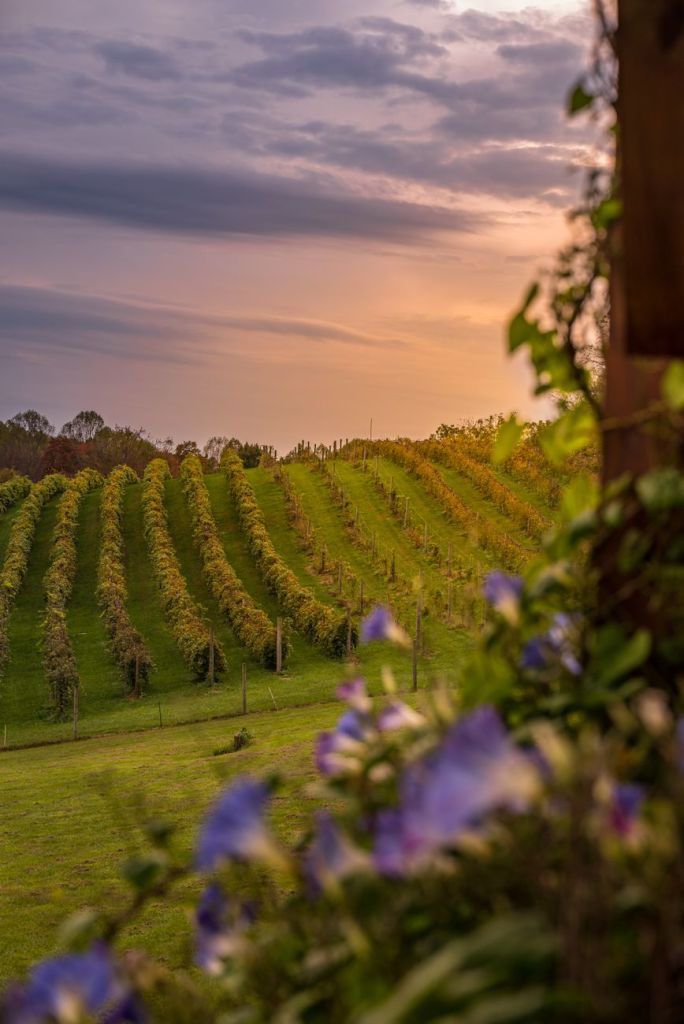
For our part, we have chosen Harvest for the World because of its close links with today’s gospel on the parable of the wicked tenants who have refused to give the owner’s share of the harvest of grapes in his vineyard (https://lordmychef.com/2026/10/03/chosen-to-be-fruitful/).
Both the song and the gospel speak of too much greed among us, not realizing we are indeed the Lord’s vineyard.
Our very life itself is actually not ours to possess and own completely in total disregard of others and of God.
The same is true with our beloved planet Earth: it is the Lord’s vineyard and no one, whether individuals or governments can lay total claim for its land and other resources meant by God for everyone. Here we find its lyrics very prophetic and relevant until now:
A nation planted, so concerned with gain
As the seasons come and go, greater grows the pain
And far too many feelin' the strain
When will there be a harvest for the world
We were in elementary school, perhaps in grade five or six when we first heard Harvest for the World; the song is unforgettable for me because I felt so fortunate to have found its lyrics in one of the very few issues of JINGLE magazine I have bought at that time – just four maybe – because it was so expensive. But, the first time I heard it on radio, I instantly loved it for its music so suave and cool; beat is so inviting especially with the claps in the background. A classic indeed of a gone era of great poetry and philosophy in music.
Before listening to this beautiful music that is truly a gospel too in our time, we quote Ernie from that interview six years ago by The Guardian’s Simpson which we find so fitting in closing this piece:
The world today is at least as turbulent as when we recorded it. There’s a great amount of fear. The only way things will change is if people come together in peace instead of war. That’s what we try to do with the music. When we play the song in concert, you see smiles on people’s faces, like the harvest for the world is something they’re waiting for. (https://www.theguardian.com/music/2020/jul/06/ernie-and-ron-isley-how-we-made-harvest-for-the-world-isley-brothers?CMP=share_btn_url)
Together let us work in the Lord’s vineyard to enjoy this harvest of the world! God bless and thank you for the visit.