
Lord My Chef Simbang Gabi Recipe for the Soul by Fr. Nicanor F. Lalog II
Wednesday, Simbang Gabi-XIX, 24 December 2025
2 Samuel 7:1-5, 8-12, 14, 16     <*((((>< + ><))))*>     Luke 1:67-79

Being an early riser or “madrugeño” in Spanish, I have always loved and preferred early morning Masses because churchgoers at that time are mostly silent, either still sleepy or simply truly reverent.
Though sunsets are more colorful and dramatic like a spectacular show – a palabas in Filipino -sunrise is different because it is more of paloob, of inside movement that is subtle yet intense when light steals into shadows as the sun isgradually breaking open the darkness to reveal what is unseen. Our local term for sunrise or breaking of dawn says it all, pagbubukang liwayway.
There lies the beauty of our Simbang Gabi especially on this final day of our novena when we are slowly seeing the light of Christ’s coming. It is hoped that in these nine days of prayers and reflections on the Sacred Scriptures, we have been enlightened about the the true meaning of Christmas, of how it continues to come and happen in our modern time so darkened by sin and evil.
On this final day of our Simbang Gabi, we reflect on the wonderful aftermath of the assertions by Elizabeth and later by her husband Zechariah on the name “John” meaning “God is gracious” being given to their child as instructed by God. Suddenly, Zechariah who was rendered deaf and mute following his unbelief in having a child, sang praises to God!
Zechariah his father, filled with the Holy Spirit, prophesied, saying: “Blessed be the Lord, the God of Israel; for he has come to his people and set them free. He has raised for us a mighty Savior, born of the house of his servant David… In the tender compassion of our God the dawn from on high shall break upon us, to shine on those who dwell in darkness and the shadow of death, and to guide our feet into the way of peace” (Luke 1:67-68, 78-79).
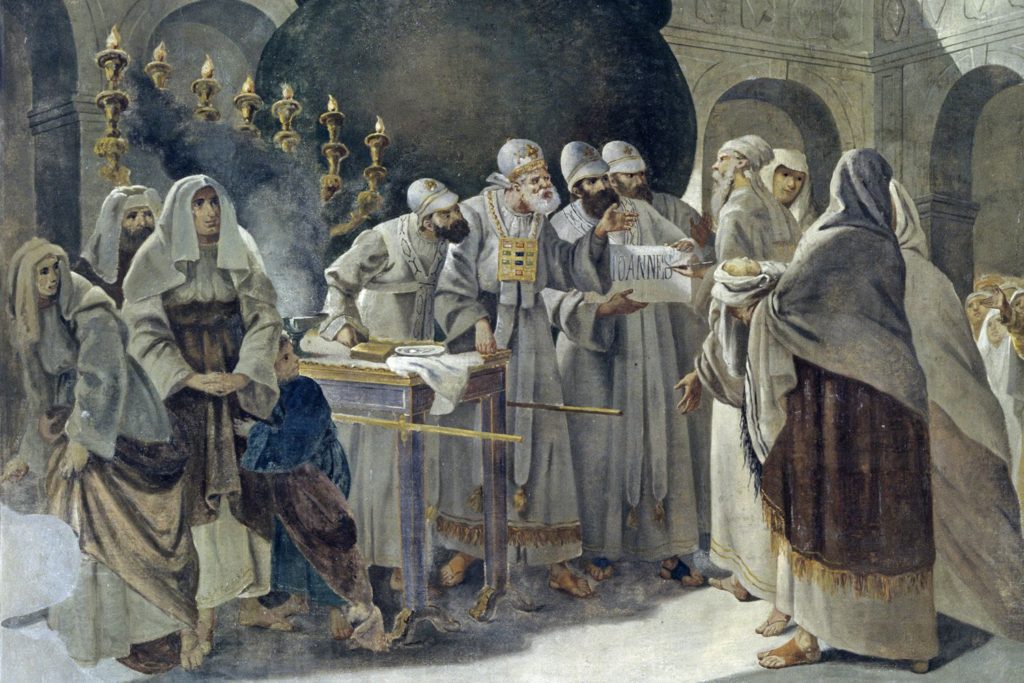
In singing the Benedictus, Zechariah affirmed and confirmed in himself the reality and truth of God being present in our lives.
Many times we are like Zechariah that even if we pray, celebrate the Masses, do all the devotions but still deep inside, doubt God’s reality that we simply do all this sacred rites and traditions just for the sake of doing them. Last week at the start of our Misa de Gallo, we have invited you to reassess and examine the reason why we are keeping this sacred tradition. Is it because of special favors we are asking from God or is it because we want to see God?
The late American Trappist monk Thomas Merton said in one of his writings that seeking God is not like searching for a “thing” or a lost object because God is more than an intellectual pursuit or a contemplative illumination of the mind. Merton explained that God reveals Himself to us in our hearts through our communion and fellowships in the Church.
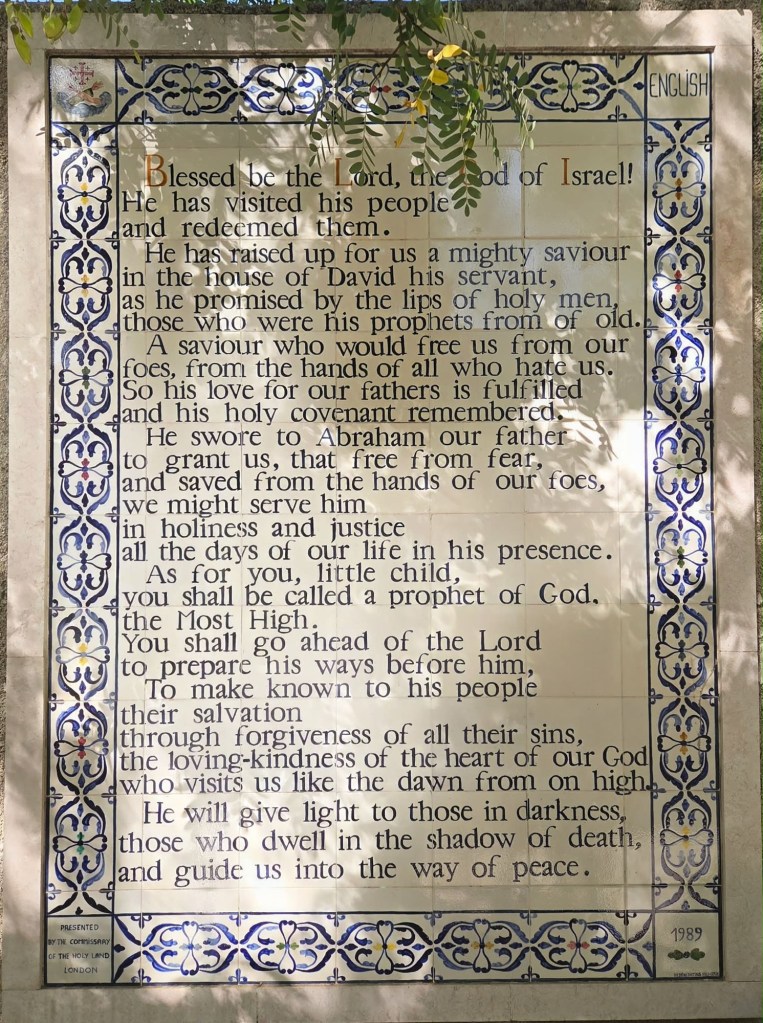
In singing the Benedictus, Zechariah realized God’s presence and His coming communion throughout Israel’s history, from the Patriarchs down to the birth of his son John who would prepare the way of Jesus Christ. The Benedictus describes to us the coming of the Christ as expected by the people of Israel in the Old Testament and that is why, unlike Mary’s Magnificat, it is in the future tense. While Zechariah mentions the mission of his son John, the main focus of the Benedictus is Jesus Christ who was about to be born six months later at that time.
Therefore, when we who believe in Jesus as the Christ or Messiah expected by the people of Israel in the Old Testament, the Benedictus becomes an affirmation of God’s presence in us and among us today and forever.
It is in this most sublime expression by Luke we find Christ’s coming like the breaking of dawn like shafts of light bursting forth, “In the tender compassion of our God the dawn from on high shall break upon us, to shine on those who dwell in darkness and the shadow of death, and to guide our feet into the way of peace.” It is in this breaking of dawn we find and experience the poetry of sunrise that is more of the heart than of the eyes we mentioned earlier.
After seeing the coming of the Christ in the birth of his son John, Zechariah now summarizes to us the very essence of Jesus our Savior, of God Himself: tender compassion or in the original Greek, splaghna or “tender mercy” of God.
It is not just compassion which is to suffer with us but at the same time be filled with tenderness that one is so moved to reach out, to do something by going down with the one suffering.
Like courage, mercy is a movement in the heart called misericordia in Spanish from the Latin mittere, meaning to be moved, to be stirred. It is something dynamic, not static. It is a deep feeling that moves toward someone in pain and suffering. An identification of Jesus with every person going through so much hardships and sufferings in life.
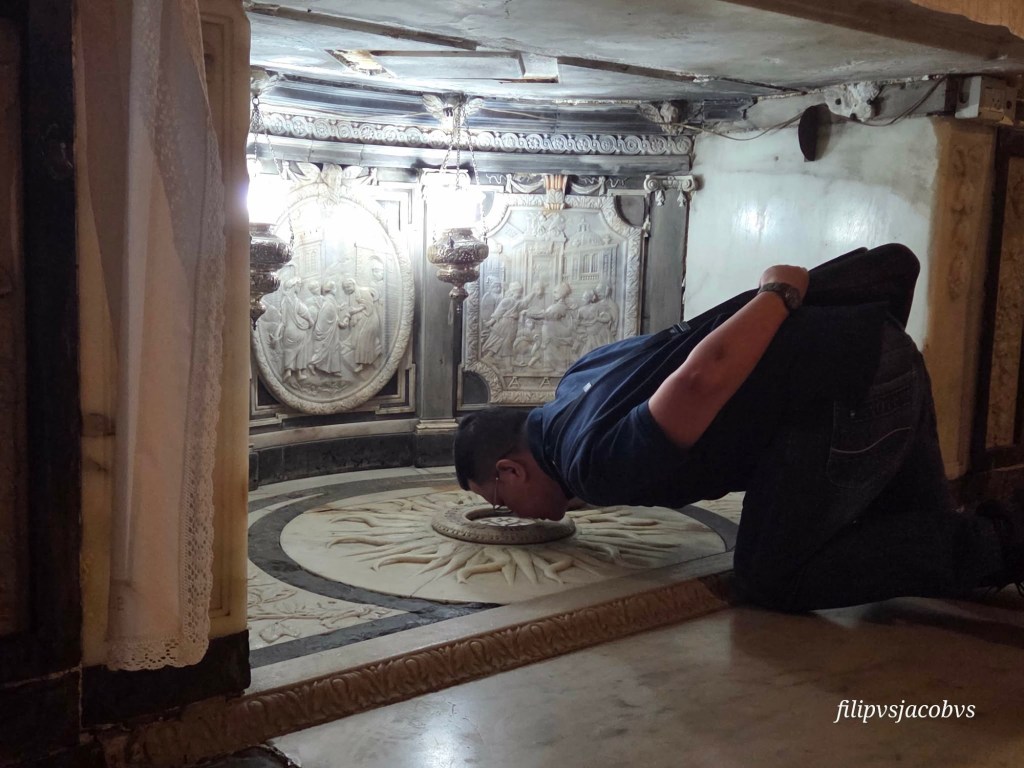
See now the culmination of movements we have mentioned in Luke’s Christmas story: last Saturday at the Annunciation to Mary, the Angel mentioned the “overshadowing of Holy Spirit” on her in bearing our Savior; today in the Benedictus, there is the moving or stirring of the heart in Zechariah. Whenever we allow God to overshadow with His powers, our hearts are moved to love more, to be tender like God.
Zechariah’s heart is no longer hardened with negativity and cynicism – it was so stirred by God that he mentioned His tender mercy or compassion because he had personally felt it as he recovered his voice and speech. With the birth of John, he now believes that God’s love for his suffering people is deep and personal.
And that is perhaps one of the things we sorely lack in our history as a nation especially during the decadent years of the last Administration – the utter lack of tenderness by our officials and their kawatan in corruption. Wala silang awa at habag sa taong-bayan.
Recall the tender compassion, tender mercy of Jesus, how during His ministry all four evangelists would narrate Jesus was moved with pity and compassion to the people who were lost, tired and sick “like sheep without a shepherd” that no matter how tired He may be, He would always find time to teach them, heal their sick, and even feed them. That is the mercy of God that Jesus had brought forth to us in His coming, experienced by Zechariah himself that he could foresee its coming at the birth of John.
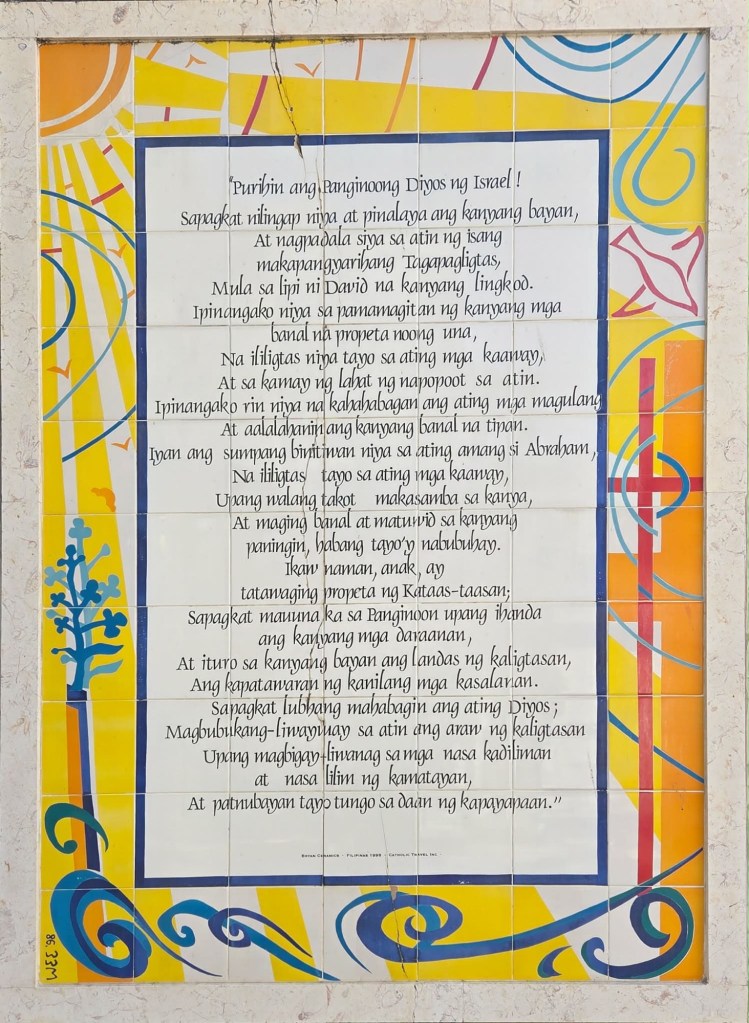
That is the Benedictus, the song of every faithful disciple of Jesus introducing His coming, His birth. So many people have forgotten God, do not know God, refused to believe in God because many among us He had lavishly loved have refused to share His love with others, choosing to remain in the darkness of the night, thinking more of themselves and of their hurts and pains that they revenge with by stealing billions of money.
How lovely to think that God’s tenderness moves in us like the breaking of dawn, of shafts or streaks of lights slowly penetrating, bursting forth through cracks in the skies, in our homes and even right in our very selves. Bask in that light saw by Zechariah, shared by John the Baptist his son. Amen. Have a blessed and meaningful Christmas! Thank you for following our reflections. Share it and let it be shafts of light to somehow illumine the darkness in others.




 lordmychef.com