
Lord My Chef Sunday Recipe, Fr. Nicanor F. Lalog II
Second Sunday in Easter Octave, 27 April 2025
Acts of Apostles 5:12-16 ><}}}}*> Revelation 1:9-11,12-13,17-19 ><}}}}*> John 20:19-13
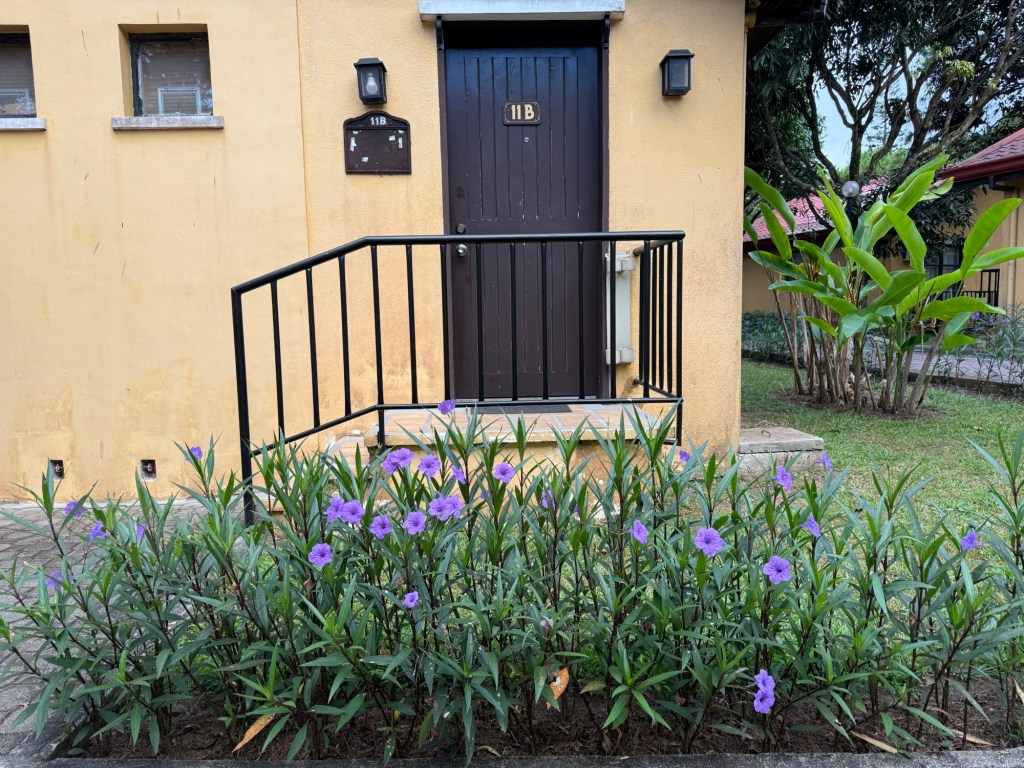
Locked doors. Exactly what I have dreaded most these days not because of claustrophobia but more of amnesia as I often forget my keys that I get locked out of my room.
Many of you probably know that kind of feeling of being locked out of our rooms or even house: we are so stressed that we go through self-blame and self-pity of being so forgetful to intense annoyance when we have to destroy our locks and knobs to replace them with new ones.
But, surely there must be a great difference of being locked inside a room that is more stressful and even fearful leading to claustrophobia. Imagine how the disciples of Jesus felt on that evening of Easter when they have to hide inside the Upper Room and locked the doors for fears of being arrested too following reports of the empty tomb.
On the evening of that first day of the week, when the doors were locked, where the disciples were, for fear of the Jews, Jesus came and stood in their midst and said to them, “Peace be with you.” – John 20:19

Only John tells us this detail of the evening of Easter of how the disciples hid inside locked doors, that despite that, Jesus Christ still came through. Aside from the darkness and empty tomb that characterized Easter which all evangelists narrated, John seems to be telling us something important about those locked doors.
Do you have any locked doors in your life that is why you can’t experience the joy of Easter?
One thing for sure: John included that little detail of the locked doors of the Upper Room where the disciples hid to show us that no obstacle, no locked doors can prevent Jesus from “coming” to us. Jesus had triumphed over sin and death. He is Risen! Nothing can stop Christ from breaking barriers among us and within us to bring his peace and joy of Easter.
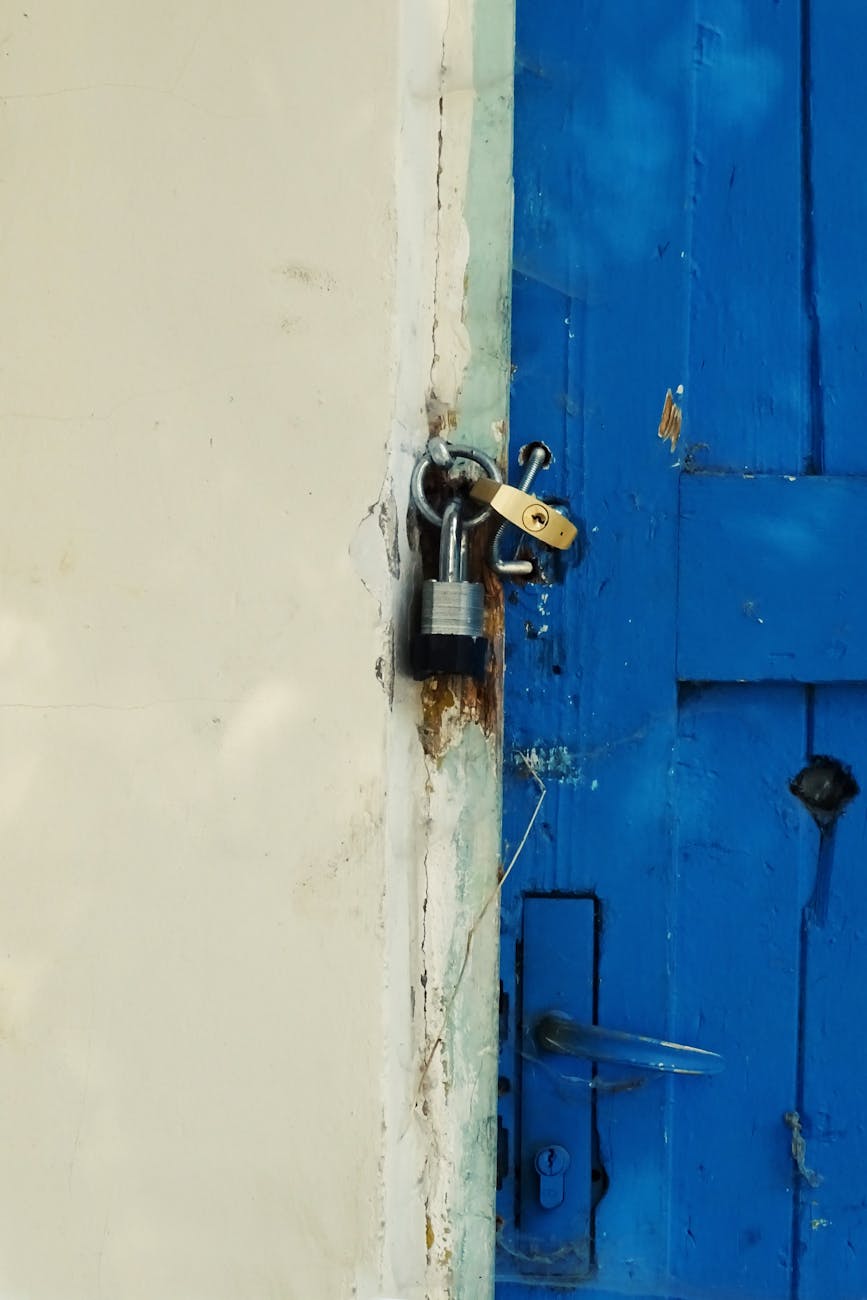
However, the problem could be with us as we refuse to recognize Jesus coming to us.
Our refusal to forgive those who have hurt us, especially if they have tried reaching out to us, even apologizing can be a locked door within us. It could be the other way around when who have hurt others have locked inside ourselves in our refusal to ask forgiveness and be reconciled with a loved one.
There may be other locked doors in our life like our fears of failure and disappointment, of lost and separation from our loved ones due to various reasons like betrayal or death. Think of the other kinds of locked doors in our life that have kept us in the darkness of grief and sadness, bitterness and hatred or anger, even hopelessness.
See how in our gospel there are so many elements linked together in experiencing our Risen Lord – the need to believe like Thomas who was not inside the locked doors when Jesus first appeared. The nice thing with Thomas despite his doubts, he came to the room with locked doors to await Christ’s coming and he was not disappointed!
Like Thomas the Apostle, we have to believe Jesus in order to see him. We have to welcome Jesus inside our locked doors. Most of all, we have to come our from our locked doors to be one with others freed by Jesus.

Every day amid all our daily darkness and emptiness, Jesus breaks our locked doors, coming into our lives like that Easter evening, bringing peace and forgiveness and most of all, joy of finding him, of seeing him, of experiencing him.
The world tells us to see is to believe but Jesus tells us to believe first so that we may see because it is only when we believe that we truly love and when we love, that is when the miracles of Easter begin to happen. Everyday.
Locked doors isolate us and isolation is separation which is the absence of love. This eventually leads to hopelessness which is the exact opposite of love. When we lose hope, we destroy everything, including life. People without hope are the most angry, the most isolated people who would kill and destroy everything because there is nothing to look for nor expect. They are locked inside their own prisons of selfishness.
Jesus rose from the dead to break all barriers to life especially sin and evil that imprison us so that we may believe again, love and hope to live Easter daily.
Easter does not remove the darkness nor emptiness within us but definitely breaks locked doors in us so we can go free to follow the light of Christ, to spread that light with others imprisoned in their locked doors of unbelief.
In the first reading, we find the Apostles after Pentecost continuing the work of Jesus by preaching and healing the sick while in the second reading we heard John thrown into exile to Patmos and yet, still chose to proclaim the gospel and wrote his visions while in prison.
We all know from the Acts of the Apostles that it was not all good news for the early Church that soon faced persecution. But by remaining open to Jesus Christ’s daily coming in themselves and through others like their persecutor named Saul who became Paul, Christianity flourished.
Today in our modern age, St. John Paul II designated in May 2000 this octave or eighth Sunday in Easter as the Divine Mercy Sunday as an invitation to Christians to face with confidence in the Divine Mercy the difficulties and trials that we still have to experience in the years to come.
There will always be darkness and emptiness in life. Including locked rooms. But, Easter is Christ’s triumph over all these. Rejoice in breaking free today. Many times in life, all we need in life is a simple spark of believing in Jesus risen, with us inviting us to come and follow him in his light and life. Amen.

 lordmychef.com